
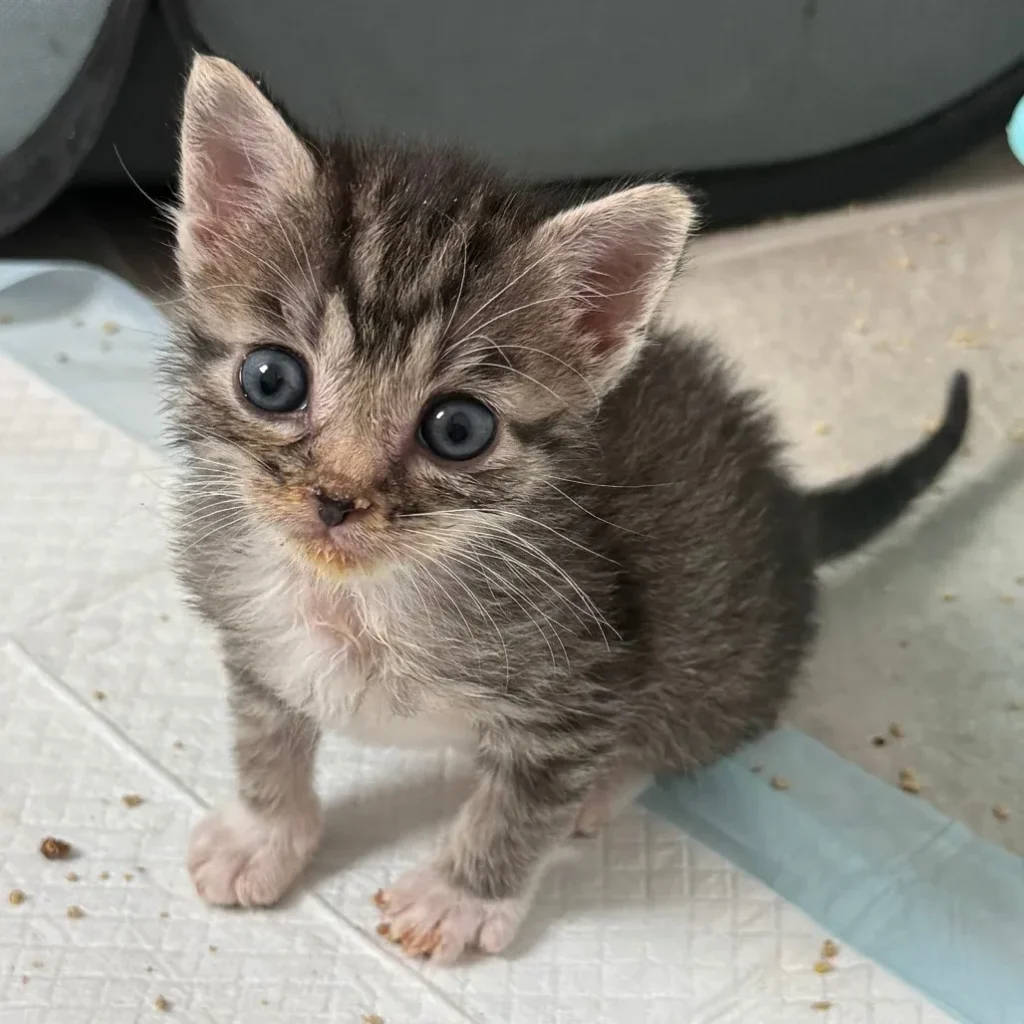
What does it actually take to be a good kitten foster?
Most people assume they need experience, a wide-open schedule, or complete confidence before applying. That is usually not the case.
Kitten fostering works best when a home can provide short-term care, follow basic instructions, and keep a simple daily routine for a few weeks at a time.
For families and adults in Broward County and nearby South Florida communities, the question is not whether you fit one perfect profile. It is whether your current schedule, home setup, and emotional expectations can support temporary care.
Key Takeaways: Who should foster kittens?
- You do not need prior cat experience to foster kittens.
- A flexible schedule helps, but you do not need to be home all day.
- Most foster placements are temporary and measured in weeks.
- Daily care usually means feeding, cleaning, observation, and short social time.
- Emotional attachment is normal, but fostering has a clear adoption transition.
- A good foster is reliable, honest about availability, and willing to follow care instructions.
1. People With a Flexible or Predictable Schedule
People with flexible or predictable schedules often do well as kitten fosters.
That does not mean you must be home all day. It means you can handle scheduled feeding, litter cleaning, check-ins, and short socialization time.
Best Friends explains that fostering can last a night or two or several weeks, depending on the pet’s needs and the foster’s lifestyle and schedule.
For many kitten placements, the routine becomes easier after the first few days. Once kittens settle, feeding, cleaning, and playtime usually fit into a normal morning and evening rhythm.
A full-time job does not automatically rule you out. The better question is whether your daily schedule is stable enough to meet the kitten’s care needs.
2. People Who Want to Help Without Adopting
Some people want to help animals but are not ready for a permanent pet.
That is exactly where fostering can make sense.
The ASPCA describes animal fostering as temporarily caring for a shelter animal in your home while they wait for adoption, recover, decompress, or grow and develop.
Fostering gives you a way to help without making a 10- to 15-year commitment. You provide care for a set period, then the kitten moves toward adoption.
This is a good fit for people who care about cats but are not sure they can adopt, travel often, rent, or want to understand pet care before making a permanent decision.
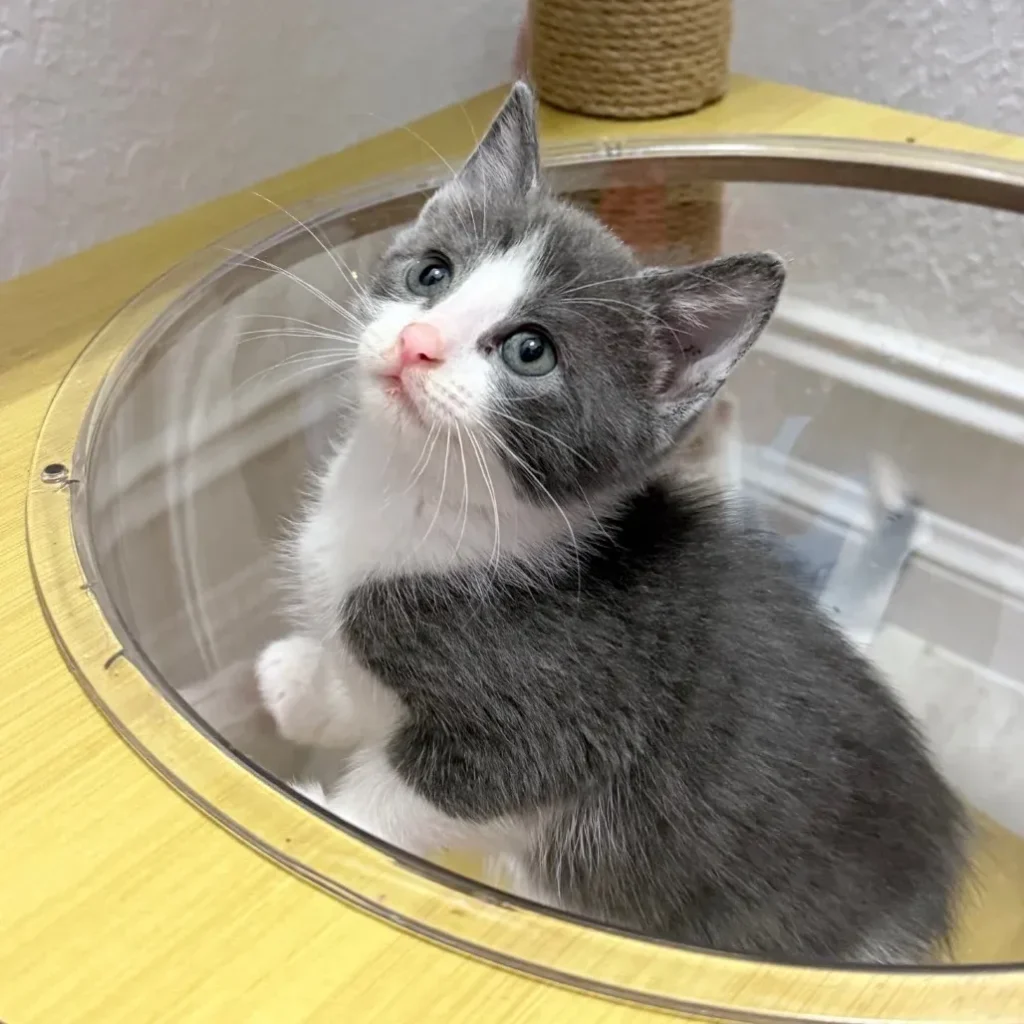
3. People Who Can Handle Temporary Attachment
Getting attached to foster kittens is normal.
You feed them, clean up after them, watch them grow, and learn their personalities. Attachment is not a sign that fostering is going wrong. It is part of caring for them well.
The important part is understanding the purpose of the role. Fostering prepares kittens for adoption, whether that adoption is with you or another approved home.
People who thrive as fosters are not emotionless. They are able to care deeply while remembering that the goal is to help the kitten become ready for a permanent placement.
For many fosters, saying goodbye gets easier when the transition is planned and they know the kitten is moving into a prepared home.
4. People Who Like Simple Care Routines
Kitten fostering is built around repeatable care tasks.
You may be feeding on a schedule, cleaning litter boxes, refreshing water, wiping down the foster space, monitoring appetite, and giving kittens short periods of play or socialization.
Best Friends’ kitten foster manual notes that kitten care includes a strict feeding schedule, cleaning, snuggling, and playtime.
You do not need veterinary training to do this well. You need to follow the care plan, notice changes, and communicate if something seems off.
This type of fostering works well for people who like clear expectations and do not mind small daily chores.
5. People Who Want to Help Locally
Fostering creates direct local capacity.
When a kitten enters a foster home, the rescue has more room to help the next cat or kitten. That matters in South Florida, where intake needs can change quickly during kitten season, owner surrenders, medical cases, or community cat situations.
A foster home does not have to take many kittens to matter. One safe room, one available household, or one short-term placement can help keep the rescue process moving.
For Happy Whiskers, foster homes help kittens move from intake to daily care, from daily care to socialization, and from socialization to adoption readiness.
That is one of the clearest ways to help cats in your own community.
Thinking About Fostering Kittens in South Florida?
You may be a good fit if you can answer yes to most of these:
- Can you follow a simple daily care routine for a few weeks?
- Are you comfortable caring for a kitten without necessarily adopting?
- Can you provide a safe indoor space away from resident pets when needed?
- Can you communicate if a kitten’s appetite, energy, or behavior changes?
- Are you willing to learn as you go?
You do not need to feel fully ready before learning more. Most first-time fosters start with questions. The point of the process is to match the placement to the home, not overwhelm the foster.
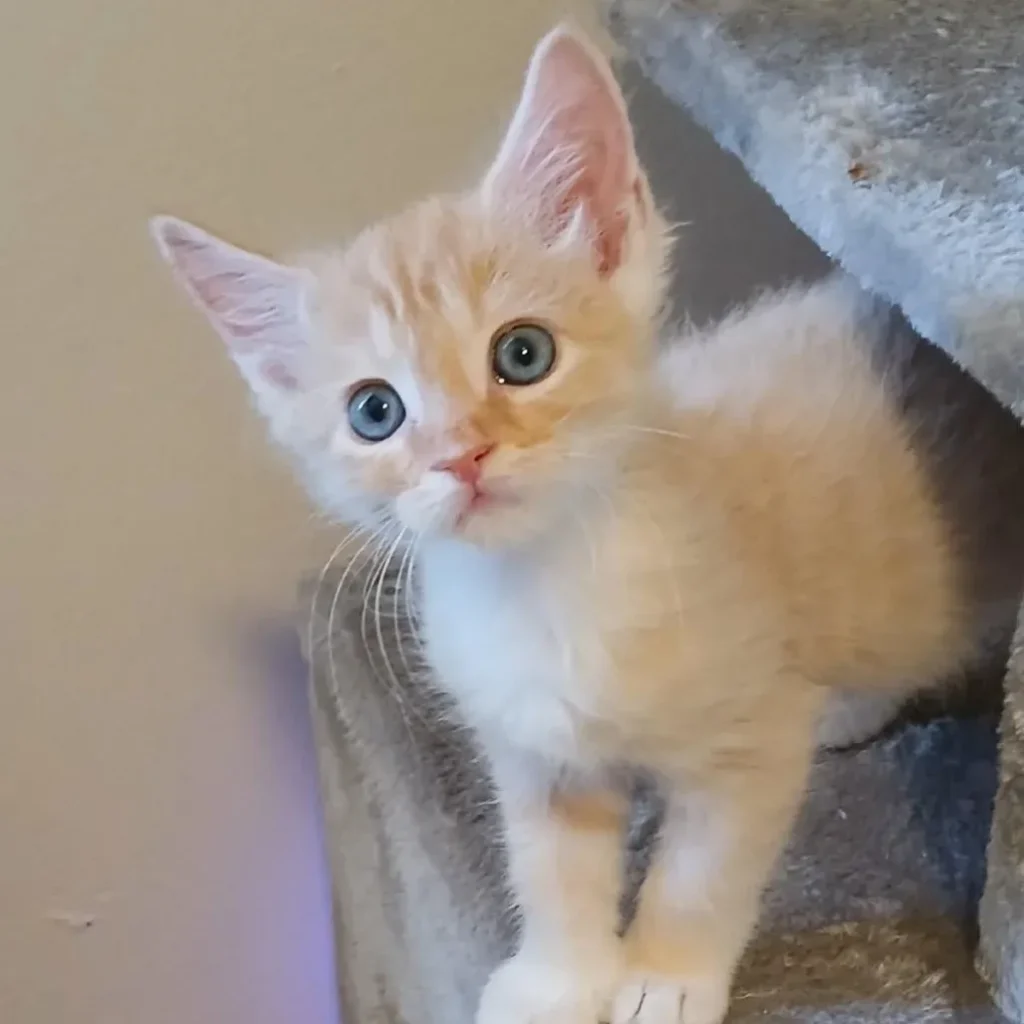
Good kitten fosters are not all the same type of person.
Some work full time. Some have families. Some foster once. Some foster regularly. What they usually have in common is a steady routine, a safe space, and the willingness to follow care instructions for a temporary placement.
If you are in South Florida and want to see whether fostering fits your current life, you can learn how our foster program works.