
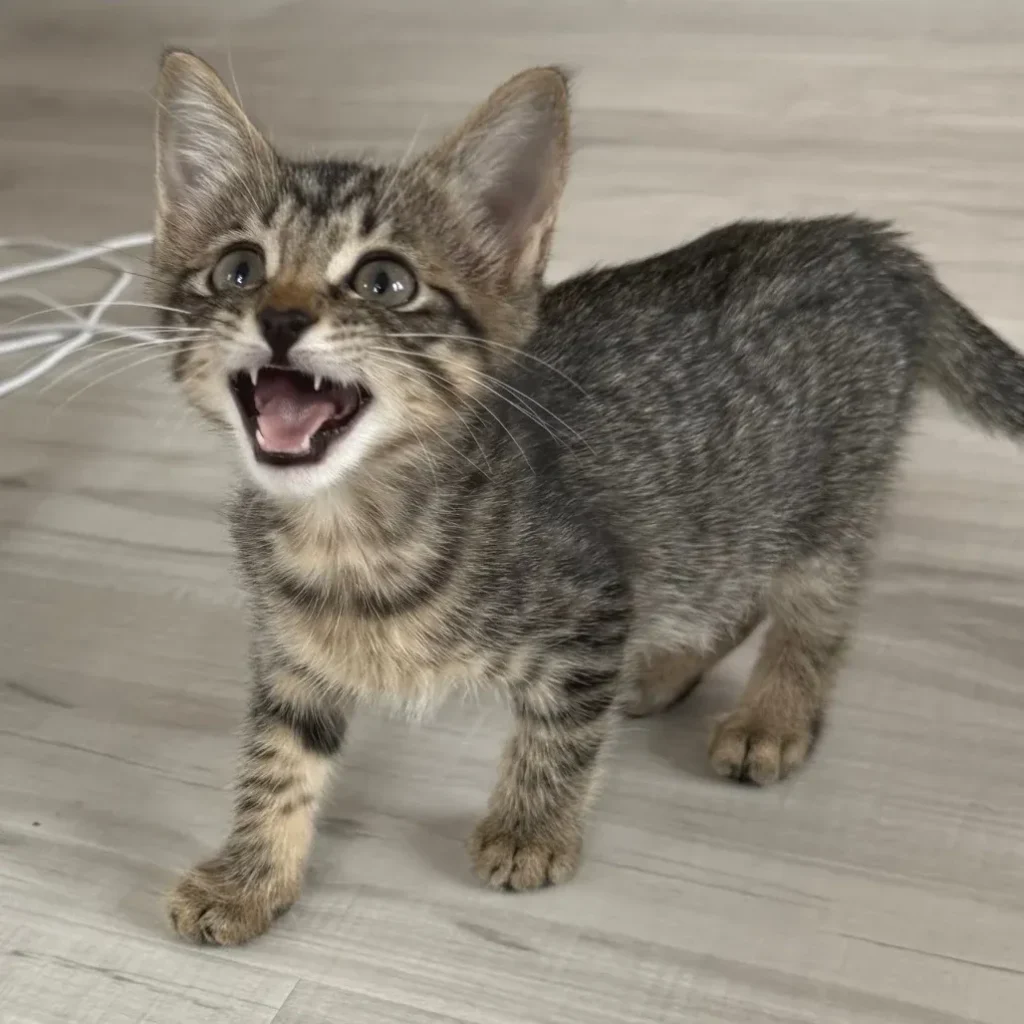
What happens if you start fostering a kitten and realize you want to adopt them?
This is a common question, and it makes sense. Foster families spend days or weeks feeding, cleaning, observing, socializing, and caring for kittens in their home. That routine can turn into a real bond quickly.
In many rescues, adopting a foster kitten may be possible. But it still needs to go through the normal adoption process. Fostering gives you time to understand the kitten, but adoption is still a permanent placement decision.
Key Takeaways: Can you adopt your foster kitten?
- You may be able to adopt your foster kitten, but approval is still required.
- Fostering does not automatically guarantee adoption.
- Foster families often understand the kitten’s personality, routine, and needs better than anyone else.
- Adoption decisions should be based on long-term fit, not only emotional attachment.
- If you do not adopt, the kitten can still transition to an approved adoptive home.
- Fostering is successful even when the kitten is adopted by someone else.
Can You Adopt Your Foster Kitten?
Yes, it may be possible to adopt your foster kitten.
That does not mean the adoption is automatic. A foster home still needs to follow the rescue’s adoption process, meet adoption requirements, and confirm that the kitten is a good long-term fit.
The ASPCA describes fostering as temporary care for animals who may be waiting for adoption, recovering from illness or surgery, decompressing outside a shelter, or growing until they are ready for the next step.
That distinction matters. Fostering is temporary care. Adoption is permanent care.
For Happy Whiskers, a foster family’s experience with the kitten is helpful because they already know the kitten’s routine, personality, comfort level, and daily needs. But the final decision still has to protect the kitten’s long-term wellbeing.
Why Foster Families Often Consider Adoption
Foster families often start thinking about adoption after they have lived with the kitten for a little while.
At first, the focus is usually practical: feeding, litter box habits, sleep, play, cleaning, updates, and any care instructions. After a few weeks, the kitten’s personality becomes clearer. You may learn that they like quiet spaces, follow you around, sleep near you, or fit naturally into your home.
That emotional attachment is normal.
It does not mean you did anything wrong. It also does not mean you have to adopt. Fostering creates closeness because you are giving daily care during an important stage of the kitten’s life.
The best question is not only “Do I love this kitten?” The better question is: “Can I give this kitten a stable home long-term?”
That includes time, cost, household fit, resident pets, future travel, and whether adoption still feels right once the early emotion settles.
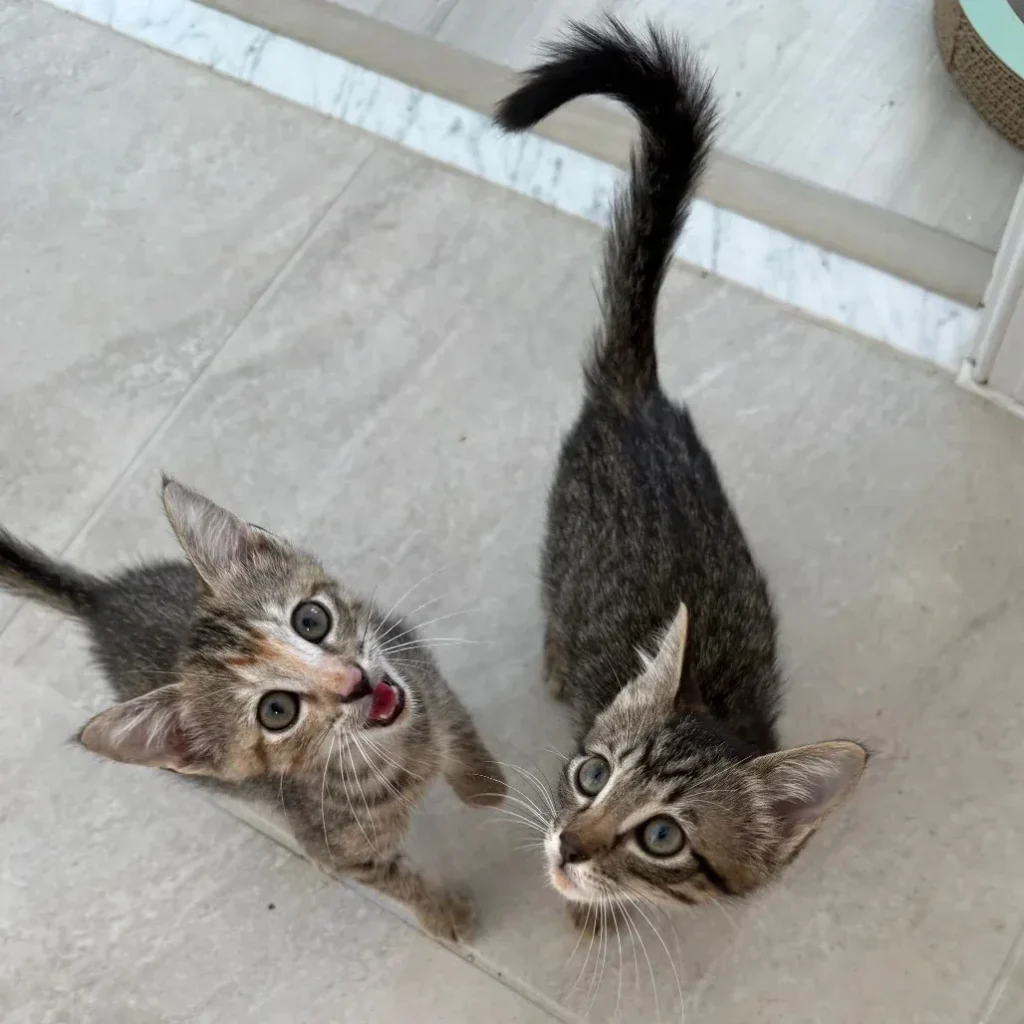
What the Approval Process Looks Like
If you want to adopt your foster kitten, the first step is to tell the rescue.
From there, the adoption process usually confirms basic requirements, home fit, care expectations, and whether the kitten’s needs match your household long-term. The process may move more smoothly because the rescue already has information from the foster period.
Best Friends notes in one of its foster manuals that foster caregivers who want to adopt still need to complete an adoption application and follow the full adoption process.
That is the right way to think about it. Foster-to-adopt is not skipping the process. It is confirming whether a known match should become permanent.
A foster family may have helpful insight, such as:
- how the kitten eats
- how they use the litter box
- how they behave in a home
- how they respond to people
- how they handle routine
- whether they seem comfortable with resident pets
That information can help the rescue make a clearer decision. But approval is still based on long-term fit.
What Happens If You Do Not Adopt?
Not adopting your foster kitten is also normal.
The purpose of fostering is to give a kitten safe temporary care until they are ready for adoption. Many foster families care for kittens, help them grow, prepare them for home life, and then let them move on to approved adopters.
If adoption does not move forward, the rescue uses what you learned during fostering to help with placement. Your updates can help explain the kitten’s personality, routine, confidence level, and ideal home.
That might include whether the kitten is playful, shy, social, calm, better with other cats, or better in a quieter household.
The goodbye can still be emotional. But the structure helps. The kitten is not leaving without a plan. They are moving toward an approved home with information that came from your care.
Fostering is successful when the kitten is safe, healthier, better understood, and ready for adoption, even if that adoption happens somewhere else.
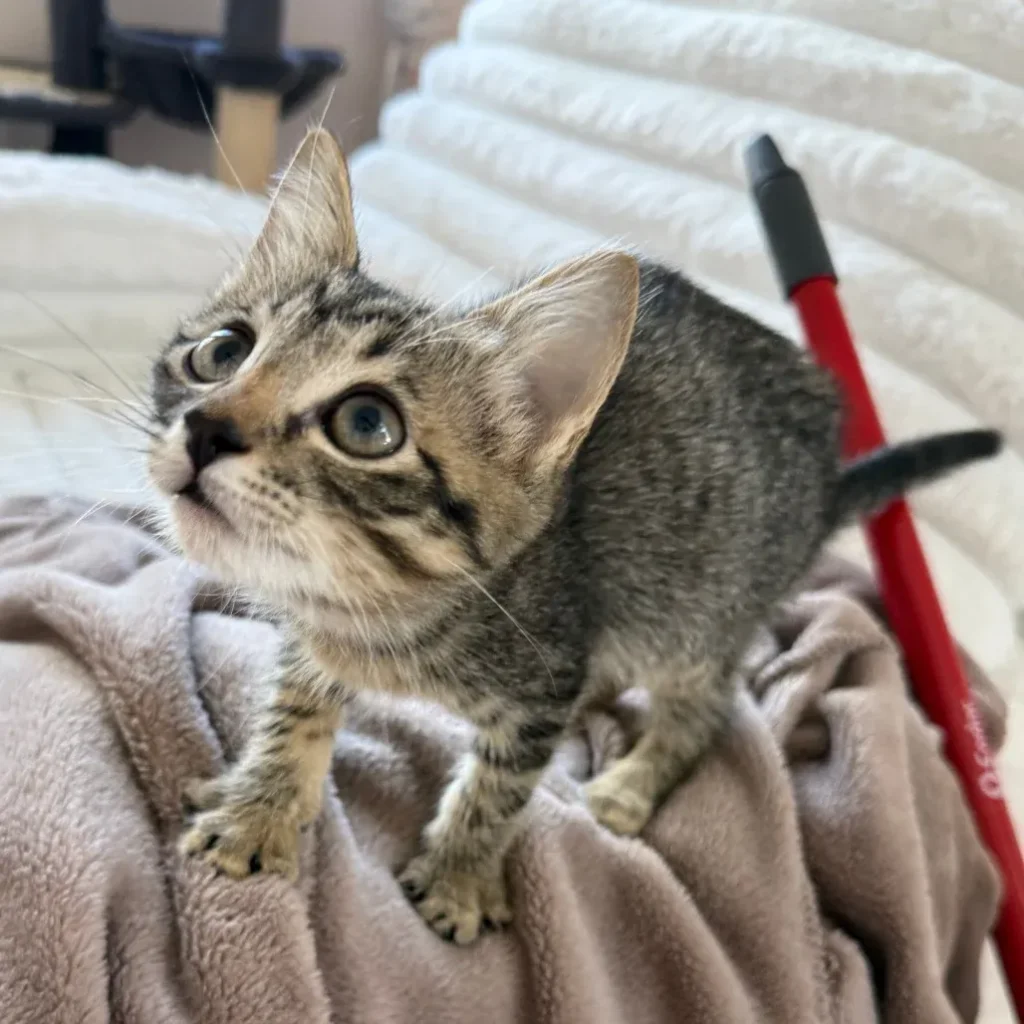
Wanting to adopt your foster kitten is normal.
You may be able to adopt, but the decision still needs to go through the adoption process. The goal is to make sure the kitten’s long-term home is safe, stable, and realistic.
Foster families often have a strong understanding of the kitten because they have cared for them every day. That matters. But adoption should still be based on long-term fit, not only attachment.
If you are in South Florida and want to understand how fostering works before applying, you can learn how our foster program works.