
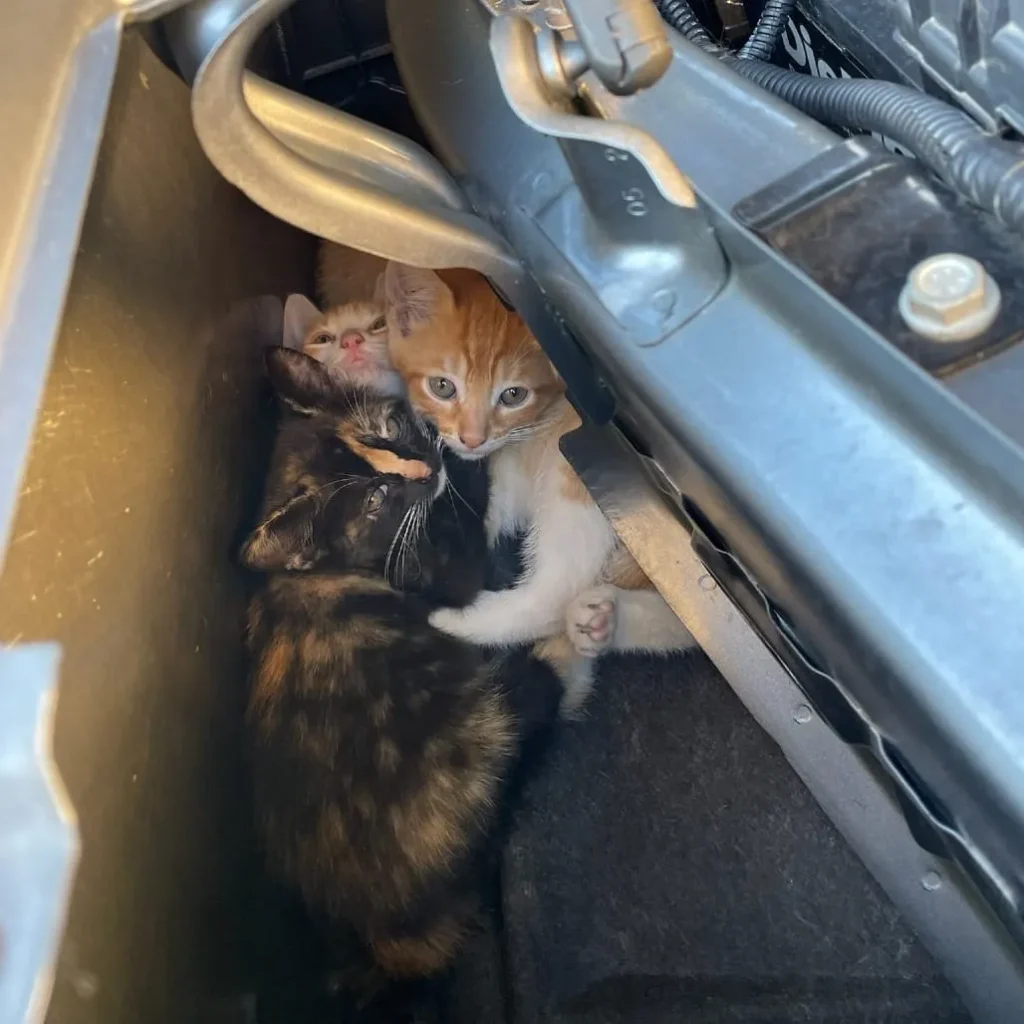
What happens if you bring foster kittens home and realize the placement is not working?
This is a common concern for first-time fosters. You may worry about being stuck, letting the rescue down, or not knowing what to do if the kittens need more time, space, or care than expected.
The honest answer is that foster placements sometimes need adjustments. That does not mean you failed. It means the rescue needs to understand what is happening and decide whether the placement can be supported, changed, or safely transitioned.
For Happy Whiskers, communication is the first step.
Key Takeaways: What happens if foster kittens aren’t a good fit?
- Foster placement issues are normal and can often be fixed with small changes.
- The first step is to contact the rescue early, before the situation becomes harder to manage.
- You are not expected to solve behavior, medical, or household issues alone.
- If a placement needs to end, the transition is handled safely and with planning.
- A mismatch does not mean you cannot foster again.
- Future placements can be adjusted based on what you learned.
Foster Mismatches Can Happen
A foster mismatch means the placement is not working well for the kittens, the household, or both.
This can happen for practical reasons. A resident pet may be stressed. The kittens may need more care than expected. A feeding schedule may not fit your workday. A shy kitten may need a quieter space. A high-energy litter may be too much for a busy home.
These issues are not unusual. Foster homes are real homes with real routines, pets, jobs, children, travel, and space limits.
A placement does not have to be perfect on day one. Kittens often need time to settle, and fosters often need a few days to understand the routine. The goal is not perfection. The goal is honest communication before the situation becomes stressful.
What Happens First When You Reach Out
If the placement feels off, the first step is to tell us what is happening.
That could mean sending a message about behavior, feeding, litter box issues, resident pet stress, schedule problems, or a concern about your ability to keep up with the routine.
The more specific you are, the easier it is to help. “The kittens are active overnight and waking everyone up” is more useful than “this is too much.” “My dog is pacing outside the foster room” gives us a clearer picture than “my pets are stressed.”
Usually, the first response is problem-solving. We may suggest a different room setup, slower introductions, a feeding adjustment, more separation from resident pets, or a different way to handle cleaning and playtime.
Most placement concerns are easier to fix early.

What Support or Adjustments May Be Offered
Not every concern means the placement has to end.
Sometimes the issue is the setup. Sometimes the care instructions need to be clearer. Sometimes the kitten’s behavior is normal, but the foster needs context. Sometimes the home is a better fit for a different type of foster case.
Possible adjustments may include:
- Moving the kittens to a quieter room
- Changing feeding or cleaning routines
- Keeping resident pets fully separated
- Reducing handling while kittens settle
- Clarifying what behavior is normal for their age
- Adjusting future placements to older kittens, calmer kittens, or shorter-term fostering
Best Friends notes in its cat foster care manual that foster caregivers are not required to continue if a placement is not working, but alternate space may not be immediate and the foster coordinator should be contacted during business hours. That is a useful expectation: the rescue can help, but communication and coordination are needed.
When a Foster Placement Needs to End
Sometimes a placement really does need to end.
That may happen if the home cannot safely continue care, the kittens need a different level of support, resident pets are too stressed, your schedule changes suddenly, or the placement is creating too much disruption.
When that happens, the focus shifts to a safe transition. We would coordinate the next step, such as moving the kittens to another foster home, arranging pickup, or returning them to the rescue’s care plan.
The goal is to keep the kittens’ food, medication, litter, and handling routine as consistent as possible during the move. A transition should not feel like panic. It should feel like a plan.
Ending a placement is a logistics decision, not a judgment of your ability to foster.
Why a Mismatch Can Help Future Placements
A placement that does not work out can still teach us something useful.
Maybe your home is better for older kittens than bottle babies. Maybe you can foster short-term, but not for several weeks. Maybe your resident pet needs more separation. Maybe you prefer one kitten at a time instead of a litter.
That information helps us make better matches later.
Many foster homes learn their preferences through experience, not before they start. The first placement often reveals what actually fits your schedule, home setup, and comfort level.
A mismatch does not close the door. It helps define what kind of fostering is more likely to work next time.
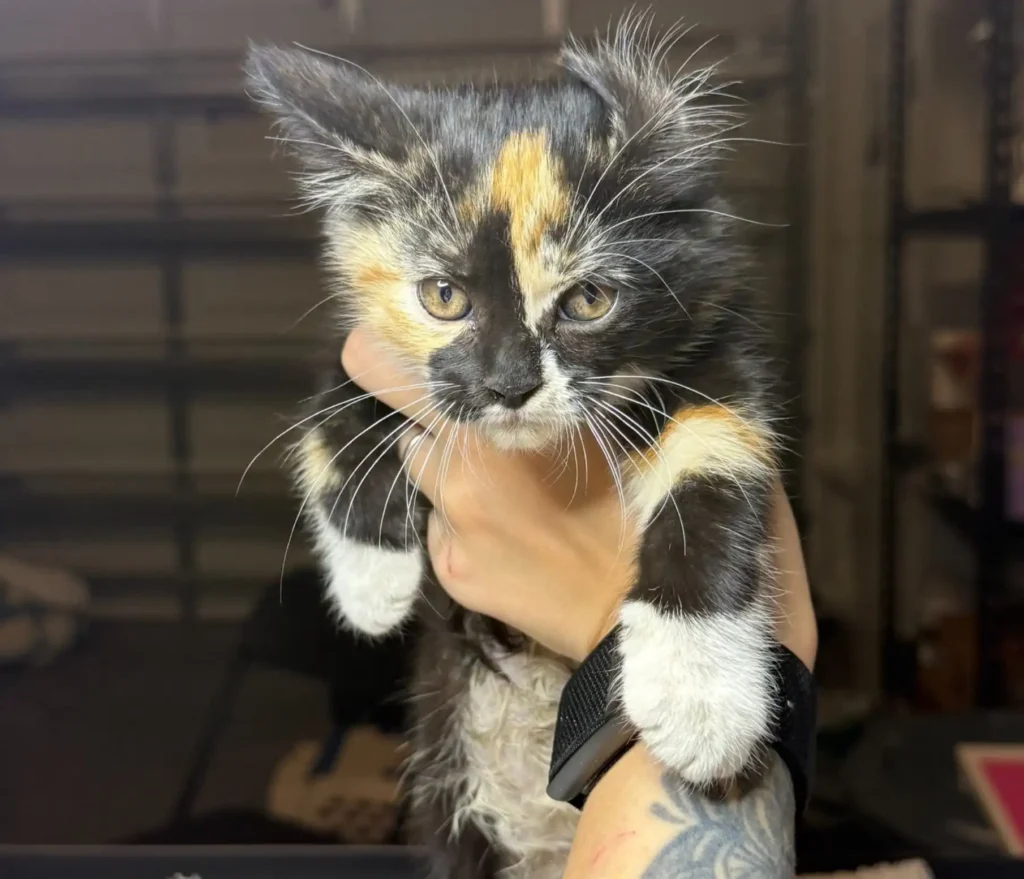
A foster placement that does not work out is not a failure.
Most concerns can be handled with communication, small changes, or clearer expectations. When a placement really does need to end, the transition can be handled safely and without judgment.
Fostering is meant to work inside normal households, not perfect ones. Your home, schedule, pets, and comfort level all matter when deciding what kind of placement fits.If you are in South Florida and want to understand how fostering works before applying, you can learn how our foster program works.