
In South Florida, the number of cats needing rescue support can change quickly, especially during kitten season. Foster homes give cats a safe place to stay while they grow, recover, adjust, or wait for adoption.
Many people are interested in fostering but hesitate because they are unsure what it involves. You may be wondering how much time it takes, whether you need experience, what it costs, or what happens if you get attached.
This guide explains how fostering cats in Broward County works from start to finish. You will learn what daily care looks like, how long fostering usually lasts, what Happy Whiskers Animal Coalition provides, and how we match foster homes with cats based on schedule, space, and care needs.
This guide is meant to help you decide whether fostering fits your home and routine right now.
Key Takeaways: Fostering Cats in Broward County
- Fostering is temporary. Most placements last a few weeks to a couple of months, depending on the cat’s age, health, and adoption readiness.
- You do not need prior rescue experience. We explain the care routine before and during the placement.
- Most foster costs are covered by the rescue, including approved veterinary care, food, litter, and basic supplies.
- Daily care depends on the cat’s age. Neonatal kittens need frequent feeding, while older kittens and adult cats are usually easier to plan around.
- You do not have to accept every type of placement. We match cats based on your schedule, home setup, and ability to provide the right care.
- Fostering works best when you can provide a safe space, follow care instructions, and communicate concerns early.
What Fostering Cats Actually Means
Fostering cats means temporarily caring for a cat or kitten in your home until they are ready for adoption.
You are not taking permanent ownership. You are giving the cat a temporary place to stay while the rescue handles medical coordination, adoption screening, and placement decisions.
Foster care may involve kittens who need time to grow, adult cats who need a quieter place to settle, or cats recovering from a medical issue.
At Happy Whiskers, we do not place cats randomly. We look at your schedule, space, experience level, resident pets, and the type of care each cat needs before matching a placement.
What Foster Care Involves
Most foster homes help with basic daily care.
Typical responsibilities include:
- feeding cats on the recommended schedule
- keeping food, water, and litter areas clean
- watching for changes in appetite, energy, stool, or behavior
- giving the cat a safe, separate space when needed
- helping the cat get used to normal household sounds and people
- sending updates or questions to the rescue
The routine depends on the placement. A healthy adult cat may need simple daily care. Young kittens may need more frequent feeding and closer monitoring.
What You Are Not Responsible For
Foster homes are not expected to handle the entire rescue process.
You are not responsible for:
- paying for approved veterinary care
- diagnosing medical problems
- choosing adopters
- finalizing adoptions
- finding the cat a permanent home
- making medical decisions alone
We stay involved during the placement. If something seems off, your job is to tell us what you are seeing so we can guide the next step.
How Fostering Fits Into the Rescue Process
Fostering is one part of the rescue process.
A typical process looks like this:
- A cat or kitten is rescued or accepted into the rescue.
- The cat is assessed for age, health, and placement needs.
- A foster home is matched based on the cat’s needs and the foster’s availability.
- The foster provides daily care and updates.
- The rescue coordinates vet care, adoption screening, and placement.
- The cat is adopted when ready.
For many people in Broward County, fostering is a way to help cats without making a permanent commitment.

Why Fostering Cats Is Critical in South Florida
Foster homes are especially important in South Florida because cats can reproduce throughout much of the year. During kitten season, rescues and shelters may receive more requests than they can handle.
Kittens, sick cats, and stressed cats often need care that is difficult to provide in a crowded shelter setting. A foster home gives them a quieter space where they can eat, rest, grow, recover, and get ready for adoption.
How Local Conditions Affect Cat Intake
In Broward County and nearby South Florida communities, rescues often receive requests involving:
- kittens found outside
- abandoned litters
- young kittens too small for adoption
- adult cats needing temporary placement
- cats that need recovery time after veterinary care
- cats whose owners can no longer keep them
Not every situation can be accepted immediately. Intake depends on available foster homes, supplies, vet access, and volunteer help.
When a foster home is available, we may be able to respond faster. When no foster space is open, intake becomes harder.
Why Shelters Alone Are Not Enough
Shelters are not built for every type of cat care.
Very young kittens may need feeding every few hours. Shy or scared cats may need a quiet room. Cats recovering from illness may need close observation. Those situations are often better suited for a foster home than a kennel.
A home setting also helps us learn more about a cat’s personality. We can see whether the cat is playful, shy, affectionate, independent, nervous around noise, or comfortable with routine handling. That information helps with adoption matching later.
How Foster Homes Affect Intake
When one foster home opens, we may be able to take in another cat who needs placement.
That does not mean every foster has to take the hardest case. A foster who can care for one adult cat still helps. A foster who can take older kittens for a few weeks still helps. A foster who can only accept short-term placements during certain months may still be useful.
At Happy Whiskers, foster availability affects what we can say yes to. The more reliable foster homes we have, the more flexible we can be when requests come in.
What Fostering Cats Looks Like Day to Day
Daily foster care usually centers on feeding, cleaning, monitoring, and short periods of interaction.
The amount of time depends on the cat’s age, health, and personality. A group of young kittens needs more hands-on care than a calm adult cat. A shy cat may need patience and quiet observation before they want attention.
Daily Responsibilities
Most foster routines include:
- feeding on schedule
- cleaning litter boxes
- refreshing food and water
- wiping or cleaning the foster area as needed
- watching for changes in appetite, stool, energy, or behavior
- giving the cat time to adjust
- sharing updates with the rescue
Most tasks are simple. What matters is doing them consistently so the cat has a predictable routine.
Time Commitment by Age
The biggest factor in time commitment is age.
| Cat Age Range | Typical Care Level | Daily Time Commitment |
| 0–4 weeks | High | Feeding every 2–4 hours |
| 4–8 weeks | Moderate | Feeding 3–4 times per day |
| 8+ weeks | Lower | Feeding 2–3 times per day |
| Adult cats | Lower to moderate | Usually 1–2 feeding routines per day |
You are not expected to foster every age group. If you work full time, neonatal kittens may not be realistic. Older kittens or adult cats may be a better fit.
What a Typical Day Might Look Like
For older kittens, a typical day may include:
- morning feeding
- quick litter cleanup
- food and water refresh
- evening feeding
- litter check
- short play or socialization time
- a quick update if anything changes
For adult cats, the routine may be even simpler. Some adult cats need time, quiet, and a consistent feeding routine more than constant attention.
How the Routine Fits Into Your Day
Fostering does not usually require constant attention all day.
Most care happens in short blocks. If your schedule is steady, those tasks may fit into your morning and evening routine. If your schedule changes daily or you travel often, some placements may not be the right fit right now.
How Fostering Adult Cats Compares
Adult cat fostering is often easier to plan around than fostering young kittens.
Adult cats usually do not need frequent feedings throughout the day. Many need a quiet room, regular meals, litter box maintenance, and time to adjust. Some are social right away. Others need a slower start.
Adult Cat Foster Care Usually Involves
- feeding once or twice per day
- cleaning the litter box
- giving the cat a safe, calm space
- monitoring appetite and behavior
- allowing the cat to decompress
- sharing updates about personality and routine
Adult cats may be a better first placement because their feeding and cleaning routines are usually easier to plan around.
When Adult Cats May Be a Better Fit
Adult cat fostering may be better if you:
- work full time
- prefer a routine with fewer daytime tasks
- are new to fostering
- cannot handle frequent daytime feedings
- want a lower-maintenance first placement
- have space for a quiet foster setup
Adult cats also tend to have more established personalities, which can help us understand what type of adopter or home may be a good match.
How We Match You With the Right Placement
We consider your schedule, home setup, pets, care experience, and the cat’s needs before recommending a placement.
If you are not ready for kittens, we will not push you into kitten care. If you cannot do frequent feedings, we will look for a placement that fits better. The goal is to choose a placement you can actually maintain.
How Long Fostering Typically Lasts
Most foster placements last a few weeks to a couple of months.
The exact timeline depends on the cat’s age, health, and adoption readiness. A kitten may need time to grow before adoption. A cat recovering from illness may need a longer stay. An adult cat may be ready sooner but still need time to find the right adopter.
What Determines How Long You Foster
Several factors affect the length of a placement:
- Age: Young kittens need time to grow before adoption.
- Health: Sick or recovering cats may need extra care.
- Behavior: Shy cats may need time to adjust.
- Adoption readiness: Cats need to meet basic health and care milestones.
- Adoption timing: Some cats are adopted quickly, while others take longer.
We give you the best timeline we can upfront, then update you if anything changes.
Can You Choose Short-Term or Longer Placements?
You can tell us what type of commitment is realistic.
Some foster homes prefer shorter placements. Others are open to longer stays. Some are only available during certain months or between travel dates.
We take those details seriously when matching placements. It is better to be honest early than to accept a foster placement that does not fit your schedule.
What This Means for Your Schedule
Fostering is temporary, but it still needs planning.
Before accepting a placement, think about upcoming travel, work changes, family obligations, and whether your daily routine can support the cat’s care. A short-term foster placement is still a real commitment while the cat is in your home.
Common Concerns About Fostering Cats
Most first-time foster concerns come down to time, experience, pets, cost, and emotions.
Those are practical concerns. They should be answered before you apply or accept a placement.
Can I Foster If I Work Full Time?
Yes, many people foster while working full time.
The placement needs to match your schedule. Neonatal kittens that require feeding every few hours are usually not a good fit for someone away from home all day. Older kittens or adult cats may fit much better.
If you work full time, tell us your schedule. We can help determine what type of foster placement makes sense.
Do I Need Experience to Foster Cats?
No, you do not need prior rescue experience to foster.
Most foster caregivers start without formal experience. We explain the care routine, provide instructions, and stay available for questions.
You do not need to know everything before starting. You do need to follow instructions, observe the cat, and communicate concerns early.
Can I Foster If I Already Have Pets?
Yes, many foster homes already have pets.
The key is separation. Foster cats often need their own space at first, especially when they are new, young, sick, or still being assessed.
In many cases:
- foster cats start in a separate room or area
- resident pets are not introduced right away
- introductions only happen when appropriate
- some fosters keep animals fully separated the entire time
We help guide this based on your home and the specific placement.
What If I Get Attached?
Getting attached is common.
You are caring for a cat in your home, so some attachment is expected. The hard part is remembering that fostering is temporary by design. Once that cat is adopted, your home may be available for another cat who needs placement.
Some fosters cry at goodbye. Some ask for adoption updates. Some take a break between placements. All of that is normal.
The goal is not to avoid caring. The goal is to understand the temporary role before you begin.
What Does It Cost to Foster Cats?
Fostering is usually low-cost because the rescue covers the main expenses.
At Happy Whiskers, we typically provide approved veterinary care, food, litter, and basic supplies for foster placements. Your main contribution is time, space, consistency, and communication.
What Rescues Typically Cover
Foster support usually includes:
- age-appropriate food
- litter
- basic supplies
- approved veterinary care
- medical instructions when needed
- setup instructions
- care directions
This helps foster homes focus on daily care instead of worrying about major expenses.
What You May Provide
Some foster homes choose to provide optional extras, such as:
- extra blankets
- toys
- cleaning supplies
- scratchers
- beds
- small enrichment items
These are not usually required. Many fosters use what they already have, especially for short-term placements.
How This Applies to Different Foster Types
Kittens may go through food and litter faster than adult cats. Adult cats may need fewer supplies but more patience while they adjust.
Medical costs are handled through the rescue when care is approved and coordinated. Foster homes should not make independent vet decisions unless directed.
If something seems wrong, contact us first so we can decide the next step.
What This Means for Your Decision
You mainly need a safe space, a consistent routine, and the ability to communicate. You do not need to buy everything before applying.
What Support You Receive From a Rescue
Foster homes need clear instructions, supplies, and someone to contact when questions come up.
Happy Whiskers supports foster families with supplies, approved medical care, setup instructions, care directions, and communication during the placement.
Supplies and Setup Guidance
Before a placement starts, we explain what the cat needs and how to set up the space.
That may include:
- where to place food and water
- how to set up the litter area
- what supplies are needed
- how to keep the space clean
- how to reduce stress during the first few days
A foster setup does not need to be fancy. A bathroom, spare room, office, or quiet enclosed area may work, depending on the cat.
Veterinary Care and Medical Support
We coordinate approved veterinary care.
Your role is to observe and communicate. Tell us if the cat stops eating, seems lethargic, has diarrhea, sneezes often, hides constantly, or shows any behavior that feels concerning.
We help decide whether the cat needs monitoring, medication, a vet appointment, or a change in care.
You are not expected to diagnose medical issues.
Ongoing Communication and Guidance
Questions come up during foster placements, especially with feeding, litter habits, behavior changes, socialization, cleaning, or adoption timing.
We would rather hear from you early than have you wait until a small issue becomes harder to manage.
Good communication helps us support you and the cat.
Matching You With the Right Placement
Matching is one of the most important parts of foster support.
We look at:
- your daily schedule
- your work hours
- your travel plans
- your home setup
- your resident pets
- your ability to care for different ages
- your experience level
The right placement is easier to maintain. The wrong placement can feel stressful quickly, even if the foster period is short.
Is Fostering Cats a Good Fit for You?
Fostering is a good fit if you can provide temporary care, follow basic instructions, and communicate with the rescue during the placement.
You do not need a large house or rescue experience. You do need enough stability to care for the cat each day.
Fostering Is a Good Fit If You:
Fostering may be a fit if you:
- have a steady daily routine
- can provide a small, safe space
- can feed and clean on schedule
- are willing to follow care instructions
- can communicate concerns early
- want to help without adopting permanently
- understand that the placement is temporary
Many foster homes in Broward County include people who work full time, live in apartments, have pets, or are fostering for the first time.
You May Want to Wait If:
Fostering may not be the right fit right now if you:
- travel often
- have a highly unpredictable schedule
- cannot provide a separate space when needed
- are not able to complete daily care tasks
- cannot communicate regularly during the placement
- are not comfortable with temporary responsibility
These issues do not rule out fostering forever. They may just mean waiting until your schedule or space changes.
How to Decide Based on Your Situation
Ask yourself three questions:
| Factor | What to Consider |
| Schedule | Can you maintain daily feeding, cleaning, and check-ins? |
| Space | Do you have a small area for a temporary foster setup? |
| Care Needs | Are you willing to follow instructions and ask questions? |
If those three areas line up, fostering may be worth discussing with us.
How We Help You Find the Right Fit
We do not expect every foster home to take every type of cat.
Some people are a better fit for adult cats. Some are ready for kittens. Some can only do short-term placements. Some need a lower-maintenance first foster.
We use that information to avoid placing you in a situation that does not match your life.
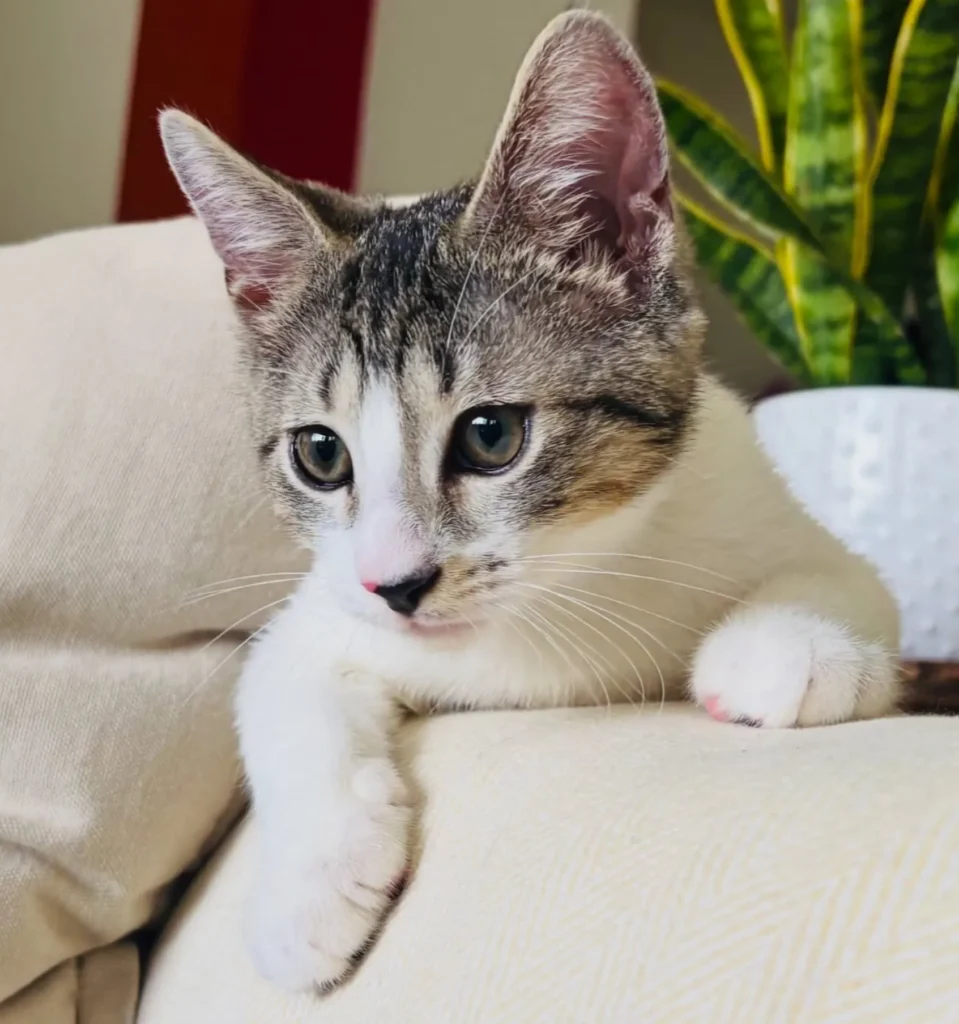
How the Foster Process Works Step by Step
The foster process starts with an application and continues through matching, setup, care, adoption, and transition.
Each step gives us information we need to make a safe placement.
Step 1: Submit an Application
The application helps us understand your home and availability.
We may ask about:
- your contact information
- your schedule
- your home setup
- whether you have pets
- whether you rent or own
- your comfort with kittens or adult cats
- your travel plans or schedule limits
You do not need to know exactly what placement you want before applying.
Step 2: Match With the Right Placement
After reviewing your application, we look for a foster placement that fits your situation.
We consider the cat’s needs and your ability to meet them. A bottle baby, older kitten, shy adult cat, and recovering cat all require different levels of care.
A good match helps the cat get the right care and keeps the foster from taking on more than they can handle.
Step 3: Prepare and Bring the Cat Home
Before the cat arrives, we explain how to set up the foster space and what supplies are needed.
You will receive care instructions based on the placement. This may include feeding schedule, litter setup, cleaning expectations, medication instructions if needed, and what signs to watch for.
Once the setup is ready, the foster placement begins.
Step 4: Ongoing Care and Check-Ins
During the placement, your role is to care for the cat and keep us updated.
This may include:
- feeding and cleaning
- monitoring behavior
- watching for health changes
- sending photos or updates
- asking questions when needed
- following care instructions
Check-ins help us know how the cat is doing and whether anything needs to change.
Step 5: Adoption and Transition
When the cat is ready for adoption, we handle the adoption process.
Your role may include continuing care until adoption, sharing observations about the cat’s personality, and preparing for pickup or handoff.
You are not responsible for screening adopters or making final placement decisions.
What Happens After Your Foster Cats Are Adopted
After your foster cat is adopted, your role in that placement ends.
We coordinate the adoption transition, including paperwork, adopter communication, and final placement decisions.
The Adoption Transition Process
Once an adoption is approved, the next steps may include:
- finalizing adoption paperwork
- scheduling pickup or handoff
- sharing care notes with the adopter
- preparing the cat for transition
As the foster, you may be asked to share helpful details about the cat’s routine, personality, appetite, litter habits, or favorite toys.
What Your Role Looks Like at This Stage
Your role is usually simple:
- continue normal care until pickup
- keep the cat safe and comfortable
- prepare any supplies or notes requested
- share observations if needed
You are not expected to manage the adoption yourself.
How Fosters Stay Involved
Some fosters like receiving updates after adoption. Others prefer to step back after goodbye.
Both are fine.
Some foster homes take a break after a placement. Others are ready for another cat soon after. We work with your timing and availability.
Why Many Foster Homes Continue
Many foster homes continue because the process feels more familiar after the first placement.
The first placement usually has the most questions because the routine is new. After you understand the setup, daily care, and adoption transition, it becomes easier to decide if you want to foster again.
How to Start Fostering in Broward County
Starting begins with a foster application.
You do not need to buy supplies, prepare a full room, or know exactly which type of cat you want before reaching out. The application helps us understand what type of placement may fit.
What You Need Before Applying
Before applying, it helps to know:
- whether you have a small separate space
- what your daily schedule looks like
- whether you have resident pets
- whether you travel often
- whether you prefer kittens or adult cats
- what care level feels realistic
A separate room is ideal, but the setup depends on the cat. A bathroom, office, spare room, or other contained space may work.
What Happens After You Apply
After you apply, we review your information and follow up if we need clarification.
The next steps may include:
- application review
- questions about your home or schedule
- placement matching
- setup instructions
- supply coordination
- care directions
- first placement timing
We use this process to make sure the placement is realistic before the cat comes home.
How Long It Takes to Get Started
The timeline can vary.
Some placements may happen within a few days if there is an urgent need and your setup is ready. Others may take a couple of weeks if we are waiting for the right match.
If you need a specific type of placement, such as an adult cat or a shorter commitment, the wait may be longer.
What to Expect for Your First Placement
For a first placement, we try to choose a situation with clear instructions and care needs you can reasonably manage.
That may mean older kittens, an adult cat, or another placement with a routine that fits your schedule.
Take the Next Step
If your schedule and home can support a temporary foster placement, you canlearn how our foster program works and apply through Happy Whiskers.
Use the application to tell us about your space, availability, pets, and the type of foster care you feel able to provide.
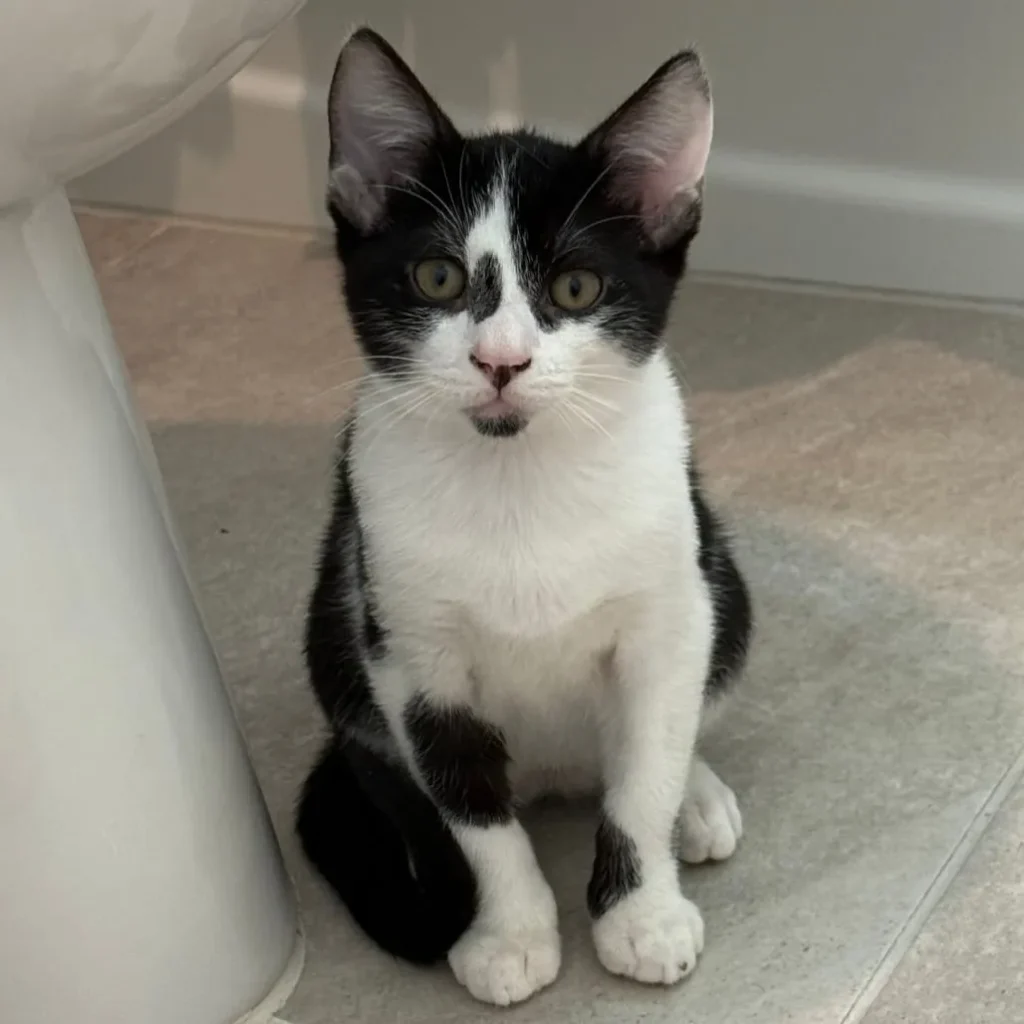
Fostering Cats in Broward County
Can you foster just one cat?
Yes, you can foster one cat.
Some cats do well alone, especially adult cats. Kittens may sometimes be placed in pairs so they can socialize and develop together. The placement depends on the cats’ age, behavior, and care needs.
How quickly can you start fostering?
Some foster placements can begin within a few days, while others may take a couple of weeks.
The timeline depends on current rescue needs, your availability, your setup, and whether there is a suitable placement.
Do you need a separate room to foster?
A separate room or contained space is strongly recommended.
It helps keep the foster cat safe, makes cleaning easier, and allows for separation from resident pets. A bathroom, office, spare room, or quiet enclosed area may work depending on the placement.
What supplies do you need to foster?
Most basic supplies are provided by the rescue.
This usually includes food, litter, basic supplies, and approved veterinary care. You mainly need a safe space, time for daily care, and a willingness to communicate during the placement.
Can you foster in an apartment?
Yes, many people can foster in an apartment.
A foster cat does not need an entire house. What matters most is having a safe, contained space where the cat can eat, rest, use the litter box, and adjust.
Fostering cats in Broward County is temporary, but it still comes with real responsibility. You provide daily care, a safe space, and regular communication while Happy Whiskers coordinates supplies, approved medical care, care instructions, and adoption details.
You do not need prior experience, and you do not have to accept a placement that does not fit your schedule or home. The right foster match depends on your routine, space, and the cat’s needs. If your schedule and home can support a temporary foster placement, the next step is to learn how our foster program works and apply through Happy Whiskers.