
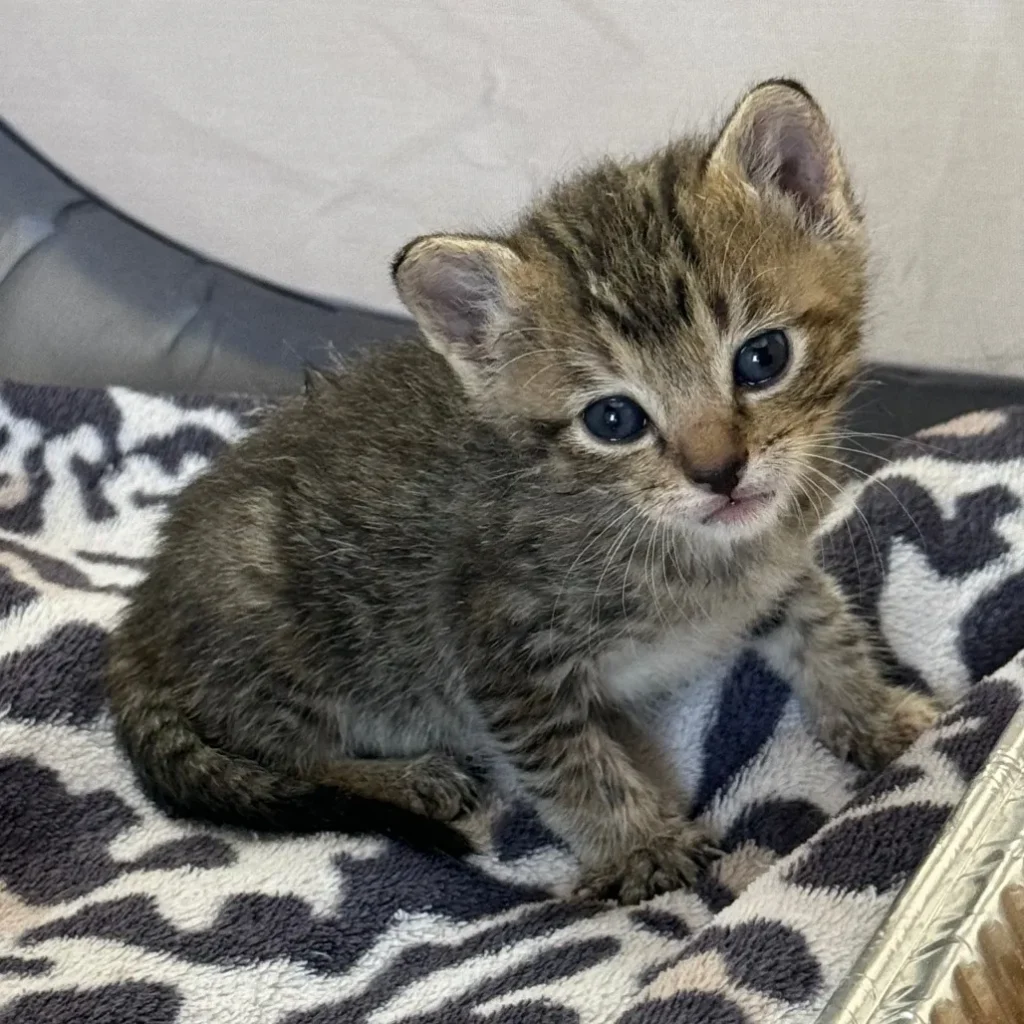
You want to help kittens, but your schedule may not allow weeks or months of care. That does not automatically rule out fostering.
Short-term kitten fostering gives rescues a way to place kittens safely during short gaps in care. In South Florida, those gaps can happen during kitten season, foster home transitions, medical recovery, or sudden intake increases.
The commitment is limited, but the role still matters. A few days or a few weeks of safe care can keep kittens out of crowded intake spaces and give the rescue time to arrange the next step.
Key Takeaways: Is short-term kitten fostering realistic for your schedule?
- Short-term kitten fostering usually lasts a few days to a few weeks.
- The start and end point should be discussed before placement.
- You do not need long-term availability, but you do need reliability during the agreed window.
- Daily care usually includes feeding, cleaning, observation, and simple updates.
- Temporary fostering helps cover gaps between intake, medical care, longer foster placement, and adoption readiness.
What Short-Term Kitten Fostering Means
Short-term kitten fostering is temporary home care for kittens during a defined period of time.
That may mean a weekend, a few days, a week, or several weeks depending on the kitten’s age and situation. Best Friends notes that fostering can range from a night or two to several weeks, depending on the foster’s schedule and the pet’s needs.
For Happy Whiskers, the point is clarity. We want the foster home to know what they are agreeing to before kittens are placed.
Short-term fostering is not an open-ended “we’ll see what happens” commitment. It works best when the timeframe, basic care needs, and next step are discussed up front.
When Short-Term Foster Homes Are Needed
Short-term foster homes are often needed when timing does not line up cleanly.
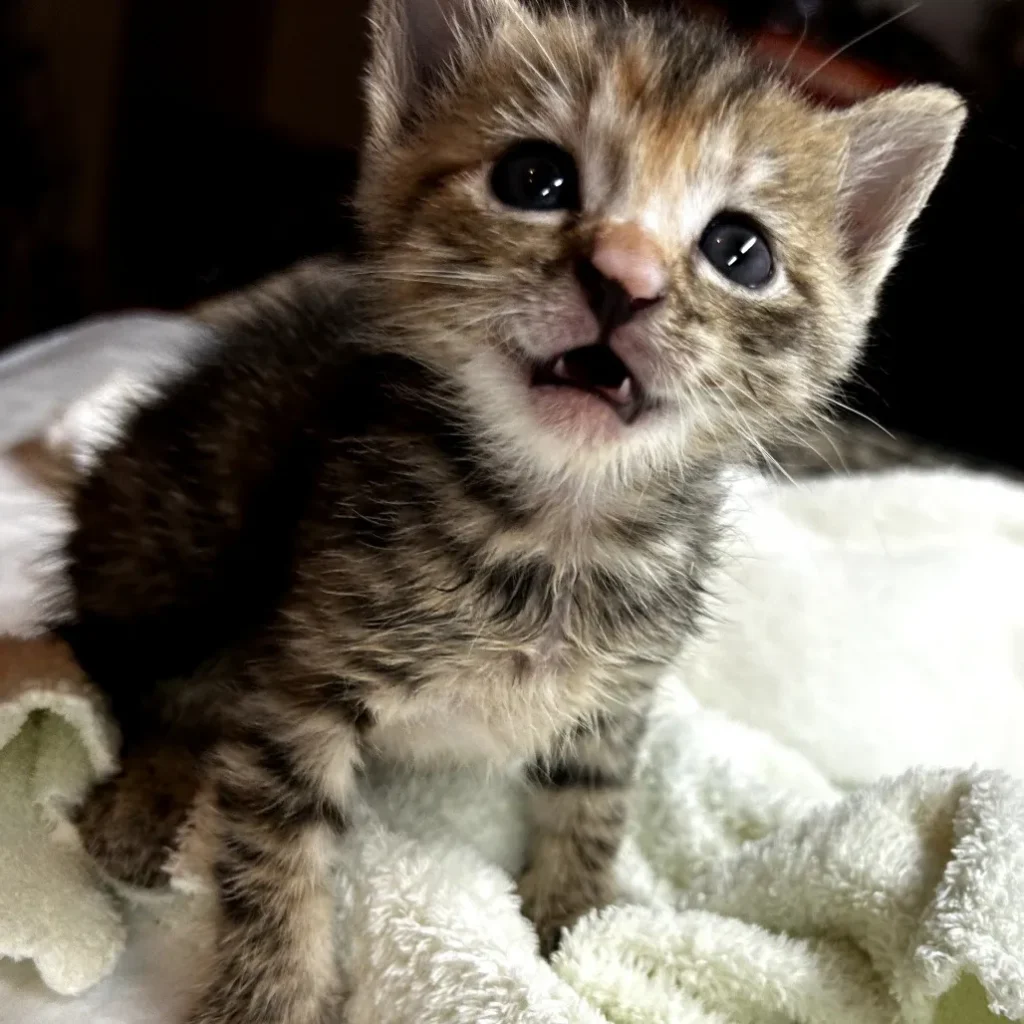
A kitten may be leaving medical care but waiting for a longer foster home. A foster may be traveling and need temporary coverage. A sudden intake request may create an urgent need for safe indoor space. During kitten season, these short gaps can happen quickly.
Common short-term foster situations include:
- A kitten needs a safe place for a few days after intake.
- A litter needs temporary coverage before moving to another foster.
- A foster home needs backup during travel or schedule changes.
- Kittens need monitoring after minor illness or treatment.
- Intake is high and the rescue needs immediate overflow help.
Short-term fostering prevents gaps in care. The kitten still gets food, warmth, cleaning, observation, and human contact while the next placement is arranged.
What the Commitment Actually Looks Like
The daily work depends on the kittens’ age.
Older kittens may need scheduled meals, litter box cleaning, fresh water, safe play, and basic observation. Younger kittens may need more frequent feeding and closer monitoring. Neonatal kittens require a much higher time commitment, so those placements are usually matched more carefully.
The ASPCA notes that kitten foster time varies by age, with average kitten foster periods often lasting between two and eight weeks. Short-term placements may be shorter than that, but age still affects the workload.
A typical short-term foster may be asked to:
- Feed kittens on schedule.
- Keep their space clean and safe.
- Watch appetite, energy, stool, and behavior.
- Send updates if something changes.
- Keep kittens indoors and separated when needed.
- Return or transfer kittens at the agreed time.
You are not expected to make medical decisions alone. If something changes, you contact the rescue so we can decide the next step.
Why Short-Term Fostering Still Helps
Short-term fostering helps because rescue work depends on timing.
A few days can be enough to keep kittens out of a holding space, give them a quiet place to recover, or help a longer-term foster prepare for their arrival. It can also help during busy intake periods when every available home makes scheduling easier.
Maddie’s Fund notes that kitten fosters may help with feeding, cleaning, socializing, bottle feeding, medication, and vet trips depending on the case. Short-term fosters may not do all of those things, but even basic care keeps the process moving.
The value is not measured only by how long you foster. It is measured by whether the kitten has safe, reliable care during a window when the rescue needs help.
Is Short-Term Kitten Fostering Right for You?
Short-term fostering may be a good fit if you want to help but cannot commit long-term.
It works best if you can provide daily care for the full agreed period, keep kittens safely indoors, follow care instructions, and communicate if something changes.
It may not be the right fit during weeks when your schedule is unpredictable, you are traveling, or you cannot check on the kittens consistently. Temporary does not mean casual. The commitment is shorter, but kittens still need steady care while they are with you.
A good way to decide is simple: can you reliably care for kittens for the exact window you are offering? If yes, short-term fostering may be a practical way to help.

Short-term kitten fostering is possible, useful, and often needed.
You do not have to commit for months to help kittens in South Florida. A short placement can cover a transition between intake, medical care, another foster home, or adoption preparation.
What matters most is being clear about your availability and following through during the agreed timeframe. If you can offer a safe indoor space, daily care, and simple updates, temporary fostering may be a good fit.To learn what fostering looks like with us, you can learn how our foster program works.