

Yes, you can say no to a foster case that does not fit your home, schedule, experience level, or comfort level.
That is one of the most important things to understand before applying. Fostering should not feel like agreeing to every kitten, every medical situation, or every urgent request that comes up.
For Happy Whiskers, a strong foster match is based on honest availability and clear expectations. The goal is not to pressure someone into saying yes. The goal is to place kittens in homes that can safely care for them.
Key Takeaways: Can you refuse foster kittens?
- You can decline a foster placement before confirming it.
- Saying no is appropriate when the case does not fit your time, space, experience, or household.
- Asking questions before deciding is encouraged.
- A declined case is offered to another foster home.
- Saying no does not mean you are removed from future foster opportunities.
- Good foster matching depends on clear boundaries, not saying yes to everything.
Foster Homes Are Partners, Not Placement Requirements
Foster homes are not expected to accept every case.
A foster placement works best when the rescue and the foster home both agree that the match is reasonable. That means the kitten’s age, care needs, medical situation, behavior, and expected timeline should fit what the foster can actually handle.
Best Friends’ cat foster care manual says its foster coordinator works with caregivers to select a cat that fits their requirements, lifestyle, and schedule, and asks fosters to speak up before taking an animal home if they are not comfortable with something about the placement.
That principle matters. A foster who is comfortable with healthy, weaned kittens may not be the right match for bottle babies. A foster with resident pets may need kittens who can stay fully separated. A foster with work travel may need short-term cases only.
Boundaries help make fostering more sustainable.
When It Is Completely Okay to Say No
It is okay to say no when the case does not match what you can safely and consistently provide.
That may include situations where the kitten needs more frequent feeding than your schedule allows, has medical needs beyond your comfort level, requires more separation space than your home has, or would create too much stress for resident pets.
It is also okay to pause between placements. Some fosters need time after a difficult case, a busy work season, travel, or family changes.
Saying no is not the same as being unavailable forever. It usually means “not this case” or “not right now.”
A good foster fit is not based on how much you are willing to take on. It is based on whether you can follow through on the care the kitten actually needs.

How Saying “No” Works
Before a placement begins, the rescue should share the basic details: age, number of kittens, care needs, expected timeline, supplies, medical instructions, and any known behavior concerns.
You can ask questions before deciding. For example:
- How often do they need to eat?
- Are they on medication?
- Do they need to be separated from my pets?
- How long is the expected placement?
- What happens if my schedule changes?
After that, you can say yes or no.
A simple decline is enough: “I don’t think this placement fits my schedule right now.” You do not need to over-explain.
Until you confirm the placement, there is no commitment. The case can be offered to another foster home.
What Happens After You Say No
When you decline a case, the foster coordinator moves to the next option.
The kitten is not treated as “rejected.” The placement is simply rerouted to a home that better matches the need. That is normal in foster coordination.
Broward County Animal Care notes that foster pets may require different timelines and clinic checkups depending on the care needed, and that supplies and basic medical care are provided as approved by the county veterinarian. This shows why matching matters: not every home is set up for every timeline or care level.
For Happy Whiskers, saying no to one case does not mean you cannot foster later. It may help us understand what kind of placement fits you better next time.
Some fosters are best for short-term kitten coverage. Some are better for older kittens. Some are better for single cats. Some can help during kitten season but not year-round.
That information makes future matching easier.
When It May Help to Ask Questions Before Declining
Sometimes a case sounds harder than it really is.
For example, “medication” may sound intimidating, but it might mean giving a simple oral dose once a day. “Shy kitten” may sound like a behavior problem, but it may only mean the kitten needs a quiet room and time. “Short-term emergency placement” may sound open-ended, but it may only mean a few days.
You are always allowed to decline. But asking questions first can help you decide from facts instead of fear.
A good question is: “What would this actually look like day to day?”
If the answer still feels like too much, saying no is the right choice. If the details sound manageable, you may feel more confident accepting.
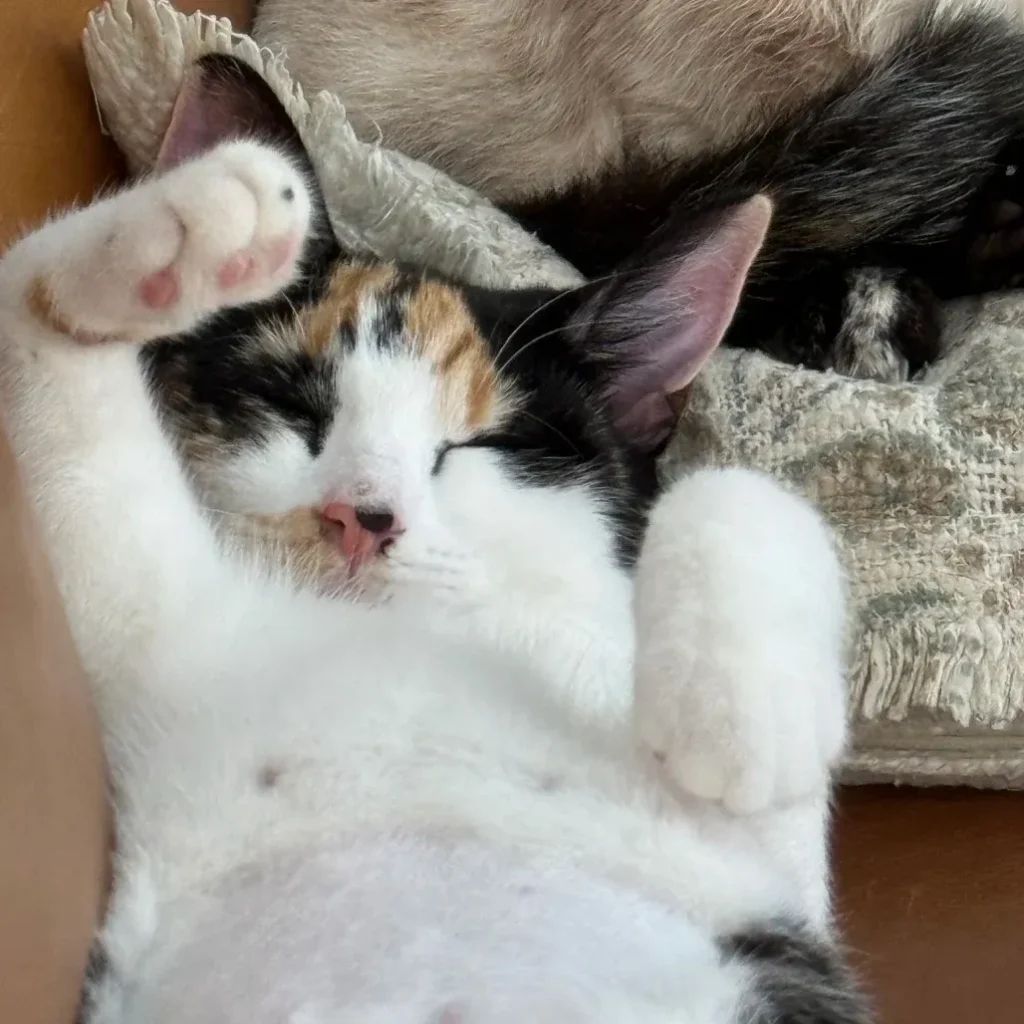
You can say no to foster cases that do not fit your home, schedule, experience, or comfort level.
That boundary is part of responsible fostering. It helps prevent mismatched placements, reduces stress, and gives kittens a better chance of being placed in homes that can meet their needs.
Fostering works best when you are honest about what you can handle. You do not need to accept every situation to be helpful.If you are in South Florida and want to understand what fostering looks like before applying, you can learn how our foster program works.