
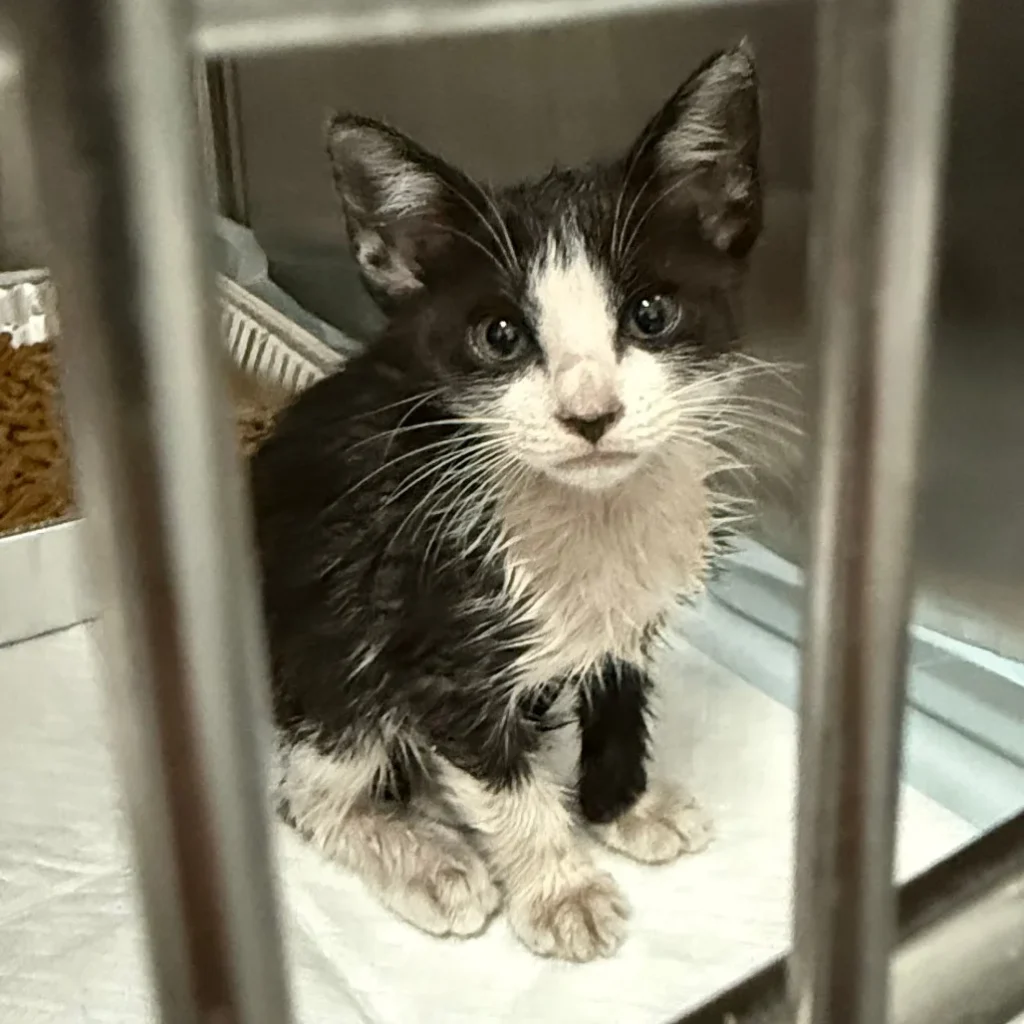
A car ride may feel routine to us. For a rescue cat, it can mean a carrier, unfamiliar handling, road noise, movement, and new smells all at once.
That is especially relevant when a cat has already been moved from an outdoor location, veterinary appointment, or previous placement.
Local foster homes help us keep some of those trips shorter and avoid unnecessary transfers. In Broward County, having foster homes near the areas where we rescue and coordinate care gives cats a more direct route to a quiet place where they can settle.
Key Takeaways: How Do Local Foster Homes Reduce Transportation Stress for Cats?
- Shorter transport routes can reduce the amount of time a cat spends in a carrier and vehicle.
- Fewer handoffs mean fewer changes in people, locations, and handling during a transfer.
- A nearby foster home can give a cat direct access to food, water, litter, and a quiet place after transport.
- Local foster placement makes veterinary appointments and supply coordination easier to plan.
- Kittens, shy cats, seniors, and cats returning from veterinary care may be especially sensitive to repeated changes.
Why Transportation Can Be Stressful for Cats
Cats rely heavily on familiar surroundings, smells, and routines. Transportation changes all of those at once.
During a car ride, a cat may hear traffic, feel the vehicle turning and stopping, smell unfamiliar people or animals, and remain confined in a carrier. Some cats vocalize. Others stay completely still.
The effects may continue after arrival. A cat may hide, wait until the room is quiet to eat, or remain in the carrier before choosing to come out.
We do not assume every cat reacts to transport the same way. Some begin exploring quickly. Others need more time before we can get a clear picture of their normal appetite, litter box habits, and behavior.
Reducing unnecessary travel gives the cat one less change to process.
Our guide tofostering cats in Broward County explains how local foster homes fit into a foster-based rescue model.
Local Foster Homes Can Shorten the Route to a Quiet Space
The practical benefit of a nearby foster home is simple: the cat may spend less time in transit.
A cat leaving an approved veterinary appointment in Broward County may be able to travel directly to a foster home instead of waiting for a longer transport route or another temporary location.
That direct handoff also limits the number of environments the cat enters.
Every transfer can involve another person, vehicle, set of smells, and round of handling. When we can move a cat directly into the foster home where they will stay, the setup becomes much simpler.
Once there, the cat can have access to food, water, litter, and an appropriate hiding place without another planned move that day.
A Quiet Foster Space Helps Us Observe the Cat After Transport
After a cat arrives, the first day can tell us a lot—but only if we account for the stress of the move.
A cat may initially hide or eat only when no one is in the room. A kitten may sleep after a long appointment and car ride. Those early behaviors need context.
A quiet foster space gives the cat time to settle while the foster watches practical details: Is the cat eating? Drinking? Using the litter box? Does the cat become more active once the room is quiet?
Those updates help us understand what changes as the cat settles.
If the cat continues refusing food or the foster notices a concerning change, we also have clearer information to work with when deciding what needs attention.
The foster is not expected to diagnose the cat. We ask them to observe and communicate what they see.
Local Placement Can Reduce Extra Handoffs
In a foster-based rescue, transportation involves coordination between people.
A cat may need to leave a foster home for veterinary care and return afterward. A new intake may need a driver before reaching the foster who will care for them. Carriers, appointment information, and pickup times all have to be coordinated.
The farther apart those steps are, the more complicated the transport plan can become.
South Florida traffic also matters. A route that looks short on a map can become a long trip depending on the time of day.
Having foster homes in or near Broward County gives us more options when arranging a placement. A nearby foster may be able to receive a cat directly after an appointment or meet a transport volunteer without adding another long leg to the trip.
For the cat, that can mean fewer hours in a carrier and fewer transfers between people.
Kittens and Sensitive Cats May Have Less Tolerance for Repeated Changes
Some cats handle travel better than others.
Young kittens may already be dealing with feeding schedules, weight monitoring, or recent veterinary care. Shy cats can need time before they are comfortable with unfamiliar people. Senior cats and cats recovering from a procedure may also benefit from avoiding unnecessary movement.
For these cats, our goal is to keep the transport plan as straightforward as the situation allows.
That does not mean a local foster needs medical experience.
Many placements need a quiet room, basic daily care, observation, and communication with us. At Happy Whiskers Animal Coalition, we provide foster families with supplies, approved medical care, training, and ongoing help.
A foster’s job is to care for the cat and tell us what they are seeing. We coordinate the broader rescue plan.
Why Broward County Foster Homes Matter to Our Rescue
Happy Whiskers is foster-based. Our cats are cared for in homes rather than one central shelter.
That means geography affects our daily work.
A foster home in Coral Springs, Parkland, Fort Lauderdale, or another nearby community may be closer to a transport volunteer, supply pickup, or veterinary appointment. We can use that location when planning where a cat should go and how they will get there.
Local foster homes do not eliminate transportation. Cats still need approved veterinary care and may attend adoption events.
They give us more placement options and can help us avoid extra travel that does not serve a specific care need.
Thinking About Fostering in South Florida?
If you live in Broward County or nearby, your location may be useful even if you have never fostered before.
Depending on the cat, a bathroom, spare room, or appropriate crate setup may provide enough space. Our minimum foster commitment is two weeks, and we provide food, supplies, approved medical care, training, and ongoing support.
We do ask fosters to help with transportation for medical care when needed. Having foster homes within our service area makes those appointments and handoffs easier to coordinate.
If you are considering opening your home temporarily, you can learn how our foster program works.