
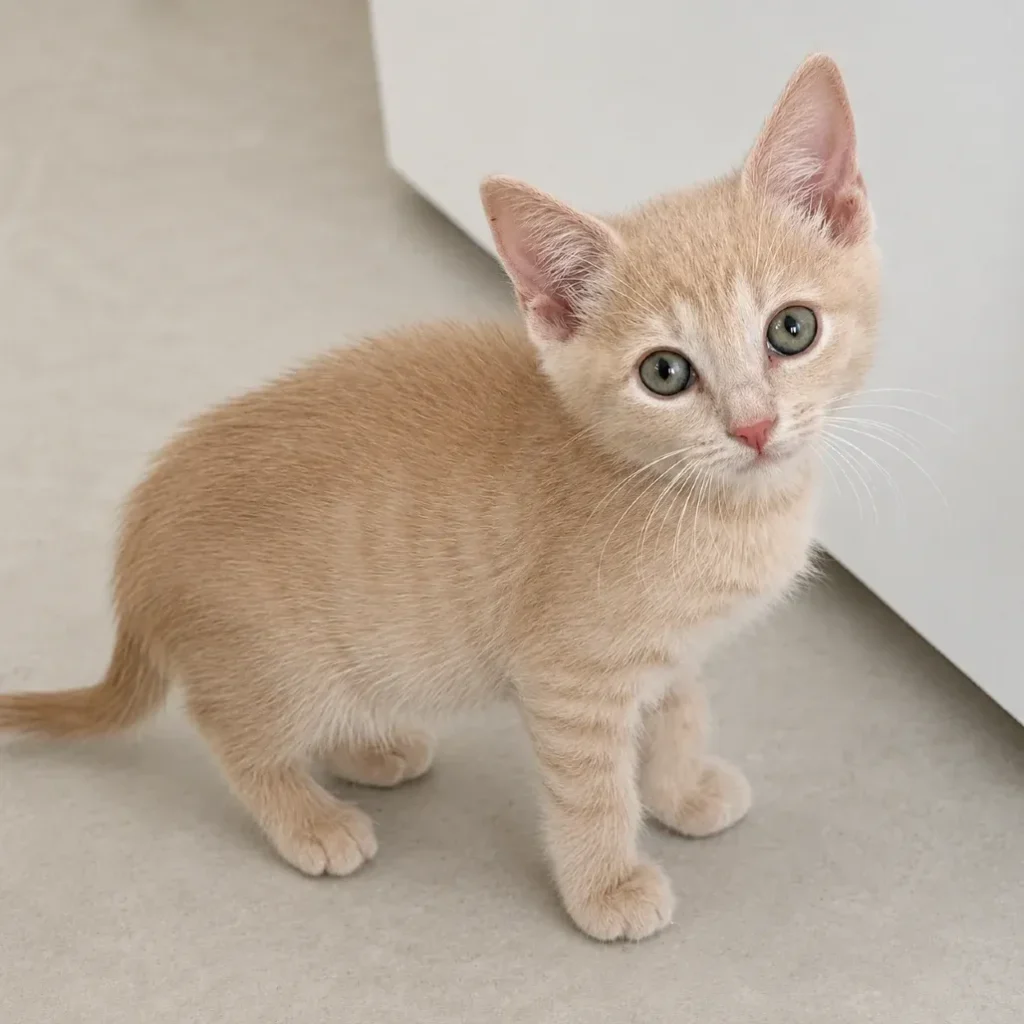
In South Florida, many cat rescues rely on foster homes instead of traditional shelter space.
That changes how adoption works.
A foster home is not just a place where a cat waits. It is where the cat can settle, recover, build routine, and show more of their real personality before adoption.
For adopters, foster homes provide better insight into what a cat is like day to day. For people considering fostering, they show how one temporary placement can directly support the adoption process.
Key Takeaways: How do foster homes fit into adoption?
- Foster homes provide temporary care between intake and adoption.
- Cats often become easier to understand once they settle into a home.
- Foster caregivers help observe behavior, routines, and personality.
- The rescue guides adoption decisions, so fosters are not responsible for placing cats alone.
- Foster homes help create space for more cats to enter care.
- The role is usually about consistency, observation, and communication.
Foster Homes Provide Temporary Care Before Adoption
Foster homes give cats a safe place to stay before they are adopted.
The ASPCA describes fostering as temporarily caring for a shelter animal in a home while the animal waits for adoption, recovers, decompresses, or needs time to grow and develop.
That temporary period matters because many cats are not ready for adoption the moment they enter rescue care. Some need time to settle after a stressful move. Some need basic vetting, monitoring, or a quieter space before they can be accurately assessed.
In a foster home, daily care is more personal. The cat has a regular feeding routine, a cleaner read on behavior, and fewer stressors than a busy intake setting.
This makes fostering a defined step in the adoption process, not an open-ended responsibility.
Foster Homes Prepare Cats to Be Adoption-Ready
Foster homes help cats become healthier, calmer, and easier to place.
That preparation usually happens through simple daily care: feeding, cleaning, observing appetite, tracking litter box habits, and noticing behavior changes. For kittens, it may also include helping them grow until they are old enough for adoption.
Best Friends explains that fostering can last a night or two or several weeks, depending on the pet’s needs and the foster’s lifestyle, and that foster programs may provide food, supplies, support, and veterinary care.
For Happy Whiskers, this means foster caregivers are not expected to figure everything out alone. The foster’s role is to follow care instructions, communicate concerns early, and provide a stable space while the cat moves toward adoption readiness.
That steady care helps the rescue understand when the cat is ready for the next step.
Foster Homes Help Match Cats With the Right Adopters
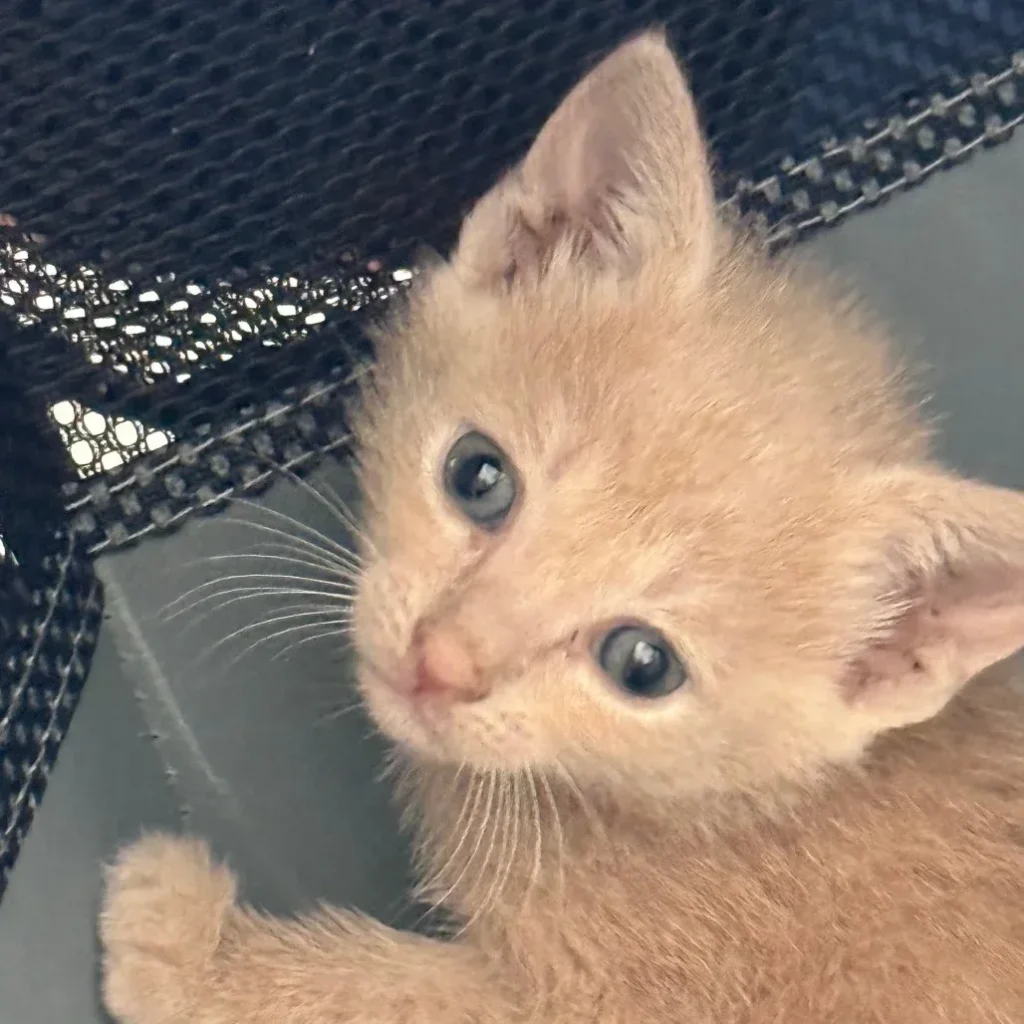
Foster homes give the rescue real-life information that a short profile cannot always capture.
A cat may behave one way during intake and another way once they have settled into a home. Foster caregivers can observe the details that matter to adopters, such as:
- energy level
- comfort with handling
- reaction to household sounds
- litter box habits
- appetite and routine
- interest in people or other pets
- whether the cat prefers quiet spaces
This information helps set clearer expectations before adoption.
A foster home may reveal that a cat is playful once comfortable, nervous around loud activity, gentle with handling, or better suited to a quieter household. Those details help us make better recommendations and reduce guesswork for adopters.
Foster Homes Improve Adoption Decisions
Foster homes improve adoption decisions by giving adopters a more accurate picture of the cat.
Good adoption matching is not just about moving a cat quickly. It is about helping the cat land in a home that fits their needs.
Humane Society of Broward County explains that adult foster families provide temporary homes for select pets and help maximize their availability and exposure.
That same idea applies to foster-based rescue work. Photos, updates, and behavior notes from a home setting help adopters understand the cat more clearly.
When adopters know what to expect, they can make a calmer decision. They are less likely to be surprised by normal behaviors like hiding at first, needing a quiet room, or taking time to warm up.
Foster Homes Create Space for More Cats
Foster homes also affect how many cats a rescue can help.
Each open foster home creates room for another cat to leave an unsafe, crowded, or uncertain situation. Without foster space, intake often has to slow down or pause.
This is especially important in Broward County and across South Florida, where kitten season, owner surrenders, and community cat situations can create sudden need.
One foster placement may seem small, but it connects to the larger adoption process. A cat moves into foster care, becomes ready for adoption, moves into a permanent home, and then that foster space can eventually help another cat.
That cycle is one reason foster homes are so important to rescue operations.
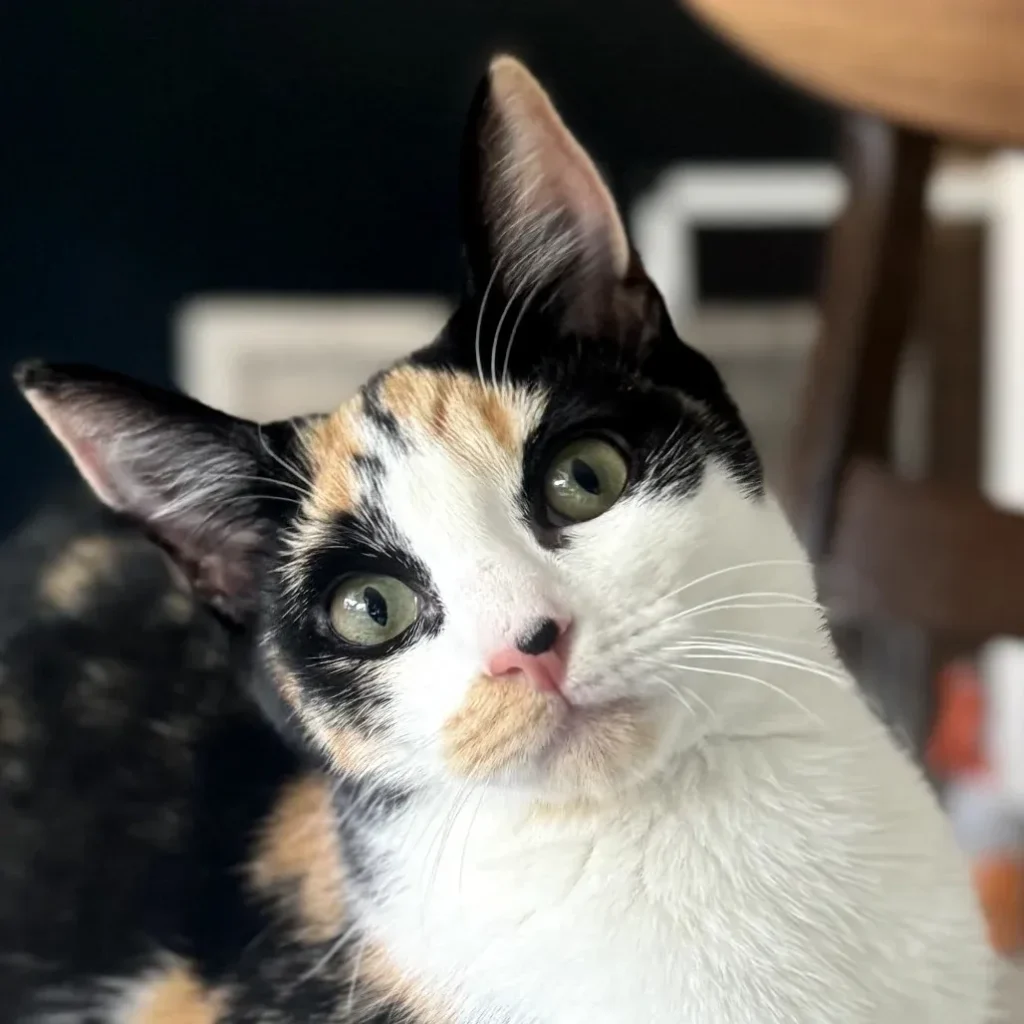
Foster homes play a direct role in the adoption process.
They give cats temporary care, help them become adoption-ready, provide useful behavior insight, and help adopters make better decisions. They also create space for the next cat that needs help.
For someone considering fostering, the role is defined and practical. You are not expected to manage the entire adoption process. You are providing care during one important stage.
If you are in South Florida and want to understand how fostering works with Happy Whiskers, you can learn how our foster program works.