
People often assume a good cat foster already has rescue experience, a large home, and plenty of free time.
That is not what we look for.
At Happy Whiskers Animal Coalition, we need foster families who can provide a safe temporary space, pay attention to the cat in their care, communicate with us, and follow through on the placement they agreed to take.
You can learn care routines. We can explain what to watch for. The qualities that matter most are patience, observation, honesty, and reliability.
If you are wondering whether you would be a good cat foster, here is what that looks like in practice.
Key Takeaways: Could You Be a Compassionate Cat Foster?
- You do not need previous rescue experience to foster.
- A bathroom, spare room, or appropriate crate setup may provide enough space for some cats.
- Good fosters tell us when appetite, litter box habits, energy, or behavior changes.
- Patience matters because a cat’s first few days may not show their normal personality.
- Getting attached does not mean you failed at fostering.
- Reliability means following the care plan, communicating, and being honest about your availability.
A Compassionate Cat Foster Provides a Safe Space
Your foster room does not need to look impressive.
Depending on the placement, a bathroom, spare bedroom, or appropriate crate setup may be enough. We need a space where the cat can be safely contained and where the foster can monitor food, water, litter box use, and behavior.
That separation can be especially useful during the first days.
A newly placed cat may hide, eat only when the room is quiet, or avoid interaction. Keeping the cat in a manageable space makes it easier to see whether they are eating and using the litter box instead of searching an entire house for them.
We match cats with foster homes based partly on the foster’s setup. Someone with a bathroom available may be appropriate for one placement but not another.
You do not need to redesign your home before applying.
Our guide to fostering cats in Broward County explains more about what local foster care involves and how temporary homes fit into our rescue.
Patience Matters When a Cat Is Still Adjusting
The cat you meet on the first night may behave very differently a week later.
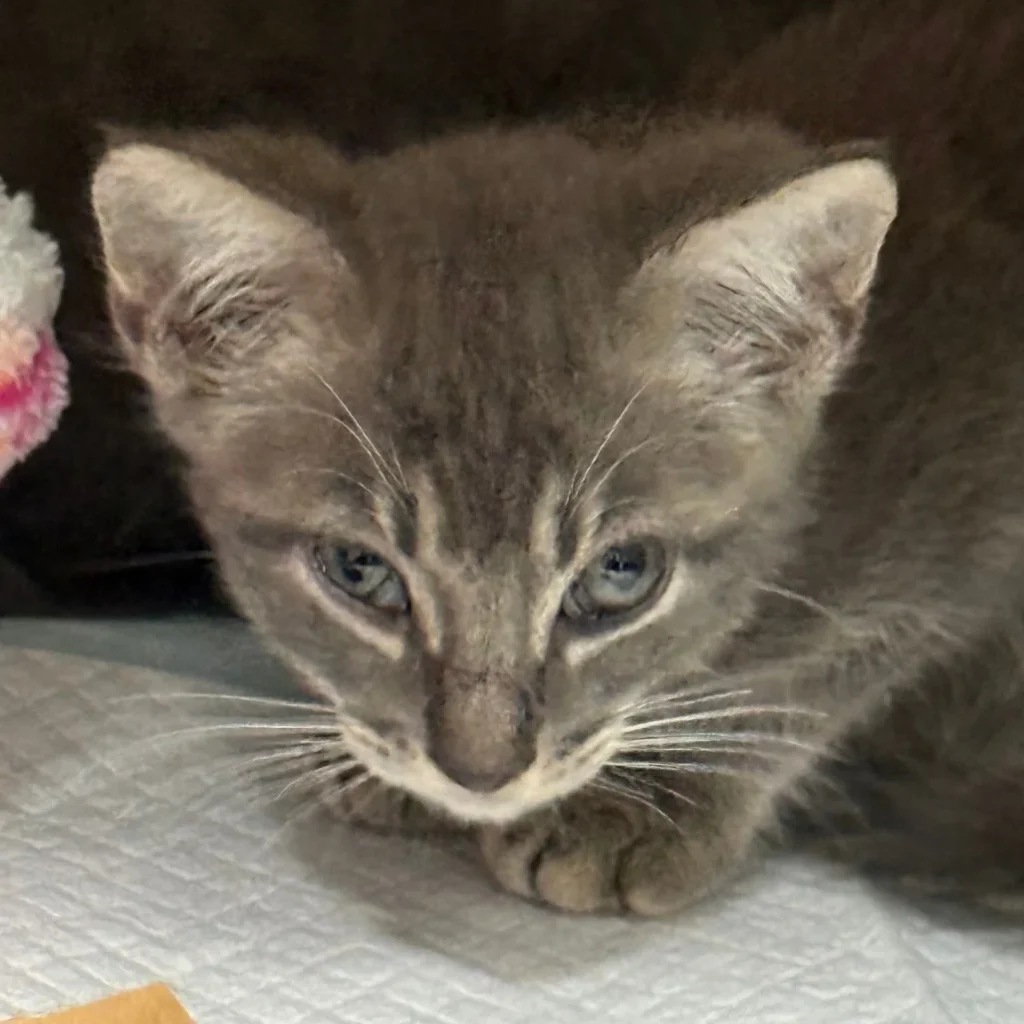
A kitten may hide behind the toilet. An adult cat may stay in a carrier after the door is opened. Some cats wait until the house is quiet before eating.
A patient foster does not immediately decide that the cat is unfriendly or that the placement is going badly.
We look at changes over time.
Is the cat eating? Are they using the litter box? Do they stay visible a little longer each day? Have they started watching a toy or approaching when food arrives?
We ask fosters to observe those changes and tell us what they see.
Previous rescue experience can be useful, but a first-time foster who follows instructions and gives a nervous cat time may be a better fit than someone who expects every cat to become social immediately.
Good Fosters Tell Us What Is Actually Happening
We cannot see the cat every day when they are living in your home.
Your updates matter.
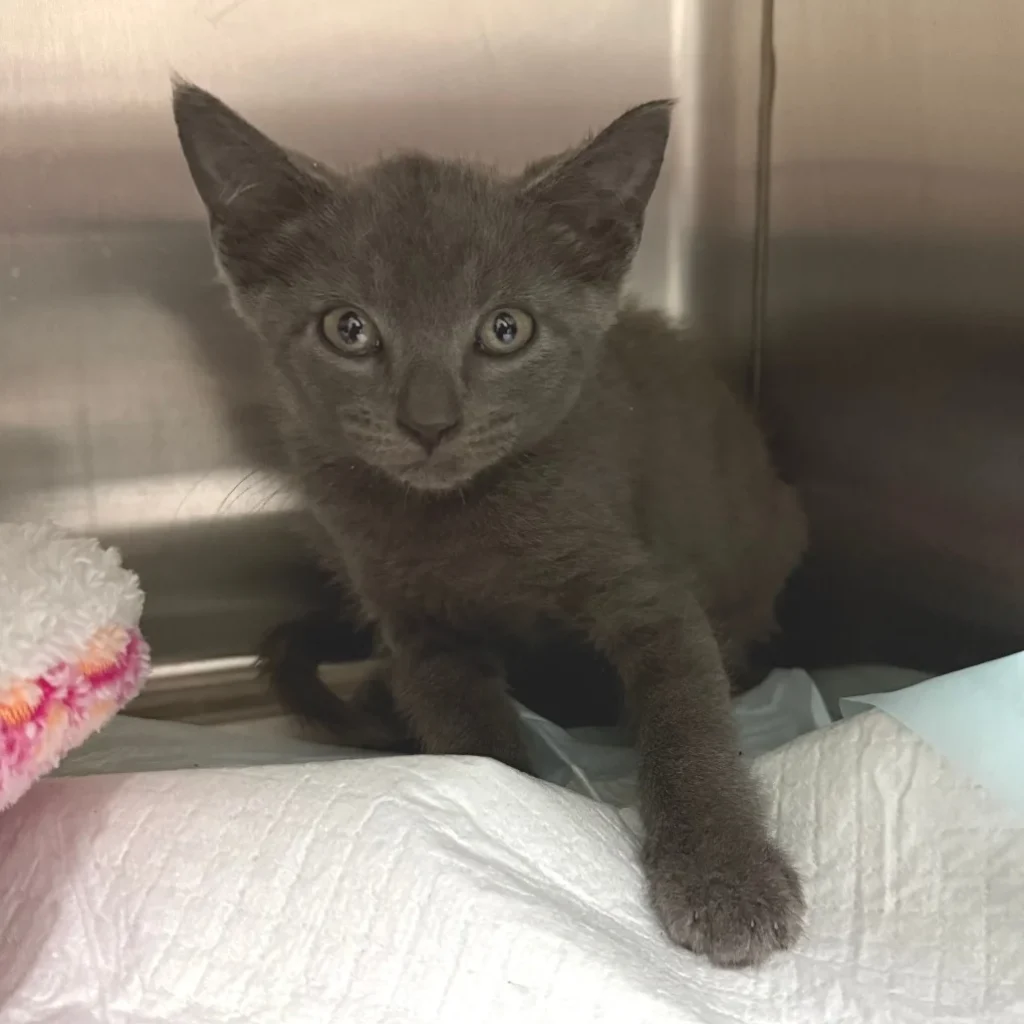
If a kitten normally runs to the food bowl and suddenly stops eating, tell us. If an adult cat begins having litter box problems, send an update. If you are unsure whether a behavior is normal, ask rather than waiting several days because you are worried about bothering us.
We also need ordinary updates.
Photos and personality notes help us prepare adoption information. A foster may notice that a cat prefers wand toys, sleeps near people but dislikes being picked up, or becomes more active once the room is quiet.
Those details come from living with the cat.
At Happy Whiskers, we provide food, supplies, approved medical care, training, and ongoing help. We ask the foster to handle daily care, observe the cat, and communicate with us so we can coordinate the broader care plan.
A Good Foster Understands That the Placement Is Temporary
Getting attached to a foster cat is common.
You feed them every day. You may be the person they first approach after hiding for a week. You learn which toy they chase and where they sleep.
We do not expect fosters to avoid bonding with the cats in their care.
We do need fosters to understand that adoption is the planned outcome.
When a cat moves into an adoptive home, that foster space can eventually become available for another appropriate placement. For a foster-based rescue with limited homes, available space directly affects which cats we can place.
Some fosters decide to adopt a cat they foster. That can happen. But becoming attached does not automatically mean the foster placement should become permanent.
Part of fostering is helping us learn about the cat and prepare them to move into a home that fits their needs.
Reliability Shows Up in Ordinary Rescue Tasks
Reliability is less about having an open schedule and more about following through on the placement.
That can mean:
- giving food or approved medication as instructed
- responding when we ask for an update
- telling us early about a health or behavior concern
- providing photos and notes for the cat’s profile
- helping with transportation for approved medical care
- updating your blackout dates or availability
We use foster availability when coordinating placements, veterinary appointments, and other handoffs.
If you have travel coming up or your schedule changes, tell us. We would rather know early and plan around it than find out when a cat already needs transport or temporary coverage.
A foster who communicates clearly is easier for us to support and coordinate with.
Thinking About Fostering in South Florida?
Ask yourself a few practical questions.
Do you have a safe indoor area where a cat can stay? Can you handle daily feeding and litter box care? Are you willing to watch for changes and send us updates? Can you help with transportation for medical care when needed?
If the answer is yes, a lack of rescue experience should not automatically stop you from applying.
Our minimum foster commitment is two weeks. We provide food, supplies, approved medical care, training, and ongoing help. We also match placements based on your availability, experience, and home setup.
You do not have to begin with bottle babies, a medical case, or a difficult socialization placement.
If you are considering opening your home temporarily, you can learn how our foster program works.