

You may want to help kittens, but still wonder what fostering would actually add to your life.
That is a fair question. Fostering sounds good in theory, but most people also think about time, responsibility, cost, and whether it fits into a normal home routine.
The benefits are not only emotional. Fostering can give you structure, hands-on pet care experience, a clearer sense of your own capacity, and a direct way to support cats in your local community.
Here are seven benefits people do not always expect before they start.
Key Takeaways: Are the benefits of fostering kittens realistic?
- Fostering is temporary, so it does not require the same commitment as adoption.
- Daily routines are usually simple: feeding, cleaning, observation, and updates.
- Most first-time fosters learn through repeatable tasks, not advanced training.
- Supplies and veterinary care are often coordinated through the rescue.
- Fostering can help you understand whether long-term pet ownership is right for you.
- Each placement is separate, so you can continue, pause, or stop based on your schedule.
1. It Adds a Simple Routine to Your Day
Foster kittens bring structure into the home.
There are meals to give, litter areas to check, bedding to clean, and short updates to send. For many people, that rhythm feels grounding because the tasks are clear and repeated each day.
It is not a dramatic lifestyle change. It is usually a series of small care moments built into your normal routine.
A kitten may play nearby while you work, nap in a quiet room, or slowly become more comfortable in your home. That temporary companionship can feel rewarding without requiring a lifelong commitment.
2. It Lets You Experience Pet Care Without Adopting
Fostering gives you a real view of pet care before making any permanent decision.
Best Friends explains that fostering can be as short as a night or two or last several weeks, depending on the pet’s needs and the foster’s lifestyle and schedule.
That time boundary matters. You can learn what daily kitten care feels like without deciding that you are ready to adopt.
For some people, fostering confirms they want a cat someday. For others, it shows that temporary care is the better fit. Either outcome is useful because it is based on real experience, not guessing.
3. It Builds Practical Cat Care Skills
Fostering teaches you how to care for kittens in a hands-on way.
You may learn how to follow feeding instructions, set up a safe space, clean efficiently, monitor appetite, recognize behavior changes, and help kittens get used to people.
Most of this learning happens through repetition. The first few days may feel unfamiliar, but feeding, cleaning, and observation usually become easier once the routine is clear.
You do not need to know everything before starting. A good first placement should match your comfort level and give you room to learn without being overwhelmed.
4. You See Progress Up Close
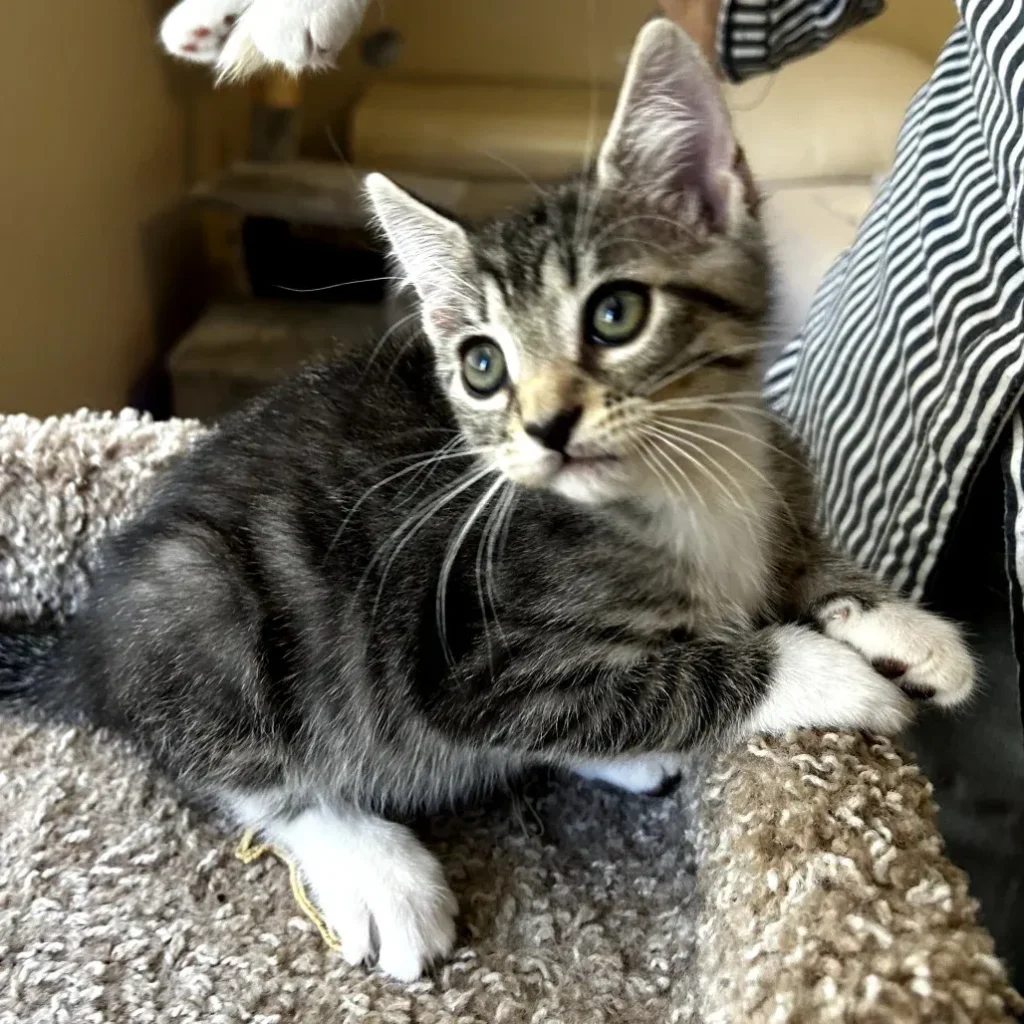
One of the best parts of fostering is watching a kitten change.
A kitten that hides at first may start exploring. A quiet kitten may begin playing. A nervous kitten may start eating near you or resting in the open.
These changes are not always dramatic in the moment, but they become clear over days and weeks.
That progress makes the work feel concrete. You can see how daily care, clean space, regular meals, and calm interaction help the kitten become more comfortable and adoption-ready.
5. You Become Part of a Local Rescue Effort
Fostering is not an isolated role. It is part of a larger system.
In South Florida, foster homes help create space when cats and kittens need temporary care. That may include kittens waiting to grow, cats recovering after treatment, or animals that need a quieter home setting before adoption.
Humane Society of Broward County explains that foster families provide temporary homes and that food and supplies needed to care for the pet are provided.
For Happy Whiskers, each foster home helps keep cats moving from intake to care, and from care to adoption. One home may only take one litter, but that still opens space and time for the rescue to help the next case.
6. It Can Be Financially Accessible
A common concern is cost.
Many people assume fostering works like owning a pet, where the caregiver handles all food, supplies, and medical expenses. Foster care is usually different.
Best Friends notes that it can provide food, supplies, support, and veterinary care for foster pets.
That structure matters because it keeps the foster’s role focused on daily care, not unexpected bills. You provide the safe indoor space, routine, attention, and communication. The rescue helps coordinate the rest.
7. It Helps You Decide What Kind of Involvement Fits
Fostering can clarify what you want to do next.
Some people foster once and realize they prefer occasional support. Some continue fostering during kitten season. Some move into transport, event help, or supply support. Some eventually adopt.
None of those paths is wrong.
The benefit is clarity. After one placement, you usually understand your schedule, emotional comfort level, home setup, and interest much better than before.
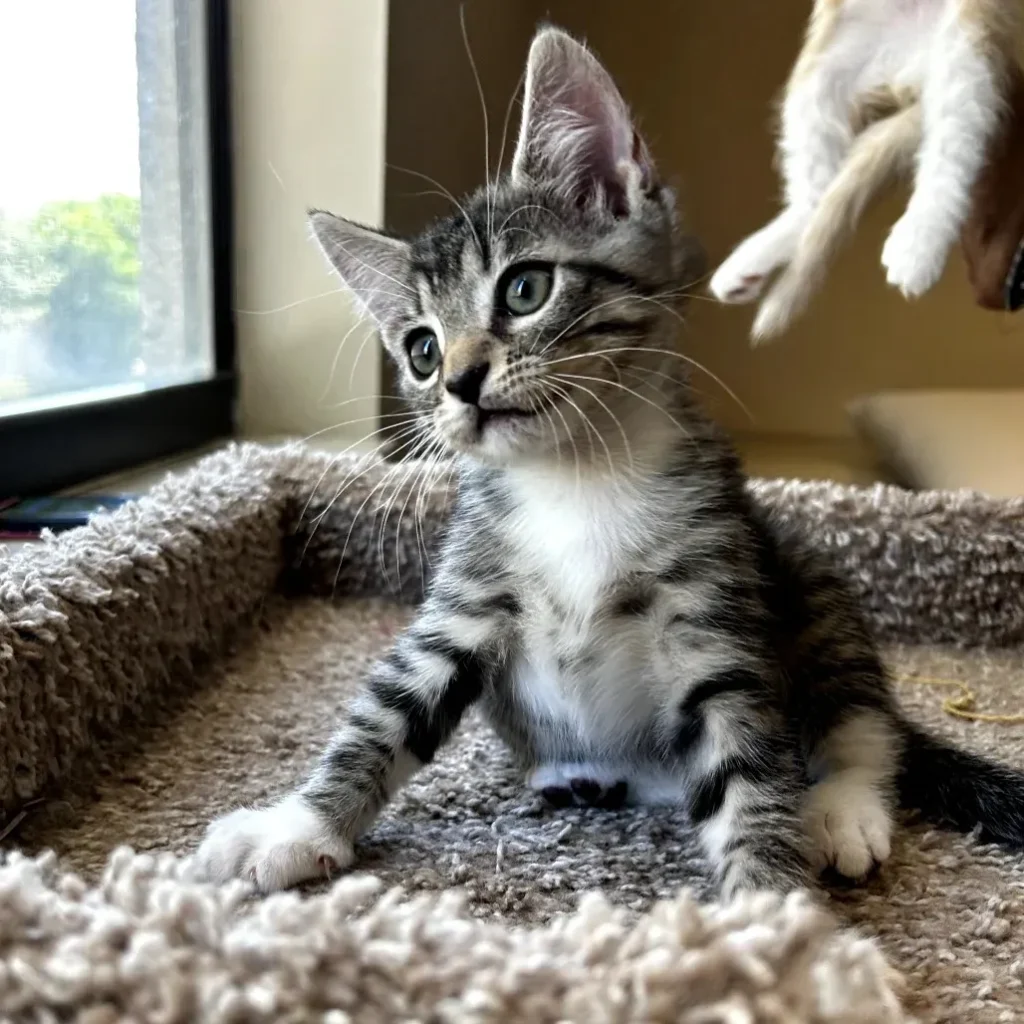
Fostering replaces uncertainty with real experience.
Fostering kittens helps cats, but it can also help you understand your own capacity for care.
It adds structure, builds practical skills, gives you a direct view of kitten progress, and connects you to local rescue work in a manageable way. It does not have to become a permanent commitment, and each placement can be considered separately.
If you are in South Florida and want to understand what fostering would look like in your home, you can learn how our foster program works.