

Caring for a sick or injured foster kitten can sound intimidating at first. Many people worry they will need medical experience, make treatment decisions, or know exactly what every symptom means.
That is not how foster care is supposed to work.
In most cases, foster caregivers provide daily care, watch for changes, follow instructions, and report concerns. The rescue coordinates medical decisions, approved treatment, and vet care when needed.
For people in South Florida who are thinking about fostering, the question is usually not whether they care enough. It is whether they will have support if something goes wrong.
Key Takeaways: Is caring for sick foster kittens manageable?
- Most sick foster kittens have common, treatable issues.
- Foster caregivers are responsible for observation, basic care, and communication.
- Medical decisions are handled through the rescue and veterinary partners.
- Reporting changes early is more useful than trying to diagnose symptoms.
- Recovery usually happens through steady care, medication when prescribed, and a calm home environment.
Why Sick Kittens Often Enter Foster Care
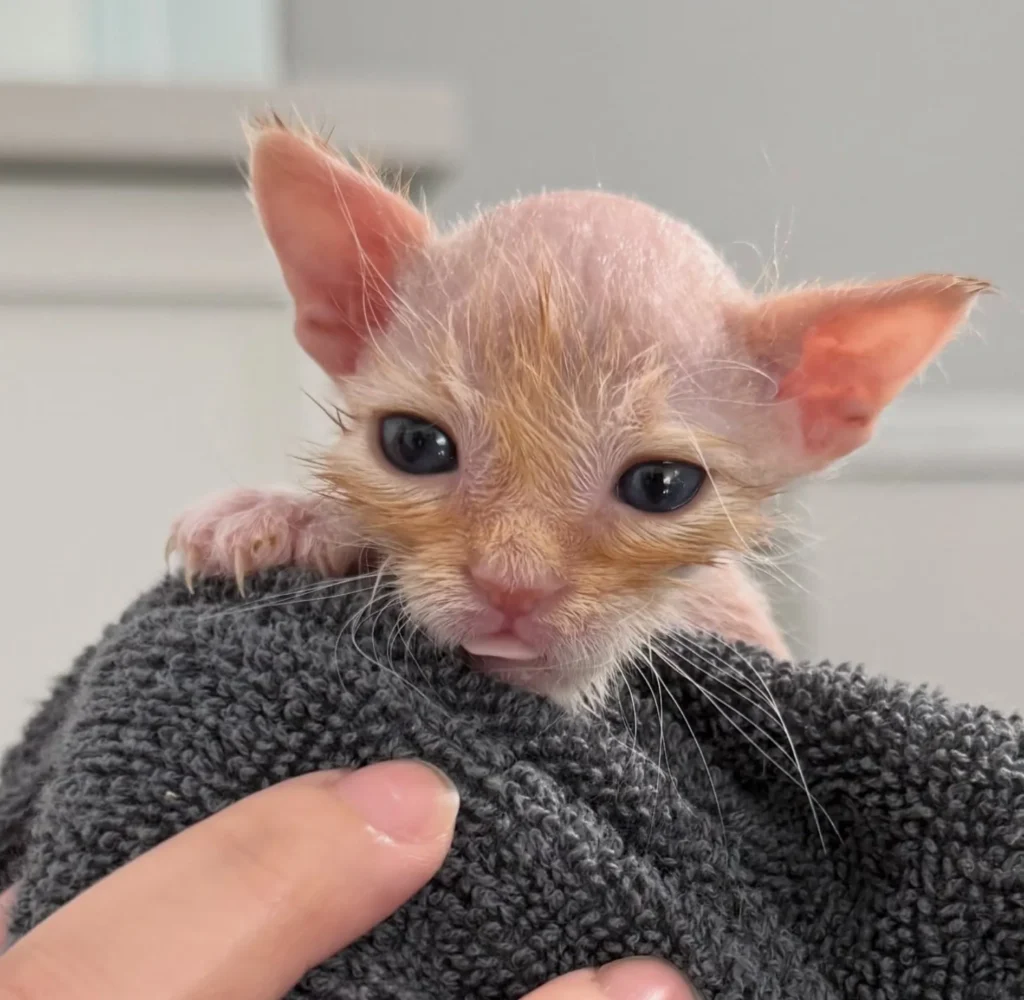
Sick or injured kittens may enter foster care because they need a quiet, stable place to recover.
Many kittens coming into rescue have common issues such as upper respiratory symptoms, fleas, parasites, low weight, eye discharge, mild dehydration, or stress from being outdoors or moved between environments. The ASPCApro feline foster guide notes that upper respiratory infections are common in cats, especially young or stressed cats, and symptoms can include eye or nose discharge, appetite loss, congestion, sneezing, coughing, fever, and low energy.
A foster home gives kittens a place where feeding, cleaning, warmth, and observation can happen consistently. That does not mean every sick kitten is placed with a beginner. We match the kitten’s condition with the foster’s availability, comfort level, and setup.
Most sick foster kittens need steady care more than complex medical handling.
What Foster Parents Are Actually Responsible For
A foster parent’s job is to care, observe, and communicate.
That may include feeding on schedule, keeping bedding clean, giving prescribed medication exactly as instructed, watching appetite and energy, and reporting symptoms like congestion, diarrhea, vomiting, or changes in breathing.
You are not expected to diagnose illness, choose medication, change dosages, or decide whether a kitten needs emergency treatment. Those decisions stay with the rescue and veterinary partners.
A useful way to think about the role is simple: you do not need to know what is wrong. You need to notice what changed.
Good updates are specific. “She ate half her food this morning and is sneezing more than yesterday” is more useful than “she seems off.” Photos or short videos can also help when symptoms are visible.
How Veterinary Care Works in Foster Situations
Veterinary care is coordinated through the rescue.
If a kitten needs a vet visit, medication change, follow-up, or urgent review, the foster reports what is happening and waits for direction. The rescue decides the next step based on the kitten’s symptoms, age, history, and current care plan.
Best Friends’ kitten foster manual explains that kitten fostering includes preparing for, bringing home, and caring for a foster kitten until they are ready for adoption, which is why care instructions and communication matter throughout the placement.
Medication and supplies may be provided depending on the case. That could include antibiotics, dewormer, eye medication, syringes, formula, feeding supplies, or written instructions.
The foster does not need to build the treatment plan. The foster follows the plan and communicates when something changes.
How to Know When a Kitten Needs Urgent Attention
Urgent does not always mean panic. In foster care, urgent usually means “report this now.”
Young kittens can decline quickly, so changes in appetite, breathing, energy, or bathroom habits should be taken seriously. Maddie’s Fund advises contacting a foster coordinator when symptoms such as upper respiratory issues, vomiting, or diarrhea are not improving or are getting worse.
Report concerns quickly if a kitten:
- Stops eating or eats much less than normal
- Has labored, noisy, or open-mouth breathing
- Becomes very weak, limp, or difficult to wake
- Has repeated vomiting or diarrhea
- Shows worsening eye or nose discharge
- Seems painful, swollen, injured, or unable to walk normally
The foster’s job is not to decide how serious the problem is. The foster’s job is to report clearly and early so the rescue can decide what happens next.
Why Most Sick Foster Kittens Recover Well
Most sick foster kittens recover well because they receive steady care in a lower-stress environment.
Recovery is usually gradual. You may notice better appetite, clearer eyes, less sneezing, more energy, improved grooming, or more interest in play. Those small changes matter.
A kitten does not need to look fully better overnight for the care to be working. Many common issues improve over days or weeks with medication, rest, warmth, clean bedding, and consistent feeding.
This is why foster homes are so useful. They give kittens a place to recover while someone notices the small details: who is eating, who is quieter than usual, who is improving, and who needs another check-in.
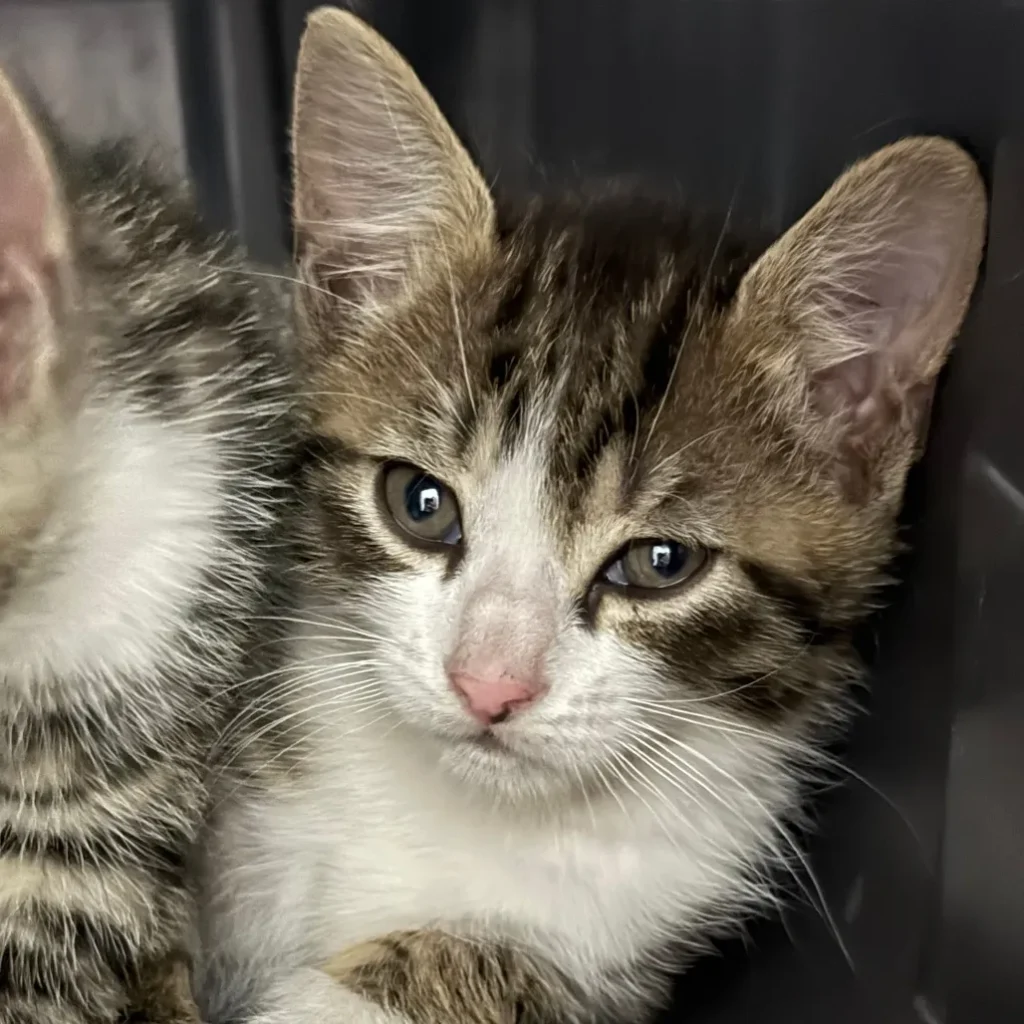
Most of the work is routine care repeated daily, not solving medical problems alone.
Handling a sick or injured foster kitten is mostly about consistency, observation, and communication.
You may be asked to feed, clean, give medication, monitor symptoms, and send updates. You are not expected to diagnose illness, make treatment decisions, or handle medical problems without direction.
For many first-time fosters, that distinction makes the role feel much more realistic. The rescue handles the medical plan. The foster helps the kitten recover safely at home.If you are in South Florida and want to understand what support looks like before applying, you can learn how our foster program works.