
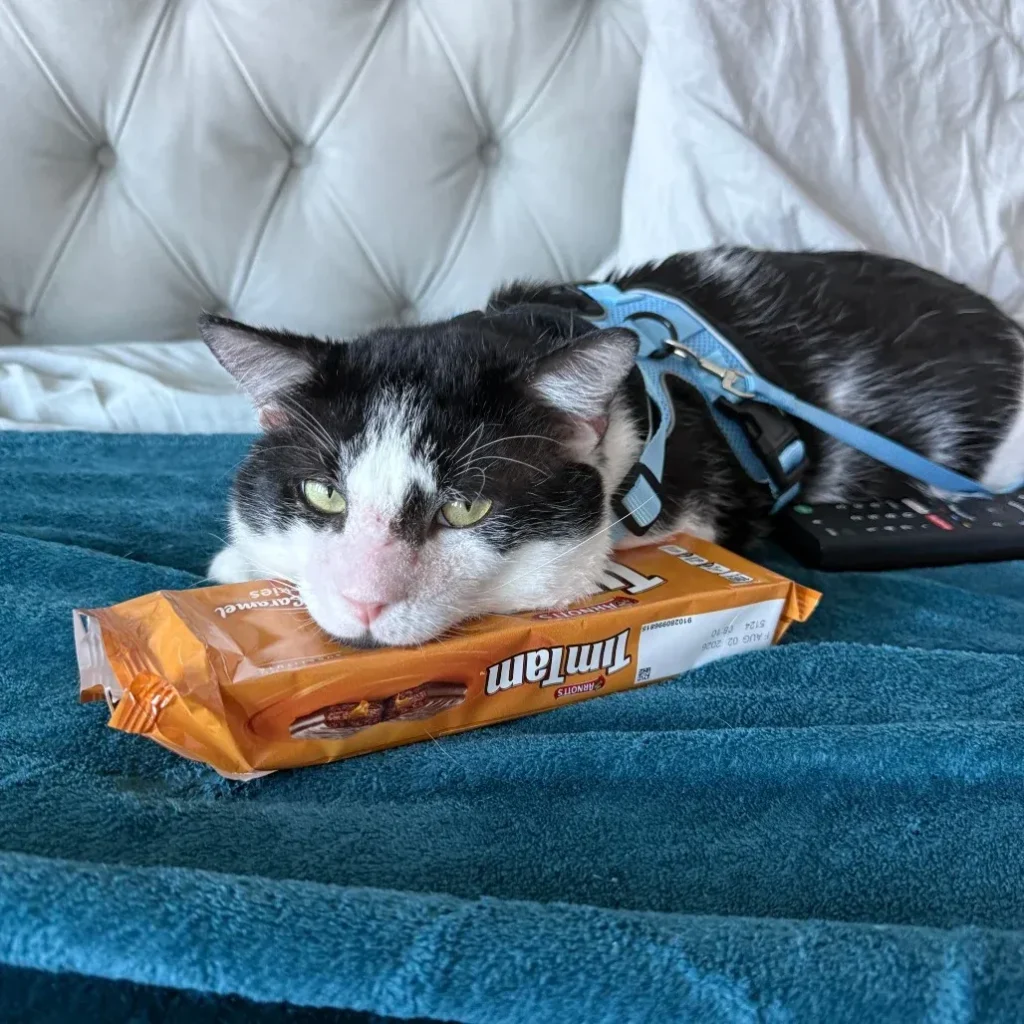
No, fostering is not limited to kitten season.
Kitten season gets the most attention because intake rises and rescues often need more foster homes quickly. But cats and kittens can need foster care at any time of year, especially in South Florida where warm weather can extend breeding activity.
For people in Broward County and nearby communities, this is helpful to know. You do not have to wait for a “perfect” month to start. Foster placements are based on current need, your availability, and what kind of care fits your home.
Key Takeaways: Is fostering limited to kitten season?
- Fostering is needed year-round, not only during kitten season.
- Kitten season increases urgency, but it does not create the entire need.
- South Florida’s warm climate can make kitten intake less seasonal than colder regions.
- Outside peak season, foster placements may involve adult cats, recovery cases, socialization cases, or occasional kittens.
- Foster availability is flexible and can be based on your schedule.
- Starting outside kitten season can give first-time fosters more time to learn.
Kitten Season Is a Surge, Not the Whole Schedule
Kitten season is the time of year when more kittens are born and shelters see more young kittens entering care.
The ASPCA describes kitten season as a period from March to October when shelters nationwide see an increase in kittens. During those months, public support and foster homes become especially important because kittens often need more care than adult cats.
That does not mean fostering stops when kitten season slows down.
In South Florida, the need can stretch across more of the year because the weather stays warm. Cats may still enter rescue care through community cat colonies, stray intake, abandoned litters, owner surrenders, or medical situations.
A simple way to think about it: kitten season increases the number of urgent cases, but foster care is still needed outside that window.
Why Foster Homes Are Needed Year-Round
Foster homes give cats a safe place to stay when they are not ready for adoption or cannot remain in an intake setting.
That need can happen in any month.
A cat may need recovery time after spay or neuter surgery. A kitten may need a few more weeks to grow. A shy cat may need a quiet home to decompress. A foster may be needed quickly when space is limited or a cat needs separation from other animals.
Humane Society of Broward County explains that kittens and puppies generally stay in foster homes until they are 8 weeks old, and kittens must meet a weight requirement before returning for adoption placement.
For Happy Whiskers, foster homes are part of how we keep cats moving from intake to care, and from care to adoption readiness. That process does not follow one season.
What Fostering Looks Like Outside Kitten Season
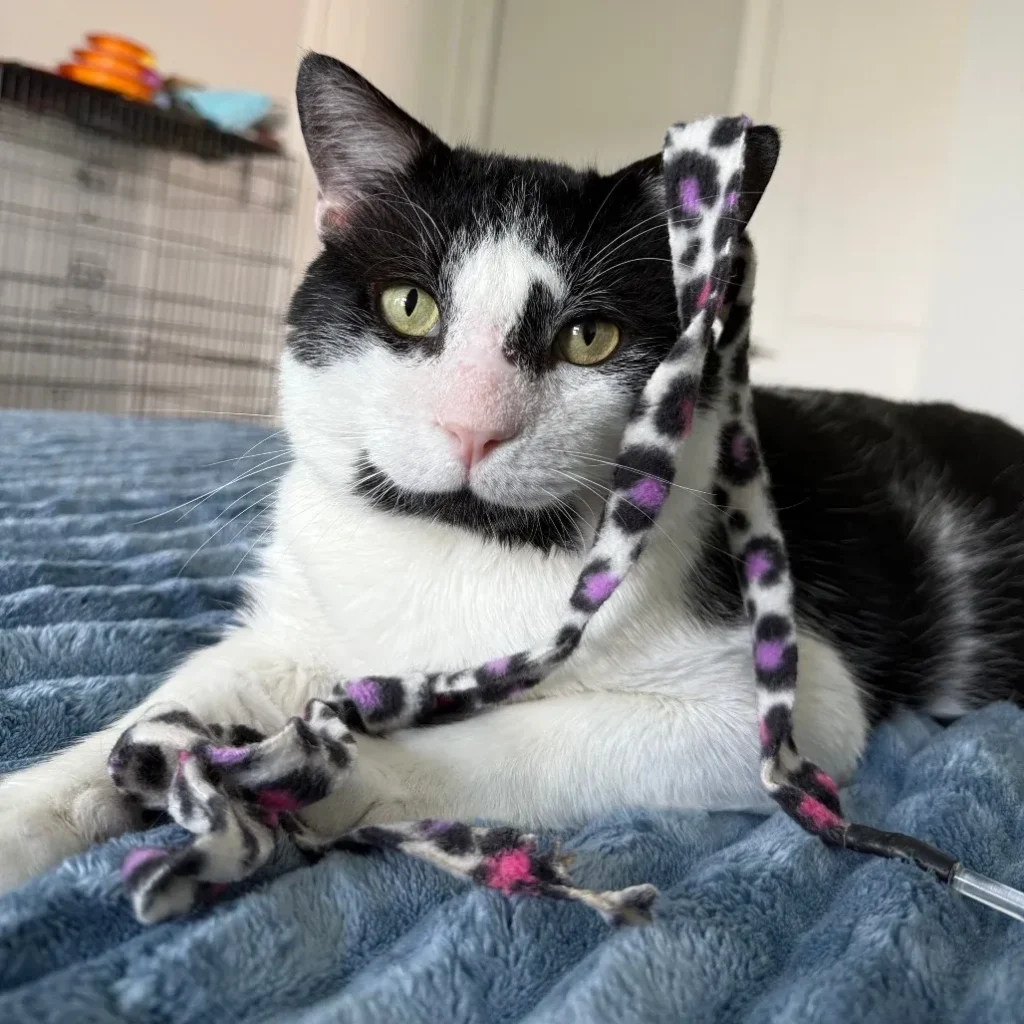
Outside peak kitten season, fostering may look more varied.
You may see fewer large litters, but there can still be adult cats, short-term recovery cases, shy cats that need socialization, or kittens who arrive outside the expected busy months.
These placements can sometimes feel more predictable for first-time fosters. Adult cats usually have established eating and litter habits. Recovery cases often come with clear instructions. Socialization cases may need patience, but not constant feeding or round-the-clock care.
This does not mean off-season fostering is always easier. It means the pace and type of care may be different.
A first-time foster may start with a calm adult cat, a short-term placement, or a kitten old enough to eat on their own. The goal is to match the placement to the foster home, not force every foster into the same type of case.
Can You Choose When to Foster?
Yes, foster homes can usually share when they are available.
You may be available for a few weeks, a specific month, short-term coverage, or only certain types of placements. You may also need to pause between foster cases because of work, travel, family responsibilities, or your resident pets.
Best Friends notes that foster care can range from a night or two to several weeks, depending on the pet’s needs and the foster’s schedule.
That flexibility matters. A foster home should not feel locked into constant availability.
When a cat needs placement, the rescue looks at the cat’s needs and the foster’s current availability. A bottle baby, adult cat, medical recovery case, or shy cat will not all require the same setup.
Fostering works best when timing, care needs, and home setup all fit.
Why Waiting for Kitten Season Can Make It Harder
Waiting for kitten season may feel logical, but it can create more pressure for a first-time foster.
During peak intake months, rescues often need quick decisions, more foster homes, and faster movement of kittens into care. That urgency can make the first experience feel more intense.
Starting outside peak season can give you more room to learn. You can get familiar with feeding routines, litter care, safe room setup, updates, and basic observation before the busiest months return.
For many new fosters, that first placement is where confidence builds. It helps you learn what age, care level, and timeline fit your home.
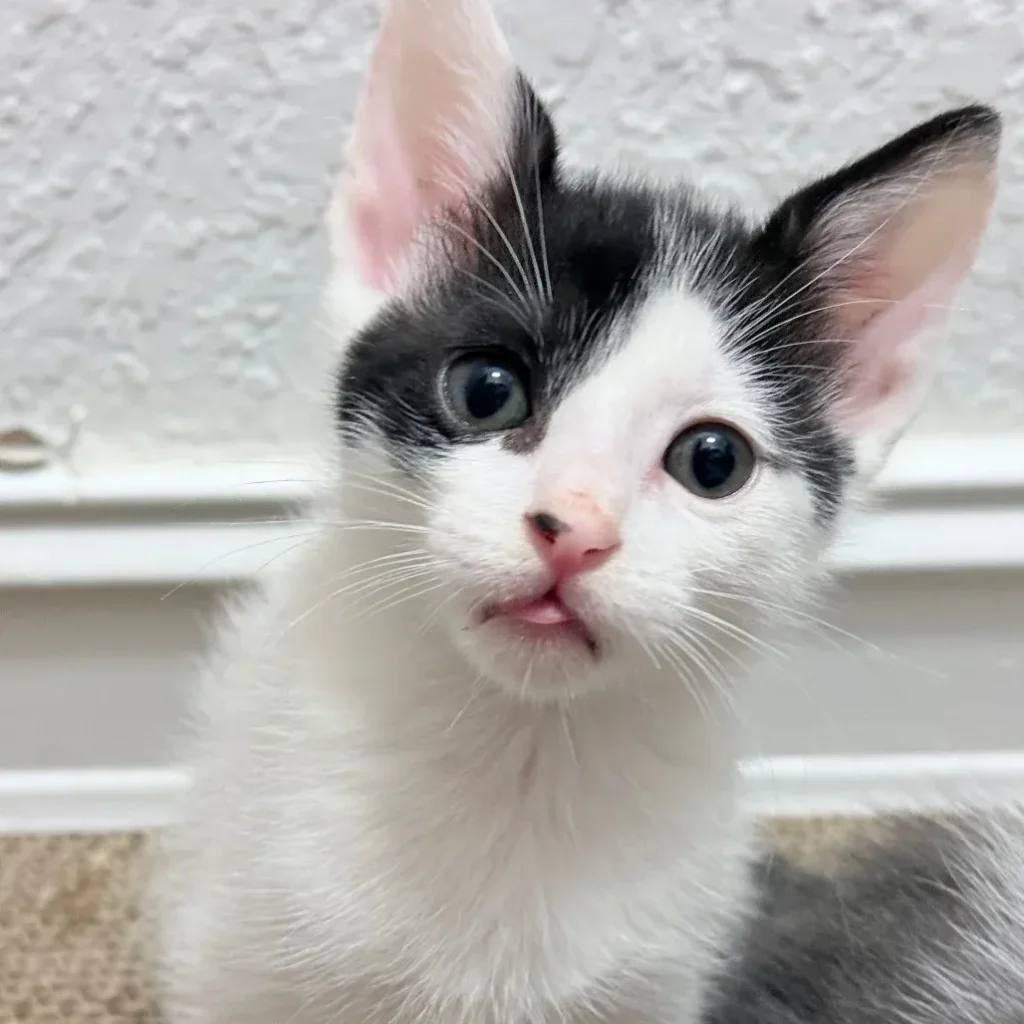
The best time to start fostering is not always the busiest time. It is when you have the space, schedule, and willingness to learn.
You do not have to foster only during kitten season.
Cats and kittens need foster homes throughout the year in South Florida. Kitten season increases the urgency, but foster care is still needed during quieter months for adult cats, recovery cases, shy cats, and occasional kittens.
Starting outside peak season can be a practical way to learn the routine before intake gets busier.If you are in South Florida and want to understand what fostering looks like before applying, you can learn how our foster program works.