
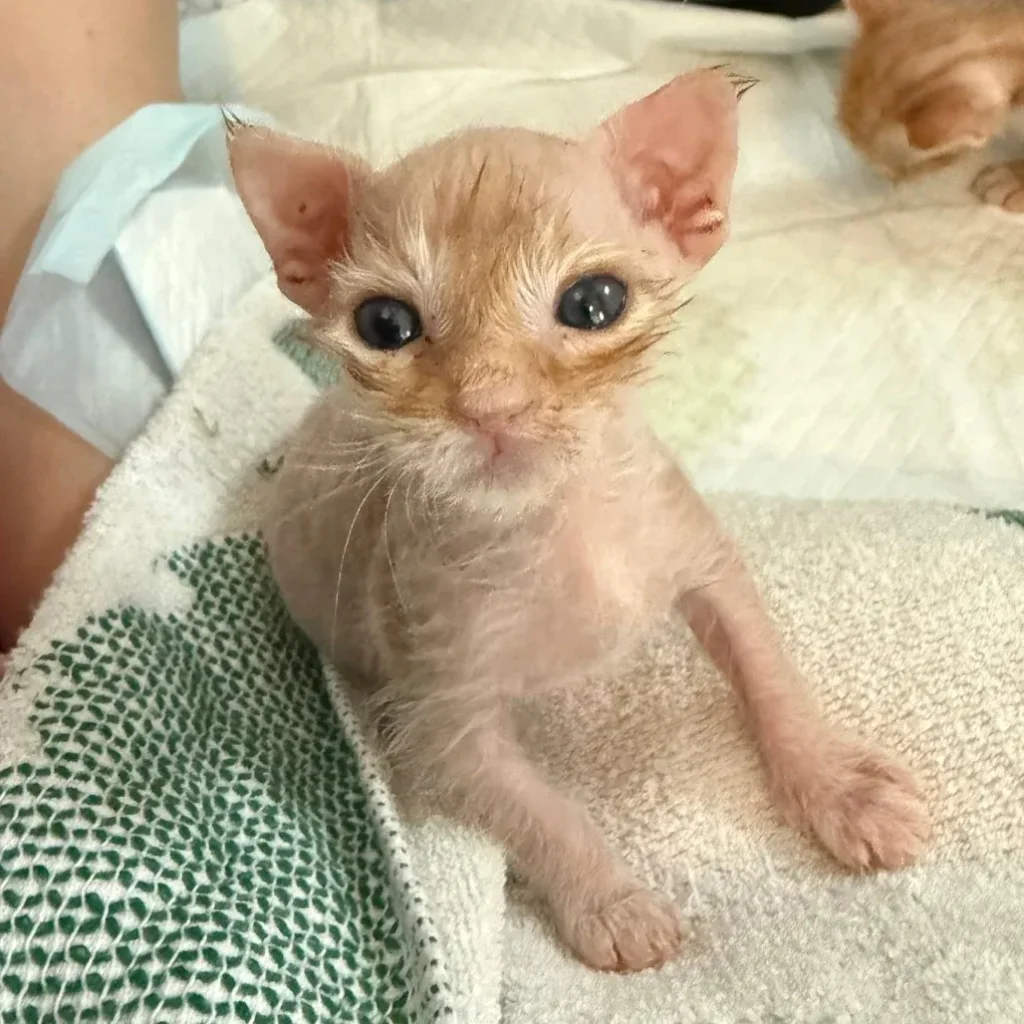
What does fostering actually change beyond giving a cat a temporary place to stay?
More than most people realize.
For cats and kittens in South Florida, a foster home can affect safety, health, behavior, stress levels, and adoption readiness. The impact is not usually one big dramatic moment. It is built through small daily actions: feeding, cleaning, observing, socializing, and giving cats a quieter place to settle.
Here are six ways foster homes create a bigger impact than they may realize.
Key Takeaways: Why fostering kittens matters locally
- Foster homes give cats a safe place to go when intake space is limited.
- Kittens often need time to grow before they are ready for adoption.
- Home care helps cats become more comfortable with people and normal routines.
- Foster homes reduce stress by moving cats out of crowded or high-traffic settings.
- Each foster placement can create space for another cat that needs help.
- You do not need special experience to make an impact through simple daily care.
1. Foster Homes Provide Immediate Safety
Sometimes the first need is simple: a cat needs somewhere safe to go.
That can happen when kittens are found outside, a cat is surrendered, a foster transfer is needed, or intake requests increase quickly during kitten season. In those moments, an available foster home can help the rescue respond faster.
The ASPCA describes animal fostering as temporary care for a shelter animal in a home while the animal waits for adoption, recovers, decompresses, or grows and develops.
For Happy Whiskers, that temporary space matters because it gives us time to assess the cat, arrange supplies, coordinate vet care if needed, and decide the next step.
A foster home does not need to solve everything. It gives the cat a safe starting point.
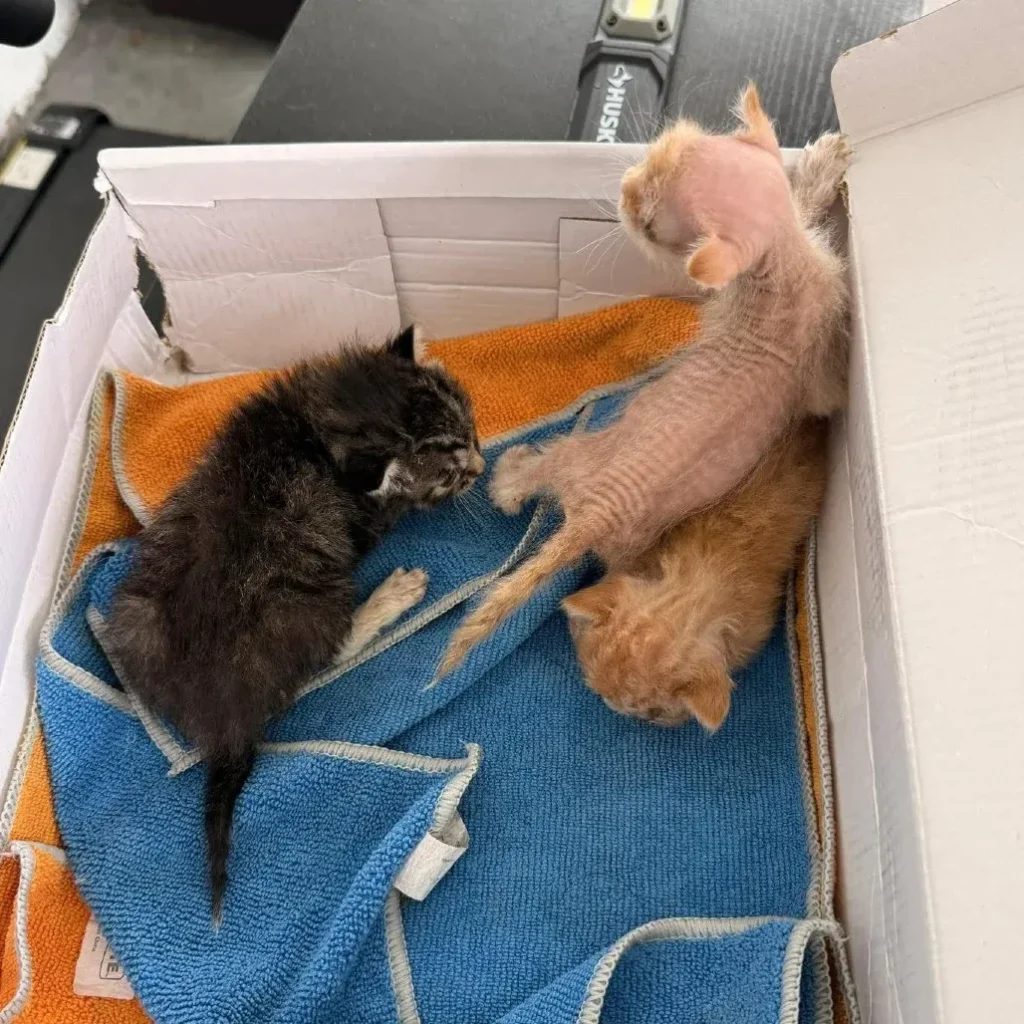
2. Foster Homes Give Kittens Time to Grow
Many kittens are not ready for adoption when they first enter care.
Some are too young. Some need to gain weight. Some need regular meals, warmth, litter box practice, or time to become comfortable around people.
That growth period is where foster homes become especially useful. A home setting gives kittens a quieter place to eat, rest, play, and develop on a normal routine.
The ASPCA’s kitten fostering program explains that foster caregivers provide safe, temporary homes for kittens until they are old enough to be adopted, with food, supplies, medical services, and support provided.
For a foster, the daily work may look simple. But steady meals, clean space, and observation can be exactly what a kitten needs to reach the next stage.
3. Foster Homes Help Cats Become More Adoptable
Adoption readiness is not only about age or health.
A cat also needs to show who they are. Foster homes help with that because cats behave differently in calm home settings than they often do in stressful intake environments.
A shy kitten may start playing. A nervous cat may begin eating near people. A quiet cat may show that they enjoy attention once the environment feels safe.
These updates help us understand the cat better. They also help adopters make better decisions.
A foster may notice details like:
- how the cat reacts to normal household sounds
- whether they enjoy being held
- how playful or calm they are
- whether they prefer quiet spaces
- how they respond to routines
That information makes adoption matching more practical and less based on guesswork.
4. Foster Homes Reduce Stress
Cats are sensitive to noise, crowding, unfamiliar animals, and constant change.
A foster home reduces many of those stressors. The cat has fewer disruptions, a smaller space to adjust to, and a more predictable routine.
Maddie’s Fund notes that increased use of foster care programs may help reduce stress in shelter pets and that living in a foster home can be less stressful than living in a shelter environment.
That matters because stress affects more than mood. It can influence appetite, hiding, litter habits, energy, and recovery.
When cats are given a quieter place to settle, we can often get a clearer picture of their true behavior and needs.
5. Foster Homes Create Space for the Next Cat
Every foster placement affects more than the cat currently in that home.
When one cat moves into foster care, space opens for the next intake, transfer, or urgent request. That is one of the biggest local impacts of fostering.
This is especially important in South Florida, where kitten season, outdoor litters, owner surrenders, and community cat situations can create sudden pressure.
One foster home may only take one cat or one litter at a time. But over a year, that same home may help multiple cats move through care.
That is how small foster commitments add up.
6. Foster Homes Support Emotional Recovery
Some cats enter care scared, shut down, overstimulated, or unsure of people.
They do not always need advanced behavior work. Many simply need time, quiet, and repeated calm interactions.
Emotional recovery can look like small changes:
- hiding less
- eating more consistently
- approaching people
- playing for the first time
- resting in open areas
- tolerating gentle handling
These changes matter because they make the cat’s next transition easier.
A foster home gives the cat a chance to learn that people, meals, sounds, and routines can be safe and predictable.
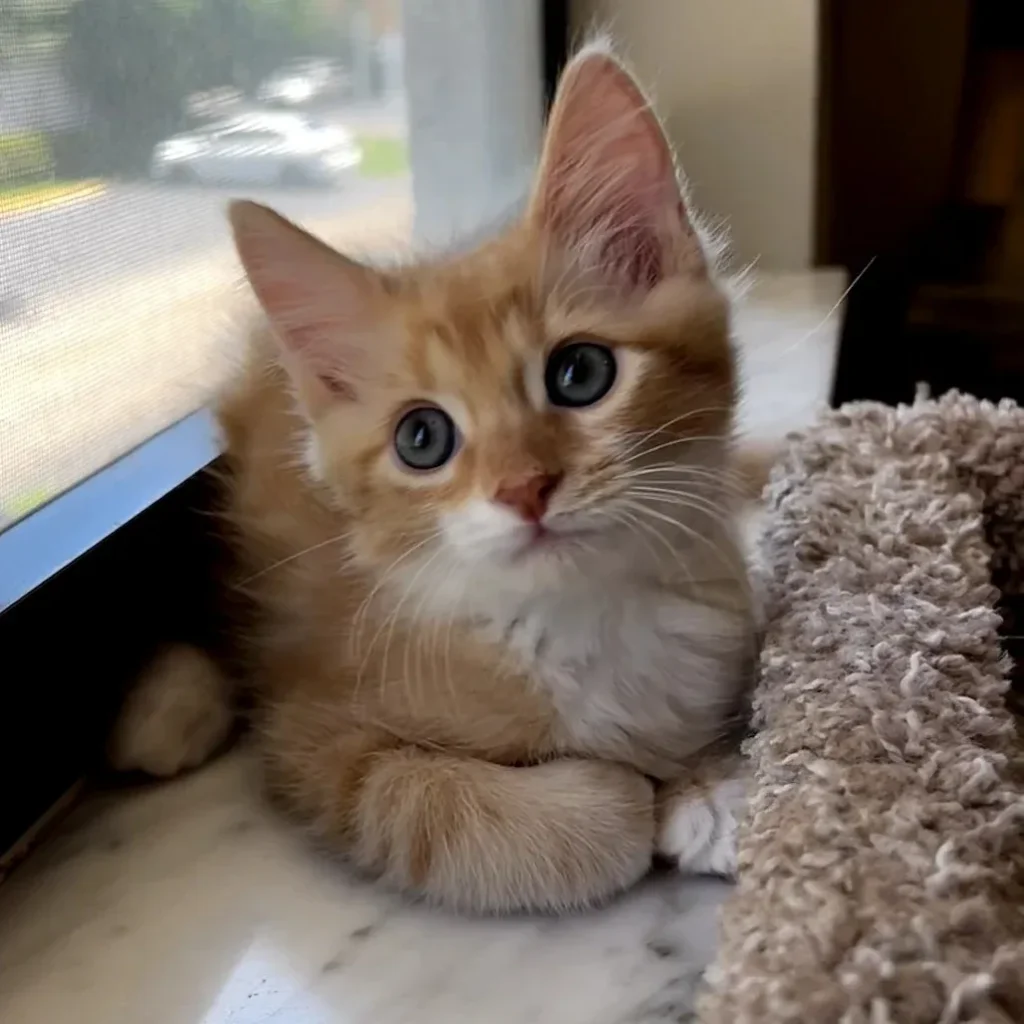
Foster homes make an impact through small, repeated actions.
A clean space. A quiet room. A regular meal. A short play session. A note about appetite or behavior. These things may feel ordinary in the moment, but they help cats become safer, healthier, calmer, and more ready for adoption.
For Happy Whiskers, foster homes are part of how cats move from intake to care, and from care to adoption.
If you are in South Florida and want to understand where fostering could fit into your life, you can learn how our foster program works.