
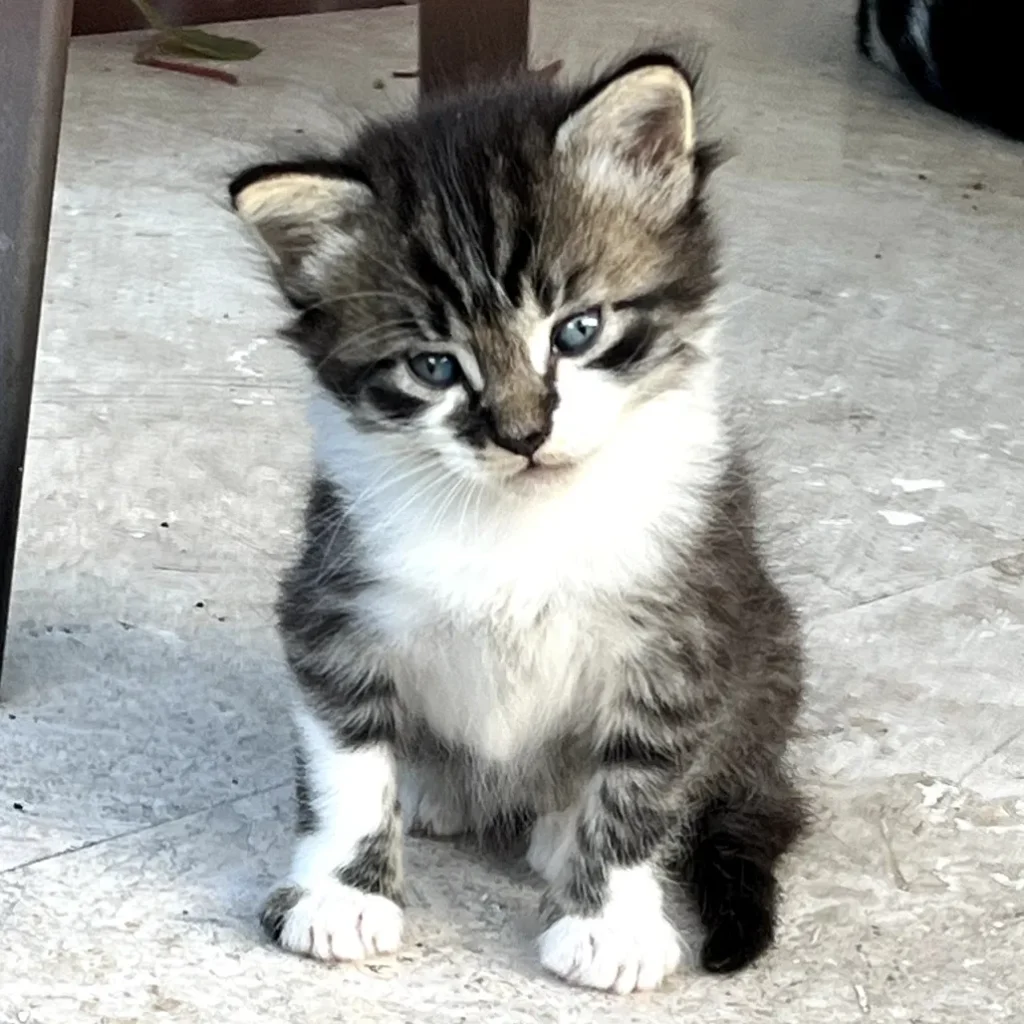
A foster-based cat rescue can only take in cats when there is somewhere safe for those cats to stay.
Veterinary appointments, donated food, and adoption applications are all useful. But when every foster home is occupied, the next cat needing placement still needs a physical place to go.
That is why local cat foster homes matter so much.
For Happy Whiskers Animal Coalition, an available foster home in Broward County can change which cats we are able to accept and how quickly we can respond when a placement is needed.
Key Takeaways: Could One Local Foster Home Really Help?
- Each available foster home gives a foster-based rescue another possible placement.
- Many foster placements last a few weeks, depending on the cat’s age, health, and adoption readiness.
- Foster observations help us understand how a cat eats, uses the litter box, responds to people, and settles into a home.
- Local foster homes make supply handoffs, veterinary appointments, and adoption coordination easier.
- First-time fosters can help when the placement matches their schedule, space, and ability to provide daily care.
Foster Homes Create Space for More Cats to Enter Rescue
When we receive a request to help a cat, one of the first questions is where the cat will stay.
A carrier is not a placement. A veterinary appointment is not a placement. We need an appropriate home that can care for the cat between intake, medical care, and adoption.
One foster may already have a litter for the next five weeks. Another may have resident pets and no separate room available. A foster who normally cares for adult cats may not be able to take young kittens requiring closer monitoring.
An open foster home gives us another option.
One available home can change an intake decision from “we have nowhere to place this cat” to “we may have a suitable foster.”
Our guide to fostering cats in Broward County explains how foster-based rescue works locally and what temporary care usually involves.
Foster Homes Give Cats Time to Settle and Be Observed
The first day a cat enters foster care does not always tell us much about their normal behavior.
A cat may hide behind furniture, eat only when the room is empty, or remain completely quiet. After several days of regular meals and the same caregiver, that cat may begin approaching for treats or sleeping in the open.
Foster homes give us time to see those changes.
For kittens, daily observation can also help a foster notice when something changes. A kitten that ate normally yesterday but suddenly ignores food or becomes unusually quiet needs attention.
The foster does not need to diagnose the problem. We need them to notice the change and communicate with us so the next step can be coordinated.
That daily observation is difficult to replace.
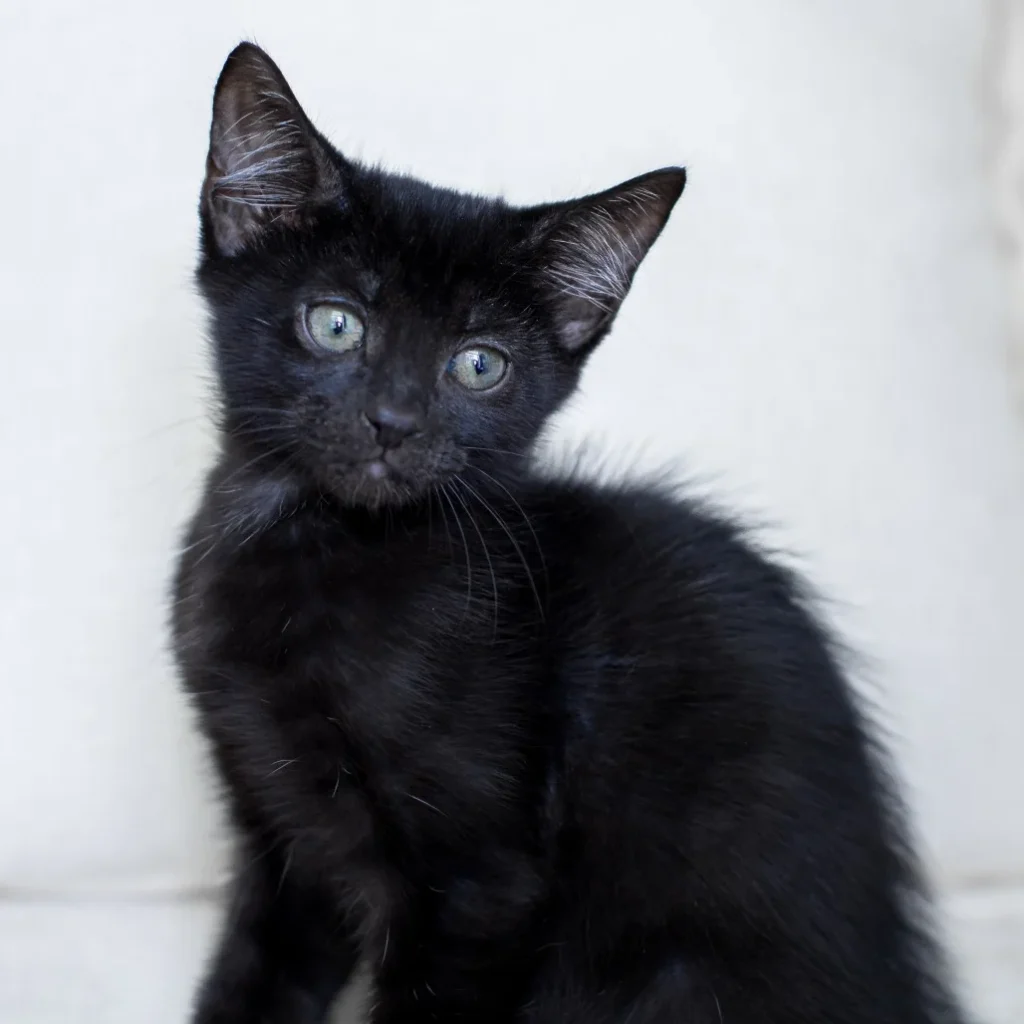
Foster Families Tell Us What a Cat Is Actually Like at Home
Adopters want to know more than whether a cat is “friendly.”
Does the cat hide when visitors arrive? Do they seek attention once the house becomes quiet? Are they constantly trying to play with another cat? Do they tolerate being picked up, or do they prefer attention while keeping all four paws on the floor?
Foster families see these details during normal daily routines.
A cat that appears withdrawn during a short meeting may spend every evening sleeping next to their foster. Another cat may confidently greet adults but disappear when several people enter the room.
We use those observations when preparing adoption information and talking with potential adopters.
A foster home gives us behavior we can describe instead of assumptions we have to make.
That can help an adopter understand what settling in with the cat may actually look like.
Local Foster Homes Make Rescue Logistics Easier to Coordinate
Distance matters when a cat needs supplies, transportation, or veterinary care.
A foster may need a carrier dropped off before an appointment. A cat may need transport to approved veterinary care and then back to the foster home. Food or litter may need to be moved from a donation pickup to the home using it.
When foster homes are spread too far from the rescue’s active volunteer and veterinary network, every handoff becomes harder to arrange.
Local foster homes in Broward County give us more options when coordinating these tasks.
For example, a foster in Coral Springs may be closer to a volunteer handling a supply pickup or a scheduled appointment than a home much farther outside the area.
Being local does not eliminate transportation needs. It makes the distances and handoffs easier for us to plan.
Foster Care Helps Cats Move Toward Adoption
While a cat is in foster care, several things can happen at the same time.
The cat can settle into a routine. Veterinary appointments can be completed. We can gather clearer photos and update the cat’s adoption information as the foster learns more about their behavior.
A foster may tell us that the cat reliably uses the litter box, sleeps near people, and becomes playful in the evening. Those details are more useful to an adopter than a generic description such as “sweet cat looking for a loving home.”
Fostering does not guarantee a quick adoption.
It gives us better information about the cat while providing somewhere safe for them to stay until an appropriate adopter is found.
The placement may last a few weeks or longer depending on the cat’s needs and adoption timeline.
You Do Not Have to Adopt Permanently to Open a Foster Home
Fostering is temporary care.
The foster provides daily care and communicates with us about the cat. We coordinate approved veterinary care, provide care instructions, and help with the next steps for the placement.
If a cat stops eating, develops concerning symptoms, or needs a scheduled appointment, we need the foster to tell us rather than guess at what to do.
We also need to understand the foster’s home before placing a cat.
A person working full time may be able to care for an independent adult cat but may not be suited for kittens needing frequent feeding. A home with resident pets may need a separate room for introductions or isolation.
Being clear about your schedule, space, and pets helps us decide which placements may fit.
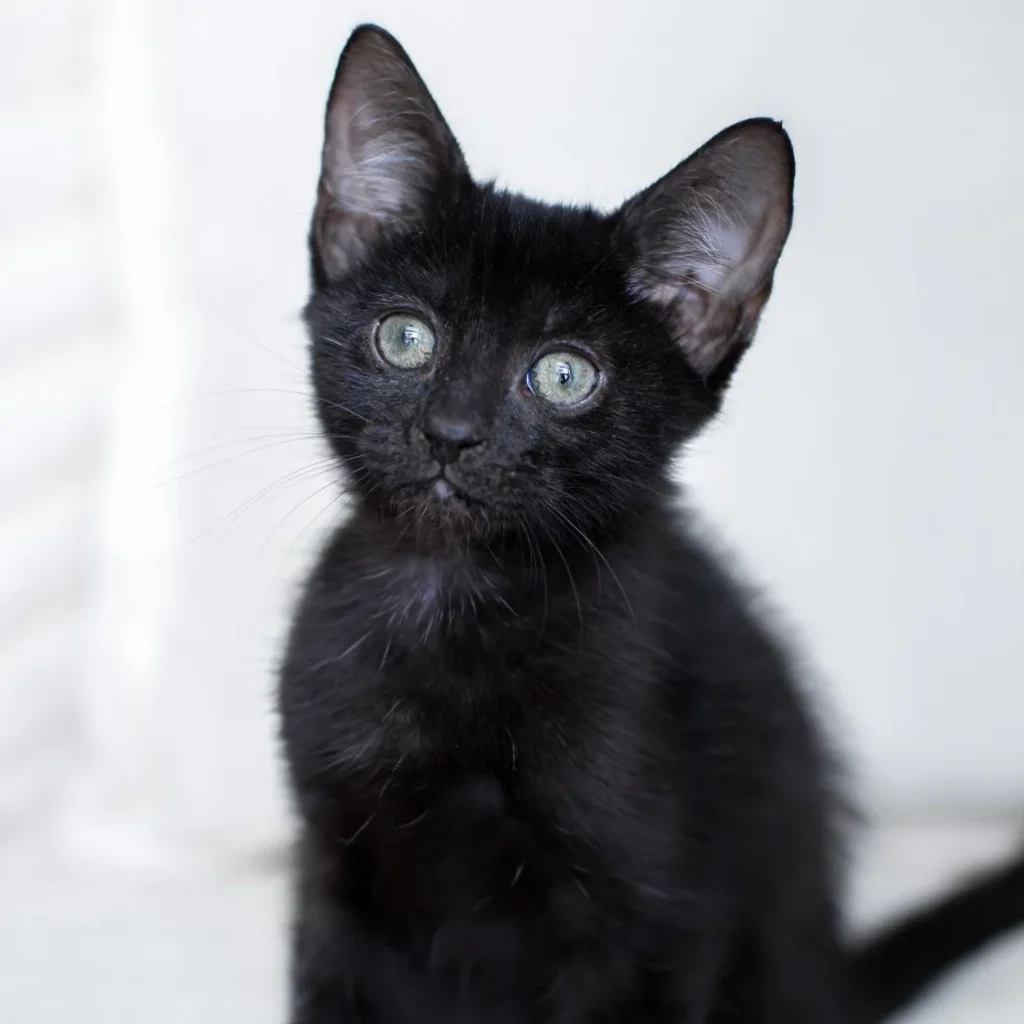
Thinking About Fostering in South Florida?
Local foster homes directly affect how many cats a foster-based rescue can care for.
One home may give an adult cat a quiet place to settle for several weeks. Another may provide space for two kittens while they grow and prepare for adoption.
You do not need to accept every type of cat.
At Happy Whiskers Animal Coalition, we need to know what your home and schedule can reasonably accommodate so we can consider appropriate placements.
If you are thinking about opening your home temporarily, you can learn how our foster program works and tell us about your space, pets, and availability.