
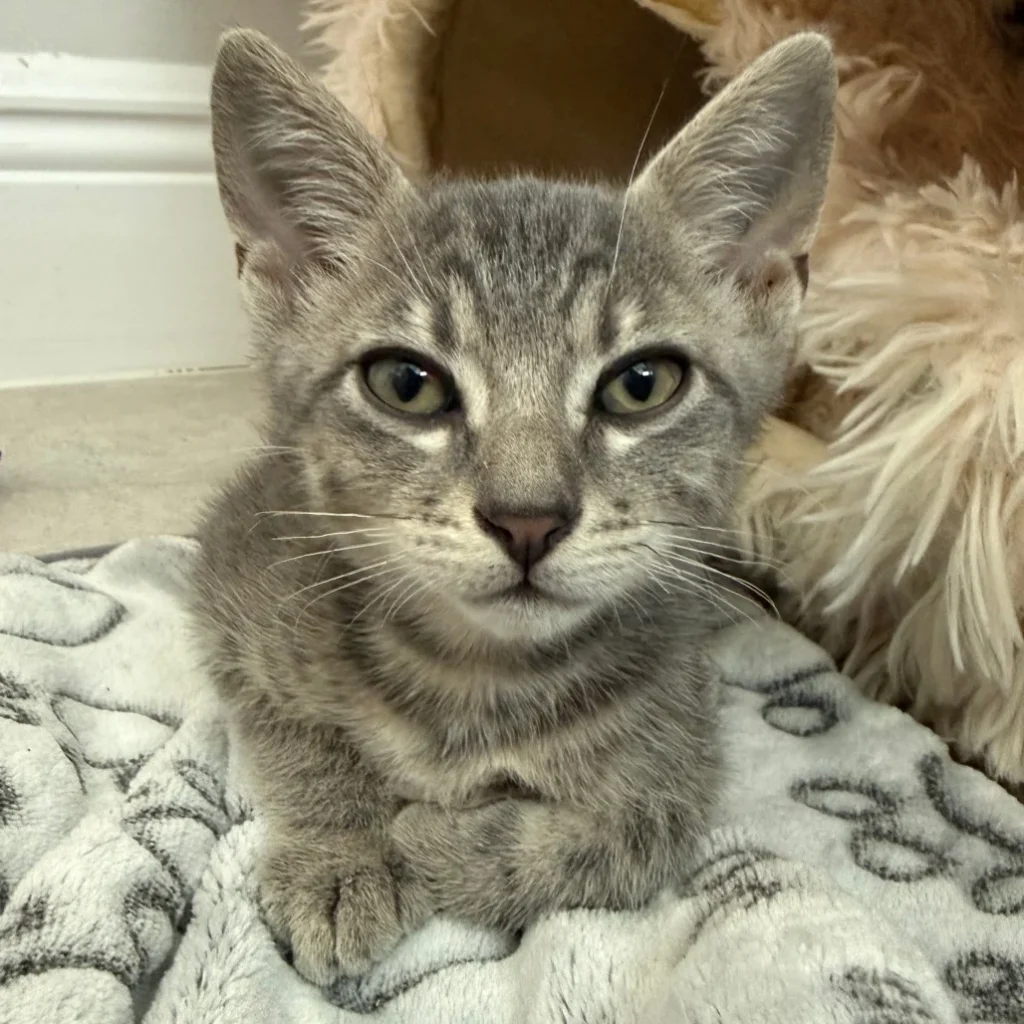
When several cats need placement, how does a rescue decide who goes into a foster home first?
Cats are usually prioritized for foster placement based on the care they need in their current situation and whether an appropriate foster home is available.
Age, medical needs, stress, and safety can all affect timing. The cat with the most urgent need may move first, but only if we have a foster who can provide the type of care that cat requires.
Key Takeaways: Which Cats Need Foster Homes First?
- Cats needing close medical observation may need foster placement quickly.
- Neonatal kittens require time-sensitive care because they cannot eat or stay warm independently.
- Nursing mothers and their kittens need a contained space where the litter can be monitored.
- A highly stressed cat may need a home setting so we can better observe eating, litter box use, and behavior.
- Foster availability affects priority because different cats require different setups and schedules.
- First-time fosters can still take priority placements when the cat’s care fits what they can provide.
Cats Needing Closer Medical Observation May Be Prioritized
A cat does not always need hospitalization to require closer monitoring.
We may need someone to confirm that a cat is eating, give medication on schedule, check a surgical site, or report a behavior change quickly.
A home can make those observations easier.
For example, if a cat recovering from approved medical care eats half a meal in a quiet bathroom, the foster can tell us exactly what happened. In a busier setting with several cats being handled and moved, tracking individual patterns may be harder.
If you are learning about fostering cats in Broward County, medical foster care does not always mean taking a severe case.
The placement may involve following written care instructions, providing transportation for approved veterinary care, and telling us when eating, litter box use, or behavior changes.
We match these cats with fosters based on the monitoring required.
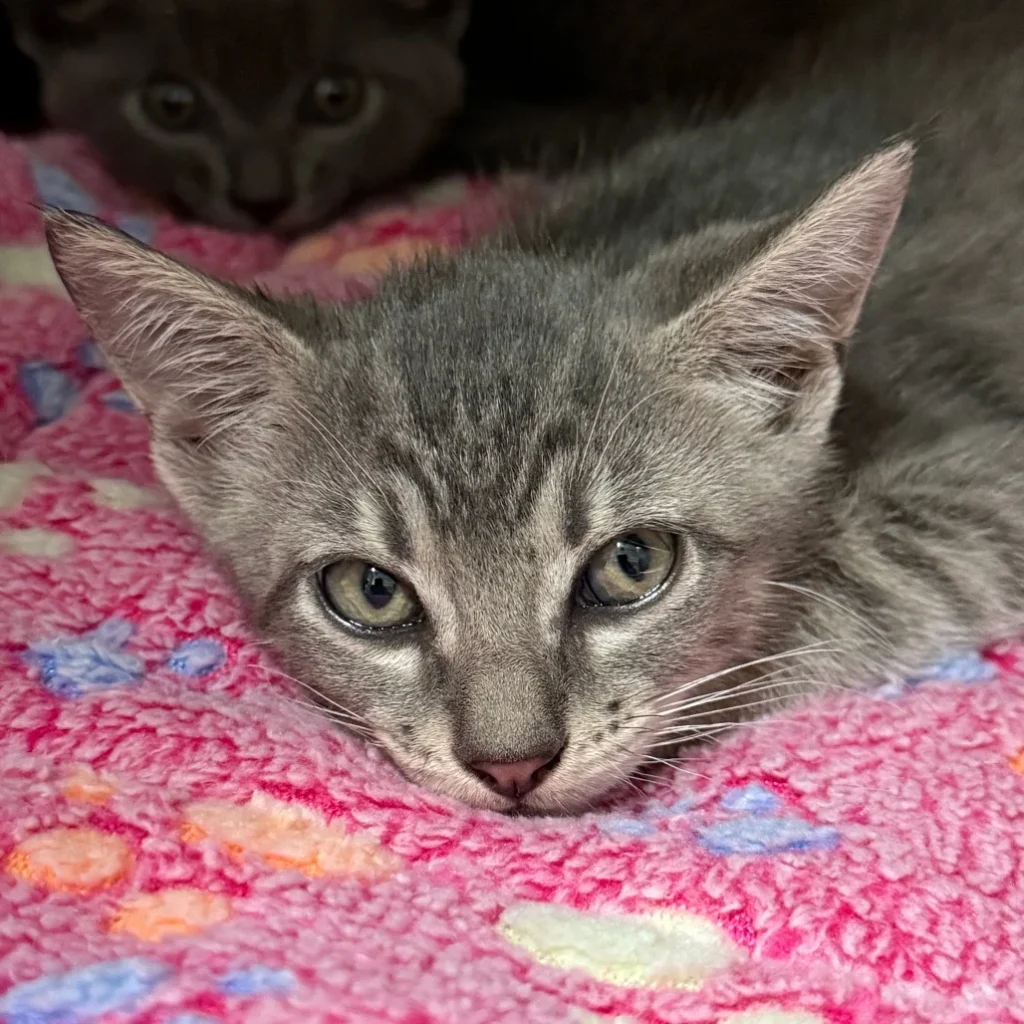
Very Young Kittens Can Become Urgent Quickly
A neonatal kitten has very different care needs from a healthy adult cat.
Very young kittens may need frequent feeding, warmth, weight checks, and close observation. A kitten who stops eating or gaining weight can require quick attention.
That makes some kitten placements time-sensitive.
A two-week-old orphaned kitten may need an experienced bottle feeder with availability throughout the day and night. Older, weaned kittens may be appropriate for someone who works full time and can monitor them before and after work.
We do not contact every foster when neonatal kittens need placement.
We look for people whose current availability and experience fit the care schedule.
This is one reason a rescue can urgently need fosters while still having approved foster homes on its list. The open homes may not fit that specific placement.
Nursing Mothers Need a Space Where the Litter Can Be Monitored
A mother cat with young kittens may need foster placement because the entire litter has to be observed together.
The foster needs to know whether the mother is eating and caring for the kittens. We may ask for regular kitten weights and updates about nursing, activity, or physical changes.
The setup matters.
A separate bathroom, bedroom, or another contained area may work depending on the family. The mother needs access to food, water, and litter while the kittens need a clean area where they can remain with her.
These placements do not always require constant handling.
Often, the foster’s job is to maintain the setup, complete the requested checks, and tell us when something changes.
A home that can safely contain and monitor the family may move higher on our placement list when a nursing mother needs care.
Some Cats Need Foster Care Because We Cannot Assess Them Well Where They Are
A physically healthy cat may still need a foster home quickly.
Stress can affect eating, hiding, litter box use, and how a cat responds to people. If a cat remains shut down in their current setting, we may have very little useful information about what they are like in a home.
A foster placement gives us repeated observations.
Does the cat eat overnight? Do they begin sitting outside the carrier? Will they play with a wand toy? What happens when someone enters the room?
We ask fosters to report specific behavior instead of simply telling us a cat is “shy.”
For example, “she stays in the covered bed during the day but comes out for food while I sit across the room” gives us information we can use.
A cat whose current stress is preventing normal care or assessment may be prioritized for a quieter foster placement.
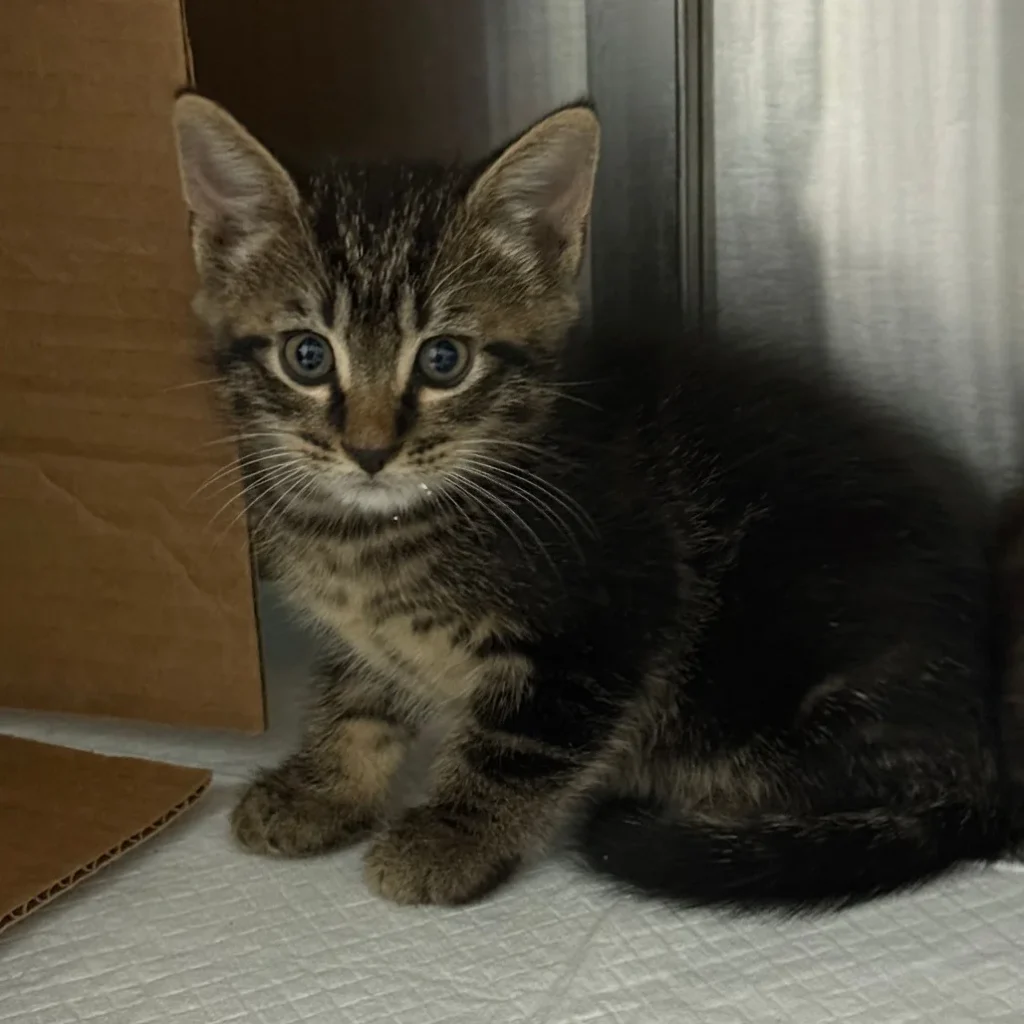
Foster Availability Changes Which Cat Can Move First
Need alone does not determine placement order.
We also need an available foster who fits the cat.
Imagine we have a neonatal kitten, a shy adult cat, and two healthy weaned kittens needing placement.
The neonatal kitten may have the most time-sensitive care needs. If our available foster works outside the home for ten hours a day, that person cannot provide the feeding schedule the kitten requires.
The same foster may be able to take the two weaned kittens immediately.
We may place those kittens first while continuing to contact experienced neonatal fosters.
That does not mean we decided the kittens were more urgent.
It means we had an appropriate placement available for them.
We ask foster applicants about their schedule, resident pets, available space, transportation, and the types of care they are comfortable providing because those details directly affect which cats we can place with them.
First-Time Fosters Can Still Help With Priority Placements
You do not need to be prepared for bottle babies or complicated medical care before fostering.
A healthy adult cat may urgently need a separate room. Older kittens may need somewhere to stay while they grow and prepare for adoption. A shy cat may need a foster who can observe them without repeatedly forcing interaction.
Those can all be priority placements.
We provide foster families with food, supplies, training, approved medical care, and ongoing support. We ask fosters to follow the care instructions for their placement, provide updates, and help with transportation for medical care when needed.
Happy Whiskers Animal Coalition depends on foster homes across South Florida to give cats and kittens temporary care that fits their individual needs.
If you are considering fostering, you can learn how our foster program works and tell us about your schedule, home setup, and the types of cats you may be comfortable caring for.