
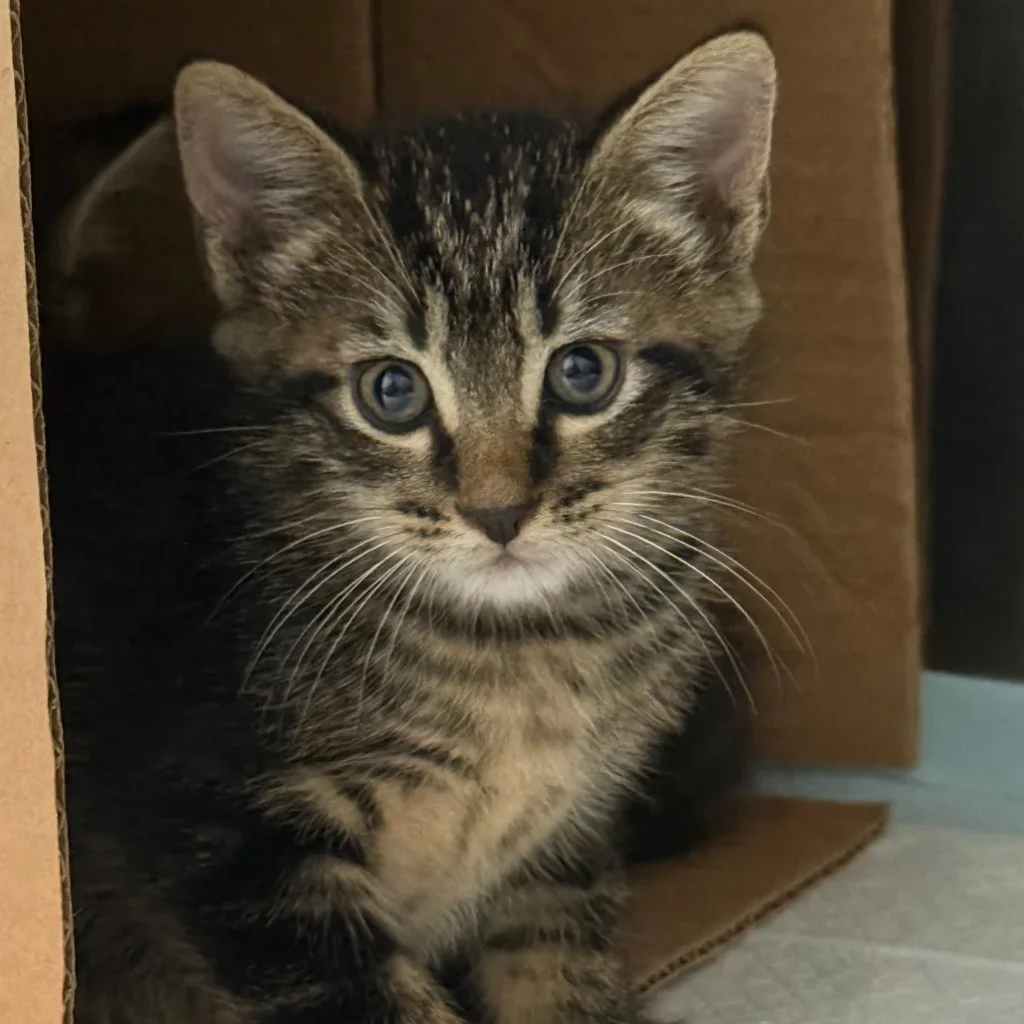
Why would a cat rescue have a waiting list when cats clearly need help?
For a foster-based rescue, the answer is usually physical capacity. A cat needs somewhere appropriate to stay, someone able to monitor their care, and a plan for any medical or transport needs.
A cat rescue waiting list usually means there is no suitable foster placement available for that cat at that time.
At Happy Whiskers Animal Coalition, we are foster-based. We do not have a shelter building with rows of open kennels. The number and type of foster homes available directly affect how many cats we can safely care for.
Key Takeaways: Why Do Cat Rescues Have Waiting Lists?
- Foster-based rescues can only place cats when an appropriate foster home is available.
- An open foster home may not fit every cat’s age, medical needs, or level of care.
- Kitten season can create several placement needs within a short period.
- Veterinary appointments, transport, and care instructions may affect when a cat can move.
- Short-term foster openings can help when an existing foster needs coverage or cats are waiting for another placement.
- More suitable foster homes give rescues more options when cats need care.
A Waiting List Usually Means We Do Not Have a Suitable Placement
When a foster-based rescue says it is full, that does not necessarily mean every volunteer has a cat in every available room.
It means the current foster homes that fit a particular cat’s needs may already be occupied.
A foster with a kitten-safe bathroom may be able to take two weaned kittens. That does not mean the same home can take a nursing mother with newborns or an adult cat who needs to be completely separated from resident animals.
If you are learning about fostering cats in Broward County, this distinction matters.
Rescue capacity is based on the placements we can actually make, not simply the number of people on a foster list.
Before moving a cat, we need to know where they will stay and whether the foster can handle the care expected for that placement.
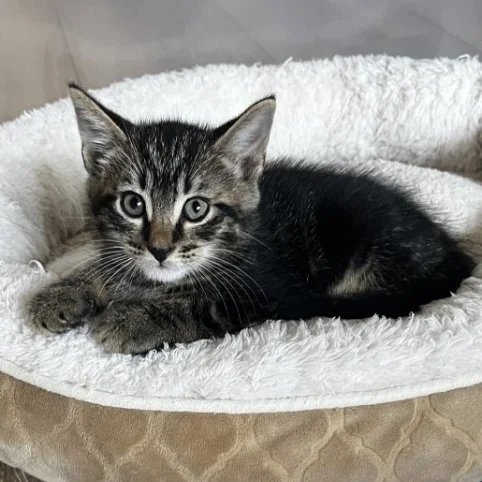
Foster Homes Determine How Many Cats Can Enter Care
We are a foster-based rescue, so cats stay in homes while they receive care and wait for adoption.
When those spaces are occupied, we cannot safely keep adding cats.
A bathroom, bedroom, or appropriate crate setup may create another foster placement depending on the cat. The foster does not need a large home, but the space has to fit the placement.
For example, a healthy adult cat may need a quiet room and normal daily monitoring. Young kittens may need regular weight checks and closer observation. A medical foster may need to follow medication instructions and report changes quickly.
We ask foster applicants about their available space, resident pets, transportation, and schedule because those details tell us which cats we can place with them.
One additional foster home creates capacity only when we know which type of placement that home can safely take.
Kitten Season Can Fill Suitable Foster Homes Quickly
Kitten season can change our available foster capacity within days.
We may receive requests involving a pregnant cat, a mother with kittens, weaned kittens, and very young kittens during the same period.
Those cats cannot automatically go to the same foster homes.
A person who works away from home all day may be able to foster weaned kittens but may not be available for kittens requiring frequent feeding. Someone with a separate bathroom may have an appropriate space for one placement but already have resident animals that affect another.
This is why a rescue can have approved fosters and still need more foster homes.
The need may be for a specific type of placement.
When we know a foster’s actual availability and limitations, we can contact the right people instead of moving a cat into a home that cannot provide the required care.
Medical Care and Transport Can Affect Placement Timing
A foster opening is one part of the placement.
We may also need to coordinate approved medical care, transportation, supplies, or medication instructions.
A cat may need to be picked up, examined, and moved to a foster home. The foster may need supplies delivered or collected. Another volunteer may be helping with transport to an appointment.
These handoffs take coordination.
If a cat has a medical concern, we also need the receiving foster to understand what to monitor and when to contact us. Moving the cat first and trying to figure out the care plan afterward creates unnecessary confusion.
A short delay may give us time to confirm the foster, arrange transport, and explain the care expected for that cat.
An “Open Foster” May Still Need to Wait for the Right Cat
Foster matching works in both directions.
We do not expect every foster to take every placement.
Someone may be comfortable with healthy adult cats but not bottle babies. Another foster may enjoy caring for kittens but have a resident dog that makes a particular adult-cat placement difficult.
A foster may also have blackout dates, travel plans, or a period when they cannot transport a cat for approved medical care.
We need that information.
It is much easier for us to coordinate placements when fosters tell us what they can realistically take and update us when their availability changes.
A clear “I can take two weaned kittens for three weeks” is more useful than an open-ended offer to help with any cat.
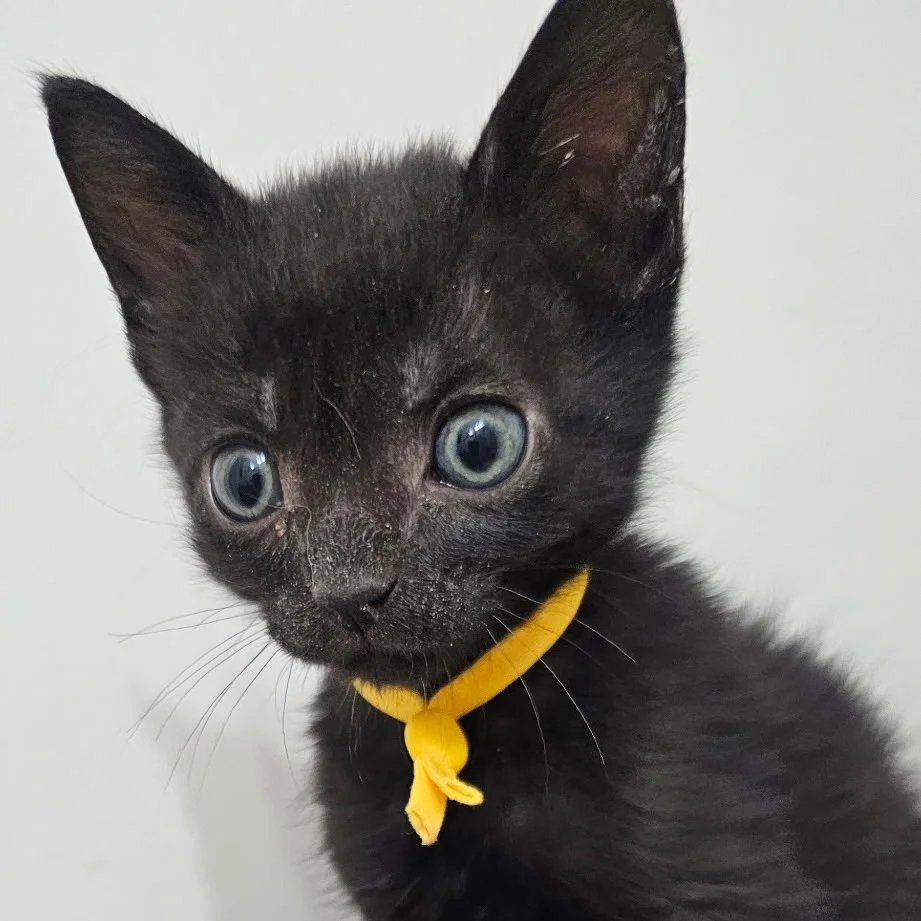
More Foster Options Give Us More Placement Options
Fostering is the most direct way to increase capacity in a foster-based rescue.
One new foster may give us somewhere to place an adult cat. Another may be available for kittens. A short-term foster may cover a placement while the regular foster travels.
Those openings give us more ways to coordinate care.
We provide foster families with food, supplies, approved medical care, training, and ongoing support. Foster placements are generally a minimum of two weeks, and we ask applicants to be clear about their space, schedule, resident pets, and transportation.
That information helps us match cats with homes where their care can actually be managed.
If you want to help create another safe placement, you can learn how our foster program works and apply to foster with Happy Whiskers Animal Coalition.