
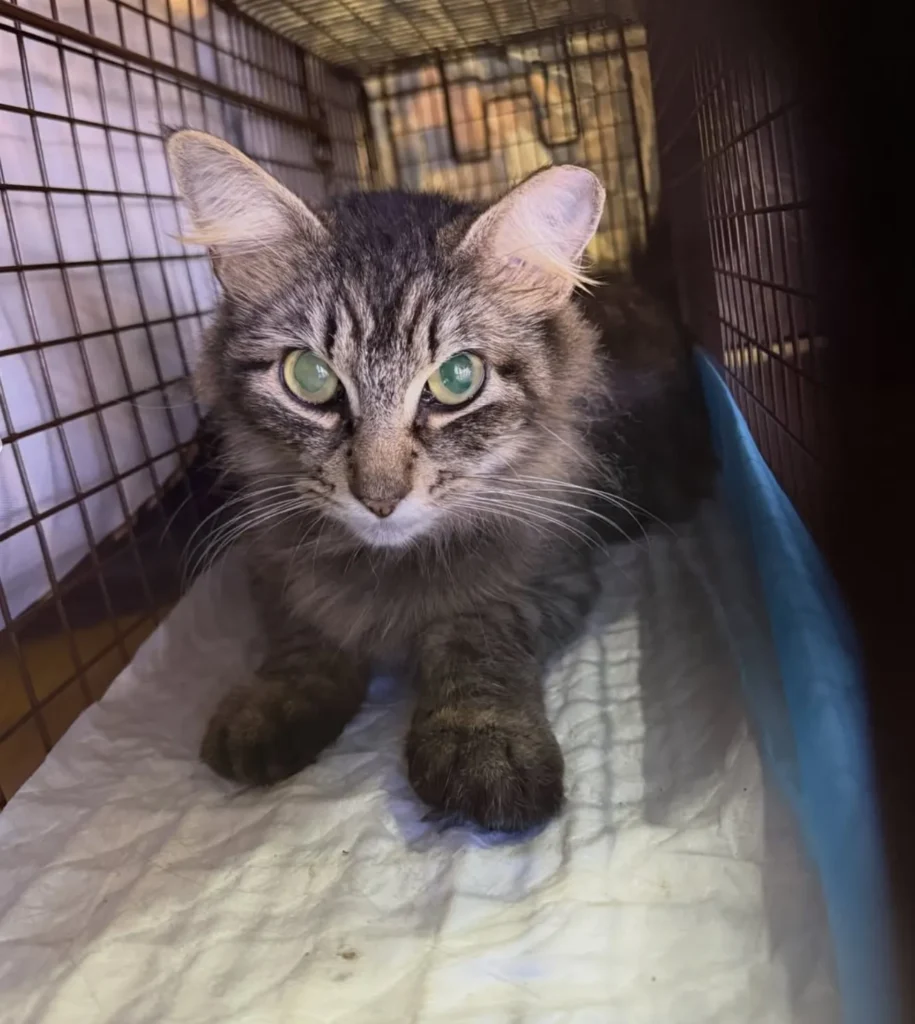
When kittens enter a rescue, the first few hours are focused on basic safety: Are they warm? Are they eating? Are they injured, dehydrated, or too young to care for themselves?
In South Florida, especially during kitten season, kittens may arrive from outdoor locations, local shelters, community members, or urgent calls for help. Some are healthy but too young to stay outside. Others need medical attention before they can move into foster care.
Here is what typically happens after kittens enter a rescue system.
Key Takeaways: What should you expect when kittens enter rescue care?
- Kittens are checked quickly for age, weight, temperature, hydration, and visible illness.
- Medical needs are handled before or during foster placement, depending on the kitten’s condition.
- Foster homes are matched based on age, feeding needs, health, and foster availability.
- Daily foster care usually includes feeding, cleaning, monitoring, socialization, and communication with the rescue.
- Kittens become adoption-ready once they are healthy, eating well, social enough for placement, and old enough for the next step.
Intake and Initial Assessment
The first step is intake. This is a quick health and safety check used to decide what the kittens need right away.
For young kittens, we look at age, weight, body temperature, hydration, breathing, visible injuries, fleas, and signs of illness. Weight matters because it helps estimate age and feeding needs. A tiny kitten may need bottle feeding every few hours, while an older kitten may already be eating wet food.
Intake is not a long waiting period. Young kittens can decline quickly if they are cold, dehydrated, or not eating. The goal is to make the first decision fast: medical care, foster placement, or short-term observation.
Best Friends Animal Society’s kitten foster manual notes that foster care involves preparing for, bringing home, and caring for kittens until they are ready for adoption, which is why intake has to identify what each kitten needs before placement.
Medical Care and Stabilization
Some kittens need medical care before they can go to a foster home. Others can move into foster care while finishing basic treatment, as long as the care plan is clear.
Common early needs include flea treatment, deworming, hydration support, temperature stabilization, eye or respiratory care, and feeding adjustments for underweight kittens.
Kittens do not have to be “perfectly healthy” before foster placement. They need to be stable enough for a foster home to care for them safely. That usually means they can eat or be fed on schedule, stay warm with proper setup, and respond to basic care.
The foster does not make medical decisions alone. We coordinate approved care, medication instructions, vet visits, and updates when symptoms change.
Foster Placement or Temporary Housing
Once kittens are stable enough, the next step is matching them with a foster home.
This match depends on age, feeding needs, medical needs, and foster experience. A newborn bottle baby needs someone with daytime and overnight availability. A 6-week-old kitten eating wet food may be a better fit for a first-time foster.
Foster placement is not random. We want the kitten’s needs to match the foster’s schedule and setup.
A foster home may need:
- A quiet room or separated space
- Food, formula, or feeding supplies
- Litter and bedding
- A scale for weight checks
- Medication instructions, if needed
- A way to report appetite, behavior, or health changes
Maddie’s Fund explains that kitten fosters may be responsible for feeding, cleaning, socializing, cuddling, bottle feeding, giving medications, or taking kittens to the veterinarian, depending on the case.
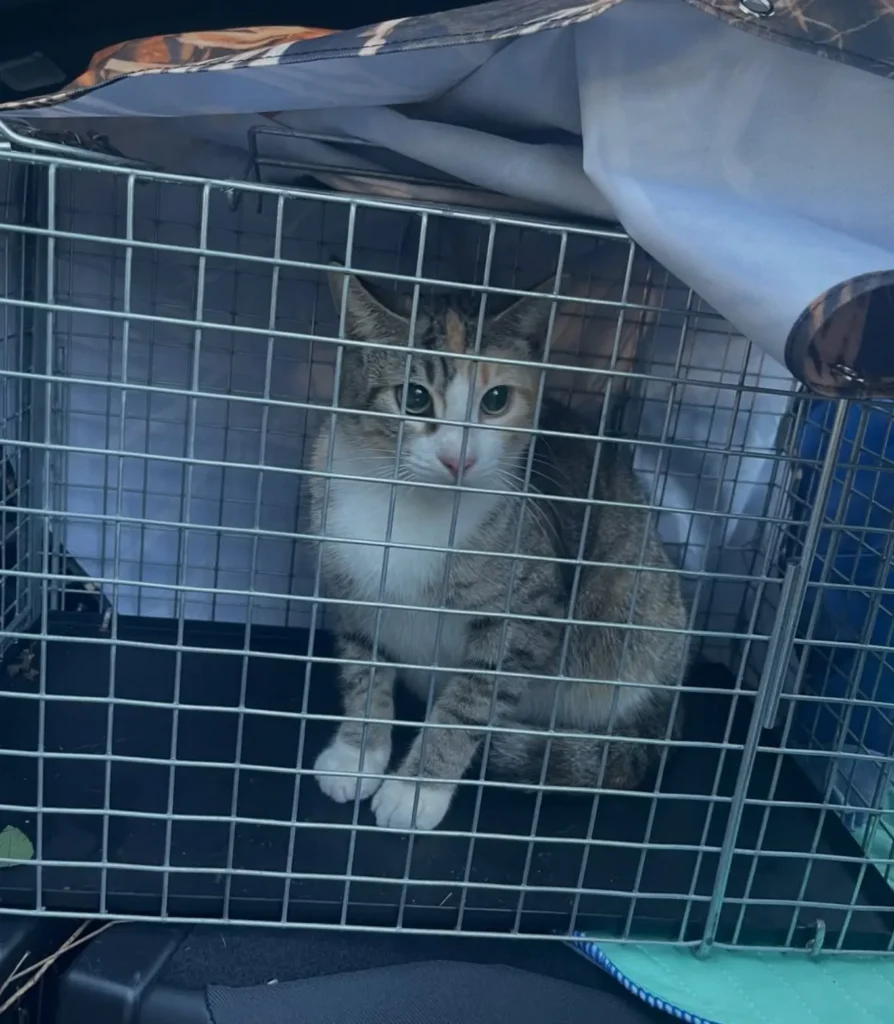
Daily Care, Socialization, and Growth
In foster care, kittens settle into a daily routine. That routine depends on age.
Very young kittens may need frequent feeding, warmth, and weight tracking. Older kittens usually need scheduled meals, litter box monitoring, safe play, cleaning, and socialization.
This is where fosters help the rescue see how the kitten is actually doing in a home. Appetite, energy, litter box use, weight gain, behavior, and comfort with handling all help us decide whether care needs to change.
Best Friends describes kitten fostering as something first-time and experienced fosters can do with supplies, feeding guides, and support, which matches how foster-based kitten care works in practice.
For many kittens, foster care lasts a few weeks. Some need longer if they are underweight, recovering, or too young for adoption.
Adoption Readiness
Kittens move toward adoption once they are healthy, eating well, using the litter box, gaining weight appropriately, and showing behavior that fits a home environment.
Adoption readiness does not mean the kitten is fully trained or fully grown. It means the kitten is medically and behaviorally ready for the next step.
Before adoption, we review the kitten’s health status, foster notes, personality, energy level, and any care needs the adopter should know. A shy kitten may need a quieter home. A playful kitten may need more interaction. A pair of bonded kittens may do better together.
Maddie’s Fund also has shelter and foster resources focused on getting kittens into foster homes quickly and creating organized foster placement systems, which supports the larger goal of moving kittens safely from intake to home-based care.
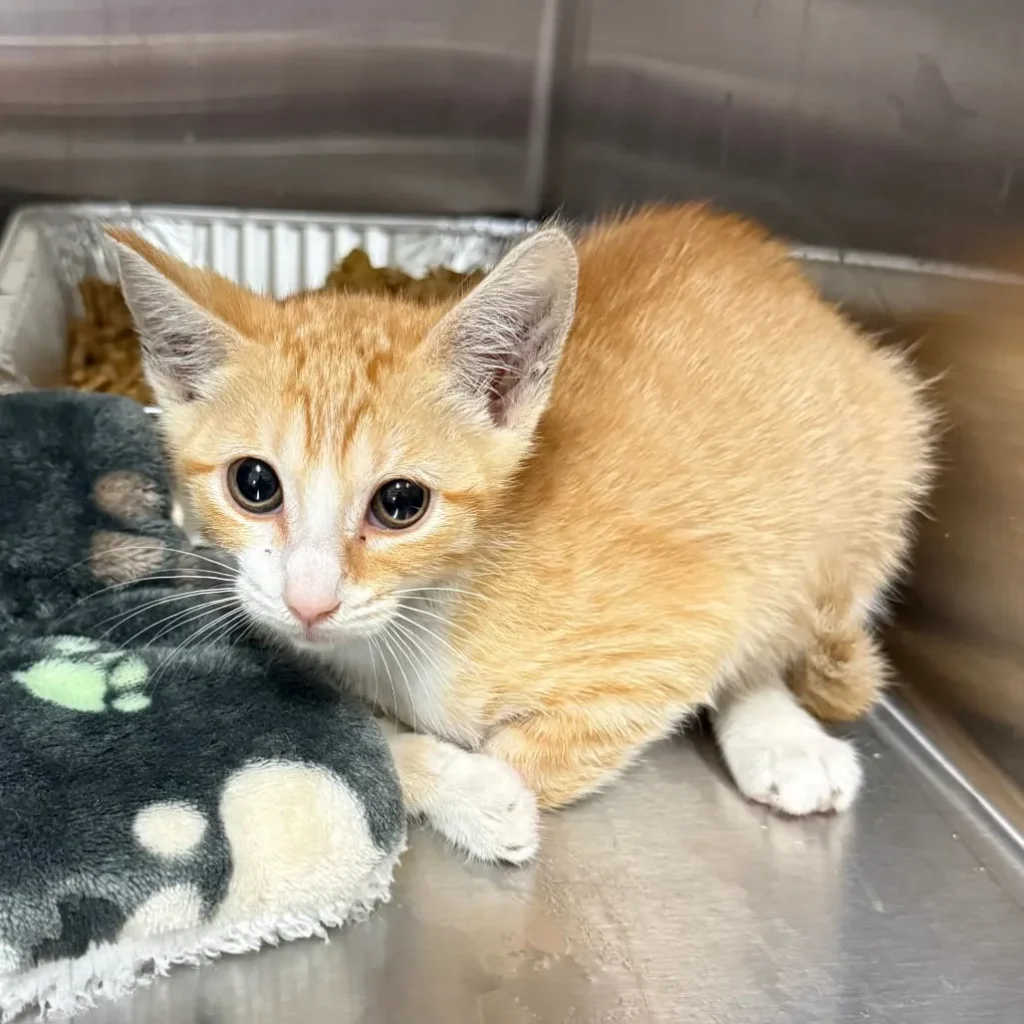
When kittens enter a rescue, the process starts with quick safety decisions: check their condition, handle urgent medical needs, and move them into the right foster setup as soon as possible.
From there, foster care gives kittens the daily feeding, cleaning, monitoring, and socialization they need before adoption. Some kittens move through the process quickly. Others need more time because of age, illness, or slow growth.If you are in South Florida and want to understand how you could help with this process, you can learn how our foster program works and see what type of kitten care may fit your schedule.