
What does helping cats through a rescue actually look like if you cannot foster or adopt right now? For many people in South Florida, especially across Broward County and nearby communities, the interest is there, but uncertainty about what volunteering involves creates hesitation. Time, experience, and comfort around animals are common concerns, and it is not always clear which type of help fits a normal weekly schedule.
Hands-on cat care support is one of the most direct ways to get involved without taking on long-term responsibility. It focuses on simple, structured tasks that keep cats healthy and stable while they are between foster homes or preparing for adoption. The work is practical, routine-based, and designed to be manageable for volunteers with different levels of experience.
This article explains what daily care volunteering actually involves, how the tasks are organized, and what kind of time commitment is typically expected so you can understand whether this role fits your situation.
Key Takeaways: Is hands-on cat care volunteering right for you?
- Hands-on cat care volunteering is best suited for people who can commit to short, scheduled time blocks rather than flexible drop-in availability.
- Most tasks involve feeding, cleaning, and maintaining daily routines, which require consistency more than prior animal experience.
- Volunteers do not need advanced skills because tasks are structured, explained clearly, and repeated on a predictable schedule.
- The role is physically light to moderate and focuses on routine care rather than medical or behavioral decision-making.
- Even a few hours per week can make a measurable difference when care responsibilities are shared across a volunteer team.
- This type of volunteering fits people who want direct involvement with cats without the long-term responsibility of fostering.
Hands-On Cat Care Support (Shelter & Foster Assistance)
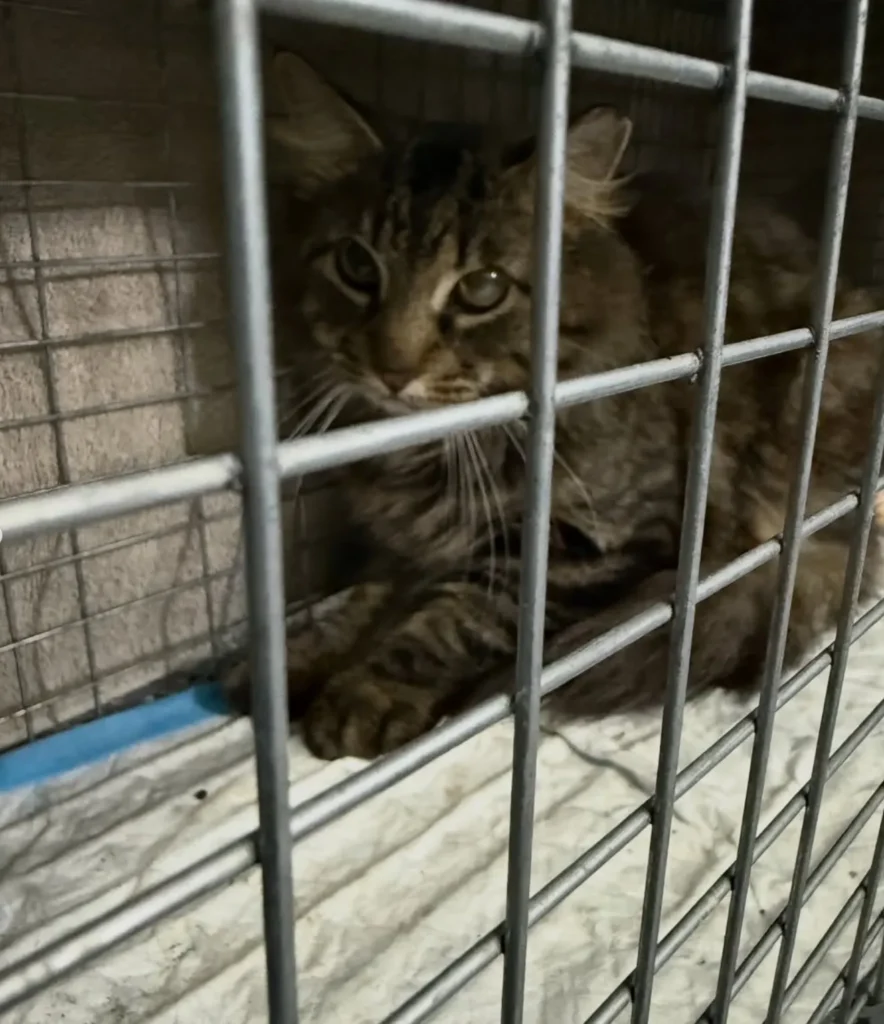
Hands-on cat care support involves helping with the daily physical care of cats that are between foster placement, preparing for adoption, or temporarily housed in structured care environments. This role is for people in South Florida who want direct interaction with cats but do not want the full responsibility of fostering.
These responsibilities are especially important in Broward County and surrounding South Florida areas where intake levels can change quickly and cats need consistent care to remain comfortable and ready for their next placement.
What daily cat care support involves
This role focuses on routine, repeatable tasks that keep cats physically healthy and their environment stable. The work is structured so volunteers know exactly what needs to be done each time they participate.
Typical responsibilities include:
- Feeding cats on a consistent schedule
- Cleaning litter areas and maintaining hygiene spaces
- Refreshing water bowls and checking food stations
- Washing bedding or replacing used blankets
- Observing general behavior and noting changes in appetite or activity
These tasks are simple in isolation, but they matter because they are repeated every day. Consistency is what keeps cats stable during transitions between foster homes or adoption placement.
Why consistency matters in daily care
Cats in transition often respond strongly to routine. Feeding times, clean spaces, and predictable environments help reduce stress and support healthier behavior over time.
When daily care is missed or inconsistent, it can affect appetite, litter habits, and social adjustment. When it is consistent, cats settle more quickly and become easier to evaluate for adoption readiness.
A practical reality is that most care tasks are repeated on a daily cycle:
- Feeding happens multiple times per day
- Litter cleaning is performed regularly to maintain hygiene
- Bedding and spaces are refreshed as needed
Stable daily routines are one of the most important factors in helping cats adjust during foster or adoption transitions.
Time commitment and structure of involvement
Hands-on care volunteering is typically organized in short shifts or scheduled blocks. Volunteers do not need to commit to daily availability, but consistency in scheduled participation is important.
Common expectations include:
- Participating in assigned shifts or scheduled care blocks
- Completing tasks within a defined timeframe
- Communicating availability in advance when possible
This role works best when volunteers can commit to predictable, scheduled time blocks rather than spontaneous availability.
Most people find that even a few hours per week can make a noticeable difference when care tasks are shared across multiple volunteers.
Who this role is best suited for
This type of volunteering fits people who are comfortable with hands-on animal interaction and prefer structured, task-based responsibilities.
It is often a good fit for:
- Individuals who want direct interaction with cats without fostering
- People who are comfortable following routine care instructions
- Volunteers who prefer predictable, scheduled involvement
- Those who want to build experience with cat behavior and care basics
Local impact across South Florida
Daily care support directly affects cats across Broward County and nearby South Florida communities, including Fort Lauderdale, Hollywood, Coral Springs, and Pembroke Pines. These tasks ensure that cats moving between foster homes or adoption readiness remain healthy and stable.
Hands-on care volunteers provide the daily stability that allows cats in South Florida to transition safely between foster homes and adoption opportunities.
Foster Home Support & Foster Assistance Roles
Foster home support roles involve helping foster families care for cats by handling the practical needs that keep foster placements stable and well-organized. This type of volunteering is useful for people in South Florida who want to support cats directly but cannot host animals in their own homes.
These roles are especially important in Broward County and surrounding South Florida communities where foster homes may be spread out, and consistent support helps keep placements running smoothly.
What foster support volunteers actually do
Foster support work is focused on logistics and assistance rather than direct daily care. The goal is to reduce pressure on foster families so they can focus on the cat’s routine and adjustment.
Common responsibilities include:
- Delivering or picking up food, litter, or basic supplies
- Transporting cats to veterinary appointments or check-ups
- Assisting with medication drops or prescription pickups when needed
- Helping coordinate schedule updates between foster families and rescue staff
- Providing short-term backup support during transitions or emergencies
These tasks are usually short in duration but time-sensitive. A single delivery or transport task can make a meaningful difference in keeping a foster placement stable.
How this role supports foster placements in practice
Foster homes operate on consistent daily routines, especially when caring for kittens or cats recovering from illness. When supplies run low or transportation is needed, delays can affect feeding schedules, medication timing, or vet visits.
Foster support volunteers help prevent those gaps by handling coordination tasks quickly and reliably. This keeps foster homes focused on care rather than logistics.
Typical support flow looks like this:
| Situation | Volunteer Support Action | Outcome |
| Supplies running low | Deliver food or litter | Routine care continues without interruption |
| Vet appointment needed | Provide transportation support | Cat receives timely medical care |
| Medication required | Pick up or deliver prescriptions | Treatment stays on schedule |
| Foster schedule conflict | Assist with temporary coverage coordination | Foster placement remains stable |
Each task is simple on its own, but together they keep foster systems functioning smoothly across South Florida.
Time commitment and flexibility
Foster support roles do not require a fixed schedule. Most involvement happens as needs arise, which makes this role flexible but responsive.
Typical expectations include:
- Occasional same-day or short-notice availability when possible
- Ability to complete small tasks within a few hours or a day
- Clear communication if availability changes
This structure allows people to contribute without committing to weekly shifts or long-term assignments.
Who this role is a good fit for
Foster support work is best suited for people who want direct involvement with rescue efforts but prefer structured, short-term tasks instead of ongoing animal care.
It often fits:
- People with flexible daytime or evening availability
- Individuals comfortable with basic driving or local travel in Broward County or nearby South Florida cities
- Volunteers who prefer helping behind the scenes rather than attending events
- Those who want to support foster homes without housing animals themselves
Local impact across South Florida foster networks
Even though the work is task-based, foster support roles directly affect cats in homes across Fort Lauderdale, Hollywood, Coral Springs, Pembroke Pines, and surrounding South Florida areas.
A delayed supply run or missed transport can affect a foster cat’s daily routine. A completed support task keeps that routine stable and predictable.
Foster support volunteers help maintain the stability of foster placements across South Florida by handling the practical needs that keep cats cared for on schedule.
Adoption Event & Community Outreach Volunteers
Adoption event and community outreach volunteering involves helping cats meet potential adopters in structured public settings across South Florida. This role is focused on visibility, communication, and creating a calm environment where people can learn about available cats and begin the adoption process.
These events often take place in Broward County and nearby South Florida communities, where public exposure plays a direct role in increasing adoption rates for cats in foster care.
What adoption event volunteers actually do
This role focuses on event support rather than ongoing animal care. Volunteers help organize and manage the environment so staff and foster caregivers can focus on each cat’s needs during the event.
Typical responsibilities include:
- Setting up tables, signage, and adoption materials before events
- Assisting with transport and setup of cat carriers or crates
- Helping keep event areas calm and organized throughout the day
- Speaking with visitors about individual cats and their basic personalities
- Directing adoption questions to the appropriate coordinator or application process
These tasks are structured and repeatable. Most events follow a predictable flow, which makes it easier for volunteers to understand their role quickly.
Event volunteers help create organized, welcoming spaces where adopters can safely meet cats and begin the adoption process.
How these events influence adoptions in practice
Adoption decisions often happen through direct interaction. Seeing a cat’s behavior in person helps potential adopters understand temperament, energy level, and compatibility in a way that online listings cannot fully capture.
Event volunteers support this process by keeping interactions smooth and reducing distractions during meetings between visitors and cats.
A typical event structure looks like this:
| Event Stage | Volunteer Role | Purpose |
| Setup | Prepare materials and space | Create an organized environment |
| Active event | Support visitor flow and basic questions | Maintain calm, structured interactions |
| Cat handling support | Assist with carriers and comfort needs | Keep cats stable during exposure |
| Wrap-up | Pack materials and coordinate cleanup | Ensure smooth event closure |
Each stage contributes to a consistent experience for both adopters and cats.
Well-run adoption events increase the likelihood that visitors feel confident enough to move forward with adoption.
Communication role during events
A large part of this volunteer role involves speaking with visitors in a clear and simple way. The goal is not to persuade but to provide accurate, grounded information about each cat.
Volunteers may help by:
- Sharing basic personality traits provided by the foster home
- Explaining whether a cat prefers quiet or active environments
- Clarifying age, background, or special care needs when known
- Redirecting detailed adoption questions to the application process
Communication stays focused on clarity and accuracy. Overstating behavior or guessing details is avoided so adopters receive reliable information.
Time commitment and event structure
Adoption events are scheduled in advance and typically run for a set number of hours. Volunteers usually participate in full event blocks rather than open-ended shifts.
Common expectations include:
- Arriving before the event for setup support
- Staying through the full event duration when possible
- Assisting with breakdown and cleanup afterward
- Participating occasionally rather than on a daily schedule
Events are designed to be structured, which makes planning easier for volunteers balancing other commitments in South Florida.
Who this role fits best
This type of volunteering works well for people who are comfortable in public settings and prefer structured, time-limited involvement.
It is often a good fit for:
- Volunteers who enjoy organized group environments
- Individuals comfortable speaking with the public in a simple, factual way
- People who want direct exposure to adoption outcomes without fostering
- Those available for occasional weekend or scheduled event participation
Local impact across South Florida
Adoption events directly support cats in foster care across Fort Lauderdale, Hollywood, Coral Springs, Pembroke Pines, and other surrounding South Florida communities. Each event increases visibility for cats who may otherwise only be seen online.
This role often serves as a visible entry point into rescue work because it allows volunteers to see adoption outcomes happen in real time without requiring long-term commitments or foster responsibilities.
Remote & Flexible Volunteer Roles (Digital + Behind-the-Scenes)
Remote and flexible volunteer roles focus on supporting cat rescue operations without requiring in-person attendance. These roles are often the easiest entry point for people in South Florida who want to help but need flexibility around work schedules, family responsibilities, or transportation.
These roles are especially useful in Broward County and surrounding South Florida areas where foster homes may be spread across different cities and communication needs stay constant throughout the week.
What remote volunteer work typically includes
Remote tasks are centered around keeping information accurate, visible, and up to date. Most responsibilities involve short, repeatable tasks rather than long projects.
Common examples include:
- Writing or editing short cat profile descriptions for adoption listings
- Updating social media posts with current adoption status or foster notes
- Organizing incoming inquiries so they reach the right coordinator
- Helping maintain basic records for cats in foster placement
- Sharing adoptable cats through local community groups or networks
These tasks do not require advanced experience with animals. The focus is on consistency, clarity, and follow-through.
How this role supports adoptions in practice
Many cats in foster care are not physically seen by the public on a daily basis. Without structured online and communication support, adoption visibility drops quickly.
Remote volunteers help solve this by maintaining steady exposure. A single updated post or improved description can directly affect whether a cat receives inquiries.
Typical workflow looks like this:
| Task Type | Purpose | Frequency |
| Profile updates | Keep adoption listings accurate | Weekly or as needed |
| Social sharing | Increase visibility in local communities | Several times per week |
| Inquiry sorting | Route messages to correct coordinator | Ongoing |
| Content support | Improve clarity of cat descriptions | As needed |
This type of work often happens in short time blocks rather than long sessions, which makes it easier to fit into daily routines.
Time commitment and expectations
Remote volunteering is designed to be flexible. Most roles do not require a fixed schedule, but consistency matters more than volume.
Common expectations include:
- A few hours per week of availability
- Responsiveness to assigned tasks within a reasonable timeframe
- Clear communication when availability changes
This makes the role accessible for working adults, students, or anyone balancing other commitments in South Florida.
Who this role fits best
Remote volunteer work tends to fit people who prefer structured, task-based involvement without direct animal handling.
It is a strong fit for:
- People who are comfortable with basic online tools
- Individuals with limited in-person availability
- Volunteers who prefer communication or organizational tasks
- Those who want to contribute before committing to in-person roles
Do I need experience to help remotely?
No. Most tasks are straightforward and come with clear instructions.
Can I volunteer if I only have a few hours a week?
Yes. Many remote roles are designed around short, flexible contributions.
Local impact across South Florida
Even though the work is remote, the impact is local. Updated listings and consistent outreach directly support cats fostered across Broward County, Fort Lauderdale, Hollywood, Coral Springs, and nearby South Florida communities.
Each completed task helps keep adoptable cats visible to people actively searching for them.
Choosing the Right Volunteer Role
Choosing the right volunteer role depends on your time availability, comfort level with animals, and how much structure you want in your involvement. There is no single “best” option. The right choice is the one that fits your current schedule and feels sustainable long-term.
For people in South Florida and Broward County considering getting involved, this step is often the point where uncertainty turns into a clear starting path.
How to evaluate which role fits you
Most volunteers decide based on three practical factors: time, comfort, and interaction level. Each role described earlier fits a different combination of these factors.
A simple breakdown looks like this:
| Factor | What to consider | Roles that may fit |
| Time availability | How often you can realistically help | Remote support, foster assistance |
| Comfort with cats | Hands-on interaction vs indirect support | Hands-on care, foster support |
| Public interaction | Comfort speaking with visitors | Adoption events |
This structure helps remove guesswork. It turns volunteering into a practical decision based on real-life constraints rather than assumptions.
Matching your schedule to a volunteer role
Time commitment is usually the biggest deciding factor. Some roles require short, flexible involvement, while others follow scheduled event-based participation.
If your availability is limited or unpredictable, remote support is often the most manageable entry point. Tasks can be completed in short blocks without needing a fixed schedule.
If you have occasional availability during the week, foster support roles often work well because tasks are assigned as needs arise rather than scheduled in advance.
If you prefer planned commitments, adoption events provide clear time blocks with defined start and end points, usually on weekends or set dates.
Matching comfort level with responsibility
Comfort with animals varies from person to person, and every level of involvement is valid. Some volunteers prefer indirect support, while others feel comfortable handling cats directly.
- If you prefer structured tasks without animal handling, remote roles are a good fit
- If you are comfortable with occasional transport or supply handling, foster support works well
- If you are comfortable around cats and public interaction, event volunteering may feel natural
Experience is not required for most roles. Tasks are typically explained clearly before involvement begins, and support is provided during initial participation.
Understanding the progression of involvement
Volunteer roles are not fixed paths. Many people move between roles depending on their schedule or interest level. Someone may start with remote support, then later assist at events or foster support tasks when more availability opens up.
This flexibility matters because life schedules change. Volunteer involvement is designed to adapt rather than require long-term commitment decisions upfront.
What to expect when you take the next step
Once a role is selected, the next step is usually a short onboarding process that explains responsibilities and expectations. Tasks are kept simple at the beginning so volunteers can build confidence gradually.
Most people find that initial involvement is easier than expected because responsibilities are broken into clear, manageable tasks rather than complex requirements.
A practical expectation is:
- Start with one defined role
- Receive clear instructions for tasks
- Adjust involvement based on comfort and availability
Local context across South Florida
Volunteer opportunities are shaped by local need across Broward County and surrounding South Florida communities, including Fort Lauderdale, Hollywood, Coral Springs, and Pembroke Pines. Different roles may become more active depending on seasonal intake, adoption events, or foster demand.
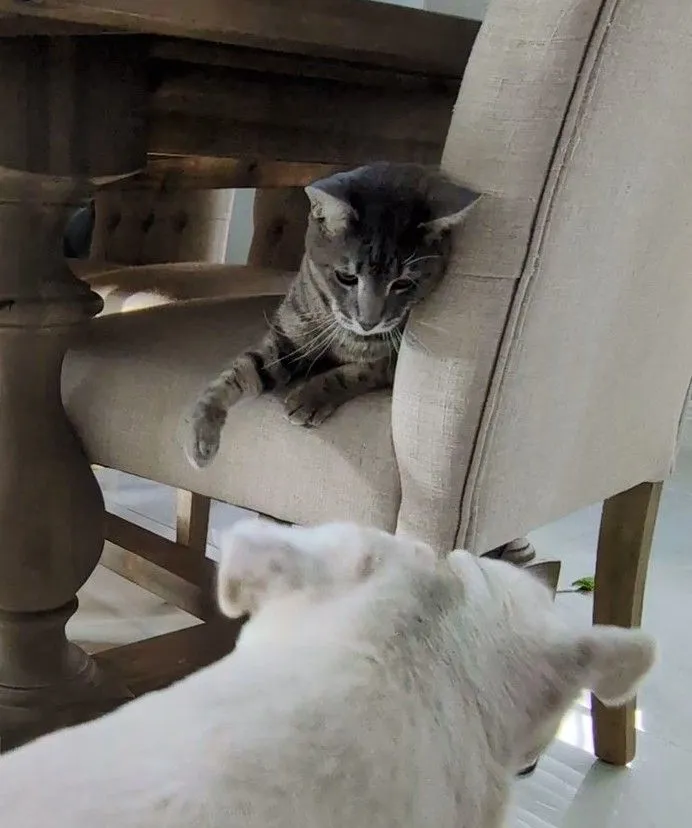
Hands-on cat care support is a structured way to help cats stay healthy and stable during foster and adoption transitions. The role is built around simple, repeatable tasks like feeding, cleaning, and maintaining daily routines. Because the work is organized into clear steps and scheduled time blocks, it allows volunteers in South Florida to contribute in a consistent but manageable way.
For many people, the decision comes down to whether they prefer direct involvement with animals in a routine setting or a more flexible form of support. This role provides that direct connection without requiring long-term commitments or advanced experience.If you are considering how to get more involved with cat rescue work in Broward County or nearby areas, learning more about volunteer opportunities with Happy Whiskers Animal Coalition can help you decide what type of support fits your schedule and comfort level.