

Volunteering with a cat rescue does not always mean fostering, adopting, or spending every shift directly with cats.
A lot of the work happens behind the scenes: preparing spaces, cleaning, tracking updates, coordinating transport, helping at events, and keeping supplies organized.
For people in Broward County and across South Florida, this matters because not every volunteer has the same schedule, comfort level, or experience. Many useful roles are simple, task-based, and easy to learn.
Here are six practical ways volunteers help cat rescues run smoothly.
Key Takeaways: What do behind-the-scenes cat rescue volunteers do?
- Volunteers help prepare spaces before cats arrive.
- Daily care tasks include feeding, cleaning, restocking, and basic observation.
- Socialization helps cats become more comfortable around people over time.
- Simple behavior updates help the rescue notice changes early.
- Transport volunteers help cats get to foster homes, vet visits, and adoption events.
- Adoption event volunteers help create calm, organized spaces for cats and visitors.
1. Intake Support and New Cat Settling
New cats need a clean, quiet space before they can settle.
Behind-the-scenes volunteers may help prepare carriers, bedding, food stations, litter boxes, and safe rooms before a cat arrives. This makes the first few hours less stressful and gives the rescue a better starting point for observation.
A newly arrived cat may hide, rest, avoid interaction, or seem unsure at first. That is normal. The goal is not to force attention right away. The goal is to provide food, water, litter, quiet, and a predictable routine.
For Happy Whiskers, this kind of setup helps cats transition more safely into foster homes, temporary care, or adoption preparation.
2. Feeding, Cleaning, and Daily Care
Daily care is one of the most important parts of rescue work.
Volunteers may help feed cats, refresh water, scoop litter, wash bowls, change bedding, wipe surfaces, organize supplies, and keep cat areas clean.
The ASPCA lists shelter-support volunteer tasks such as laundry, sorting donated goods, cleaning empty enclosures, stocking supplies, washing dishes, and washing transport cages. Those are basic tasks, but they are also the work that keeps animal care moving every day.
This role does not require advanced experience. It requires following instructions and noticing when something looks different, such as a cat not eating, hiding more than usual, or using the litter box differently.
3. Socialization and Enrichment
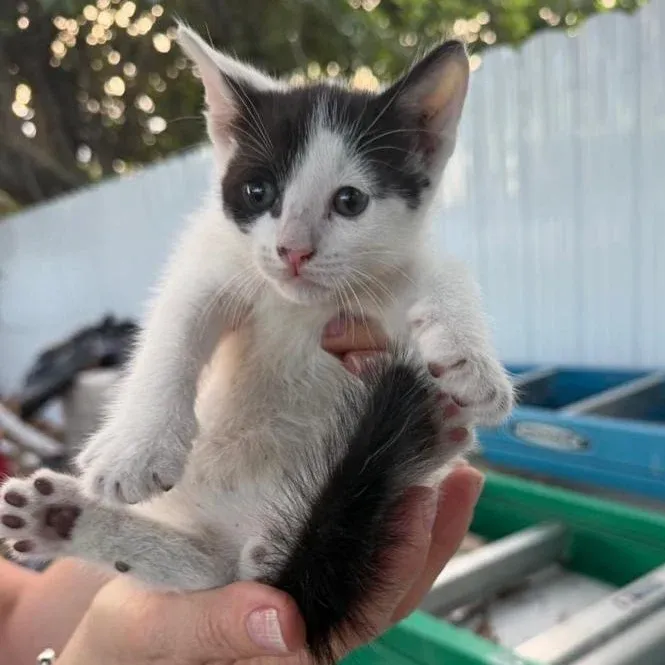
Some cats need time before they feel comfortable around people.
Volunteers can help by sitting nearby, speaking calmly, offering short play sessions, using wand toys, and giving cats space when they are not ready to interact.
Socialization is not about forcing affection. It is about giving cats repeated, low-pressure experiences with people. Over time, a shy cat may begin eating while someone is nearby, staying out in the open, playing, or approaching for attention.
These small changes matter because they help the rescue understand the cat’s personality and adoption needs.
A cat that learns to relax around people is easier to match with the right home.
4. Observation and Behavioral Updates
Volunteers often notice details that help the rescue make better care decisions.
This does not mean diagnosing medical problems or making behavior decisions. It means sharing simple, factual updates during normal care.
Useful updates may include:
- Ate less than usual today
- Hid during the full visit
- Used the litter box normally
- Came out for play for the first time
- Sneezed several times during cleaning
- Seemed more relaxed than yesterday
These updates help coordinators, fosters, and medical partners understand what is changing over time. A single note may not mean much by itself, but repeated patterns can help the rescue respond sooner.
5. Transport and Logistics Support
Transport volunteers help cats get where they need to go.
That may mean driving a cat to a vet appointment, helping with a foster handoff, bringing cats to an adoption event, or picking up supplies.
Best Friends lists pet transport, community cat care, local advocacy, and partner-shelter volunteering as ways people can help animals in their own communities.
Transport is a good role for someone who wants to help but cannot commit to daily care. Most trips are specific and scheduled. The cat stays in a secure carrier, and the volunteer’s job is to keep the trip calm, safe, and on time.
A single ride can keep a vet visit, foster placement, or adoption event from falling through.
6. Adoption Event and Community Support
Adoption events need more than adoptable cats.
Volunteers may help set up tables, prepare carriers, organize supplies, keep cat areas clean, answer basic visitor questions, support calm introductions, and help break down the space afterward.
Humane Society of Broward County lists volunteer roles that include clinic support and education outreach, showing how local animal welfare work often depends on both hands-on and community-facing help.
For a foster-based rescue, events and outreach are especially important. Many cats are not housed in a public shelter every day, so photos, events, posts, and clear communication help adopters find them.
This role works well for people who are comfortable helping with people, organization, and event flow.
Behind-the-scenes volunteer work keeps cat rescue moving.
Some volunteers prepare spaces. Some feed and clean. Some help shy cats build trust. Some track updates, drive to appointments, organize supplies, or support adoption events.
None of these roles has to be complicated to matter. Rescue work depends on simple tasks being done reliably, especially when cats are moving between intake, foster homes, vet care, and adoption.If you are in South Florida and want to help in a practical way, you can review our volunteer opportunities and see where your time may fit best.