
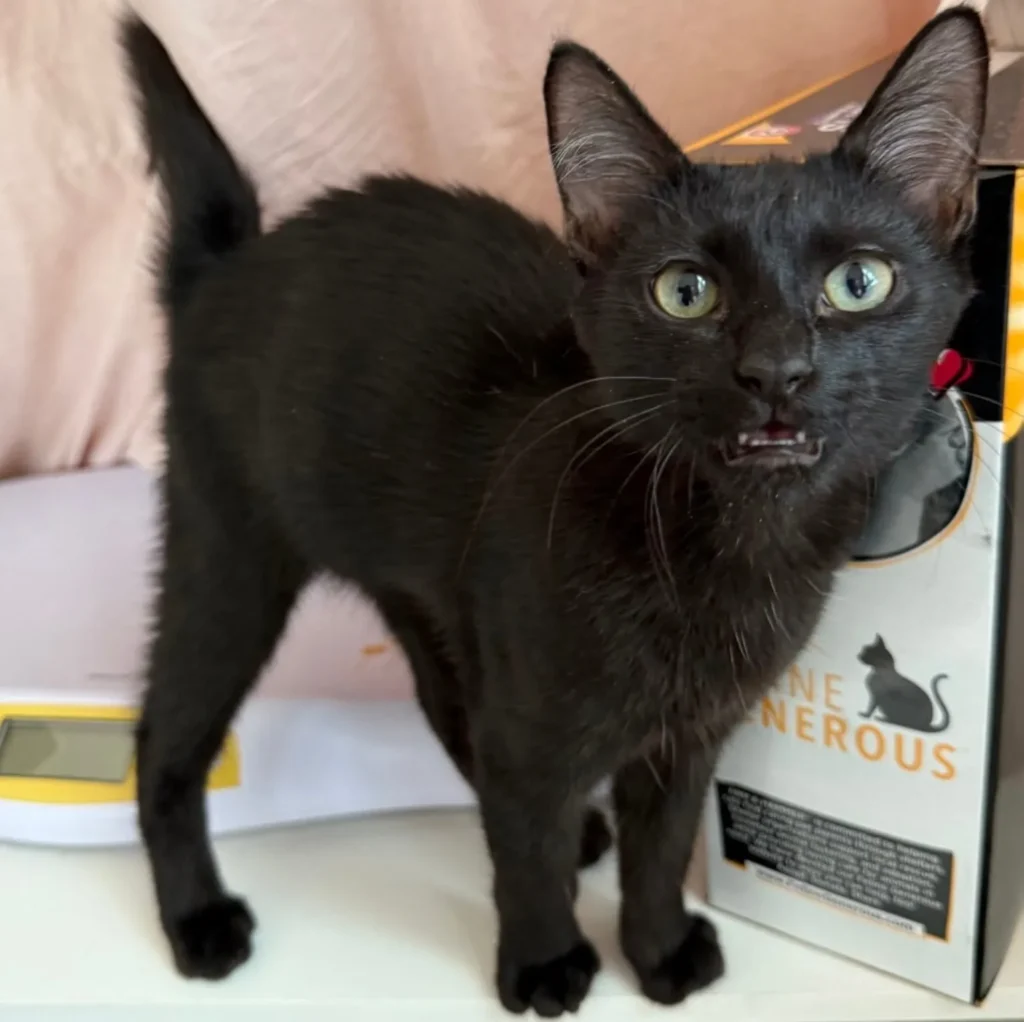
Volunteering with cats does more than help one animal at a time.
In South Florida, rescue work depends on people who can help with transport, foster coordination, adoption events, supply pickup, cat care, socialization, and basic communication. Those tasks may seem small on their own, but they affect how quickly cats can move from intake to foster care, adoption, or medical support.
Here are five practical ways cat rescue volunteering impacts the local community.
Key Takeaways: What does volunteering with cats impact locally?
- Volunteers help reduce pressure on crowded shelters by supporting foster placement, transport, and adoption flow.
- Foster volunteers give kittens and vulnerable cats the daily care they need outside a shelter setting.
- Socialization helps shy or stressed cats become easier to place in adoptive homes.
- Volunteers learn practical cat care information that often spreads through families, neighbors, and local communities.
- A stronger volunteer network helps rescues respond faster when cats need placement, supplies, vet care, or event support.
1. It Helps Reduce Pressure on Local Shelters
Local shelters can become overcrowded quickly, especially during high-intake periods.
When volunteers help with foster placement, transport, adoption events, or communication, cats can move out of shelter settings and into the next stage of care faster. That matters because every placement opens space, reduces stress, and helps the shelter or rescue respond to the next intake request.
Broward County Animal Care was reported to be over capacity by nearly 50% in May 2025, with hundreds of dogs and cats needing homes. That kind of overcrowding is exactly why foster homes, rescue partners, adopters, and volunteers matter locally.
For Happy Whiskers, volunteer help may look like transporting a cat, covering an adoption event, picking up supplies, helping with communication, or supporting a foster handoff. None of those tasks fixes overcrowding alone. Together, they keep cats moving through the system.
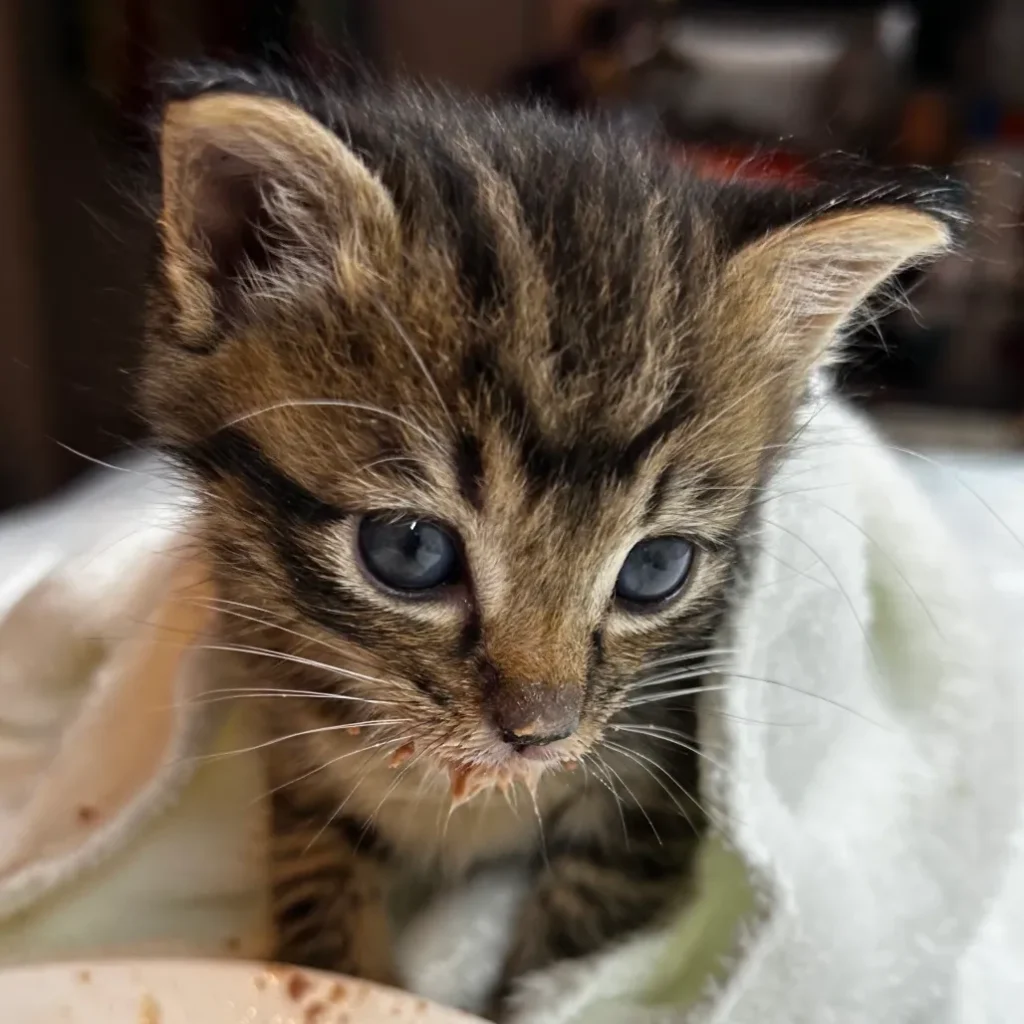
2. It Gives Kittens and Vulnerable Cats More Individual Care
Kittens and medically vulnerable cats often need more attention than a busy shelter environment can provide.
A foster home can offer scheduled feedings, a quiet space, warmth, cleaning, monitoring, and updates when something changes. That is especially important for young kittens, underweight cats, or cats recovering from stress, illness, or outdoor exposure.
The impact is practical. A foster may notice that a kitten is eating less, sneezing more, gaining weight, hiding, or becoming more active. Those small observations help the rescue decide whether the care plan is working or needs adjustment.
This kind of volunteer care does not require medical expertise. It requires follow-through, clear communication, and a home setup that matches the cat’s needs.
3. It Helps Cats Become More Adoptable
Some cats are not ready for adoption the day they enter rescue care.
They may be shy, scared, overstimulated, or unfamiliar with indoor routines. Volunteers and fosters help by giving cats repeated, low-pressure exposure to people, normal household sounds, feeding routines, and safe handling.
Socialization does not mean forcing affection. It usually means sitting nearby, speaking calmly, feeding consistently, playing when the cat is ready, and respecting when the cat needs space.
Over time, those small interactions help the rescue understand the cat’s personality. Is the cat playful? Quiet? Better with calm adults? Comfortable with other cats? Nervous around noise?
That information helps us match cats with homes where they are more likely to settle well.
4. It Builds Better Community Awareness Around Cat Care
Volunteering changes how people understand local cat rescue.
After helping with cats directly, volunteers often become more aware of kitten season, spay and neuter needs, indoor safety, foster shortages, adoption preparation, and the amount of coordination behind each placement.
Best Friends notes that local volunteer roles can include pet transport, community cat care, local advocacy, and helping at partner shelters. Those roles show how volunteer work often connects direct animal care with broader community education.
That awareness does not stay inside the rescue. Volunteers talk to friends, family, coworkers, and neighbors. They may explain why kittens should not be separated too early, why TNR matters, why fostering helps during intake surges, or why adoption takes more coordination than people assume.
That kind of everyday education helps the community make better decisions around cats.
5. It Strengthens the Local Rescue Network
Cat rescue depends on many small handoffs.
A transport volunteer gets a cat to a vet appointment. A foster volunteer provides a safe home. An event volunteer helps an adoptable cat meet visitors. A supply volunteer makes sure food, litter, and bedding are available. A communication volunteer helps keep updates moving.
Best Friends explains that transport and transfer partnerships can create better outcomes for pets by moving them from shelters to rescue partners and opening shelter space for animals in need.
That same idea applies locally. When more people can cover practical roles, the rescue network becomes easier to coordinate. Cats move faster. Foster homes feel less isolated. Events are easier to staff. Vet appointments are easier to keep.
The system gets stronger when volunteers fill the gaps between intake, care, and adoption.
Volunteering with cats impacts the community in practical ways.
It helps reduce shelter pressure, gives kittens and vulnerable cats more individual care, prepares cats for adoption, improves public understanding of rescue work, and strengthens the local network that keeps cats moving toward safe homes.
The work is usually made up of small tasks: driving, cleaning, feeding, organizing, communicating, fostering, or showing up for an event. Those tasks matter because they connect one stage of rescue care to the next.If you are in South Florida and want to help in a practical way, you can review our volunteer opportunities and see where your time may fit best.