
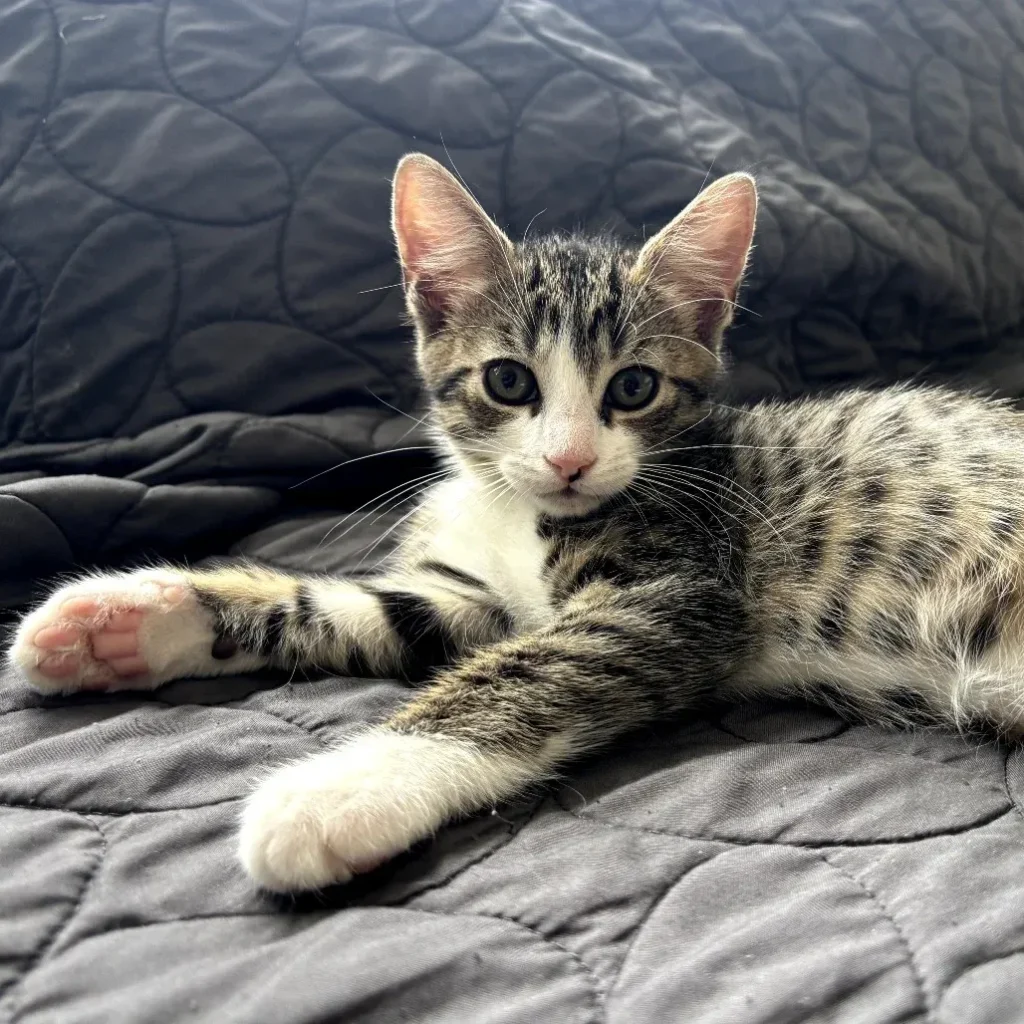
Fostering kittens changes the way animal rescue feels.
Before fostering, rescue can seem like something that happens somewhere else: at shelters, with experienced volunteers, or through people who already know what they are doing.
Once kittens are in your home, the work becomes much more concrete. You see how daily meals, a quiet space, basic observation, and steady care affect a kitten’s health and confidence.
Here are five ways fostering kittens can change how you understand rescue work in South Florida.
Key Takeaways: What does fostering kittens help you understand?
- Fostering shows how urgent kitten placement can be during high-intake periods.
- Rescue often happens in regular homes, not only in shelters or facilities.
- Small daily tasks can directly affect a kitten’s growth, comfort, and adoption readiness.
- One foster placement can create room for the next cat or kitten that needs help.
- You do not need a perfect setup to contribute in a practical way.
- Each foster placement is temporary, so you can decide afterward whether to continue or pause.
1. You See How Urgent the Need Really Is
Fostering makes the need feel immediate.
During kitten season, litters may need placement quickly. A rescue may have food, supplies, and volunteers ready, but still need a safe home where kittens can actually stay.
Best Friends explains that fostering can last a night or two or several weeks, depending on the pet’s needs and the foster’s lifestyle and schedule.
That flexibility matters during urgent intake periods. One open bathroom, spare room, or quiet space can help kittens move out of a holding situation and into daily care.
You start to understand that rescue capacity is not only about good intentions. It depends on available foster homes at the moment help is needed.
2. You Understand That Rescue Happens in Homes
Many people picture rescue work happening mostly in shelters.
Fostering shows that a lot of care happens in ordinary homes.
The ASPCA describes animal fostering as temporarily caring for a shelter animal at home while the animal waits for adoption, recovers, decompresses, or needs time to grow and develop.
For kittens, that home environment matters. They get used to household sounds, daily routines, human interaction, and safe handling. They learn what it feels like to eat, sleep, play, and settle in a normal home setting.
That is hard to understand from the outside. Once you foster, rescue stops feeling distant. It becomes something that can happen in a small, practical space inside your own home.
3. You Realize Small Actions Have a Direct Impact
Fostering shows how much small care tasks matter.
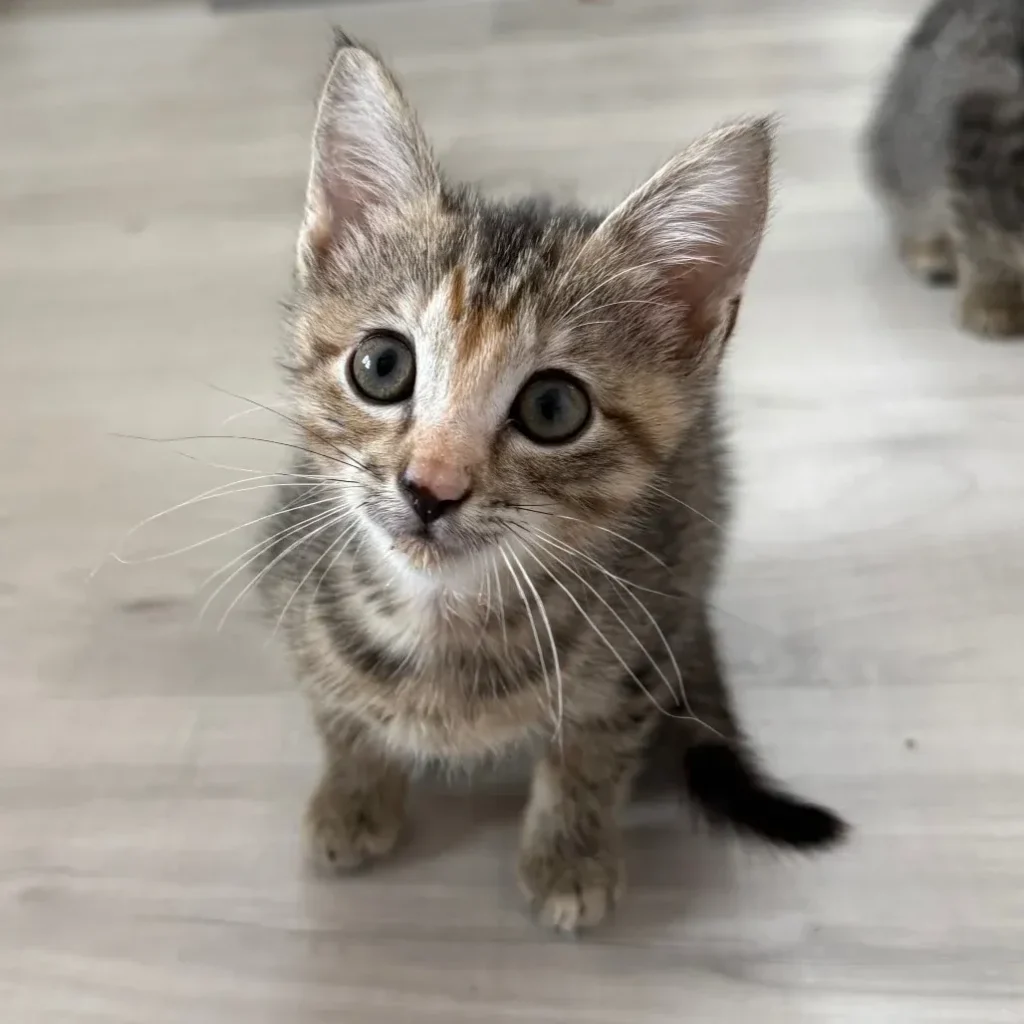
A meal at the right time. A clean litter box. A note about appetite. A short play session. A quiet place to sleep.
None of those tasks feels dramatic on its own, but together they help kittens grow, stabilize, and become easier to place.
A foster home may only care for one kitten or one litter at a time. But once that placement ends, the space can open again for another cat or kitten.
That is where the impact compounds. One short placement can support one group of kittens, then make room for the next.
Fostering turns “I wish I could help” into something specific: care for the kittens in front of you, one placement at a time.
4. You Develop a Better Understanding of What Cats Need
Fostering teaches you to notice details.
You start paying attention to appetite, energy, litter habits, confidence, play, hiding, and how kittens respond to people.
Most of this does not require advanced experience. It requires consistency and communication.
Best Friends’ kitten foster manual notes that kitten care can include strict feeding schedules, cleaning, snuggling, and playtime.
Over time, you begin to understand how cats adjust. A nervous kitten may need quiet. A playful kitten may need safe interaction. A kitten that suddenly eats less may need attention.
This changes how you see rescue. It is not only about finding adopters. It is also about helping cats become healthy, social, and understood before adoption.
5. You Start to See Yourself as Part of the Solution
Fostering changes your role.
You are no longer only someone who cares about rescue. You become one of the people helping the process move.
That does not mean you have to foster forever. It means you take one defined placement, follow the care plan, communicate when needed, and help that kitten reach the next step.
For Happy Whiskers, foster homes help connect intake, daily care, socialization, and adoption readiness.
That makes the work feel less overwhelming. The question is not, “Can I solve the whole problem?”
The better question is, “Can I help with one placement right now?”
Thinking About Fostering Kittens in South Florida?
Fostering works best when it is approached one placement at a time.
You do not need to know everything before starting. You need a safe indoor space, a willingness to follow care instructions, and enough consistency to handle daily feeding, cleaning, observation, and updates.
After one placement, you can decide whether to continue, pause, or help in another way.
That structure is what makes fostering realistic for many South Florida households.
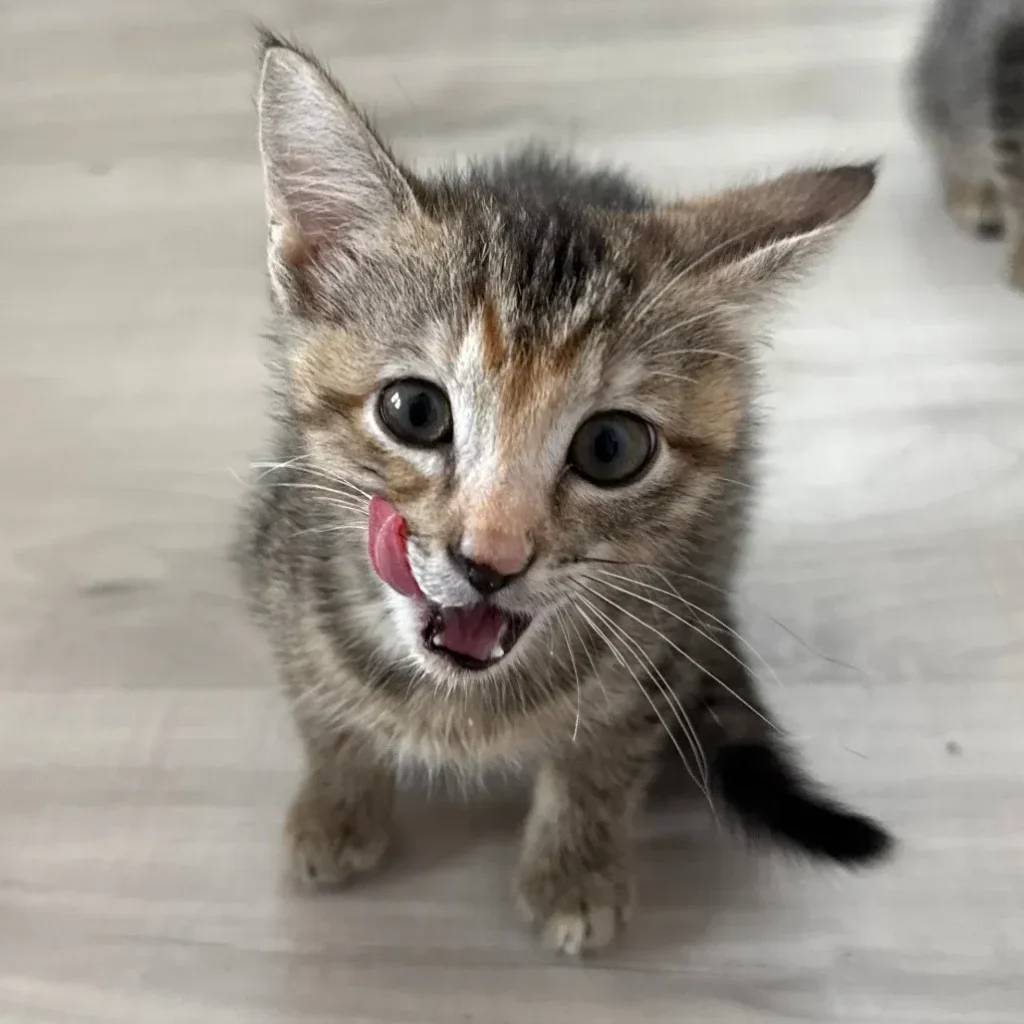
Fostering kittens changes how you see rescue because it makes the work immediate, local, and practical.
You see the urgency. You see how ordinary homes become part of the rescue system. You see how small routines help kittens grow, settle, and prepare for adoption.
If you are in South Florida and want to understand what fostering could look like in your own home, you can learn how our foster program works.