
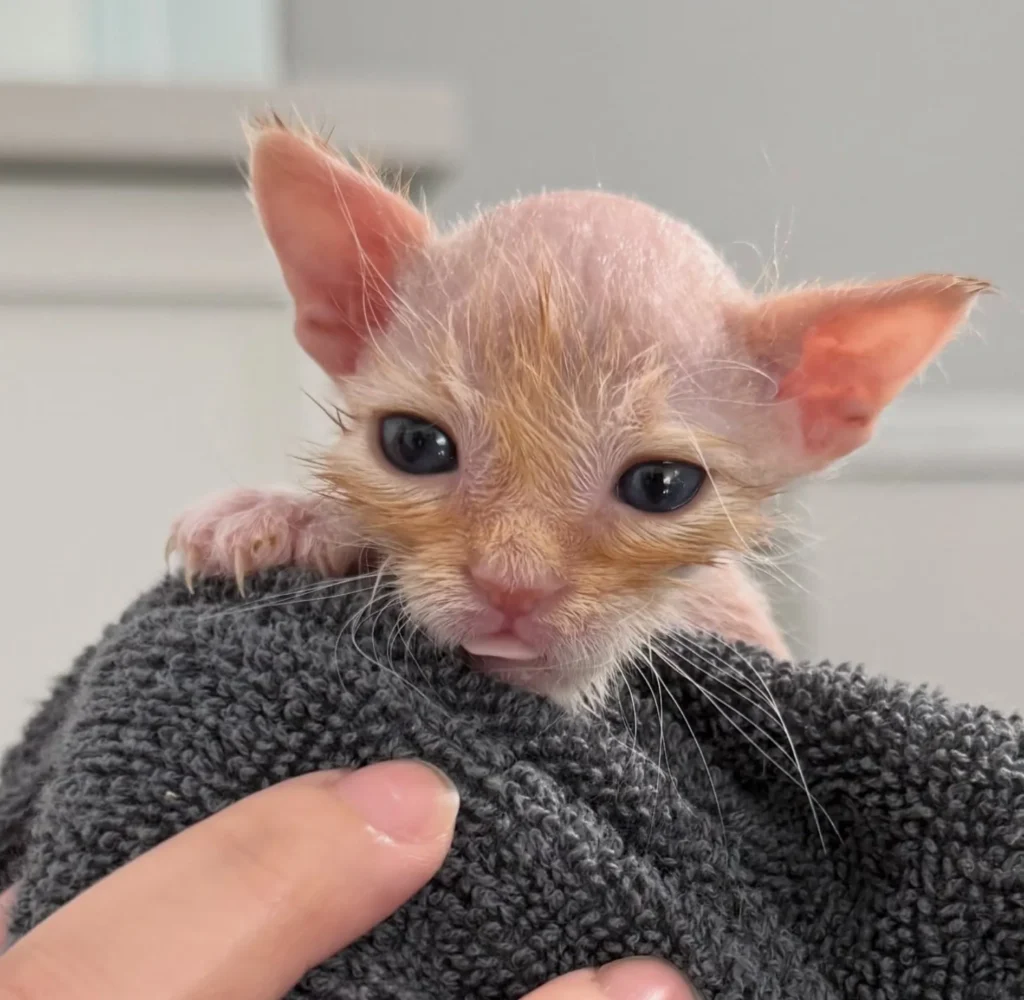
In South Florida, newborn kittens are often found outdoors without their mother, especially during kitten season. When that happens, they cannot be cared for the same way as older kittens or adult cats.
Neonatal kittens need frequent feeding, warmth, help going to the bathroom, weight checks, and close observation. Most cannot wait in a busy shelter environment for care to “fit into the schedule.” They need a person checking on them throughout the day and night.
This article explains what actually happens when a rescue cares for neonatal kittens, what fosters may be asked to do, and where the rescue team steps in.
Key Takeaways: Can you realistically help care for neonatal kittens?
- Neonatal kittens usually need feeding every 2–4 hours, especially in the first weeks.
- They must be kept warm because young kittens cannot regulate body temperature well.
- Daily care includes feeding, weighing, cleaning, and watching for changes.
- Foster caregivers follow rescue instructions; they are not expected to make medical decisions alone.
- The hardest stage is temporary. Care becomes easier as kittens begin eating on their own.
1. Why Neonatal Kittens Need Specialized Rescue Care
Neonatal kittens are very young kittens, usually under four weeks old. At this age, they depend on care that a mother cat would normally provide.
That includes food, warmth, stimulation to urinate and defecate, and protection from stress. Without that care, they can decline quickly.
Veterinary guidance from VCA explains that orphaned kittens need a strict feeding schedule, often every 2–4 hours during the first week, then less often as they grow closer to weaning.
That is why foster-based care matters. A quiet home is often better suited than a busy shelter space because a foster can track small changes: whether the kitten ate, gained weight, stayed warm, or seemed weaker than usual.
2. How Rescues Place Neonatal Kittens Into Foster Homes
When neonatal kittens come into a rescue, placement has to happen quickly. The goal is to get them into a warm, controlled space with someone who can follow a feeding and care schedule.
We look at the kitten’s age, condition, and level of care before placing them. We also look at the foster’s schedule. A person who works long shifts away from home may not be the right match for newborn bottle babies, but they may be a good fit for older kittens later.
A neonatal foster setup may include formula, bottles or syringes, feeding instructions, heating supplies, a scale, and a way to report concerns. The exact supplies depend on the kitten’s age and condition.
The point is not to place the hardest case with whoever says yes first. The placement needs to match the kitten’s needs and the foster’s actual availability.
3. Daily Care: Feeding, Warmth, Bathroom Help, and Weight Checks
Daily neonatal kitten care is repetitive. That is part of what makes it learnable.
A typical care cycle may include warming the kitten if needed, preparing formula, feeding safely, helping the kitten urinate or defecate, cleaning them, weighing them, and noting any concerns.
Warmth matters before feeding. Best Friends Animal Society warns not to feed a cold kitten and recommends using safe heat sources instead of relying on body heat.
Maddie’s Fund also notes several basic care rules for orphaned kittens, including daily weighing, warming milk before feeding, stimulating kittens to pee and poop, burping after feeding, and never feeding a chilled kitten.
For fosters, the job is to follow the routine and speak up quickly if something changes. Slow feeding, missed weight gain, diarrhea, weakness, or crying that does not settle are all reasons to check in with the rescue.
4. How Medical Support Works
Foster caregivers are not expected to diagnose neonatal kittens on their own.
The foster handles daily care and observation. The rescue coordinates medical decisions, approved vet care, medication instructions, and next steps when something is wrong.
That division matters because neonatal kittens can change fast. A small issue, like not eating well or losing weight, can become serious if it is missed. Daily notes from the foster help the rescue decide whether the kitten needs a feeding adjustment, a vet visit, or closer monitoring.
A good foster does not need to know every medical answer. They need to notice changes, follow instructions, and communicate early.
5. When Neonatal Kittens Start Needing Less Intensive Care
The neonatal stage does not last long.
As kittens grow, they begin eating more at each feeding, staying warmer on their own, moving around more, and eventually showing interest in soft food. The University of Wisconsin Shelter Medicine program describes care for young kittens as focused on warmth, hydration, nutrition, cleanliness, and socialization as they grow from birth to eight weeks.
Around four weeks, many kittens begin the weaning process, though timing varies. Some kittens transition quickly. Others need more time with bottle feeding and monitoring.
For fosters, this is usually when the routine starts to feel less intense. Feedings become more spaced out, overnight care may reduce, and the kitten begins acting more like a playful young cat instead of a fragile newborn.
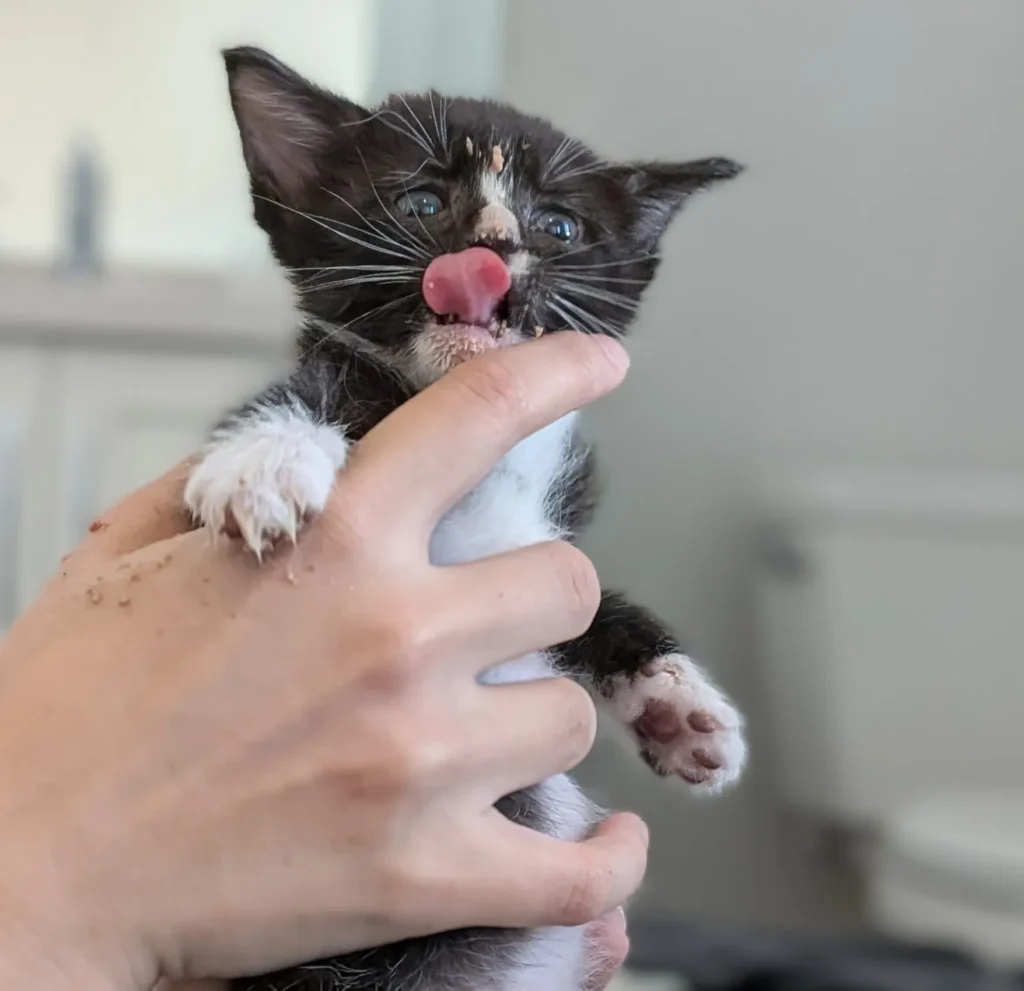
Rescues care for neonatal kittens by moving them into foster homes, setting a clear feeding and warming routine, tracking weight and behavior, and coordinating medical care when needed.
The work is detailed, especially during the first few weeks, but it is not guesswork. Fosters follow a plan, report changes, and help kittens get through the stage when they cannot survive on their own.If you are in South Florida and want to understand what fostering would involve, you can learn how our foster program works and see whether this type of short-term care fits your schedule.