
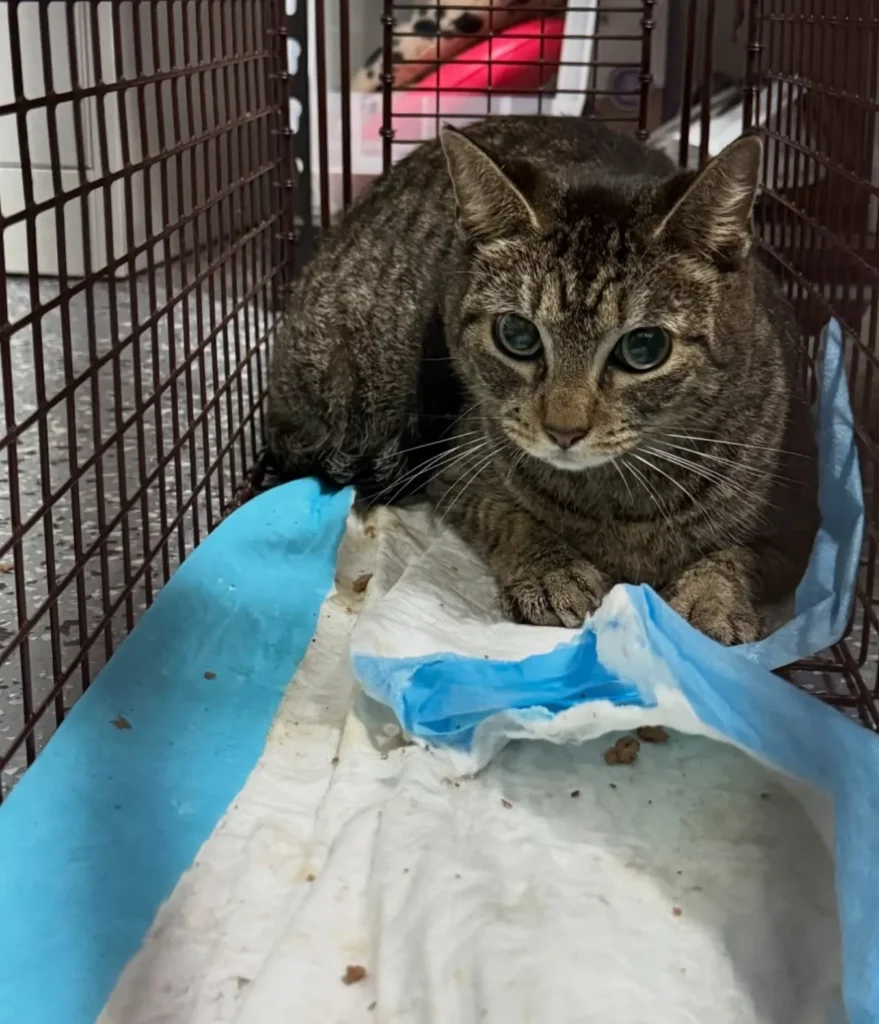
In South Florida, kitten season can last for much of the year. Local rescues often receive calls about young kittens found outside, kittens brought to shelters, or litters that need care before they are old enough for adoption.
That is where foster homes matter.
A rescue can only take in kittens when there is a safe place for them to go. Foster homes give kittens the daily care, warmth, feeding, cleaning, and monitoring they need while the rescue coordinates supplies, vet care, and adoption planning.
This article explains how fostering kittens helps rescue cats in South Florida and why foster homes are such a big part of kitten rescue work.
Key Takeaways
- Foster homes give kittens a safe place to grow before adoption.
- Many rescues do not have large shelter buildings and rely on foster homes instead.
- Young kittens often need care that is hard to provide in a crowded shelter setting.
- Foster care helps kittens become comfortable with people, routines, litter boxes, and household sounds.
- Each available foster home may allow a rescue to accept another kitten or litter.
- Fostering is often more accessible than people expect because rescues usually provide instructions, supplies, and approved vet care.
Why Foster Homes Are Essential to Cat Rescue Programs
Many cat rescues depend on foster homes because they do not have a large building where cats can stay.
Instead, kittens are placed in temporary homes until they are old enough, healthy enough, and ready for adoption. This lets rescues care for kittens in smaller, quieter spaces instead of relying only on shelter kennels or emergency intake options.
At Happy Whiskers, foster homes allow us to place kittens in safe homes while we coordinate supplies, approved veterinary care, and adoption preparation.
Most Rescues Do Not Operate Large Shelters
Independent rescues often work without a central shelter facility.
That means foster homes are not extra help. They are where much of the care happens.
A foster home gives kittens:
- a clean indoor space
- regular feeding
- litter box practice
- daily observation
- human interaction
- a quieter place to rest
- updates that help the rescue track progress
This setup helps us notice small changes sooner. If a kitten stops eating, loses energy, has loose stool, or seems less active than usual, a foster caregiver may catch that quickly and contact the rescue.
Foster Homes Expand How Many Kittens a Rescue Can Help
A rescue’s intake is often limited by foster space.
If no foster homes are available, a rescue may not be able to accept another litter, even if the need is urgent. If one foster home opens, that may create room for kittens who otherwise have nowhere to go.
Foster homes can help rescues:
- take in kittens found outdoors
- accept kittens from community members
- assist shelters that need help with young animals
- care for kittens until they reach adoption age
- separate kittens from stressful or unsafe environments
- monitor kittens before adoption placement
Even one foster home can matter. A person who can foster one litter for a few weeks may give the rescue enough room to respond when another kitten request comes in.
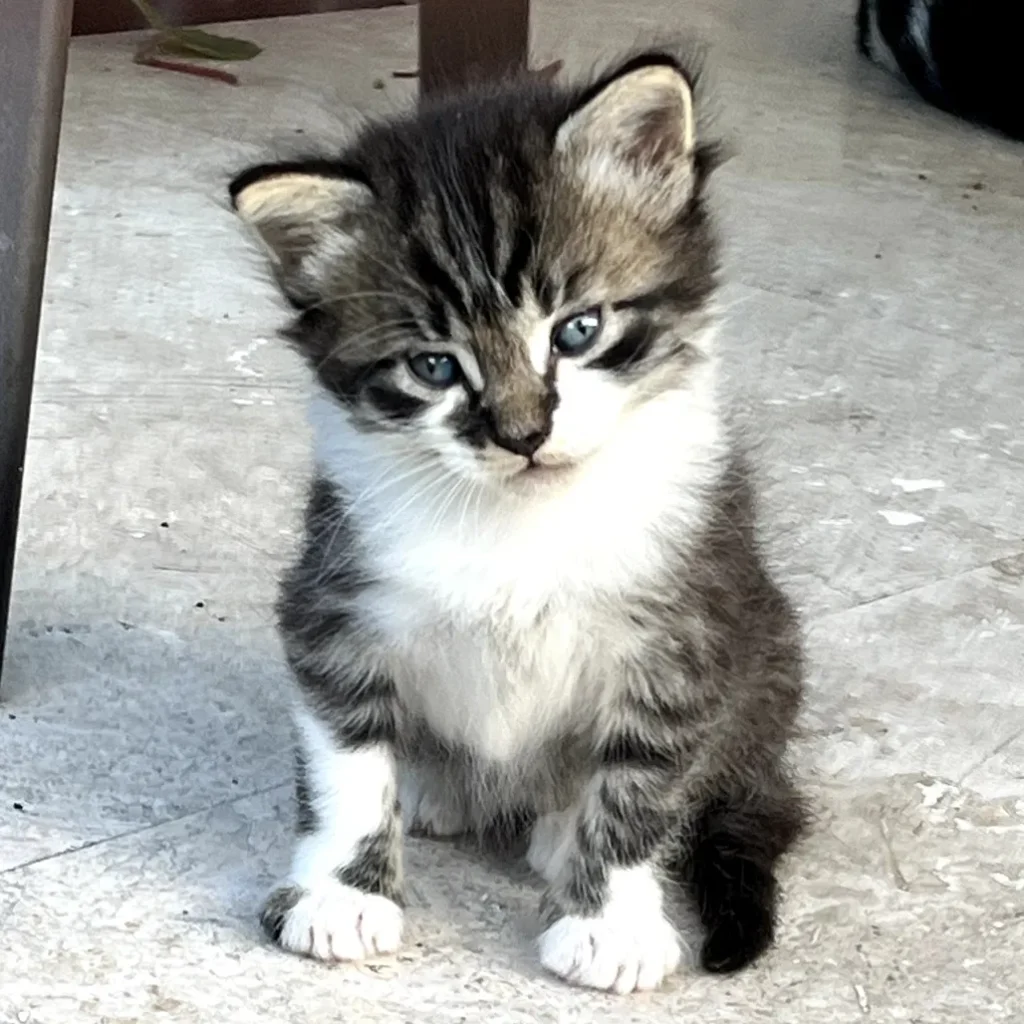
Young Kittens Often Cannot Thrive in Shelters
Very young kittens need more than food and a cage.
Many arrive before they are old enough to eat on their own, use a litter box reliably, or regulate their body temperature well. Some need frequent feeding. Others need close monitoring while they transition to solid food.
That kind of care is difficult in a busy shelter setting.
Neonatal Kittens Require Frequent Care
Neonatal kittens are very young kittens who still need hands-on care.
Depending on their age and condition, they may need:
- feeding every few hours
- help staying warm
- regular weight checks
- monitoring for dehydration or illness
- help with early bathroom needs
- careful cleaning after feeding
- observation as they grow and develop
This is one reason rescues depend on trained or supported foster caregivers. Young kittens can decline quickly, so close observation matters.
Not every foster home takes neonatal kittens. Some foster homes are better suited for older kittens who are eating on their own. Matching the placement to the foster’s schedule and experience helps keep both the kittens and foster home safe.
Foster Homes Provide the Calm Environment Kittens Need
Shelters serve an important purpose, but they are often busy and loud. Very young kittens do better in a quieter setting where their feeding, cleaning, and rest can be watched closely.
| Foster Home Environment | How It Helps Kittens |
| Quiet indoor space | Gives kittens a lower-stress place to grow |
| Regular feeding routine | Helps maintain steady care |
| Close observation | Makes behavior or health changes easier to notice |
| Human interaction | Helps kittens become comfortable around people |
| Smaller group care | Makes it easier to monitor each kitten |
A foster home does not need to be fancy. A bathroom, spare room, office, or other contained space may work depending on the kittens’ age and needs.
Foster Care Helps Kittens Grow Into Adoptable Cats
Foster care does more than keep kittens safe.
It helps kittens learn how to live in a home. That matters because kittens are not just waiting to get bigger. They are learning how to interact with people, respond to routine, use a litter box, play safely, and adjust to normal household activity.
Kittens Learn From Daily Interaction
In a foster home, kittens are exposed to everyday life in small, manageable ways.
They may learn to:
- be gently handled
- eat on a schedule
- use a litter box
- hear normal household sounds
- play with toys
- interact with people
- settle after activity
- rest in a safe space
These small interactions help kittens become more comfortable before adoption.
A kitten who has been handled gently, fed consistently, and exposed to normal household routines may have an easier time adjusting when adopted.
Foster Homes Help Monitor Health and Development
Foster caregivers also help track how kittens are doing day to day.
They may observe:
| Development Area | What Foster Caregivers Watch For |
| Appetite | Whether kittens are eating normally |
| Weight | Whether kittens are growing steadily |
| Energy | Whether kittens are active and alert |
| Litter habits | Whether kittens are using the box |
| Behavior | Whether kittens are social, nervous, playful, or quiet |
These updates help the rescue decide when kittens need vet care, when they may be ready for adoption, or whether the care plan needs to change.
Fosters are not expected to diagnose medical issues. Their role is to watch, care, and communicate.
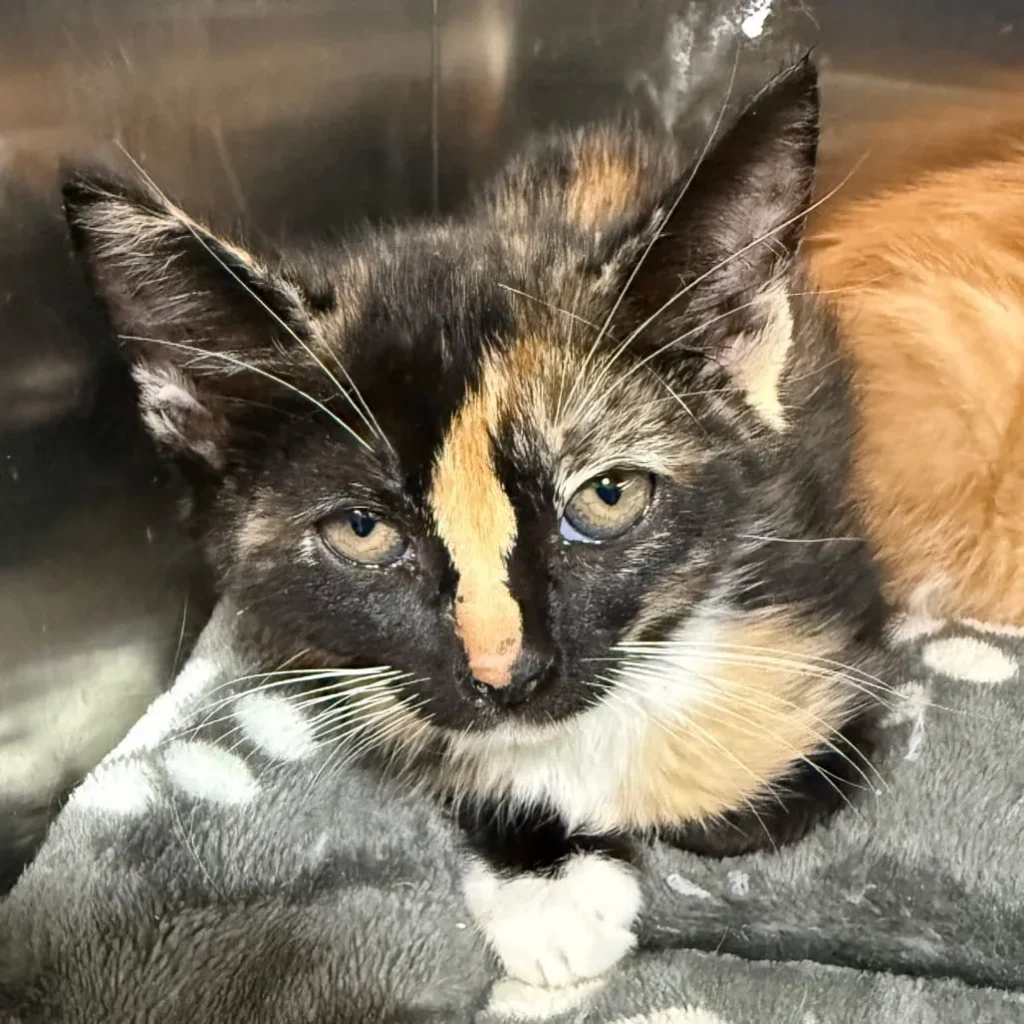
Fostering Allows Rescues to Respond to Kitten Season
Kitten season can be intense in South Florida because the warm climate allows cats to reproduce for much of the year.
That means rescues may receive calls about kittens during more than one short season. Some litters are found outside. Some are too young for adoption. Some need bottle feeding. Some need a safe place while they grow.
Foster homes give rescues more options when those calls come in.
South Florida Has Extended Kitten Seasons
In colder areas, kitten season may be more seasonal. In South Florida, kitten intake can continue for a longer part of the year.
Rescues in Broward County and nearby communities may hear about:
- kittens found in yards, parking lots, or neighborhoods
- abandoned litters
- kittens brought to shelters too young for adoption
- young cats needing temporary care
- community members asking where kittens can go safely
When foster homes are available, rescues have more flexibility. When foster homes are full, intake slows down.
Foster Space Affects Rescue Decisions
This is one of the clearest ways fostering helps.
If a rescue has no foster placement, it may not be able to say yes to another litter. If a foster home is available, the rescue may be able to act quickly.
Foster availability affects:
- whether kittens can be accepted
- how quickly a litter can leave a risky setting
- whether a shelter partner can be helped
- whether kittens can be separated by age, health, or care needs
- whether the rescue can keep intake moving safely
Fostering does not solve every intake problem, but it gives rescues more room to respond.
Foster Families Support the Local Rescue System
Foster homes do not only help the kittens in their care. They also help the rescue system around them function better.
When kittens move into foster homes, shelters and rescues can use limited space and staff time for other urgent cases. Foster care also gives rescues time to coordinate vet care, vaccines, spay/neuter timing, photos, adoption listings, and adopter screening.
Fostering Helps Shelters and Rescues Work Together
Shelters and rescues often face different limits.
Shelters may have more intake pressure. Foster-based rescues may have more home-based placement options. When rescues have active foster homes, they may be able to take kittens who need a quieter place to grow.
That can help with:
- transferring kittens into foster care
- giving kittens time to grow before adoption
- coordinating vet care outside a crowded setting
- preparing kittens for adoption through a home-based process
This kind of coordination depends on people being available to foster.
Foster Networks Make Rescue More Flexible
A foster network gives a rescue more than space. It gives the rescue options.
Different foster homes may be able to help with different placements. One person may be able to take older kittens. Another may be able to take a short-term placement. Another may have experience with bottle babies. Another may only be available during certain weeks.
That variety matters.
It allows the rescue to match kittens with the right level of care instead of placing every kitten into the same kind of setup.
Many People Are Surprised by How Accessible Fostering Can Be
A lot of people assume fostering kittens requires special training, a large home, or unlimited free time.
Some placements do require more experience, especially neonatal kittens. But not every foster placement is the same. Older kittens who are eating on their own may be a better fit for first-time fosters.
At Happy Whiskers, we look at your schedule, home setup, and comfort level before matching a foster placement.
We may consider:
| Factor | Why It Matters |
| Availability | Helps determine whether you can handle frequent care or need an easier schedule |
| Experience | Helps us avoid placing you with care needs you are not ready for |
| Home setup | Helps confirm whether you have a safe, separate space |
| Resident pets | Helps plan separation and safety |
| Travel schedule | Helps avoid placements during times you cannot provide daily care |
Foster homes are not expected to handle everything alone. The rescue coordinates approved veterinary care, provides care instructions, and helps with supplies.
Your job is to provide daily care, follow instructions, observe the kittens, and communicate concerns early.
For readers who want to understand the full process, you can learn how our foster program works through Happy Whiskers.
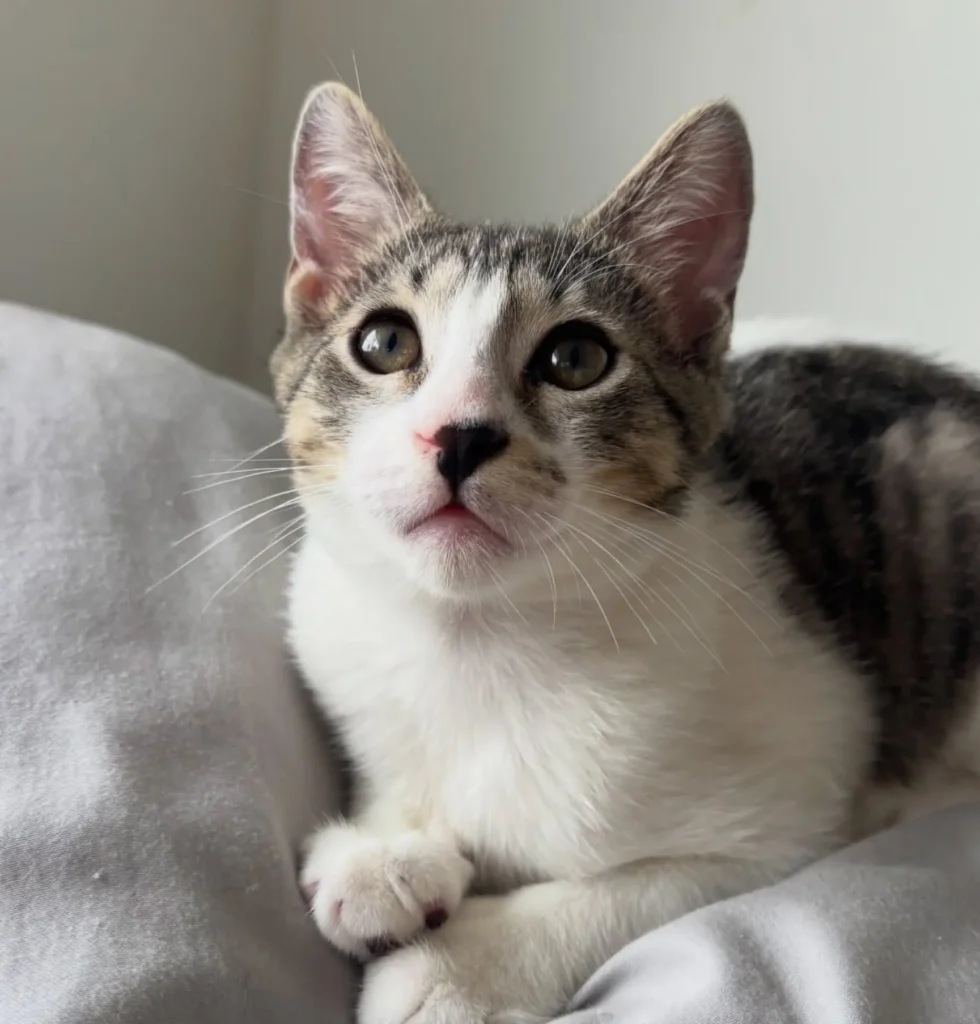
Fostering kittens helps rescue cats because it gives young kittens a safe place to grow while creating room for rescues to accept more animals.
In South Florida, where kitten season can last much of the year, foster homes affect what rescues can say yes to. A foster home may provide bottle feeding, care for older kittens, monitor growth, help with litter training, or simply give a litter a quiet space until adoption.
Fostering does not require every person to take the hardest case. Even a short-term placement or one litter can help. If you are interested in helping kittens in Broward County or nearby South Florida communities, you can apply to foster with us and tell us what kind of placement may fit your home and schedule.