
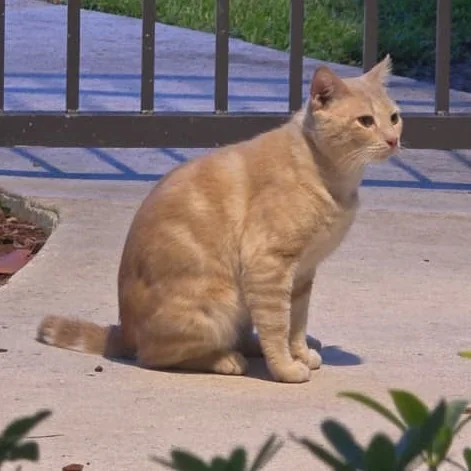
A foster cat may sleep through the television and disappear the moment the vacuum starts.
Another may ignore kitchen appliances but run when someone knocks on the front door.
Household sounds that are loud, sudden, close to the cat, or paired with unfamiliar movement are more likely to cause a strong reaction. Vacuums, blenders, doorbells, shouting, construction, and repeated barking are common examples.
The sound itself is only part of what we watch. How the cat behaves afterward tells us whether they were briefly startled or are having difficulty settling in the home.
Key Takeaways: Which Household Sounds Can Stress Rescue Cats?
- Vacuums can be difficult because they combine noise, movement, and floor vibration.
- Blenders, hair dryers, and similar appliances start suddenly and may startle a new cat.
- Doorbells, knocking, and hallway activity can be difficult because they often happen before someone enters the home.
- Repeated barking or loud activity near the foster room may prevent a cat from resting.
- Brief hiding after a sound can be normal when the cat returns to eating, resting, and using the litter box.
- Tell us when a particular sound repeatedly affects the cat’s basic care or keeps them distressed.
Vacuums Combine Several Things Cats May React To
The vacuum is one of the more difficult household sounds for some foster cats because it does more than make noise.
It moves through the room. It approaches furniture and hiding areas. The motor changes pitch, and the cat may feel vibration through the floor.
A cat who ignores a television may immediately retreat when the vacuum starts.
If you are fostering cats in Broward County, you do not need to stop vacuuming for the entire placement. We do want the cat to have somewhere away from the appliance.
Do not push the vacuum toward a hiding cat or block their route back to the foster area.
If possible, clean another part of the home while the cat remains in their contained space. Then watch what they do after the vacuum stops.
A cat who returns to resting or eating has recovered differently from a cat who remains hidden and skips the next meal.
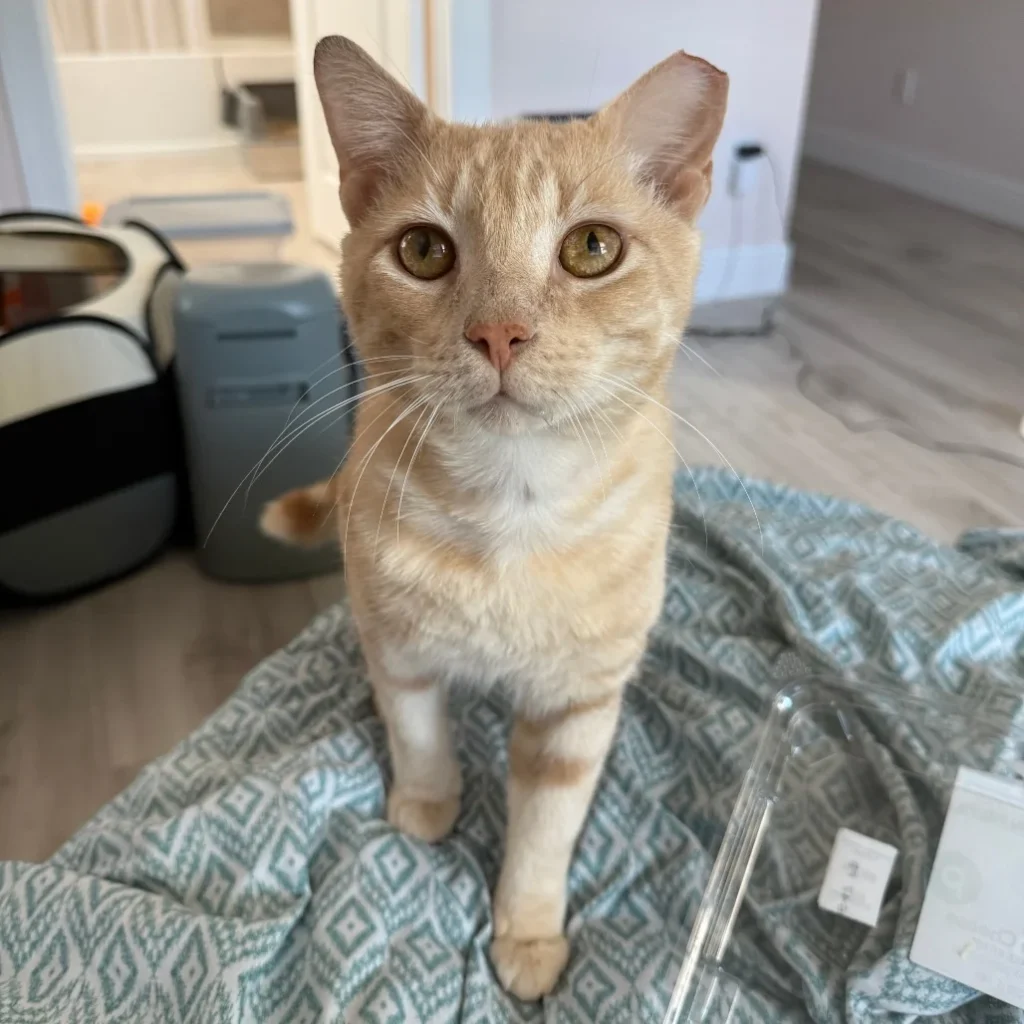
Appliances Can Be Harder When They Start Nearby
Blenders, coffee grinders, hair dryers, and electric razors can create sudden noise with very little warning.
Distance changes the experience.
A blender used in the kitchen may cause a foster cat in a closed bedroom to look toward the door and continue resting. The same appliance used directly outside a bathroom foster space may cause the cat to retreat immediately.
You do not need to repeatedly turn an appliance on to make the cat “get used to it.”
Use the appliance as you normally would and give the cat somewhere to move away from the sound. If a particular appliance repeatedly causes a strong reaction, tell us what the sound is and where the cat is located when it happens.
Those details are more useful than simply describing the cat as sensitive to noise.
Doorbells and Knocking Can Predict More Activity
A doorbell or knock may be followed by voices, an opening door, and an unfamiliar person entering.
That sequence can make the sound more significant to a cat than its volume suggests.
In Broward County apartments and townhomes, hallway voices, delivery carts, neighboring doors, and people walking past may also be heard throughout the day.
Watch whether the cat reacts to the sound itself or to what happens next.
A cat may run when the doorbell rings but return once the visitor leaves. Another may remain hidden whenever unfamiliar people are in the home.
That distinction helps us understand the cat’s response more accurately.
If deliveries or visitors are frequent, keep the foster cat away from the entryway. Exterior doors are a safety concern regardless of whether the cat appears afraid of the noise.
Repeated Noise Near the Foster Space Can Be Harder to Escape
One loud sound and constant activity are different problems.
A foster cat may hide during a thunderstorm and return to normal afterward. A cat housed beside a television that remains loud for hours may have fewer opportunities to rest.
Repeated barking outside the foster-room door can be especially difficult.
Moving the cat’s bed farther into the room does not solve a resident dog repeatedly scratching, barking, or waiting at the door. We need to know if that is happening so the animals can be separated more effectively.
The same applies to children repeatedly entering the room, construction near the home, or frequent shouting close to the cat’s space.
We are less concerned with whether a home is generally “noisy” than whether the cat can get enough distance from the activity to eat, sleep, and use the litter box normally.
Watch What the Cat Does After the Sound Stops
Hiding is one response to noise.
Look at the rest of the cat’s routine before deciding the sound is creating an ongoing problem.
Contact us if you notice:
- the cat stops eating or you cannot confirm normal eating
- litter box use changes
- the cat remains severely withdrawn after the noise ends
- repeated noise prevents the cat from resting
- the cat appears physically weak or unusually unresponsive
- a previously tolerated sound suddenly causes a major behavior change
Tell us what happened in order.
For example: “The vacuum started outside the room at 10 a.m. She hid in the carrier, skipped lunch, and was still there at 6 p.m.”
That gives us more information than “She hates the vacuum.”
We can use the details to discuss the room setup, the source of the noise, and whether another concern may be affecting the cat.
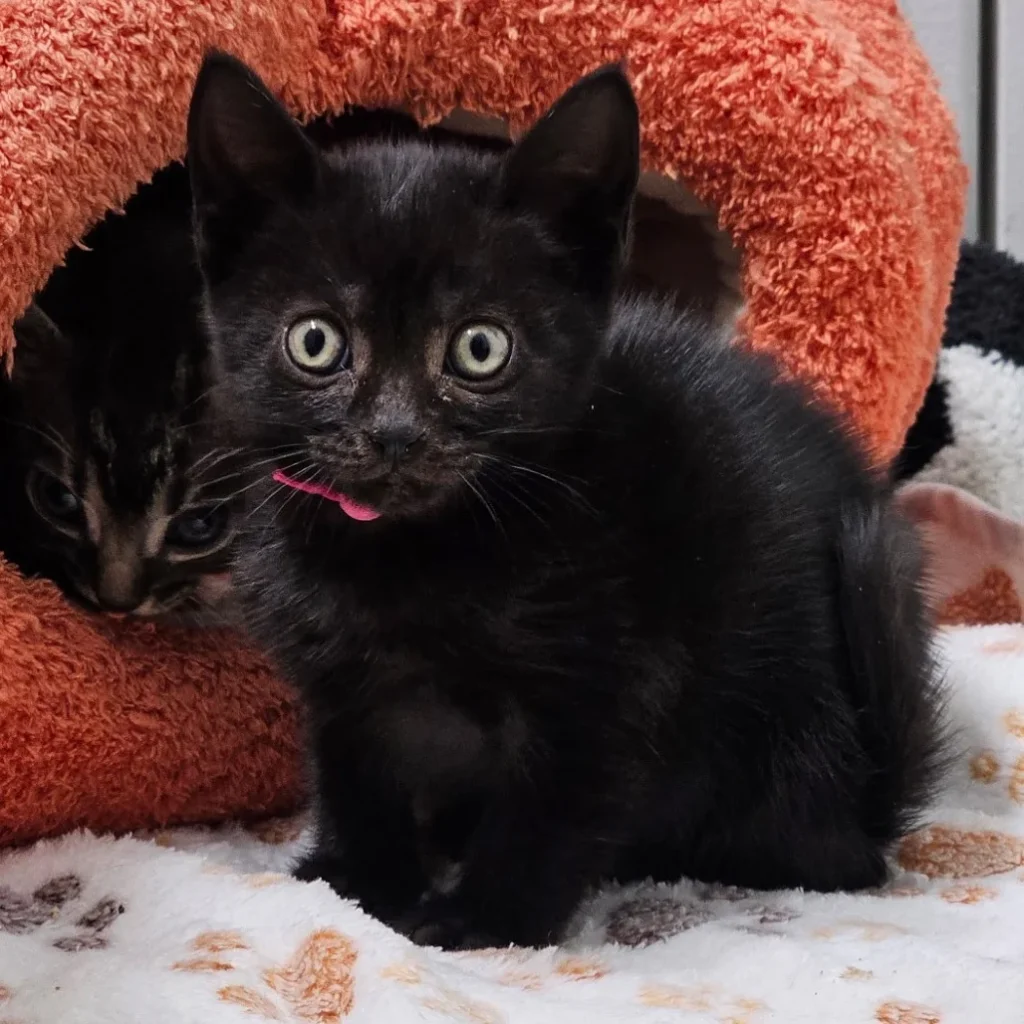
Does a Busy Home Rule You Out From Fostering?
No. We need an accurate description of the home.
Tell us if you have children, resident pets, frequent visitors, or regular noise from an apartment hallway. Let us know where the foster cat could stay and how much separation that area provides.
A shy adult cat may need a different foster setup from active older kittens.
We use information about the household when discussing placements because the goal is to place a cat where the foster can safely observe and care for them.
You do not need to describe your home as quieter than it is.
A home in Coral Springs with children and a barking dog gives us different placement information from a quiet apartment occupied by one adult. Neither description automatically rules someone out.
Thinking About Fostering in South Florida?
Normal household sounds are part of foster care.
We ask foster families to watch how the individual cat responds and tell us when a specific sound repeatedly affects eating, litter box use, rest, or behavior.
We provide food, supplies, approved medical care, and care instructions for our foster cats. If the home setup or a particular source of noise is creating a problem, we need the details so we can help decide what changes make sense.
You can learn how our foster program works and apply to foster with Happy Whiskers Animal Coalition.