
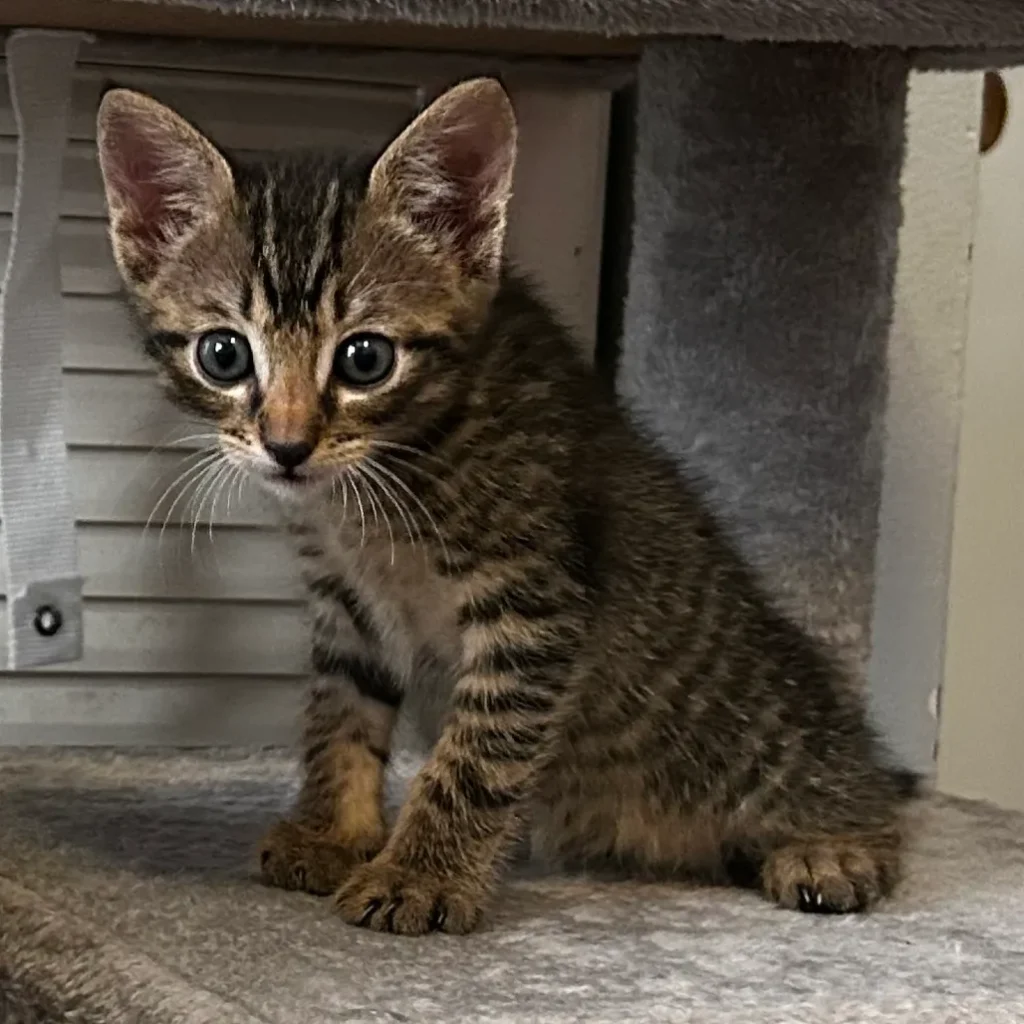
You might be ready to foster but unsure how many animals you’re expected to take. If you live in South Florida or Broward County, that question often comes up early—especially if you have limited space, a busy schedule, or no prior experience with animal care.
It’s a practical concern. Some people assume fostering means taking in multiple kittens at once, while others wonder if helping with just one cat is even an option. The reality is more flexible than most people expect.
This article explains how fostering works when it comes to numbers—whether you might foster one kitten, multiple kittens, or a single adult cat. It also clarifies how rescues make placement decisions and what that means for you as a potential foster.
Key Takeaways: Can You Foster One Kitten or Multiple?
- You can foster just one cat or kitten, and many foster homes start with a single placement.
- Taking multiple kittens does not always mean more work, since they often entertain and socialize each other.
- You are not expected to decide the number of animals yourself, as rescues match placements based on your situation.
- Fostering one kitten may require more direct attention, especially for play and socialization.
- Your available time, space, and comfort level are considered before any placement is made.
Do Kittens Need to Be Fostered in Pairs?
Most kittens are fostered in pairs because it supports their development and makes care easier in the long run.
In rescue work, young kittens learn essential behaviors through interaction with other kittens. This includes how to play without biting too hard, how to use their energy appropriately, and how to build confidence in new environments. A single kitten can still be cared for successfully, but it often requires more hands-on attention from the foster.
Kittens raised together tend to develop faster and adjust more easily to adoptive homes. This is why most rescues, including ours, aim to place kittens in pairs when the situation allows.
Why pairs are usually preferred
Fostering two kittens is not just about companionship. It directly affects how they grow and behave.
- Social development: Kittens learn boundaries and communication through play
- Energy outlet: They burn energy with each other instead of relying only on humans
- Confidence building: Paired kittens are typically less anxious in new environments
Two kittens often entertain each other, which can make fostering feel more manageable, not more difficult.
This is especially helpful for foster homes in South Florida where schedules can vary. When kittens have a companion, they are less dependent on constant human interaction throughout the day.
Is it harmful to foster a single kitten?
A single kitten is not harmful, but it usually requires more involvement from the foster.
When kittens are alone, the foster often takes on a more active role in:
- playtime
- socialization
- stimulation
In these cases, the time commitment may feel more concentrated, even if there is only one kitten in the home.
At our rescue, we consider both the kitten’s needs and the foster’s availability before deciding on placement. Some kittens do well alone, especially in specific situations, but pairs are the standard when possible.
When Fostering a Single Cat or Kitten Makes Sense
Fostering a single cat is very common, and many foster homes care for one animal at a time.
In rescue work, the number of animals placed in a foster home depends on both the animal’s needs and the foster’s situation. While kittens are often paired when possible, adult cats and many individual cases are regularly placed alone. This means you do not need to be able to take multiple animals to get involved.
When a single placement is the standard
Single-cat fostering is not unusual. In many cases, it is the most appropriate setup.
- Adult cats: Most adult cats are placed alone in foster homes
- Medical or recovery cases: Cats or kittens may need quiet, separate spaces
- Behavioral or adjustment periods: Some animals do better without other animals initially
- Single intakes: Many cats and kittens arrive without companions and are placed as they are
Fostering one cat at a time is a normal and needed part of rescue work.
In South Florida, and especially in Broward County, rescues regularly receive individual cats that need placement quickly. These situations often rely on foster homes that can take just one animal.
How this applies to kittens specifically
Kittens are sometimes placed in pairs, but single-kitten fostering still happens when needed.
At our rescue, we look at:
- the kitten’s age
- health and care requirements
- whether littermates are available
- the foster home’s availability
Pairing is preferred when it benefits the kittens, but it is not a requirement for becoming a foster.
What this means for you as a foster
You do not need to take multiple cats or kittens to participate in fostering.
At our rescue, we match each foster home based on:
- what they are comfortable handling
- how much time they can realistically commit
- what types of placements are currently needed
If you are only able to foster one cat, that is still valuable and often exactly what is needed.
Quick clarification
Yes, you can foster just one cat or kitten, and many foster homes do exactly that.
This makes fostering more accessible for people with limited space, time, or experience, while still making a meaningful impact.
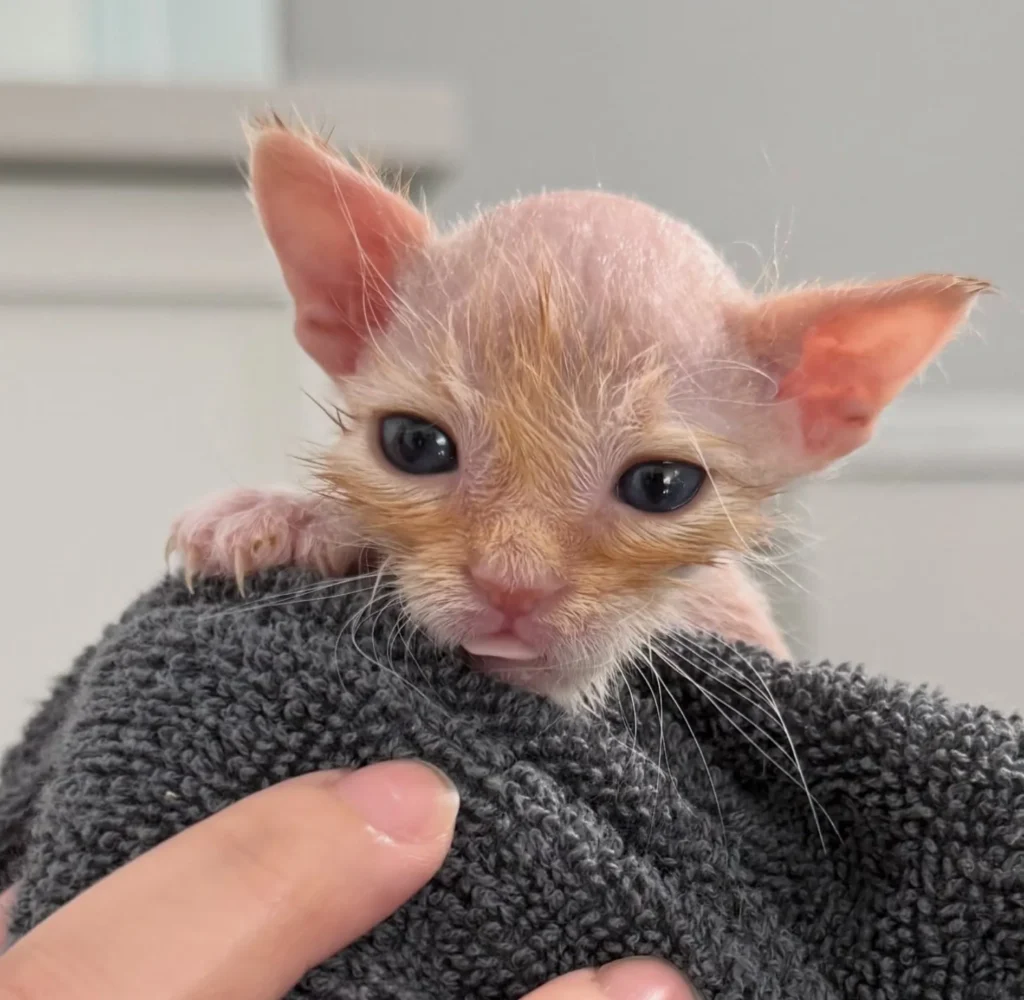
What Fostering Multiple Kittens Actually Changes
Fostering multiple kittens usually adds some extra tasks, but it does not multiply the workload in the way most people expect.
In rescue work, the difference between fostering one kitten and a small group is often smaller than it seems. Many daily responsibilities overlap, and in some cases, having more than one kitten can make certain parts of care easier.
What increases with multiple kittens
There are a few areas where effort scales up slightly when fostering more than one kitten:
- Feeding: You are preparing more portions, even if it happens at the same time
- Cleaning: Litter boxes and bedding may need more frequent attention
- Monitoring: You are keeping track of more than one kitten’s eating, weight, and behavior
These tasks are usually done in the same routine, just with a slightly larger volume.
The structure of your day typically stays the same, even with more kittens.
What often becomes easier
At the same time, fostering multiple kittens can reduce some of the pressure on the foster:
- Play and stimulation: Kittens play with each other, which reduces the need for constant human-led interaction
- Social development: They learn behaviors naturally through each other
- Energy management: Paired or grouped kittens tend to settle more easily after play
Kittens with companions are often easier to manage because they meet many of their needs together.
This is one reason rescues in South Florida often place kittens in pairs when possible. It supports both the kittens and the foster home.
How Rescues Decide What You Foster
You do not need to decide whether to foster one kitten or multiple—rescues handle that placement for you.
In rescue work, placement is coordinated based on what each kitten or cat needs and what each foster home can realistically provide. This removes pressure from the foster and ensures better outcomes for the animals.
What rescues look at when making placements
Most rescues use a structured matching process rather than assigning animals randomly. Key factors typically include:
- Care needs of the animal: age, health, and level of attention required
- Foster availability: daily schedule and consistency
- Home environment: space, layout, and any existing pets
- Comfort level: whether the foster prefers easier or more hands-on cases
Placements are matched, not assigned blindly.
At our rescue, we review each foster’s situation before placing kittens or cats. This helps ensure that the foster home and the animal are a good fit from the start.
What this means for you
You are not expected to take on more than you can handle.
If you are only comfortable fostering:
- one cat
- a single kitten
- or a lower-maintenance case
that is part of the conversation. Many foster homes in Broward County start with simpler placements and expand over time if they choose to.
Do you have a say in what you foster?
Yes, within reason—you can share your preferences, and the rescue will work within those when possible.
At Happy Whiskers:
- we ask about your availability and comfort level
- we explain what each placement involves
- we coordinate based on current needs and your situation
This creates a structured and supported process rather than leaving you to figure things out on your own.
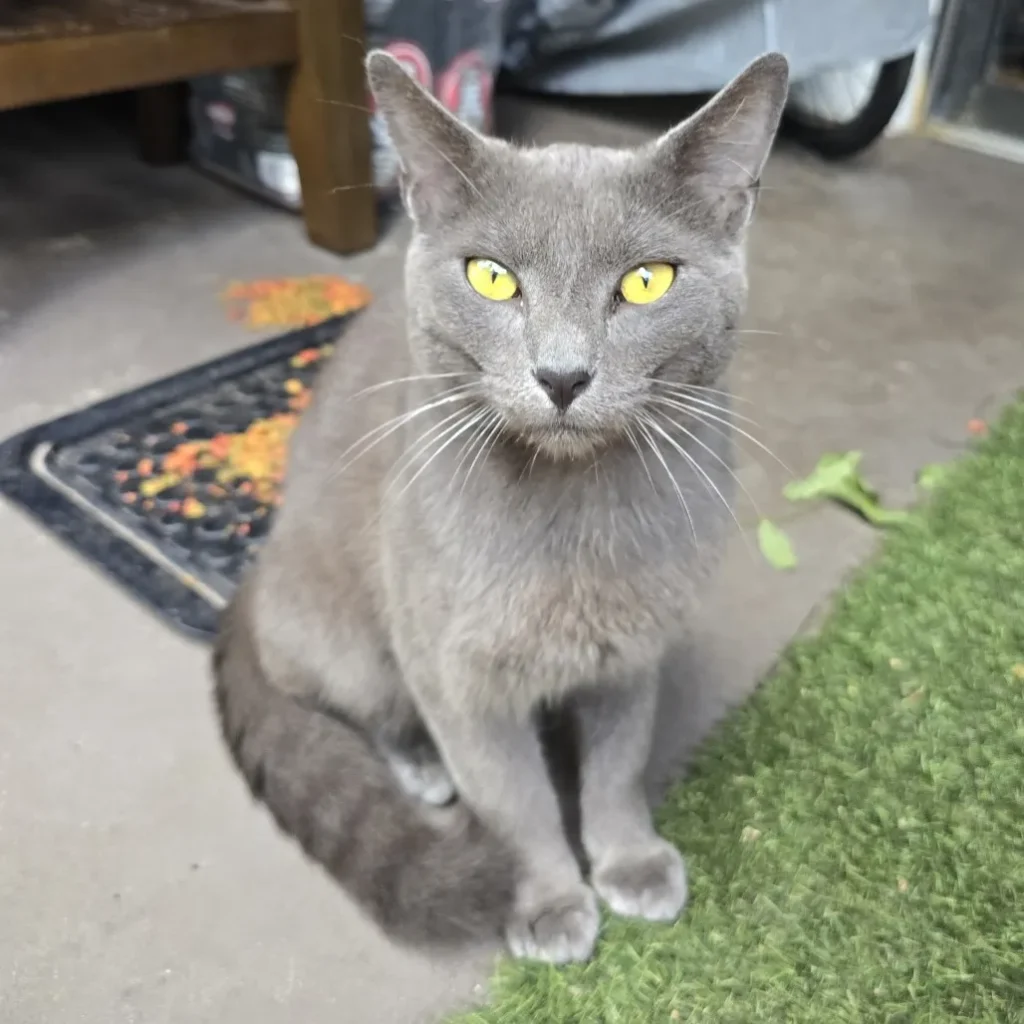
Fostering does not require taking on more than you can reasonably handle. Some foster homes care for a single cat, while others take in pairs of kittens depending on the situation and the needs of the rescue.
The key takeaway is simple: placement is guided, not left to guesswork. You are not expected to figure out what to foster on your own, and you are not required to take multiple animals to make a meaningful impact.
For many people in South Florida, fostering starts with one manageable step. If you’re interested in helping but want to better understand how placements are coordinated and what support is provided, you can learn more about how the process works and what to expect as a foster through Happy Whiskers.