
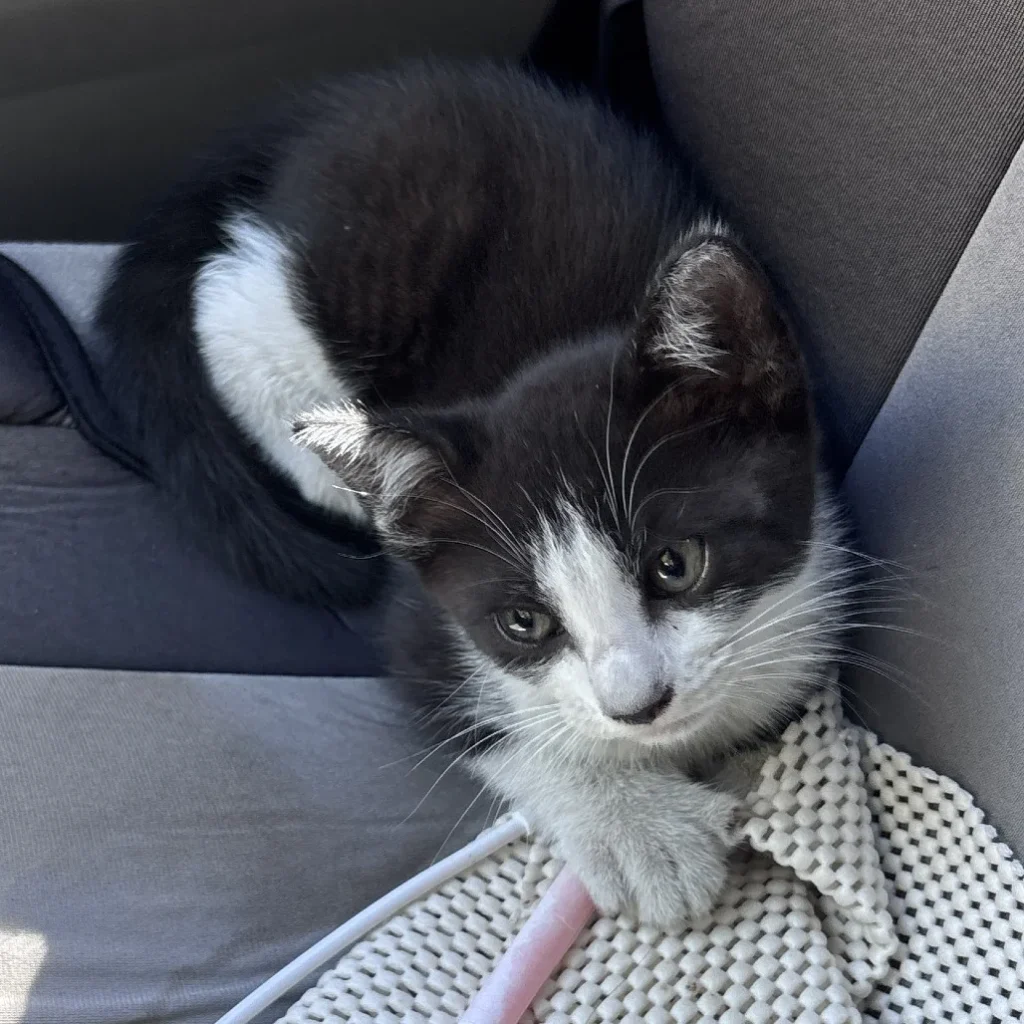
Why do foster homes help create better cat adoptions?
The biggest reason is information. When a cat lives in a foster home, we can learn how they eat, play, hide, seek attention, and respond to normal household activity over time.
Those observations give us a clearer picture of the cat before adoption. They also give potential adopters more specific information about the cat they are considering.
Here is why foster homes can improve adoption success and help us make better placement decisions.
Key Takeaways: How Do Foster Homes Support Better Cat Adoptions?
- Cats often show more of their normal behavior after spending time in a home.
- Foster families notice daily habits that may be difficult to observe during intake or a short meeting.
- Behavior updates help us describe the type of home a cat may fit.
- Foster care can reveal health or routine changes before adoption.
- Adopters receive more specific information about the individual cat.
- Better information gives us a stronger basis for adoption conversations.
Foster Homes Give Cats Time to Show More of Their Personality
A cat’s behavior during intake may tell us very little about how they normally interact with people.
Transport, handling, veterinary care, and a new environment can all happen within a short period. One cat may hide. Another may remain completely still or avoid interaction.
After several days in a foster home, the behavior may change.
The foster may notice that the cat follows people from room to room but dislikes being picked up. A cat that hid during the first few days may begin waiting near the door at mealtime or playing every evening.
We can use those observations when talking with potential adopters.
Instead of describing the cat based on one stressful day, we have information gathered during normal meals, play, rest, and household activity.
Our guide to fostering cats in Broward County explains more about how foster homes fit into local rescue care.
Daily Care Can Reveal Problems Before Adoption
Living with a cat every day makes changes easier to notice.
A foster knows whether the cat normally finishes breakfast, how often they use the litter box, and whether they usually spend the afternoon sleeping or playing.
If those patterns change, the foster can tell us.
For example, a foster may report that a kitten stopped gaining weight or that an adult cat suddenly began leaving food untouched. We can use those details when coordinating the cat’s care and deciding what needs to happen before adoption moves forward.
The foster is not expected to diagnose the cat.
Their job is to notice and report specific changes. That daily information gives us a better picture of the cat’s condition than we would have from occasional contact alone.
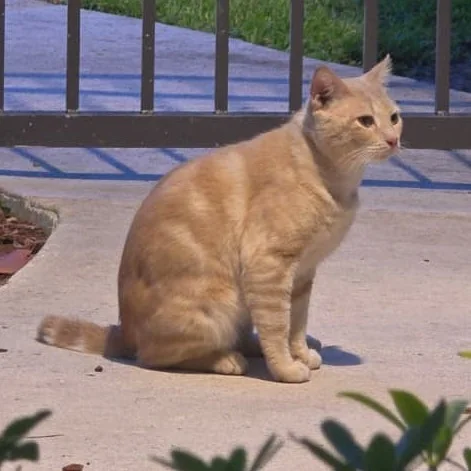
Foster Observations Help Us Describe the Cat More Accurately
Terms such as “friendly” or “shy” do not tell an adopter much about daily life with a cat.
Foster observations give us better details.
A foster may tell us that the cat:
- Sleeps near people but does not sit in laps
- Seeks cheek scratches but dislikes being held
- Plays intensely in the evening
- Hides when visitors arrive
- Follows another cat through the home
- Needs several days before approaching unfamiliar people
These details help us explain the cat’s known behavior without promising that the cat will act exactly the same after adoption.
A cat will still need time to adjust to a new home. The foster history gives the adopter a useful starting point.
Better Information Helps Us Discuss the Right Home
Foster feedback can help us identify household situations that deserve a closer conversation.
A highly active kitten may need an adopter prepared for frequent play and supervision. A shy adult that took several weeks to approach the foster may need someone who understands that the same adjustment could happen again after adoption.
We can also explain known behavior around handling, visitors, or other animals when the foster has actually observed it.
The goal is to avoid guessing.
We use the information available to explain what the foster has seen and ask potential adopters questions about their household and expectations.
That gives both sides more useful information before a decision is made.
Foster Care Helps Adopters Prepare for the First Few Days
The foster often knows practical details about the cat’s current routine.
What food has the cat been eating? When do they usually eat? Where do they prefer to sleep? Do they immediately use an open litter box, or have they been using a different setup?
Those details can help the adopter avoid changing everything at once.
A foster may also tell us that the cat hid for three days after arriving but gradually began exploring. If the cat hides again after adoption, the adopter has context for that behavior.
The foster history cannot predict every part of the transition.
It can give the adopter a clearer idea of what the cat has done during a previous move and which routines are currently familiar.
Foster Homes Give Us More Than a Short Meeting Can
An adoption meeting is a limited period of time.
A shy cat may spend the entire meeting hiding. A social cat may be distracted by unfamiliar people or a new location.
Several weeks in a foster home give us many more situations to observe.
We may know how the cat behaves at breakfast, during play, when someone enters the room, or after a visitor leaves. We can compare the cat’s first few days with their behavior after they have settled.
That history helps us answer adopter questions with specific examples instead of general descriptions.
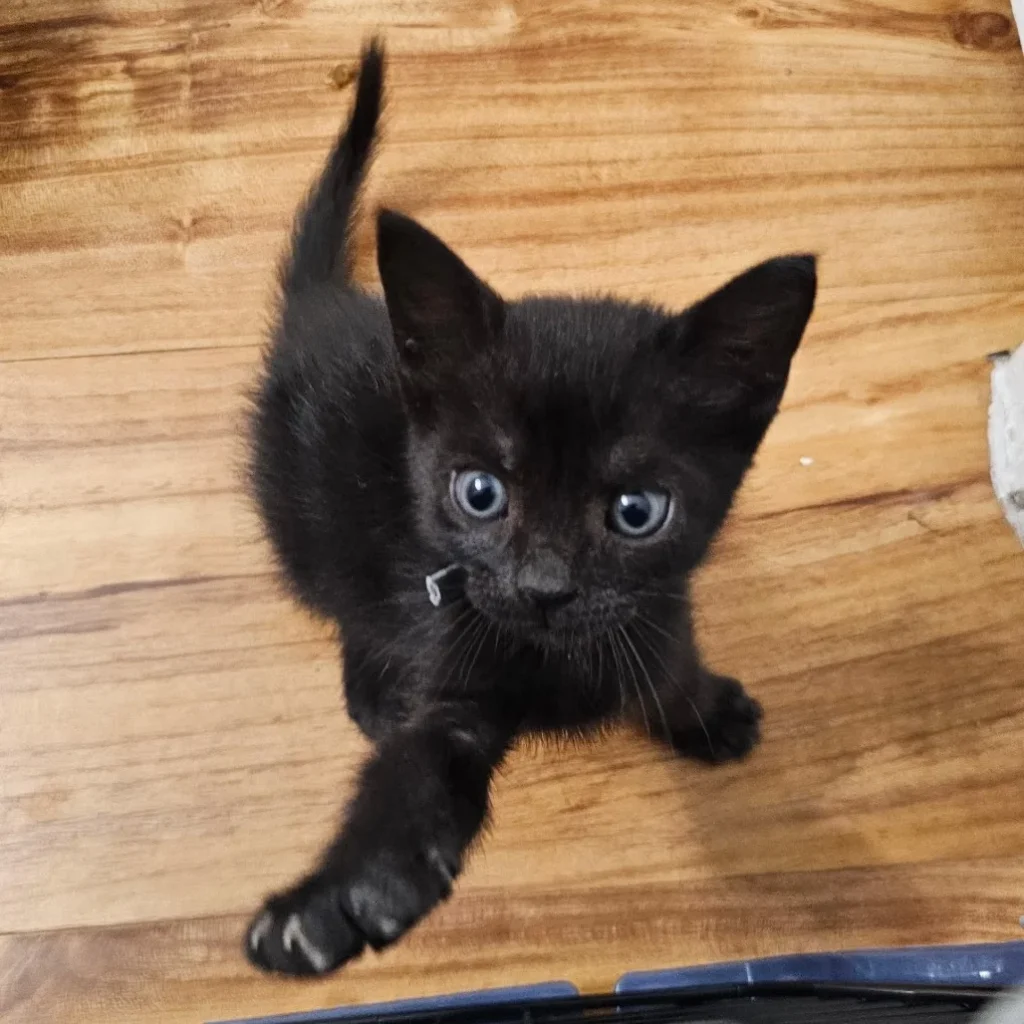
Thinking About Fostering in South Florida?
Foster families help us learn details about cats that we may not see without daily home care.
You do not need to decide which adopter is right for the cat. We need you to handle the cat’s care, follow the instructions provided, and tell us what you are observing.
Those observations may later help us explain the cat’s behavior and routine to someone considering adoption.
If you are in Broward County or the surrounding South Florida area, you can learn how our foster program works and see what providing temporary care involves.