
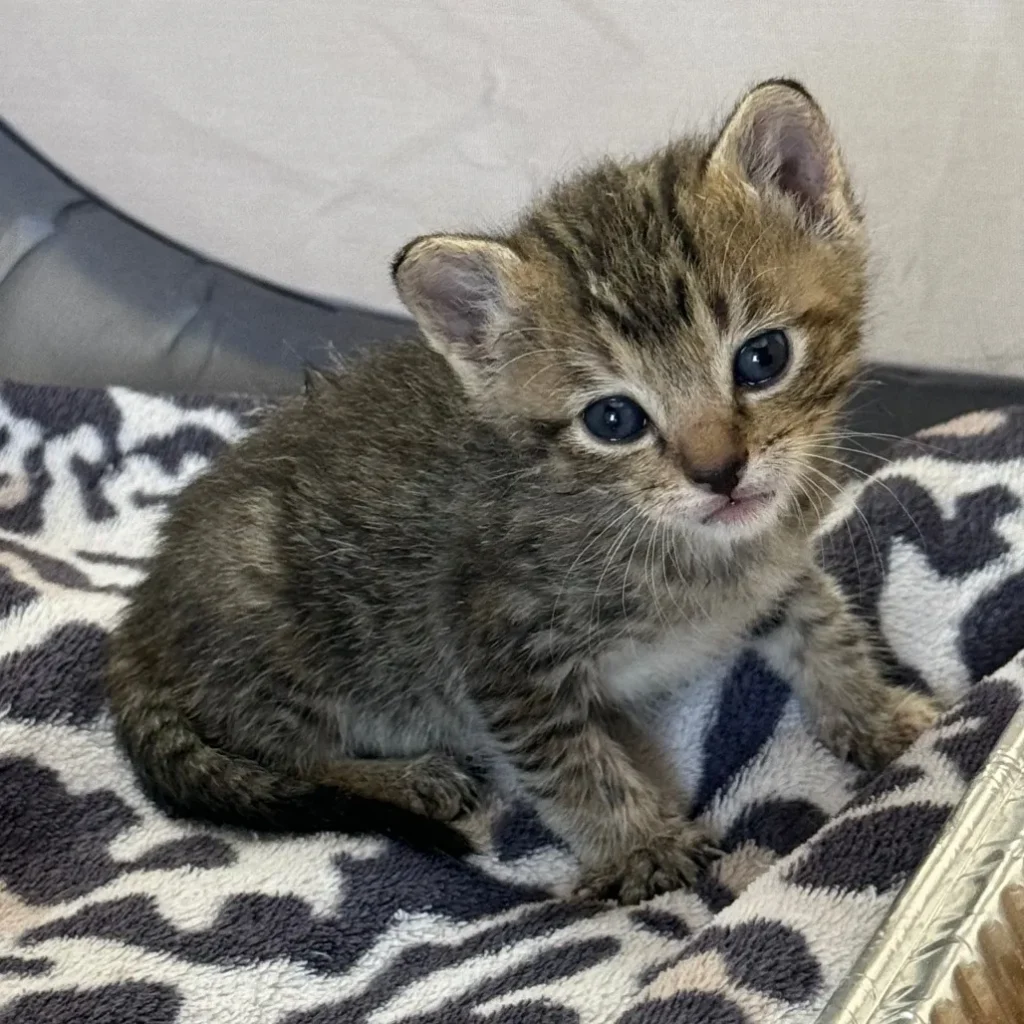
First-time cat adopters usually worry about the big things: food, litter, vet care, and whether the cat will like them.
The smaller mistakes are easier to miss.
In South Florida homes, many adoption concerns show up during the first few weeks, when the cat is still adjusting and the adopter is still learning what is normal. Hiding, low appetite, slow bonding, or cautious behavior can feel concerning if you expected an instant connection.
Here are seven subtle mistakes first-time cat adopters make and what to understand before bringing a cat home.
Key Takeaways: What Should First-Time Cat Adopters Realistically Expect?
- Most cats do not bond immediately after adoption.
- Hiding, cautious behavior, or lower appetite can happen during the first few days.
- A quiet starter space often works better than giving the cat the whole home right away.
- Some “bad behavior” is really stress from a new environment.
- Adoption includes years of routine care, not just the first adjustment period.
- Each cat has different needs, energy levels, and comfort limits.
- A good match should be based on fit, not appearance alone.
1. Expecting Instant Bonding
A common mistake is expecting a newly adopted cat to act affectionate right away.
Some cats do. Many do not.
A cat may hide, avoid touch, stay in one room, or watch you from a distance during the first few days. That does not mean the adoption is failing. It usually means the cat is trying to understand the new home.
A rough adjustment pattern may look like this:
| Timeframe | What You May See |
| Days 1–3 | Hiding, quiet behavior, limited interaction |
| Days 4–10 | Short exploration, cautious movement |
| Weeks 2–4 | More routine, more visible personality |
| After week 4 | More consistent bonding and behavior |
Some cats move faster. Others need more time.
The mistake is treating early distance as rejection. Most cats bond after they feel safe, not before.
2. Underestimating the Adjustment Period
The first few days after adoption can feel slow.
A cat may stay in one area, eat less than usual, sleep more, or avoid direct interaction. Many first-time adopters worry because they expected the cat to “settle in” quickly.
Cats do not always work that way.
A new home brings new smells, sounds, people, furniture, and routines. Even a calm home can feel unfamiliar at first.
During this stage, it helps to keep the routine simple:
- feed at consistent times
- keep the litter box in one place
- avoid moving the cat’s setup too often
- let the cat approach when ready
- avoid forcing interaction
The mistake is assuming the cat should act normal immediately. In many cases, the cat is not unhappy. They are still adjusting.
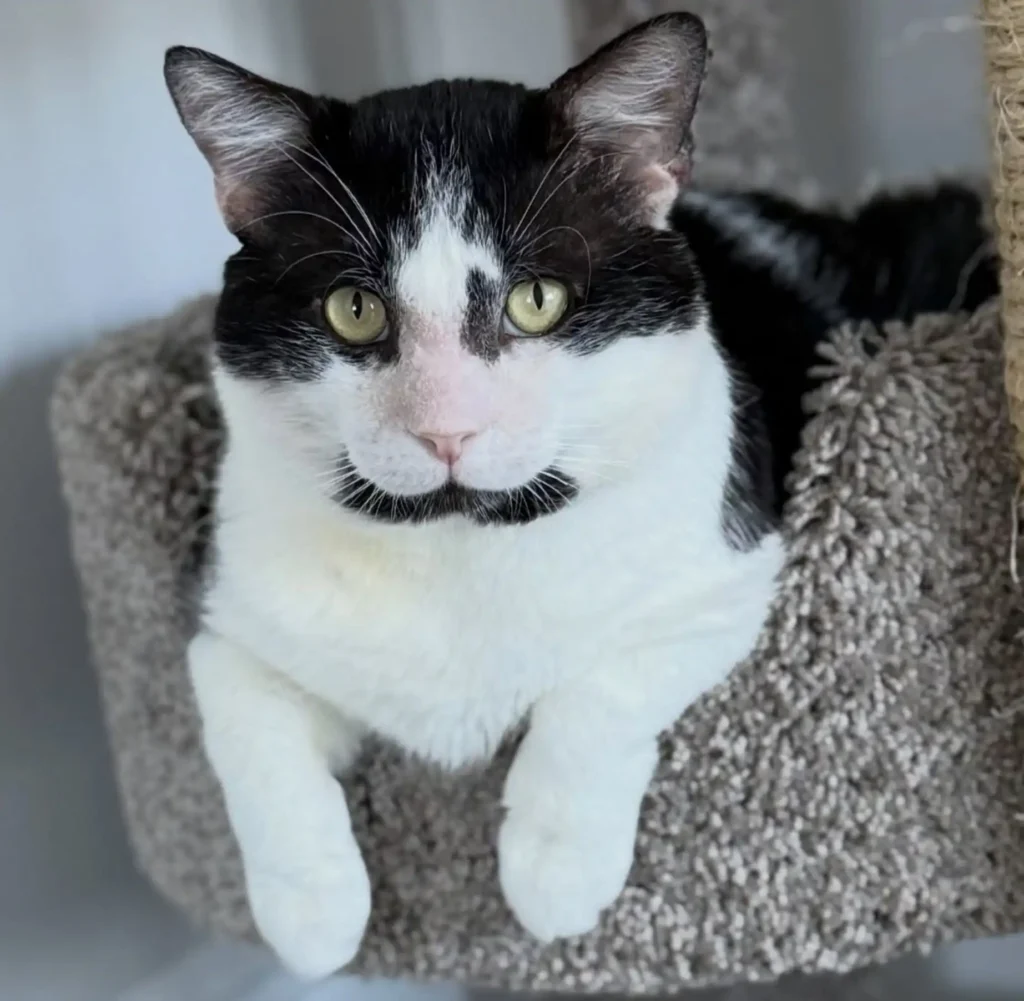
3. Giving the Cat Too Much Space Too Soon
Many adopters want to be kind by letting the cat explore the whole home right away.
That can overwhelm some cats.
A quiet starter space is often better at first. This may be a bedroom, bathroom, office, or other calm area with food, water, litter, bedding, and a hiding spot.
A starter space helps the cat learn:
- where to eat
- where the litter box is
- where to hide safely
- what sounds are normal
- who enters the room and when
Too much space too soon can lead to hiding in hard-to-reach areas, missed meals, litter box confusion, or extra stress.
Once the cat is eating, using the litter box, and moving confidently, you can slowly expand access to more of the home.
The mistake is rushing the setup instead of letting the cat build confidence in one safe area first.
4. Misreading Normal Cat Behavior as Bad Behavior
Some early behaviors look like problems when they are really adjustment signals.
A newly adopted cat may hide, scratch, vocalize, avoid touch, run suddenly, or eat less during the first few days. These behaviors can worry first-time adopters, especially if they are not sure what normal cat adjustment looks like.
Common examples include:
| Behavior | What It May Mean |
| Hiding | The cat is seeking safety |
| Low appetite | The cat may be stressed by the transition |
| Scratching | The cat may be stretching, marking, or releasing stress |
| Avoiding touch | The cat is not ready for close contact yet |
| Night activity | The cat may be adjusting to the household routine |
This does not mean every behavior should be ignored. If a cat refuses food for more than 24–48 hours, seems lethargic, has trouble breathing, vomits repeatedly, or appears in pain, contact the rescue or a veterinarian.
The mistake is assuming every unusual behavior is a bad match. Many early behaviors improve once the cat feels secure.
5. Not Planning for Long-Term Care
Adoption is not only about the first few weeks.
Once the cat settles in, daily care becomes more routine, but it does not disappear. Cats need food, clean water, litter care, play, safe housing, and veterinary care throughout their lives.
Long-term cat care usually includes:
| Responsibility | What It Involves |
| Daily care | Feeding, water, litter cleaning, interaction |
| Veterinary care | Wellness exams, vaccines, illness or injury care |
| Home setup | Safe spaces, litter access, scratching areas |
| Financial planning | Food, litter, supplies, vet costs |
| Life changes | Moving, travel, new pets, schedule changes |
A healthy indoor cat may live 10 years or more, and many live much longer.
The mistake is focusing only on the adoption day or adjustment period. A good adoption decision should fit your life months and years from now, not just this week.
6. Assuming All Cats Have the Same Needs
A kitten, shy adult cat, social cat, senior cat, and high-energy young cat may all need different types of homes. First-time adopters sometimes assume any cat will adjust to any lifestyle with enough time.
That is not always fair to the cat or the adopter.
A kitten may need more play, supervision, and patience. A shy adult cat may need a quieter home and slower trust-building. A social cat may want more daily interaction. A senior cat may need a calmer routine.
Common differences include:
| Cat Type | What They May Need |
| Kitten | Play, supervision, routine, patience |
| Adult cat | Steady environment and clear routine |
| Shy cat | Quiet space and slower bonding |
| Social cat | More daily attention |
| Senior cat | Calm home and consistent care |
The mistake is choosing a cat based on a general idea of “cat ownership” instead of the cat’s actual personality and needs.
At Happy Whiskers, we want adopters to think about schedule, home environment, other pets, and energy level before choosing.
7. Choosing Based Only on Looks
It is natural to notice a cat’s appearance first.
But choosing only because a cat is cute, fluffy, tiny, or a certain color can lead to the wrong match. Personality and lifestyle fit matter more than appearance.
Before adopting, it helps to ask:
- Is this cat social, shy, playful, calm, or independent?
- Does this cat do well with other pets?
- Is this cat comfortable with children?
- How much attention does this cat seem to need?
- Is this cat a kitten, adult, or senior?
- Does this cat’s energy level fit my home?
A beautiful cat may still be the wrong fit for a loud home, busy schedule, or household with other pets. A quieter adult cat may be a better fit than the kitten you originally imagined.
The mistake is assuming attraction equals compatibility.
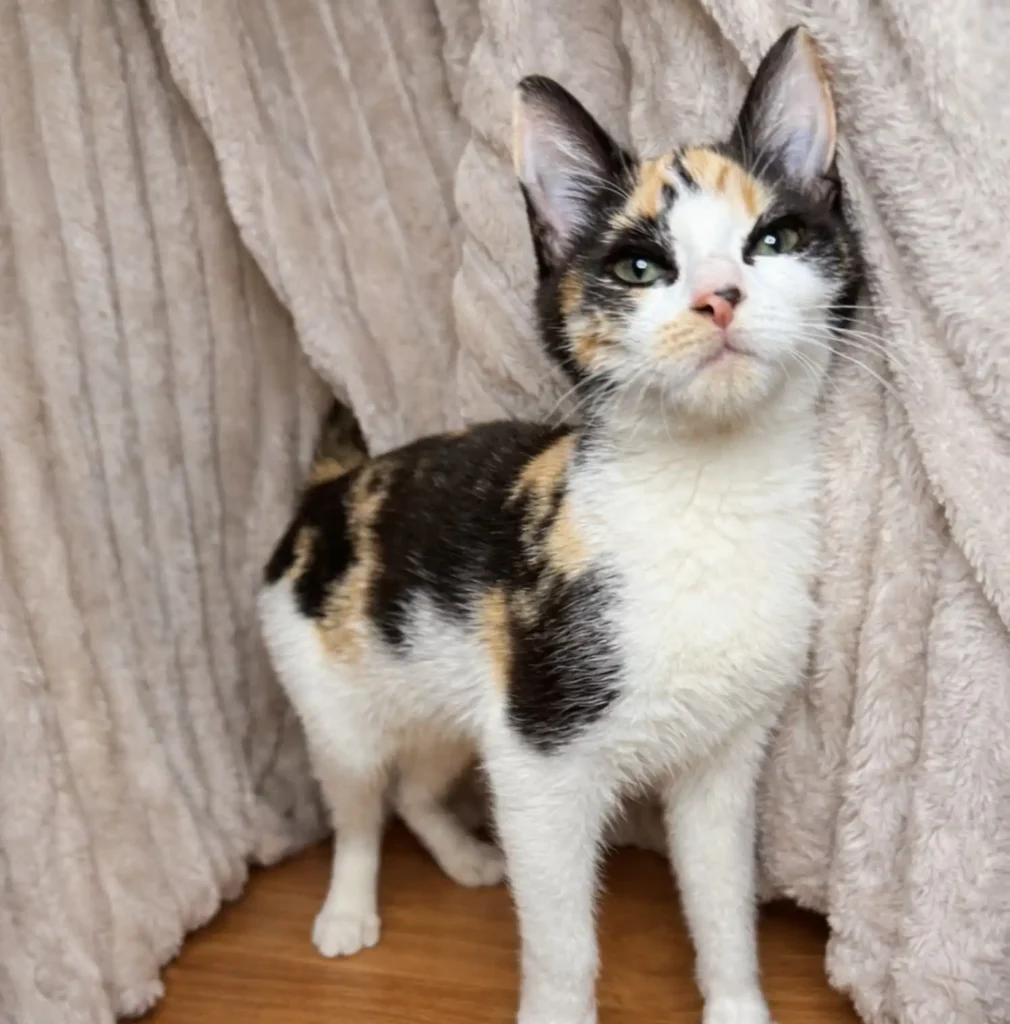
A good adoption match should feel realistic for your home, not just exciting in the moment.
Most first-time adoption mistakes come from expecting the process to move faster than it usually does.
Cats need time to adjust, learn the home, understand routines, and decide when they feel safe. Hiding, cautious behavior, and slow bonding are often normal parts of that transition.
A smoother adoption usually comes from choosing the right cat, setting up the home carefully, giving the cat time, and planning for long-term care. If you are considering adoption in South Florida, you can review our adoption process through Happy Whiskers and learn what to expect before bringing a cat home.