
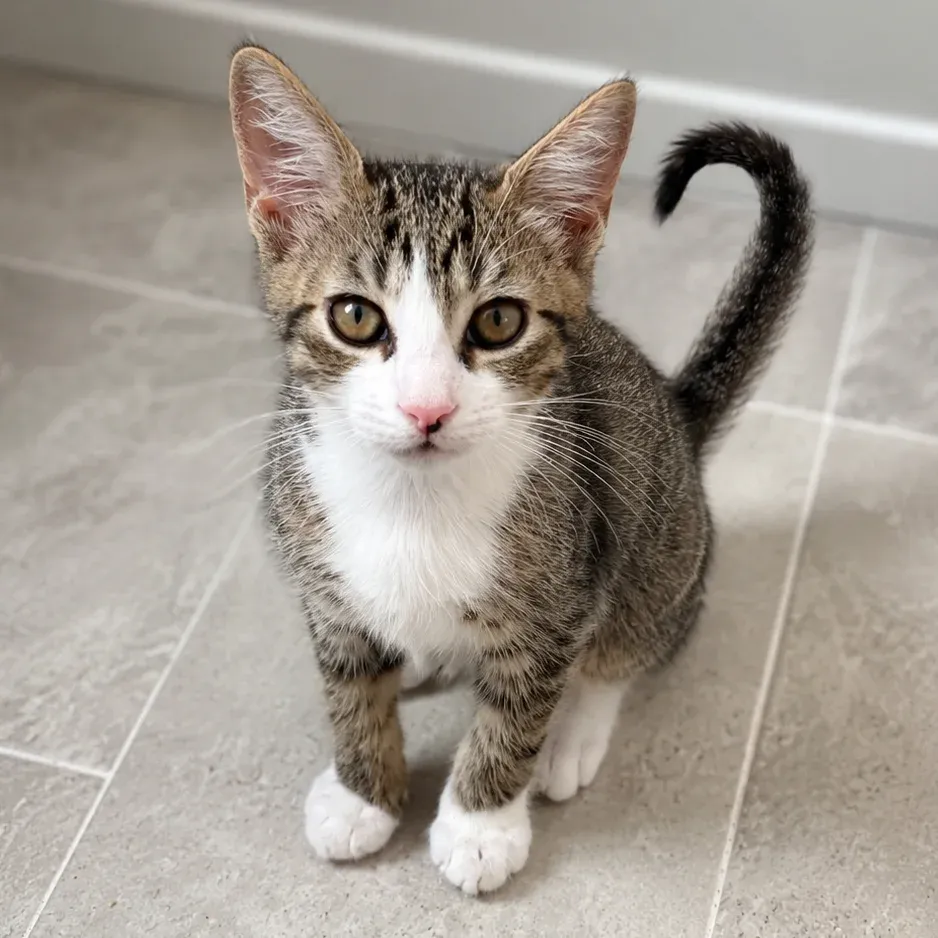
Yes, you can usually meet a cat before deciding to adopt.
For many adopters in South Florida, that step matters. A photo and short bio can tell you basic details, but they cannot show how a cat responds to your presence, your family, or your questions in real time.
A meet-and-greet gives you a chance to see the cat in a calmer setting, ask about their routine, and understand whether the match feels realistic before moving forward.
Here is what to expect.
Key Takeaways: Should you meet a cat before adoption?
- A meet-and-greet helps you assess compatibility before adoption.
- The visit is not meant to pressure you into an immediate decision.
- A cat’s first-meeting behavior may not show their full personality.
- Foster observations often give better context than a short visit alone.
- Some cats need time before they are ready for a calm introduction.
- The goal is a better match, not a rushed placement.
Why Rescues Let You Meet Cats Before Adoption
Meeting a cat before adoption helps both the adopter and the rescue understand fit.
A successful adoption is not just about liking a cat’s photo. It depends on the cat’s personality, your home routine, household energy, resident pets, children, schedule, and expectations.
American Humane recommends visiting a shelter and meeting several cats so adopters can get to know different feline personalities before deciding.
That same idea applies in a foster-based rescue. Meeting the cat gives you a better sense of how they respond to people, handling, sound, and space.
One visit does not answer everything, but it can help you decide whether the adoption is worth exploring further.
How Meet-and-Greets Work at Our Rescue
A meet-and-greet is usually scheduled in advance.
That helps us prepare the cat, choose a calm space, and avoid rushed introductions. In a foster-based rescue, the visit may involve the foster caregiver, adoption coordinator, or another person who knows the cat’s routine and behavior.
A typical visit may include:
- a quiet introduction
- time for the cat to approach at their own pace
- discussion about feeding, litter habits, personality, and health
- questions about your home, schedule, children, or resident pets
- next steps if the match seems promising
The goal is not to force a quick bond. It is to observe comfort, curiosity, stress level, and overall fit.
In most cases, the cat does not go home immediately after the meeting. Timing depends on approval, paperwork, medical readiness, and whether the match makes sense for the cat.
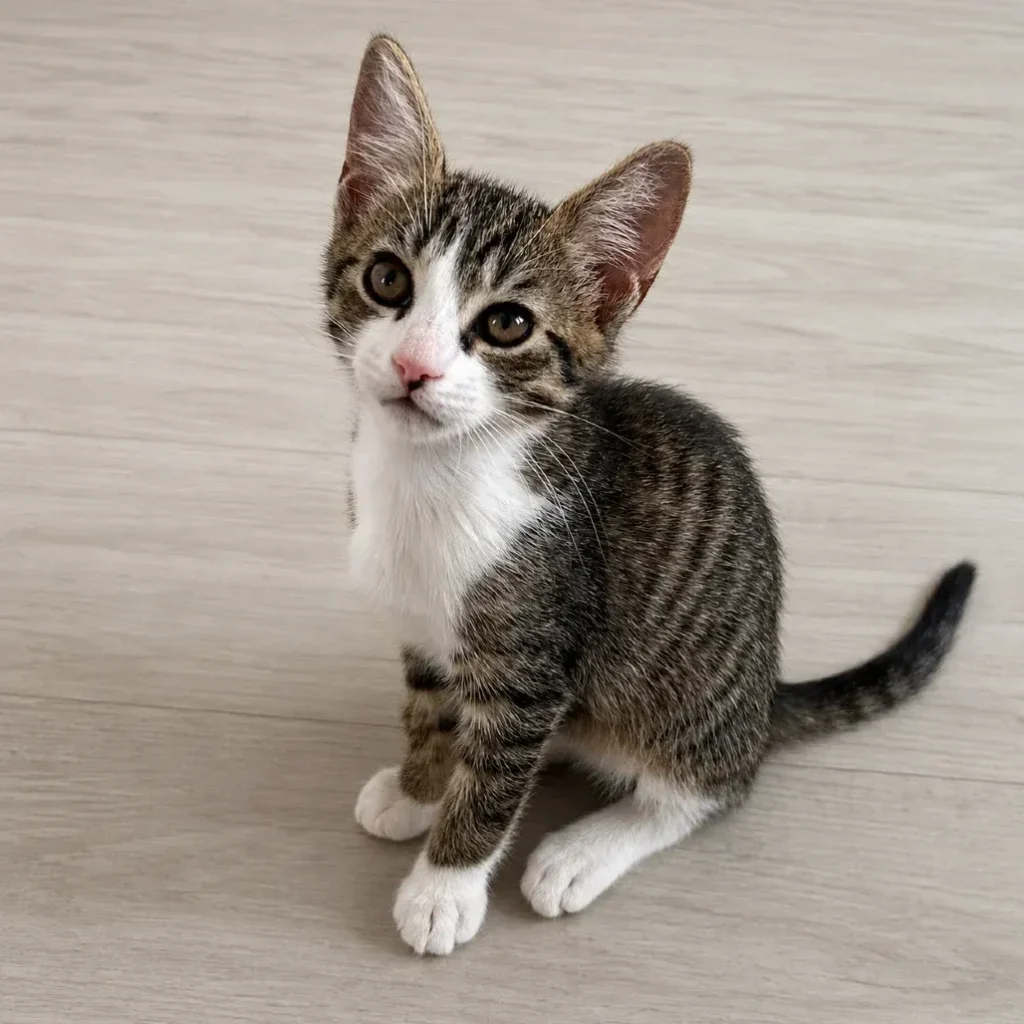
What to Expect When You Meet a Cat in Rescue Care
A cat may act differently during a first meeting than they would after settling into your home.
Some cats walk right up. Others hide, watch from a distance, sniff, retreat, or take several minutes before relaxing. That does not automatically mean the cat is unfriendly.
VCA explains that a new home brings new sights, sounds, and smells, which can be scary for a kitten at first.
The same idea applies to many rescue cats during new introductions. A first meeting often shows how the cat handles change, not their complete personality.
That is why foster notes matter. A foster caregiver may know whether the cat is playful at night, calm during the day, nervous with loud sounds, affectionate after warming up, or better suited to a quieter home.
Do All Cats Require a Meet-and-Greet?
Most adoptions benefit from a meet-and-greet, but timing can vary.
A cat may need time to recover from medical care, settle into a foster home, finish basic vetting, or become stable enough for visitors. In those cases, the meeting may happen later.
Some adoptions may also involve extra discussion before an in-person introduction, especially if there are resident pets, young children, or specific home needs.
The point is not to create unnecessary steps. The point is to make the meeting useful and low-stress.
A good meet-and-greet happens when the cat is ready enough to be observed fairly and the adopter has enough context to ask the right questions.
How Meeting a Cat Helps You Decide
A meet-and-greet helps you compare the cat’s needs with your real home life.
You may learn that a cat is more active than expected, more cautious than expected, more social than their photos suggested, or better suited to a quieter household. You may also realize you need more time before deciding.
That is okay.
Humane Society of Broward County’s adoption overview encourages adopters to consider factors such as landlord approval, household members, costs, other pets, time commitment, and needed supplies before adopting.
A meet-and-greet gives you a practical place to think through those questions with the cat in mind.
The goal is not a perfect first impression. The goal is enough information to make a calmer, better decision.
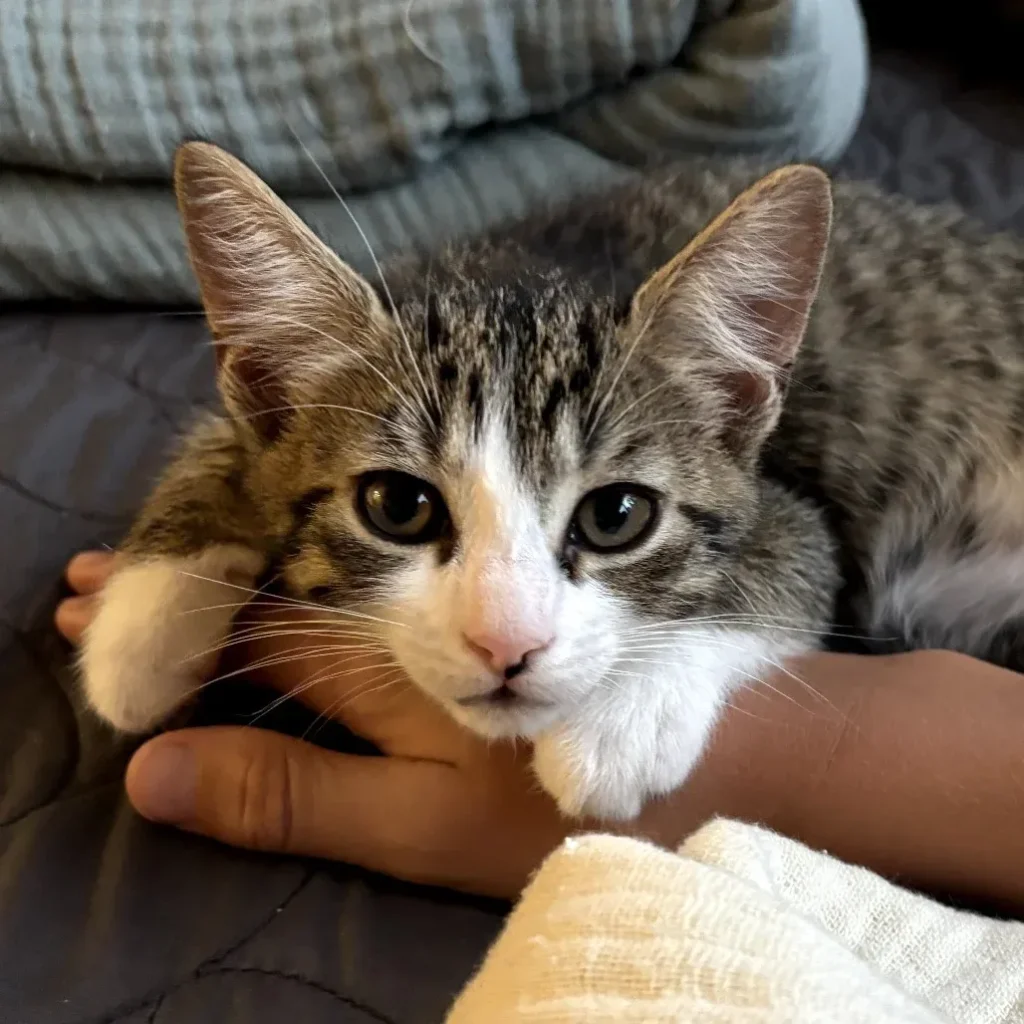
Meeting a cat before adoption can help you feel more confident, but it should not be treated as a final personality test.
Some cats are outgoing right away. Others need time before they show who they are. Foster notes, care history, and the cat’s response during the visit all work together to guide the decision.
If you are exploring adoption in South Florida, you can review our adoption process to understand what happens before, during, and after a meet-and-greet.