
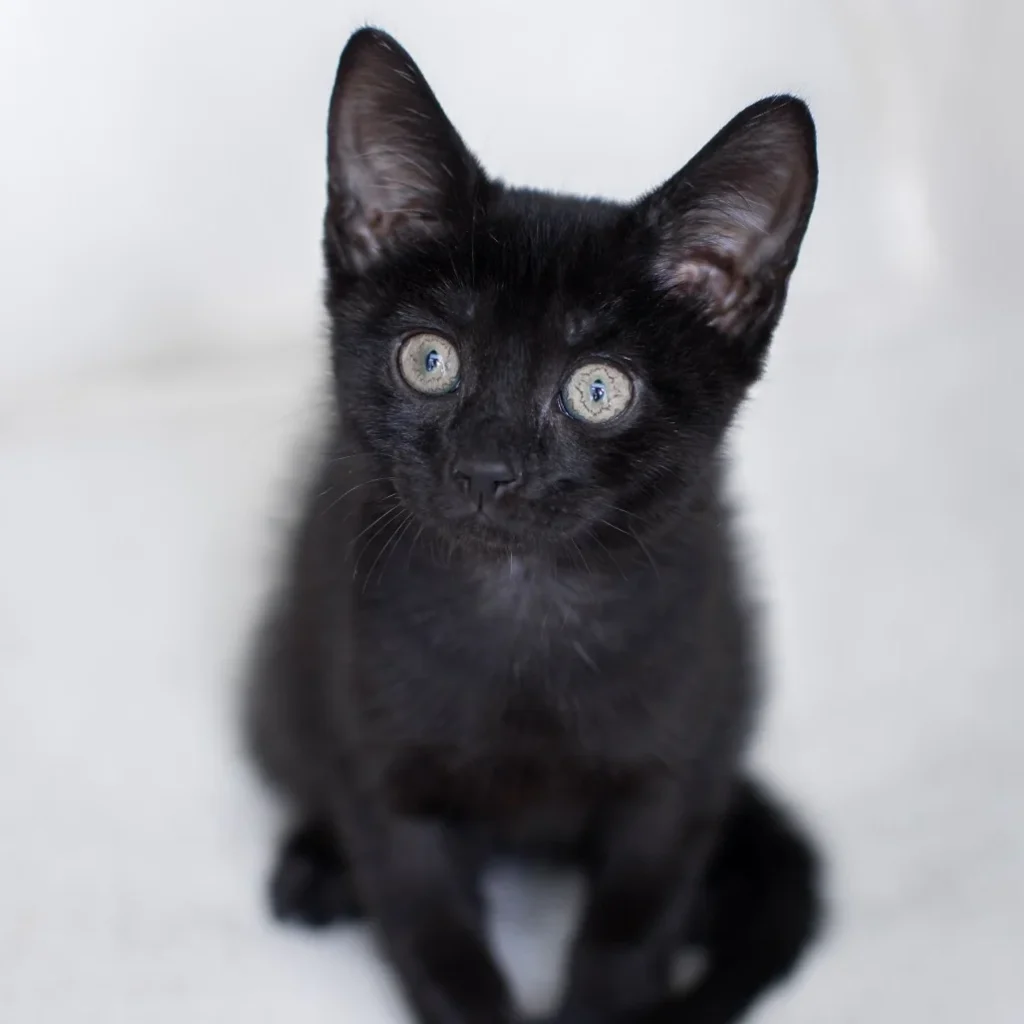
What happens after a cat enters rescue care?
From the outside, you may first see the cat in an adoption post or at an event. Before that, the cat may have spent several weeks in a foster home while we coordinated veterinary care, tracked changes, and learned enough about their behavior to prepare for adoption.
The cat rescue process is a series of handoffs and decisions. Here is how cats move through that process at a foster-based rescue like Happy Whiskers Animal Coalition.
Key Takeaways: What Happens During the Cat Rescue Process?
- Intake starts with determining whether we have an appropriate place for the cat.
- Early care depends on the cat’s age, condition, and immediate needs.
- Foster homes handle daily care and report changes we cannot observe firsthand.
- Foster observations help us learn how the cat behaves after the initial stress of intake.
- Adoption preparation uses information gathered during care.
- Available foster space can determine whether we are able to place another cat.
Intake Starts With Finding an Appropriate Placement
Before a cat enters our care, we need to know where that cat can safely go.
Happy Whiskers Animal Coalition is foster-based. We do not have a shelter building where we can place another cat in an open kennel.
A young kitten needing frequent monitoring may require a different foster than a healthy adult cat. A cat that needs separation from other animals requires a foster home with an appropriate separate space.
This means intake decisions are tied to our current foster availability.
If every appropriate foster home is full, we may not have a safe placement option for another cat at that moment. One open foster room can directly change what we are able to do.
Our guide to fostering cats in Broward County explains how foster availability affects rescue work in South Florida.
Early Care Tells Us What the Cat Needs Next
Once a cat enters care, we begin gathering basic information about their condition.
Age, weight, appetite, energy, litter box use, and visible health concerns can affect the care plan. We coordinate approved veterinary care when needed and give the foster instructions based on the individual placement.
A small kitten may need weight checks and closer attention to feeding. An adult cat may primarily need food, water, litter care, and a quiet place to settle while we watch how they adjust.
The foster is not expected to diagnose medical problems.
We need clear observations. If a kitten stops eating, a cat becomes unusually tired, or litter box habits suddenly change, the foster tells us what they are seeing so we can decide what needs to happen next.
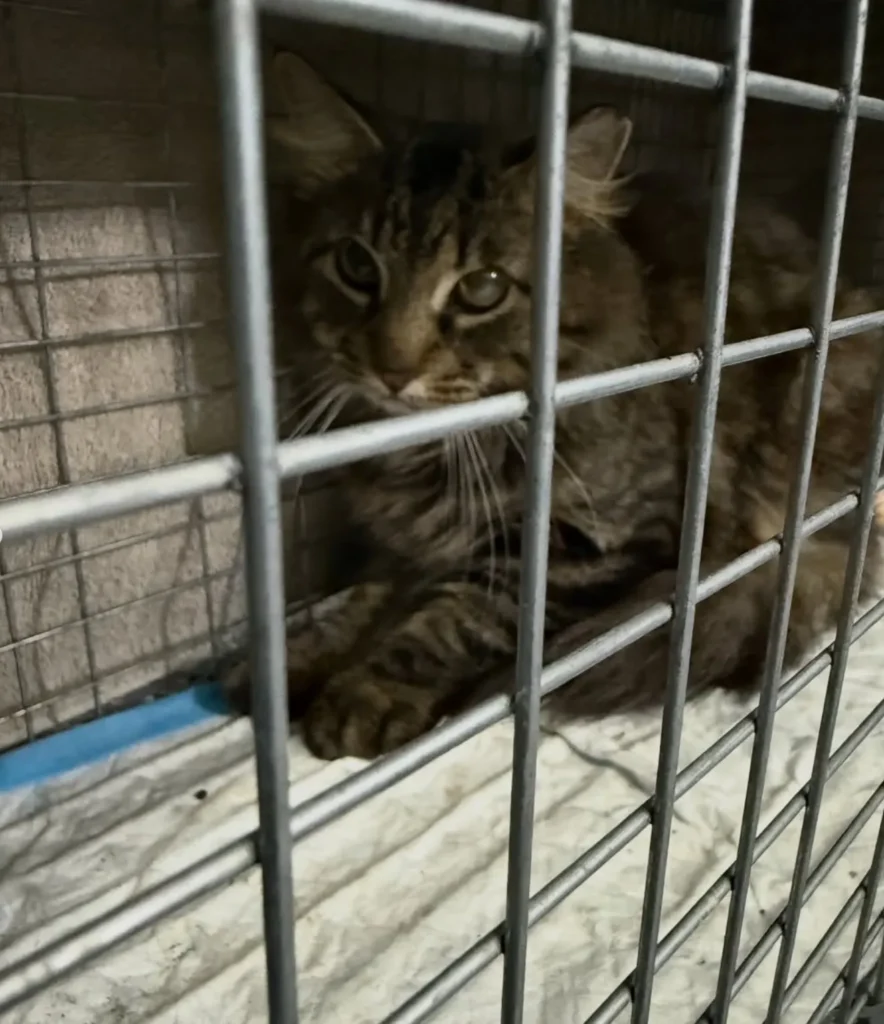
The Cat Moves Into a Foster Home
For many cats, the foster home is where most of the rescue process happens.
The foster handles meals, water, litter care, and daily observation. Depending on the placement, they may also give medication, track a kitten’s weight, send photos, or help coordinate an approved veterinary appointment.
Most of our foster homes care for cats for about 2–6 weeks, although the timeline can change based on age, medical needs, and adoption readiness.
During that time, the cat may be recovering, growing, or simply adjusting after several changes in a short period.
We provide supplies, approved veterinary care, care instructions, and support during the placement. The foster gives us the daily information we cannot collect without the cat living in a home.
Foster Observations Help Us Understand the Cat
A cat’s behavior during intake may not tell us much about how they normally interact.
A frightened cat may hide when they first arrive. Several days later, the foster may report that the cat follows people through the room but dislikes being picked up.
Another cat may appear quiet at first and become highly active once comfortable.
These observations give us specific information about the individual cat.
We may learn where they prefer to sleep, how they respond to handling, which toys they use, whether they seek attention, and how long they took to begin exploring the foster room.
That information becomes useful when we begin preparing the cat for adoption.
Adoption Preparation Uses What We Learned in Foster Care
When a cat is ready for adoption, we need current information.
Photos, basic care details, and the foster’s observations help us describe the cat more accurately. Instead of relying on one short interaction, we have information from the person who has watched the cat’s daily routine.
A foster may tell us that a cat seeks cheek scratches but leaves when someone tries to pick them up. A kitten may need frequent play and spend much of the day climbing and investigating the room.
Those details help us explain the cat’s known behavior to potential adopters.
They also give adopters a clearer idea of what the first days at home may look like.
The Cat Moves From Foster Care Into an Adoptive Home
Once an adoption is moving forward, the transition needs to be coordinated.
The adopter needs the information available about the cat’s routine and known behavior. The foster may have useful details about food, litter habits, favorite toys, or how the cat reacts to unfamiliar people.
Then the cat leaves the foster home.
For the foster, this may mean saying goodbye to a cat they cared for every day for several weeks. For the rescue, it means the cat no longer needs temporary placement.
That foster space may eventually become available again.
Why Foster Homes Affect the Entire Rescue Process
Foster homes are involved in nearly every stage after intake.
They give cats somewhere to stay. They handle daily care. They notice changes. Their updates help us coordinate medical needs and prepare more accurate adoption information.
The number and type of foster homes available also affect which cats we can place.
A foster comfortable with adult cats does not automatically have the schedule for young kittens. A home without a separate room may not be appropriate for a cat needing isolation.
This is why we ask about schedules, resident pets, transportation, available space, and care experience before discussing placements.
We need to know what type of cat can actually be cared for in that home.
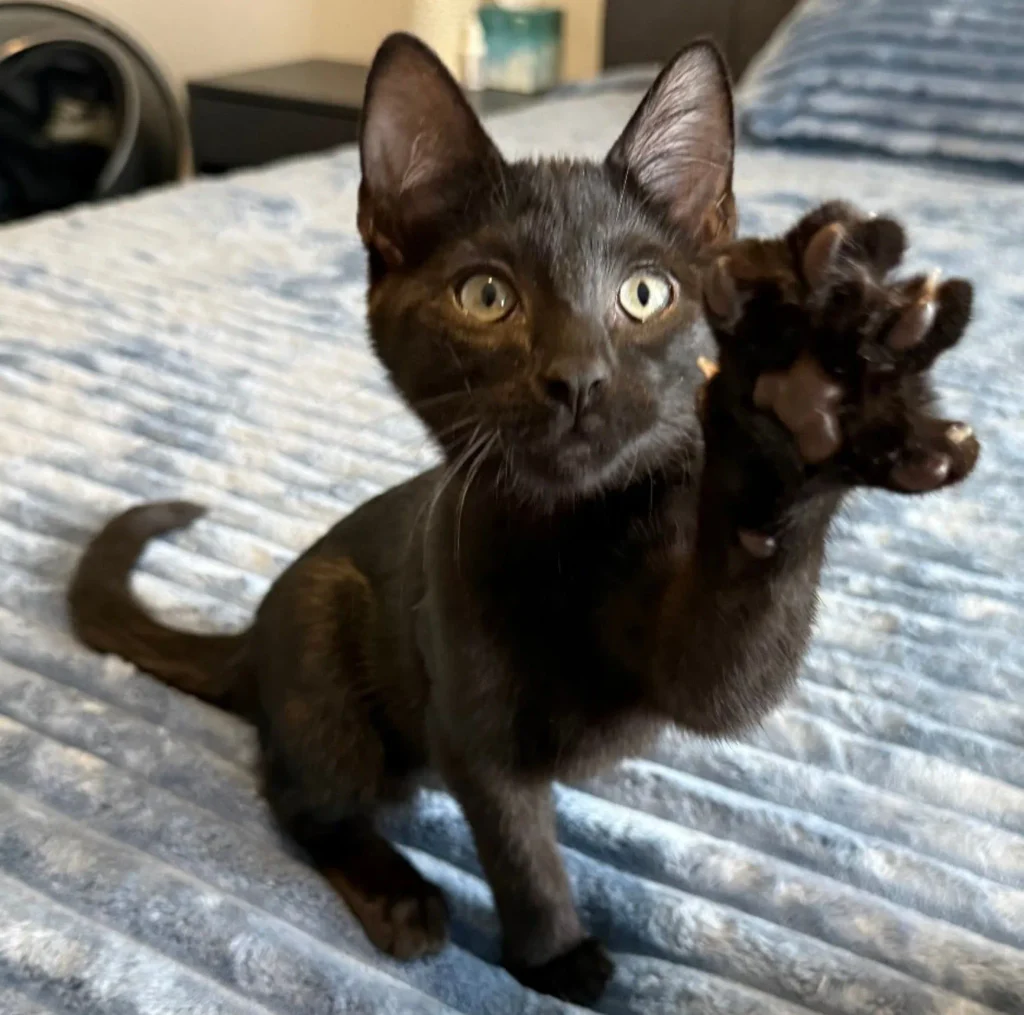
Thinking About Fostering in South Florida?
Understanding the cat rescue process can make the foster role much clearer.
You are not responsible for intake decisions, veterinary planning, and the entire adoption process. Your part is to care for the cat placed with you, follow the care instructions provided, and tell us what you observe.
We coordinate the larger process around that information.
If you are in Broward County or the surrounding South Florida area, you can learn how our foster program works and see what providing temporary care involves.