
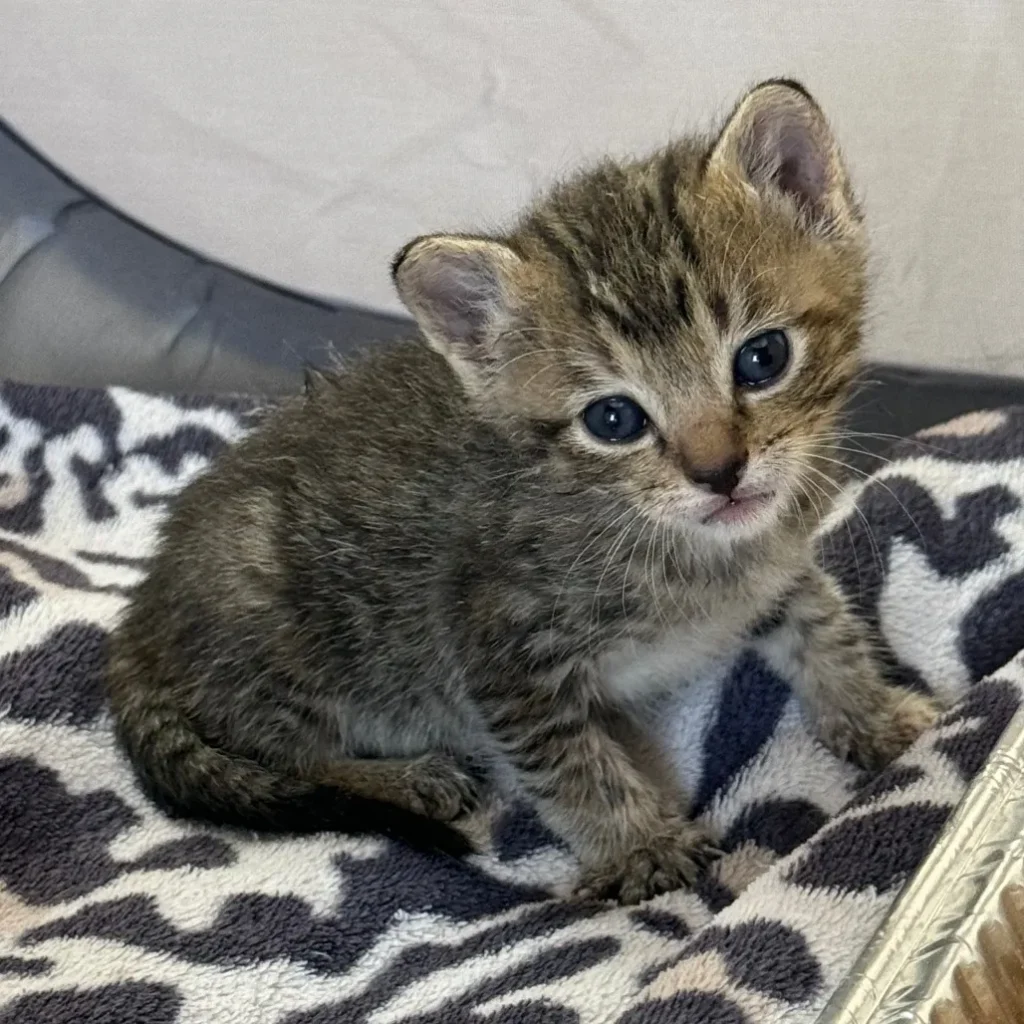
In Broward County, cats need temporary foster homes throughout the year, not only during kitten season.
Kitten intake creates an obvious surge, but adult cats, nursing mothers, shy cats, and cats needing short-term recovery space can need placement at any time. For a foster-based rescue, the question is often simple: is there a safe home available for this cat right now?
Cat foster homes in Broward County give rescues more options when those requests come in.
This article explains why the need continues year-round and what one available foster home can actually change.
Key Takeaways: Why Are Cat Foster Homes Needed Year-Round?
- Cats need foster placement throughout the year, even outside the busiest kitten months.
- Adult cats, nursing mothers, shy cats, and cats needing recovery time may all need different foster setups.
- Some placements last a few weeks, depending on the cat’s age, health, and adoption readiness.
- A quiet spare room can work for many foster placements.
- An available foster home directly affects whether a foster-based rescue has space for another cat.
Cat Rescue Needs Do Not Stop After Kitten Season
Kitten season puts heavy pressure on foster homes, but cats do not enter rescue on a seasonal schedule.
South Florida’s warm climate can contribute to a longer breeding season. Litters and nursing mothers may need placement outside the months people usually associate with peak kitten intake.
Adult cats also need foster homes year-round.
A friendly cat may need somewhere to stay after losing their previous home. A shy cat may need time in a quiet room before we can accurately describe their behavior to potential adopters. Another cat may need temporary monitoring after veterinary care.
Fostering is not limited to raising young kittens.
Different cats create different placement needs throughout the year. Our guide to fostering cats in Broward County explains how foster-based care works locally.
Broward County Has Ongoing Foster Placement Needs
When a cat needs help, having a carrier or veterinary appointment is not enough. We also need to know where that cat will stay.
For a foster-based rescue like Happy Whiskers Animal Coalition, available homes affect intake decisions directly.
One foster may already have a litter for the next five weeks. Another may have resident pets and no separate room for a new cat. A foster who usually takes adult cats may not be able to care for young kittens requiring more frequent monitoring.
This means an open foster home can fill a very specific gap.
A friendly adult cat may need a quiet room for two or three weeks while veterinary care, photos, and adoption plans are handled. If no appropriate foster is available, the rescue cannot safely assume that cat will have somewhere to go.
An open foster home gives us another placement option when the next request arrives.
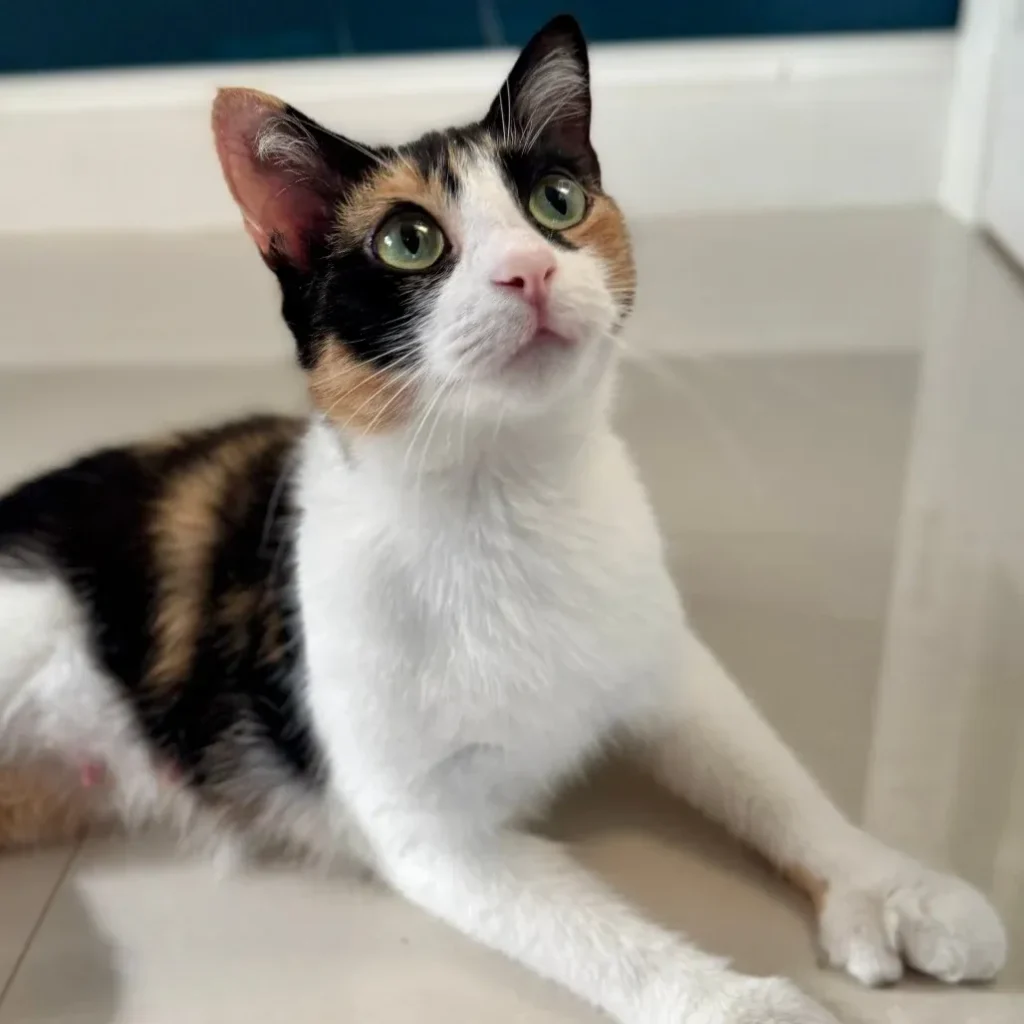
Foster Homes Give Cats Time to Settle Before Adoption
A home setting gives us time to observe a cat outside the immediate stress of intake.
A newly placed cat may spend the first day hiding. After several days of regular meals and the same caregiver, that cat may begin playing, approaching for attention, or showing how they respond to normal household activity.
Those observations matter when we prepare the cat for adoption.
A foster may tell us that a cat is comfortable with other cats but hides when several visitors arrive. Another cat may be highly social and seek attention throughout the day.
We can use that information when speaking with potential adopters.
For someone considering fostering, the home does not need to be large or specially designed for rescue work. Many cats need a safe, contained room where their food, water, litter box, and behavior can be monitored.
Year-Round Foster Homes Cover Different Types of Placements
Not every foster placement requires the same schedule or experience.
A short-term placement may involve an adult cat waiting for a veterinary appointment or needing temporary care during a foster transition. Another cat may need several weeks to recover, grow, or become ready for adoption.
A nursing mother with kittens creates a different routine. Young kittens may need closer monitoring, frequent cleaning, and regular weight checks.
This is why foster matching matters.
Someone who works full time may be better suited for an independent adult cat than kittens requiring frequent care. A quiet home with a separate room may be useful for a shy cat. A foster with kitten experience may be able to take a litter that would not fit another home.
We need different types of foster homes because the cats needing placement are different.
One Available Foster Home Can Increase Rescue Capacity
When every foster home is occupied, a foster-based rescue has reached a practical limit.
A new intake request does not create a new room.
If one foster finishes a placement and is ready for another cat, that changes the options available to us. The open home may fit an adult cat, a pair of kittens, or another case depending on the foster’s setup and availability.
The effect is direct.
A foster home caring for one adult cat gives that cat somewhere safe to stay while veterinary care and adoption plans move forward. It also prevents us from trying to place that cat in a home that is already full or poorly suited to their needs.
Rescue capacity is tied to the number and type of foster homes currently available.
This is why one additional foster can matter even if they only accept certain types of cats.
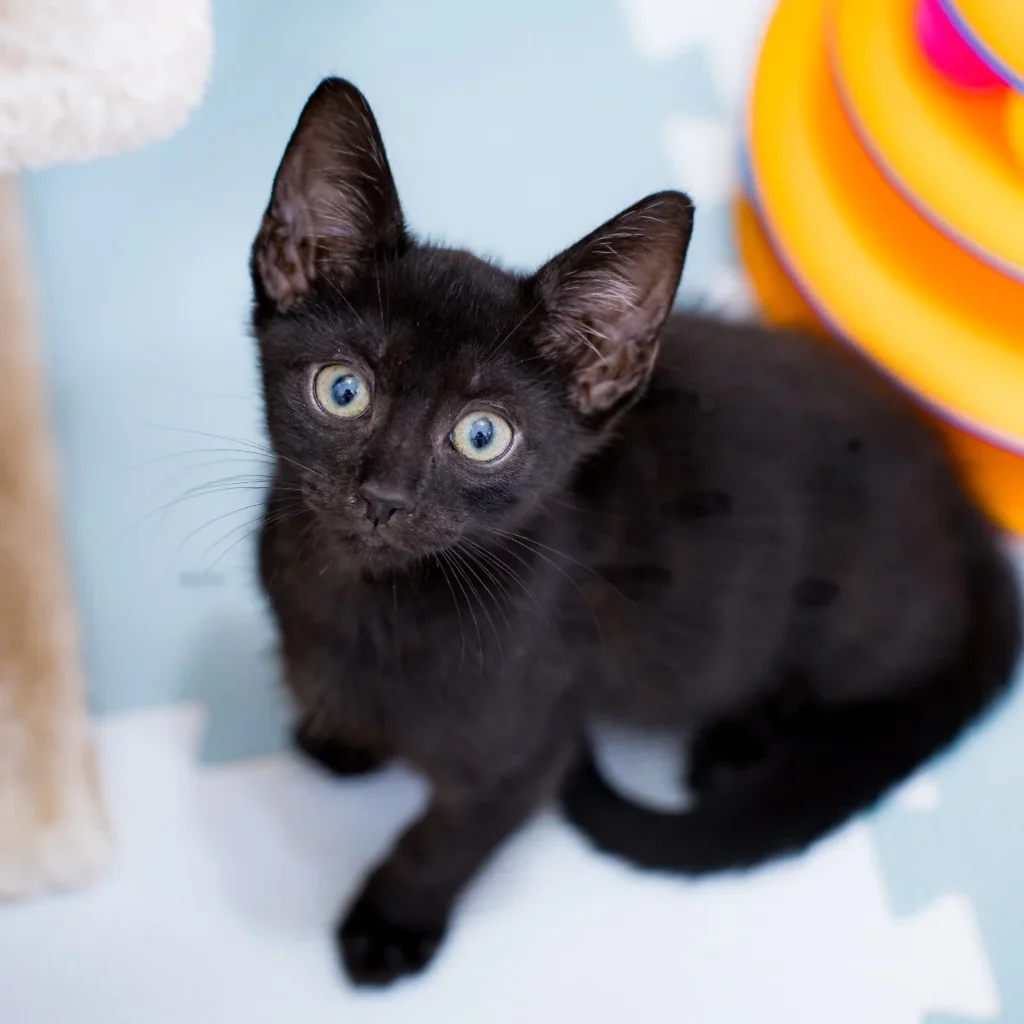
Thinking About Fostering in South Florida?
You do not need to be available for every foster case.
At Happy Whiskers Animal Coalition, we need to understand your schedule, available space, resident pets, and the type of care you can reasonably provide before matching you with a cat.
A person working a regular full-time schedule may be able to foster an adult cat that needs meals, litter box care, observation, and attention before or after work. That same schedule would not fit bottle-fed kittens needing care every few hours.
Being specific about what you can handle helps us make better placement decisions.
If you are considering fostering in Broward County or a nearby South Florida community, you can learn how our foster program works and tell us about your home and availability.