
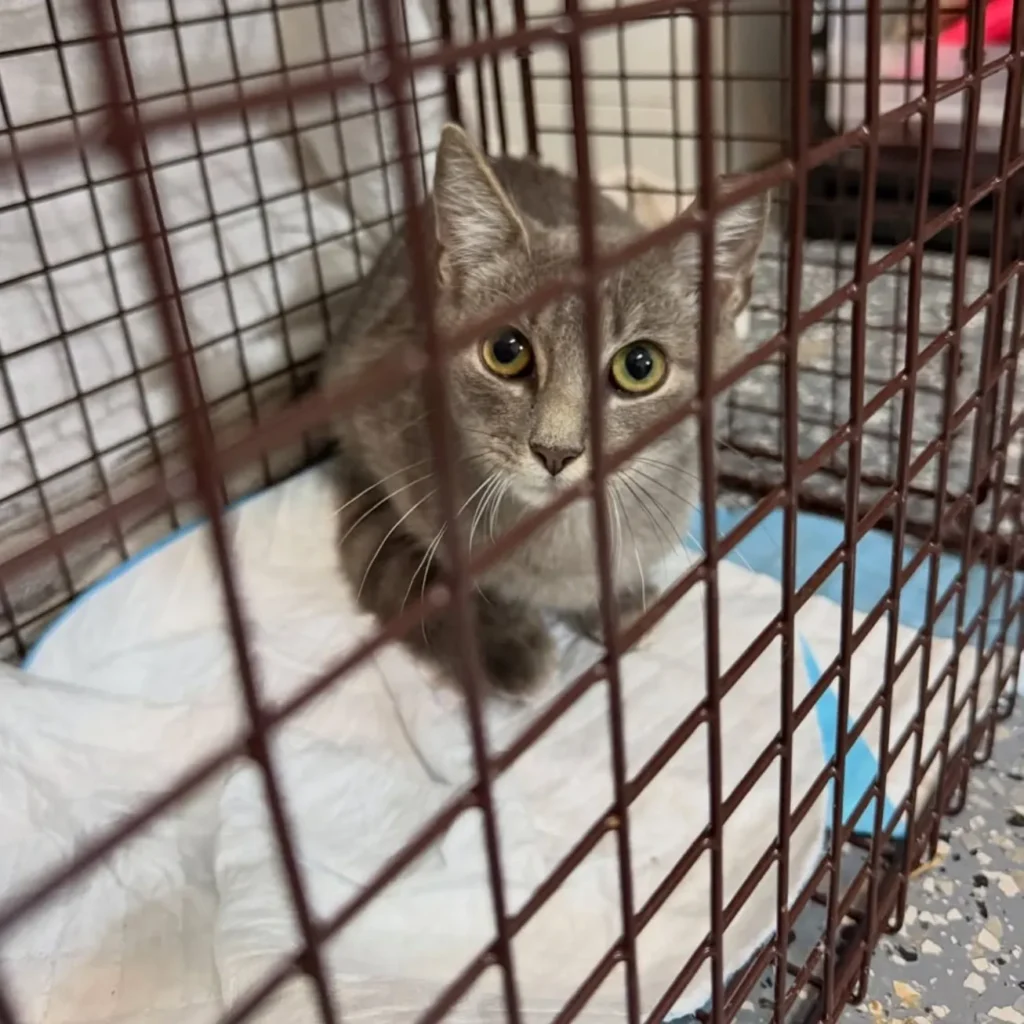
You can foster kittens in an apartment if you have a safe indoor space, a steady care routine, and permission to have cats where you live.
Many people in South Florida want to help kittens but assume they need a large house or a dedicated rescue room. In most cases, that is not true. Foster kittens often begin in a small starter area such as a bathroom, spare room, playpen, or contained section of the home.
This article explains how apartment fostering works, how much space kittens actually need, what setup is required, and what Happy Whiskers Animal Coalition looks for before placing kittens with a foster home.
Key Takeaways
- Apartment living does not prevent you from fostering kittens.
- Foster kittens usually start in a small contained space, not the whole home.
- A bathroom, spare room, playpen, or gated area may work.
- The most important factors are safety, daily care, lease rules, and communication.
- Apartments can make it easier to supervise kittens and notice changes quickly.
- Happy Whiskers helps match foster placements based on your space, schedule, and experience level.
Yes, You Can Foster Kittens in an Apartment
Living in an apartment does not automatically prevent someone from fostering kittens.
Many foster homes are apartments, condos, townhomes, or smaller residences. Kittens do not need a large house to grow safely. They need a contained area where they can eat, sleep, use the litter box, play, and be monitored.
Rescues usually care more about practical setup than square footage.
Before placing kittens, we may look at:
- whether your apartment allows cats
- whether you have a safe indoor area for the kittens
- whether kittens can be kept separate from resident pets
- whether you can feed and clean on schedule
- whether you can monitor appetite, litter habits, and energy level
- whether you can communicate concerns early
- whether your schedule fits the kittens’ care needs
For some placements, an apartment may work very well. A smaller home can make it easier to keep kittens nearby, supervise them, and maintain a simple routine.
The main question is not “Do you have a big home?”
The better question is: “Can you provide a safe temporary setup and daily care until the kittens are ready for adoption?”
How Much Space Foster Kittens Actually Need
Foster kittens usually need less space than people expect, especially at the start of a placement.
When kittens first arrive, they are often kept in a small area. This helps them adjust and makes it easier for the foster caregiver to monitor their behavior and health.
A starter space may be:
- a bathroom
- a spare bedroom
- a quiet corner with a playpen
- a gated section of a room
- an office or laundry area, if safe and temperature-controlled
The starter area should be easy to clean and easy to check throughout the day.
Why a Smaller Space Helps
A small space is not a bad thing for foster kittens.
It can help prevent problems such as:
- kittens hiding in hard-to-reach places
- kittens getting into unsafe areas
- missed litter box issues
- missed appetite changes
- overstimulation from too much space too soon
- difficulty keeping the area clean
When kittens are in a contained space, it is easier to see whether they are eating, drinking, using the litter box, gaining confidence, and acting normally.
Space Needs by Foster Stage
| Stage of Foster Placement | Typical Space Used | Why It Helps |
| Arrival period | Small starter space | Helps kittens adjust and keeps them easy to monitor |
| Early care | Bathroom, playpen, or contained room | Makes feeding, litter care, and observation easier |
| Later exploration | Larger supervised area | Gives kittens more room to play as they grow |
| Pre-adoption stage | Supervised home exposure | Helps kittens get used to normal household activity |
As kittens grow, they may be allowed to explore more of the home under supervision. But the early setup is usually simple and apartment-friendly.
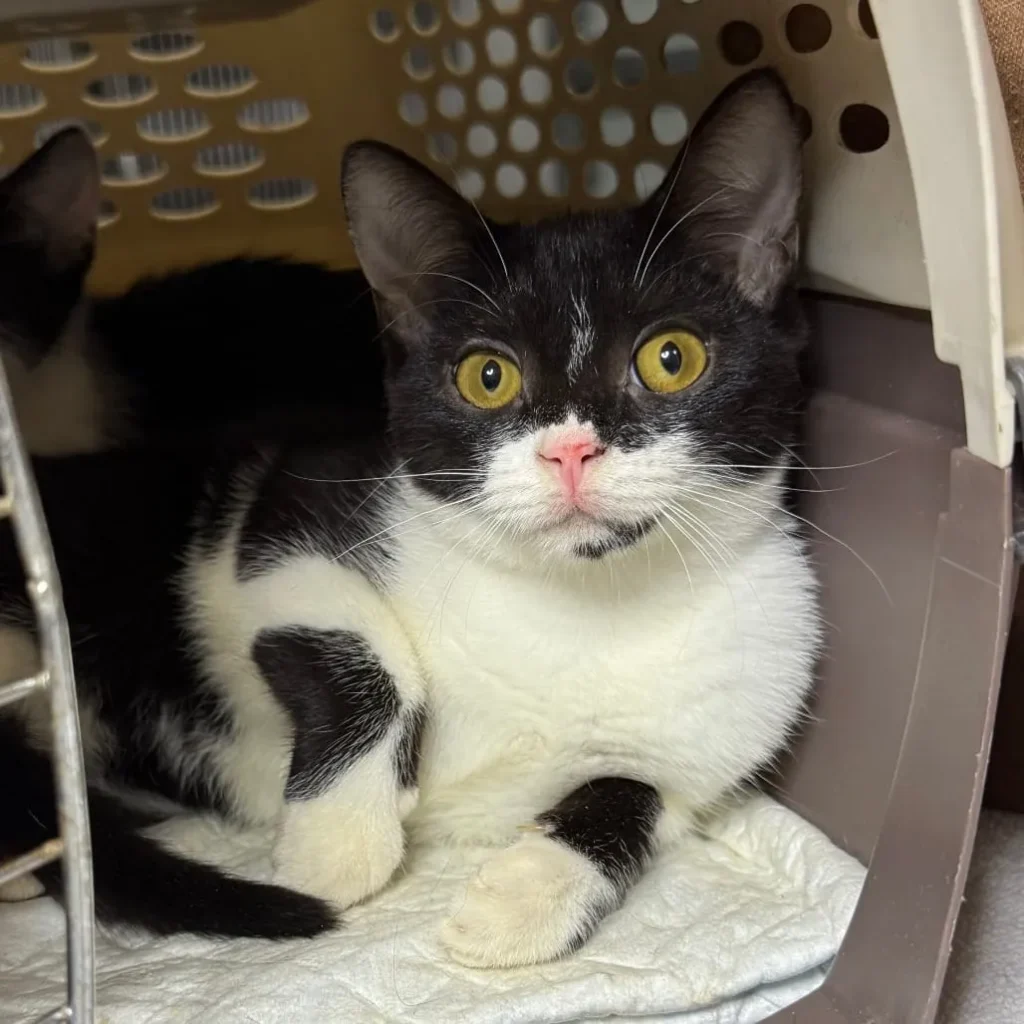
How to Set Up an Apartment for Foster Kittens
A foster kitten setup does not need to be complicated.
Most setups begin with a clean, contained area and a few basic supplies.
Basic Foster Kitten Setup
A starter foster space usually needs:
- litter box
- kitten-safe litter
- food and water bowls
- soft bedding or towels
- a few safe toys
- a carrier
- cleaning supplies
- trash bags or disposable pads, if needed
- a small hiding or resting area
Food and water should be placed away from the litter box. Bedding should be easy to wash or replace. Toys should be safe for kittens and free of small parts they can swallow.
Apartment Setup Options
| Apartment Setup Option | How It Works |
| Bathroom foster space | Easy to clean and usually separate from the rest of the home |
| Spare bedroom | Gives kittens more room while keeping them contained |
| Playpen | Works well in open layouts or smaller apartments |
| Gated section | Can work for older kittens if the area is safe and supervised |
A bathroom is often one of the easiest foster spaces because the floor is usually easy to clean and the door creates a clear boundary. A playpen can also work well for young kittens who need a safe starting area.
Kitten-Proofing the Space
Before kittens arrive, check the area for:
- loose cords
- small objects they could swallow
- open toilet lids
- cleaning products
- gaps behind appliances or furniture
- unstable items that could fall
- plants that may be toxic
- places where kittens could hide and be difficult to reach
The goal is to make the space simple, safe, and easy to monitor.
Common Apartment Concerns About Fostering Kittens
Apartment living can bring a few extra questions, especially around leases, pets, noise, and space. Most concerns can be addressed before a placement begins.
Lease or Landlord Policies
Before fostering, check your lease or building rules.
Even though fostering is temporary, your apartment community may still treat foster kittens as pets. Some buildings allow cats. Others have pet limits, deposits, breed/species rules, or approval requirements.
Before applying, it helps to confirm:
- whether cats are allowed
- whether temporary foster animals are allowed
- whether there is a pet limit
- whether fees or deposits apply
- whether written approval is needed
This protects you and keeps the foster placement from being disrupted later.
Existing Pets in the Home
Having pets does not automatically prevent you from fostering kittens in an apartment.
In many cases, foster kittens are kept separate from resident pets, especially at first. This helps protect the kittens, reduces stress, and gives the rescue time to understand how the kittens are doing.
If you already have pets, we may ask:
- what pets live in the home
- whether they have been around cats or kittens
- whether you can keep foster kittens separated
- whether your pets are vaccinated and healthy
- whether your apartment has enough separation space
Some foster homes keep foster kittens separated the entire time. Others may allow limited introductions later if appropriate. That depends on the placement.
Noise and Neighbor Concerns
Foster kittens are usually not loud enough to disturb neighbors.
Most kittens sleep, eat, play in short bursts, and rest again. They may meow at times, especially during adjustment or feeding, but they are not usually a major noise concern in an apartment.
Noise may be more noticeable if:
- kittens are very young and hungry
- they are adjusting to a new space
- they are separated from littermates
- they are active during evening play
Keeping kittens in a contained area with bedding, toys, food, water, and a predictable routine can help reduce stress-related noise.
Cleaning and Odor
Cleaning is another common apartment concern.
A small foster space can stay clean if litter is scooped regularly, food dishes are washed, bedding is changed, and accidents are cleaned quickly.
Helpful habits include:
- scooping the litter box daily
- keeping food away from litter
- washing bedding when needed
- using washable towels or blankets
- taking trash out regularly
- keeping cleaning supplies nearby but safely stored
Odor usually becomes a problem when the litter box is not cleaned often enough or the space is too crowded for the number of kittens.
Why Apartments Often Work Well for Foster Kittens
Apartments can be a good fit for kitten fostering because they are easier to supervise.
A smaller home often has fewer rooms, fewer hiding spots, and less space for kittens to get into trouble. That can make daily care more straightforward.
Apartments may help foster caregivers:
- notice appetite changes quickly
- monitor litter box use
- supervise play
- keep kittens away from unsafe spaces
- maintain a consistent feeding routine
- interact with kittens throughout the day
- clean the foster area more easily
For kittens, a smaller setup can feel less overwhelming than a large open home.
A kitten does not need access to every room. In fact, too much space too early can make it harder to monitor them. Starting small helps them build confidence before they explore more.
Apartment fostering can also work well for people who work from home or spend regular time nearby. Short check-ins during the day can help with socialization and monitoring.
How Foster Programs Support Apartment Foster Homes
People often worry they need to figure out the setup alone.
At Happy Whiskers, we help foster homes understand what the kittens need before placement. We look at your space, schedule, and experience level so we can choose a placement that makes sense.
Support may include:
- basic setup instructions
- feeding guidance
- litter box setup tips
- supply coordination
- approved veterinary care coordination
- help with questions during the placement
- guidance on what behavior or health changes to watch for
Foster homes are not expected to diagnose medical issues or make major decisions alone. Your role is to care for the kittens, follow instructions, observe changes, and contact us when something seems off.
How Placement Matching Works
Not every kitten placement is the same.
Some kittens are eating on their own and only need basic care, cleaning, play, and monitoring. Others may need frequent feeding or closer observation. Very young kittens may require more time and experience.
Before placing kittens, we may consider:
| Factor | Why It Matters |
| Apartment setup | Helps determine whether the space can safely contain kittens |
| Schedule | Helps match the placement to your availability |
| Experience level | Helps avoid care needs that are too advanced for a first placement |
| Resident pets | Helps plan separation and safety |
| Travel plans | Helps avoid placements during times you cannot provide daily care |
| Lease rules | Helps prevent housing problems during the foster period |
This is why apartment fostering can work well when the placement matches the home.
For a first foster placement, older kittens who are eating on their own may be easier than neonatal kittens. A simple bathroom or playpen setup may be enough, depending on their age and care needs.
Is Apartment Fostering Right for You?
Apartment fostering may be a good fit if you can provide a safe contained space and daily care.
It may work well if you:
- have permission to have cats in your apartment
- have a bathroom, spare room, playpen, or safe contained area
- can feed and clean on schedule
- can keep kittens away from unsafe areas
- can separate kittens from resident pets if needed
- can monitor behavior, appetite, and litter habits
- can communicate with the rescue during the placement
You may want to wait if:
- your lease does not allow cats
- you are moving soon
- you travel often
- you cannot provide a safe contained space
- your resident pets cannot be separated from foster kittens
- your schedule does not allow daily care
These issues do not mean you can never foster. They may just mean the timing or setup needs to change first.
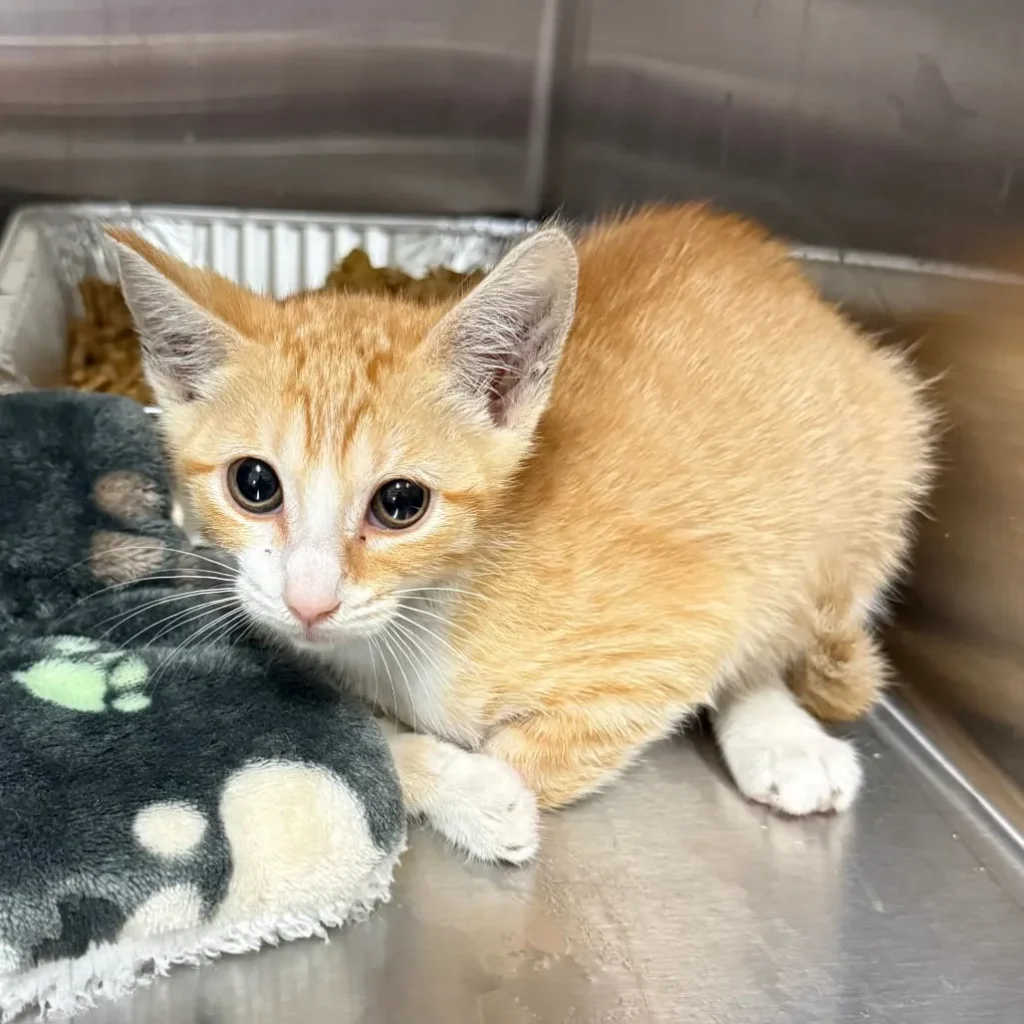
You can foster kittens in an apartment if the space is safe, contained, and allowed under your lease or building rules.
Kittens do not need a large home. Many start in a bathroom, spare room, playpen, or small gated area where they can eat, sleep, use the litter box, play, and be monitored. For some foster homes, an apartment makes supervision easier.
What matters most is daily care, safe setup, communication, and matching the placement to your schedule and experience level.
If you live in Broward County or nearby South Florida communities and want to foster kittens, you can learn how our foster program works through Happy Whiskers and tell us about your apartment setup when you apply.