
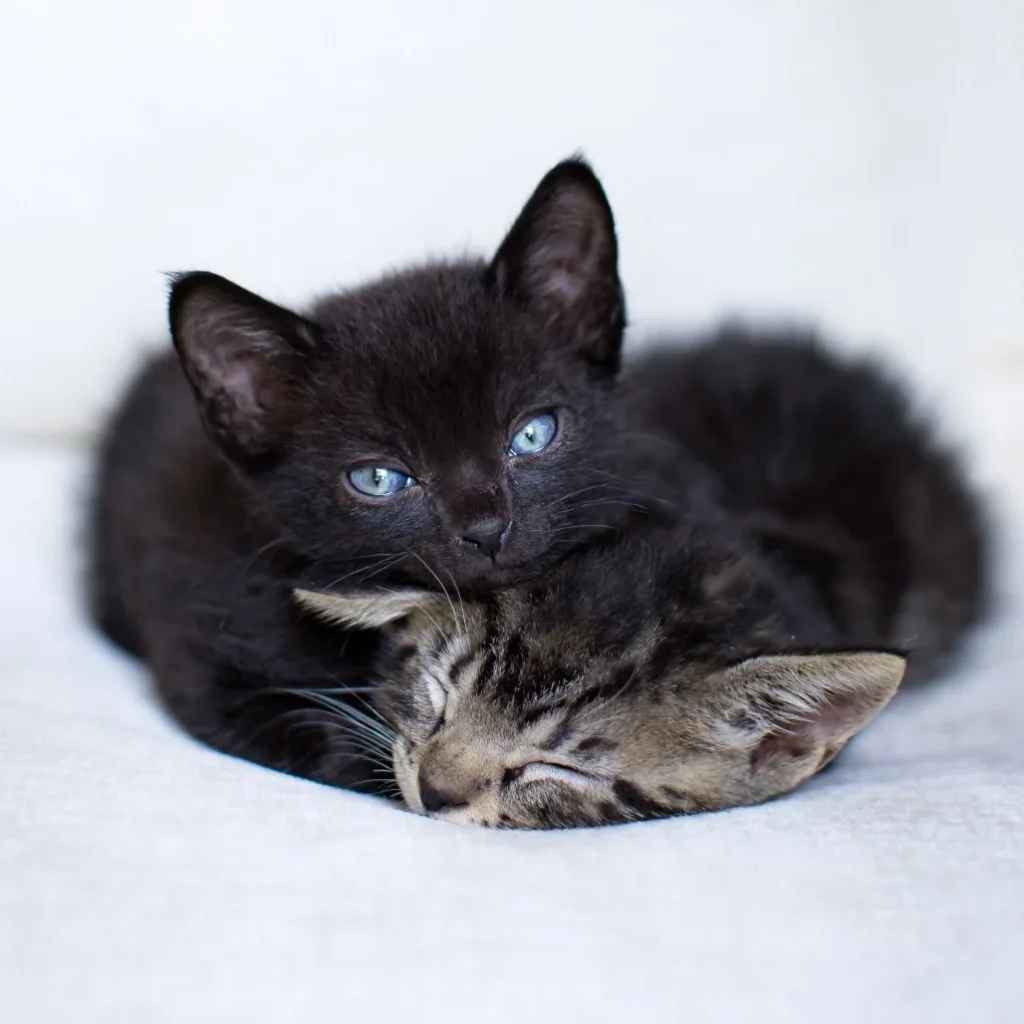
Can a foster cat safely watch birds through the window, or will seeing something they cannot chase make them frustrated?
In South Florida, cats may have plenty to watch. Birds land near patios and fences. Lizards move along walls and screens. Even a quiet window can have regular outdoor activity.
Yes, foster cats can usually watch birds through a secure window. The useful question is how the individual cat behaves during and after watching.
A cat who watches for a while and then eats, sleeps, or moves on is responding differently from a cat who repeatedly lunges at the glass and cannot settle.
Key Takeaways: Can Foster Cats Safely Watch Birds Through the Window?
- Foster cats can usually watch birds through a closed, secure window.
- The perch should be stable and blind cords or other hazards should be removed.
- Calm watching, chirping, and tracking movement are usually normal.
- Repeated lunging, pacing, or fixation may mean the setup needs to change.
- Kittens need closer supervision because they may climb screens or unstable furniture.
- What the cat does after leaving the window can help you judge whether the activity is working for them.
Start With the Window Itself
Before placing a cat tree or chair near a window, check the window.
A loose screen is not a secure barrier for a foster cat. Screens can shift or tear when a cat jumps against them or climbs. An open window should not be treated as safe simply because a screen is present.
If you are fostering cats in Broward County, indoor safety is part of the foster setup. We need foster cats to remain securely indoors while we track their health, behavior, and care.
Keep the window closed unless we have discussed the setup with you and the barrier is secure. Use a stable cat tree, chair, bench, or wide sill that will not move when the cat jumps onto it.
Remove breakable items and secure blind cords or curtain ties.
Kittens deserve extra attention here. A kitten may climb a screen, jump onto a narrow ledge, or pull at blinds within minutes of discovering the window.
Watch how a new foster uses the area before leaving it as part of their normal setup.
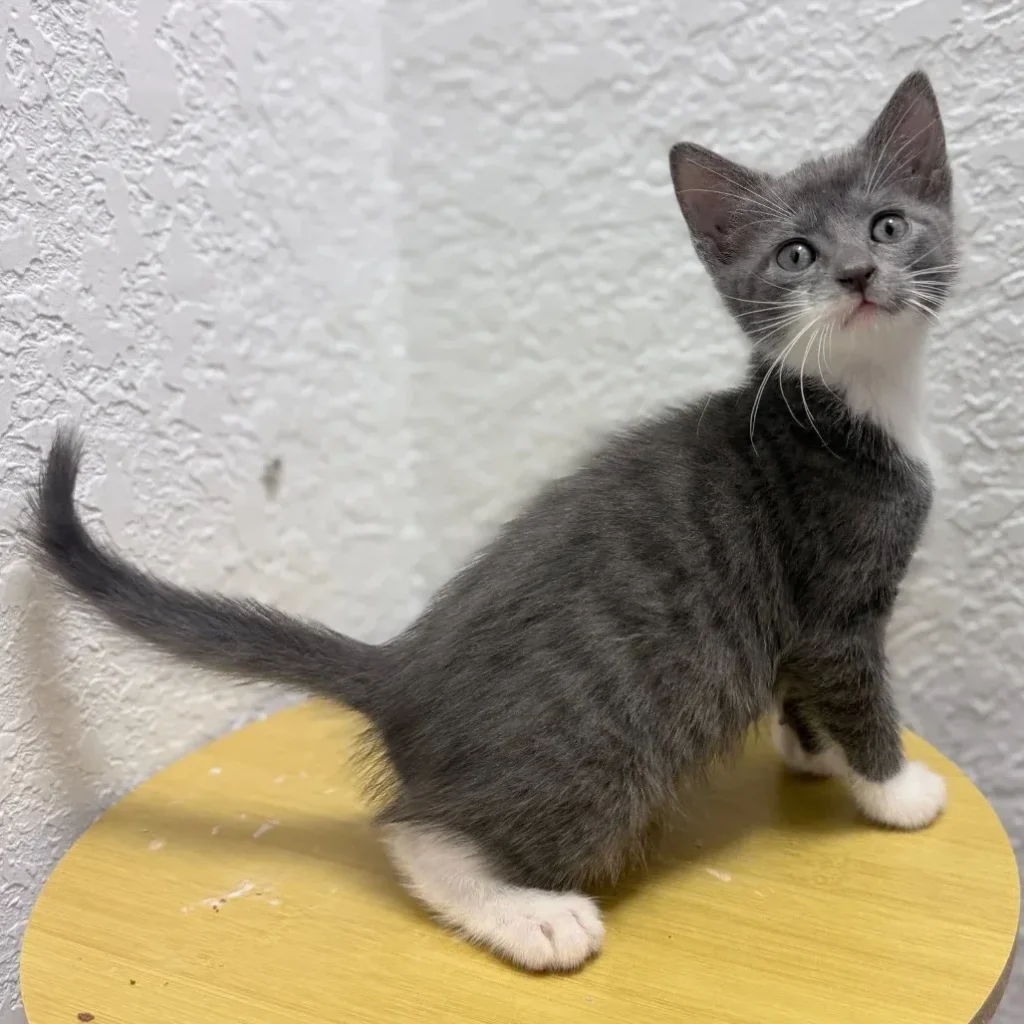
Window Watching Can Be Simple Enrichment
Some foster cats are not immediately interested in toys or direct interaction.
A shy adult may spend the first few days watching the room from one resting place. If that cat begins sitting near a secure window each morning, the view gives them something to observe without requiring someone to approach or handle them.
Other cats actively track birds or lizards, chirp, and move between different viewing spots.
We do not need to create a complicated enrichment schedule around the window. If the cat chooses to watch and can leave when they are done, the activity may simply become part of their daily routine.
A cat may watch birds after breakfast and sleep for the next two hours.
That tells us something very different from a cat who remains at the glass pacing long after the bird is gone.
Watch What Happens After the Bird Leaves
Interest by itself is not a problem.
A foster cat may stare, crouch, flick their tail, or chatter while watching a bird. We pay more attention when the cat cannot disengage or their behavior remains changed afterward.
Watch for repeated:
- lunging at the glass or screen
- pacing between windows
- climbing blinds or screens
- growling or intense agitation
- remaining fixated long after the outdoor movement stops
- difficulty settling back into eating, resting, or normal activity
For example, a kitten may watch a bird for several minutes and then begin climbing the blinds. Move the perch farther from the window or close the blinds for a while.
If an adult cat repeatedly paces after seeing outdoor cats or other animals, tell us what you are seeing. The issue may be the specific view rather than window watching in general.
The cat’s ability to leave the window and return to their normal routine gives us useful information.
Give the Cat a Stable Place to Watch
The viewing spot does not need to be elaborate.
A stable cat tree, sturdy chair, bench, or wide windowsill may work. The cat should be able to sit comfortably and step away without balancing on a narrow surface.
Avoid placing the perch where the cat has to jump across breakable objects or land on unstable furniture.
For kittens, check the entire area around the window. Blind cords, curtain ties, small decorations, and gaps behind furniture can become part of the activity once a kitten starts climbing.
In South Florida homes, patios and screened areas can create another temptation. A screened patio is still different from a closed indoor window. Do not give a foster cat patio or outdoor access unless we have specifically approved the setup.
Window Behavior Can Give Foster Families Useful Notes
We ask foster families to share photos, updates, and observations about the cats in their care.
Window watching may reveal small patterns worth noting.
A shy cat who spent three days under furniture may begin sitting at the window every morning. A young cat may watch birds briefly and then immediately look for something to chase. Another cat may ignore outdoor movement completely and prefer sleeping near people.
Those details help us describe the cat as an individual.
Instead of simply saying a cat is “calm” or “playful,” a foster can tell us what the cat actually does during an ordinary day.
That information can later help us answer adopter questions about energy, routine, and how the cat spends time in a home.
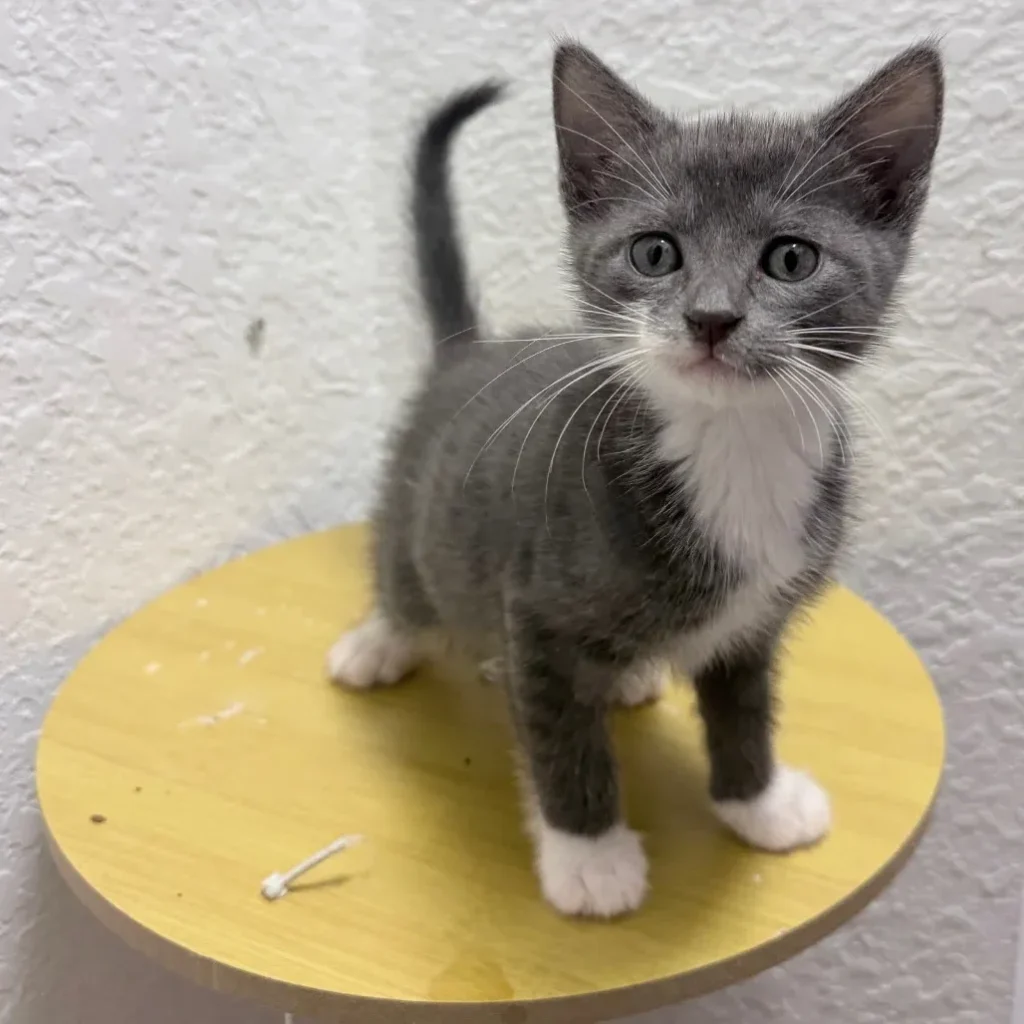
Tell Us if the Activity Repeatedly Changes the Cat’s Behavior
You do not need to report every tail flick or chirp.
Contact us if window watching repeatedly leaves the cat agitated, causes them to throw themselves against a window or screen, or appears to interfere with eating, resting, or normal activity.
Tell us what the cat was watching and what happened afterward.
For example: “He watches birds calmly, but when the outdoor cat comes by, he growls and paces for 30 minutes.”
That gives us something specific to work with.
We may suggest blocking part of the view, moving the perch, limiting access at certain times, or redirecting the cat to play after a short viewing period.
Thinking About Fostering a Cat in South Florida?
Questions about windows, toys, hiding spots, and everyday behavior are normal when preparing a foster space.
We provide foster families with supplies, approved medical care, and care instructions for the cats placed with them. We also ask fosters to tell us when a cat’s behavior changes or a setup is not working as expected.
If you are considering opening your home to a cat, you can learn how fostering works with Happy Whiskers and apply to foster.