
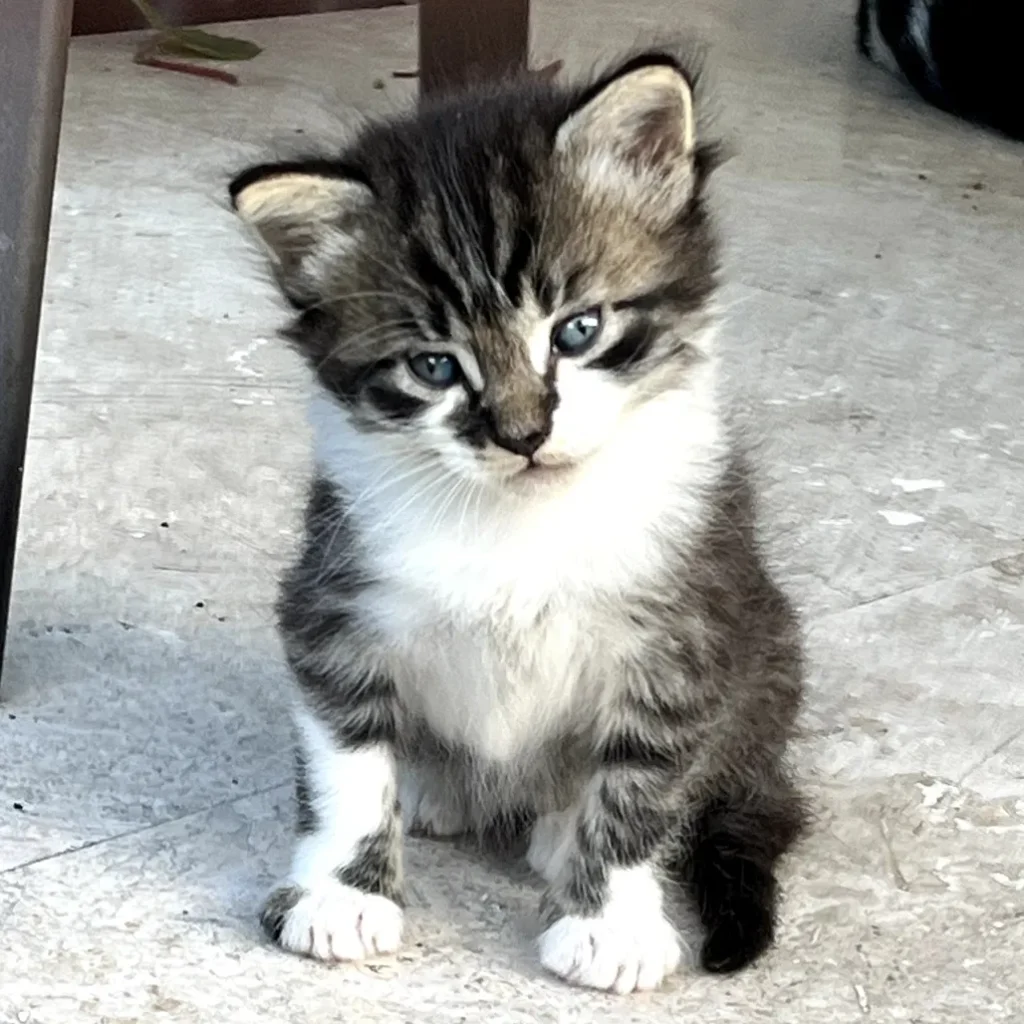
Bottle feeding kittens means caring for very young kittens who are not ready to eat on their own.
For people considering fostering, the main question is usually practical: Can I handle the schedule? Bottle-fed kittens often need feeding every few hours, including overnight, especially during the earliest weeks.
In South Florida and Broward County, kittens are often found during busy kitten seasons before they are old enough to survive without help. Bottle-feeding foster homes give those kittens a safe place to receive frequent care while they grow.
This article explains what bottle feeding kittens involves, how often feedings happen, what supplies are used, and how to decide whether this type of foster placement fits your routine.
Key Takeaways: Is Bottle Feeding Kittens Realistic for Your Daily Routine?
- Bottle-fed kittens may need feeding every 2–4 hours, including overnight.
- The most demanding stage is usually the first few weeks.
- Bottle feeding is usually temporary and leads into weaning as kittens grow.
- You do not need prior experience, but you do need to follow instructions closely.
- Supplies and approved medical coordination are usually handled by the rescue.
- This role fits best when someone has enough schedule flexibility for repeated feedings.
What Bottle Feeding Kittens Means in a Rescue Setting
Bottle feeding kittens means feeding young kittens with kitten milk replacement formula because they are too young to eat solid food.
This usually applies to kittens under four weeks old. Some may have been found without their mother. Others may have been separated too early or brought into rescue before they can eat on their own.
Bottle feeding replaces part of what a mother cat would normally provide: regular nutrition, warmth, and close care during the earliest stage of life.
Bottle-fed kittens usually need:
- kitten milk replacement formula
- a small bottle or syringe
- frequent feedings
- help staying warm
- monitoring after each feeding
- weight checks or growth tracking
- close observation for changes in energy, appetite, or behavior
Cow’s milk should not be used. Kittens need formula made for their age and needs.
Why Rescues Rely on Bottle-Feeding Fosters
Very young kittens can decline quickly if they do not receive regular care. They cannot wait until they are older or ready for adoption.
That is why bottle-feeding foster homes are so important during kitten season. When a neonatal kitten comes into rescue, the first need is usually not adoption. It is immediate feeding, warmth, and monitoring.
In South Florida, where kitten season can last much of the year, rescues may receive calls about young kittens who need care right away. Foster homes that can bottle feed help bridge the gap between rescue intake and weaning.
How Kittens Are Placed Into Bottle-Feeding Care
Bottle-fed kittens are usually placed quickly because their care is time-sensitive.
Before placement, the rescue looks at the kitten’s age, weight, condition, and feeding needs. The foster caregiver is then given instructions based on the kitten’s stage of development.
At Happy Whiskers, we do not expect a foster to guess. We explain the feeding routine, what supplies are needed, what changes to watch for, and when to contact us.
How Often Bottle Feeding Is Required
Bottle feeding requires frequent feedings.
Newborn kittens may need to eat every 2–3 hours. As they grow, the time between feedings usually increases.
A general schedule may look like this:
| Kitten Age | Feeding Frequency | What to Expect |
| 0–1 week | Every 2–3 hours | Highest care needs, including overnight |
| 1–2 weeks | Every 2–3 hours | Still needs frequent feeding and monitoring |
| 2–3 weeks | Every 3–4 hours | Slightly longer gaps between feedings |
| 3–4 weeks | Every 4–5 hours | Transition toward weaning may begin |
The exact schedule depends on the kitten’s age, weight, and condition.
What This Looks Like in Daily Life
Bottle feeding is not a morning-and-evening task.
It affects the whole day because feedings repeat every few hours. During the earliest stage, that includes overnight feedings.
A bottle-feeding day may include:
- warming formula
- feeding each kitten slowly
- cleaning the kitten afterward if needed
- helping very young kittens with bathroom needs, if instructed
- checking energy level
- tracking weight or intake
- cleaning bottles and supplies
- repeating the process a few hours later
Each feeding session may be short, but the timing matters. The main challenge is not that one feeding takes a long time. It is that the schedule repeats around the clock.
Why the Schedule Matters
Young kittens cannot go long stretches without nutrition.
Frequent feedings help with hydration, warmth, energy, and growth. Delayed or missed feedings can be risky, especially during the first one to two weeks.
That is why bottle feeding works best for people who can plan around repeated feedings for a short period of time.
Common Questions About the Schedule
Do bottle-fed kittens sleep through the night?
No. Newborn kittens usually need overnight feedings until they are older.
Does the schedule get easier?
Yes. As kittens gain weight and move toward weaning, feeding gaps usually get longer.
Can someone with a full-time job bottle feed?
It depends on the schedule. Some people can manage it if they work from home, have flexible hours, or can share care with another adult. A standard away-from-home workday may not fit the earliest bottle-feeding stage.
What Supplies and Support Foster Homes Receive
Bottle feeding requires specific supplies, but foster homes usually do not need to figure everything out alone.
Rescues typically provide or coordinate the basic items needed for the placement. The goal is to make sure feeding can start safely and quickly.
Supplies Typically Used for Bottle Feeding
Bottle feeding may require:
- kitten milk replacement formula
- neonatal feeding bottles
- bottle nipples or syringe tips
- instructions for mixing formula
- instructions for warming formula safely
- towels or soft bedding
- a heating source, if appropriate and safely used
- a scale for weight checks, in some cases
- cleaning supplies for bottles and feeding tools
The exact supplies depend on the kittens’ age and condition.
How Happy Whiskers Supports Bottle-Feeding Fosters
Support is not just supplies.
Bottle-feeding fosters may need help with technique, feeding amount, weight gain, warning signs, and when to adjust the schedule.
We may provide guidance on:
- how to hold the kitten during feeding
- how often to feed
- how much formula to offer
- how to recognize when the kitten is full
- what changes should be reported
- when veterinary care may be needed
- when weaning may begin
Questions are expected, especially during the first few days.
A first-time foster may need help figuring out whether a kitten is eating enough, whether the feeding position is correct, or whether a small change is normal. Those questions are part of the process.
What Daily Communication May Look Like
Most updates are simple.
Examples include:
- “The kitten ate at each feeding and is sleeping normally.”
- “Weight is up slightly today.”
- “The kitten seems less interested in the bottle.”
- “Stool looks different today.”
- “Feeding took longer than usual.”
These updates help the rescue decide whether to continue the current plan, adjust feeding instructions, or coordinate medical care.
Common Challenges and What First-Time Fosters Should Expect
Bottle feeding kittens can be demanding, especially at the beginning.
That does not mean it is impossible for a first-time foster. It means the expectations need to be clear before accepting the placement.
Sleep Disruption
The hardest part for many bottle-feeding fosters is the overnight schedule.
During the earliest weeks, kittens may need feeding every few hours. That means broken sleep and a routine built around feeding times.
This is temporary, but it is real. Anyone considering bottle feeding should be honest about whether they can wake up, feed carefully, clean up, and repeat that schedule.
Learning the Feeding Technique
Bottle feeding is a skill.
The first few sessions can feel awkward. A foster may wonder:
- Is the kitten positioned correctly?
- Is the kitten eating enough?
- Is the formula warm enough?
- Is the kitten swallowing safely?
- When should I stop feeding?
These questions are normal. The technique usually becomes easier after repeated feedings and clear instructions.
Monitoring Health and Growth
Bottle-fed kittens need close observation.
Fosters may be asked to watch for:
| What to Watch | Why It Matters |
| Appetite | Kittens need steady intake |
| Weight | Gradual gain is a good sign |
| Energy | Weakness can be a warning sign |
| Body temperature | Young kittens need help staying warm |
| Stool or bathroom changes | Changes may need follow-up |
Foster caregivers are not expected to diagnose problems. They are expected to notice changes and contact the rescue.
Emotional Attachment
Bottle-fed kittens need frequent hands-on care, so attachment can happen quickly.
That is normal. You are feeding them, holding them, watching them grow, and seeing progress day by day.
The foster role is still temporary. The goal is to help kittens reach the stage where they can eat on their own, grow stronger, and eventually move toward adoption.
When Bottle Feeding Leads to the Next Stage
Bottle feeding does not last forever.
As kittens grow, they usually begin moving toward weaning around 3–4 weeks of age, though timing can vary.
Weaning means the kitten starts transitioning from formula to soft food. Bottle feedings decrease gradually as the kitten learns to eat more independently.
Signs a Kitten May Be Ready for the Next Stage
Signs may include:
- longer gaps between feedings
- steady weight gain
- more alertness
- more movement
- interest in licking or tasting food
- stronger coordination
- increased curiosity
This transition should be guided by the rescue. A kitten should not be rushed into weaning before they are ready.
Typical Development Timeline
| Age Range | Stage | What Changes |
| 0–2 weeks | Neonatal bottle feeding | Full dependence on formula |
| 2–3 weeks | Early growth | More alertness and movement |
| 3–4 weeks | Transition period | Weaning may begin |
| 4–5 weeks | Weaning | Soft food becomes part of care |
As kittens begin weaning, the care routine usually becomes easier. Overnight feedings often decrease or stop, and the focus shifts toward soft food, litter box habits, socialization, and monitoring growth.
This is often the point when the most intense part of the placement is ending.
Is Bottle Feeding Kittens Right for You?
Bottle feeding may be a good fit if you can handle frequent feedings for a short period of time.
It is not mainly about prior experience. It is about schedule, patience, and follow-through.
This Role May Fit If You:
- work from home or have flexible hours
- can wake up for overnight feedings
- can follow written care instructions
- can monitor small changes in behavior or appetite
- can communicate concerns quickly
- are comfortable with short-term intensive care
- understand that the first weeks are the hardest
This Role May Not Fit Right Now If You:
- are away from home for long stretches
- cannot do overnight feedings
- have an unpredictable schedule
- are traveling soon
- cannot monitor kittens closely
- do not have a safe indoor space for the kittens
That does not mean you cannot foster at all. It may just mean an older kitten placement would be a better fit than bottle feeding.
What Success Looks Like
Success in bottle feeding is not about doing everything perfectly from the first day.
A good bottle-feeding placement usually means the kittens are:
- eating regularly
- staying warm
- gaining weight
- becoming more alert over time
- moving toward weaning when ready
Your role is to keep the routine going, follow instructions, and ask questions when something changes.
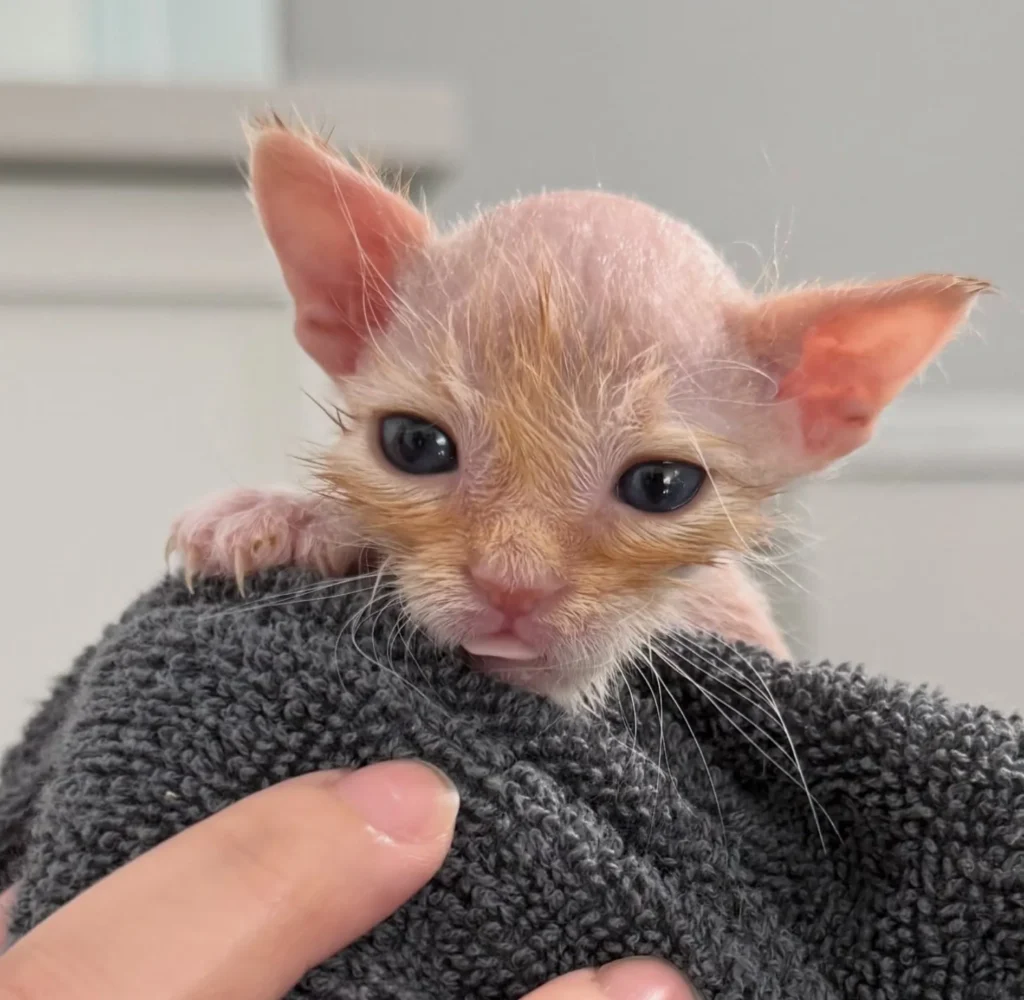
Bottle feeding kittens is a short-term foster role with frequent feedings, overnight care, and close monitoring during the earliest weeks of life.
It can be demanding, especially at first. But the work becomes easier to understand once the routine is clear and the kittens begin growing.
For many people, the decision comes down to schedule. If you can handle repeated feedings for a few weeks, bottle feeding may be a foster role to consider. If that schedule does not fit, older kittens may be a better starting point.If you want to understand which foster placement may fit your home and routine, you can learn how our foster program works through Happy Whiskers.