
Choosing a cat is not only about which cat is friendly during the first meeting. A cat may be sweet, playful, shy, or calm and still need a home environment that matches how they naturally live day to day.
For adopters in South Florida, especially in Broward County, the decision often comes down to practical questions: Will this cat be comfortable with our schedule? Our noise level? Our kids or other pets? Our normal routine?
Here are five ways to tell whether a cat’s personality is likely to fit your home.
Key Takeaways: How do you know if a cat is right for your home?
- A good match starts with energy level, not appearance.
- Social cats and independent cats need different types of attention.
- Kids, pets, visitors, and noise can affect how well a cat settles.
- First-day behavior does not always show a cat’s full personality.
- Long-term fit depends on whether your routine can meet the cat’s daily needs.
1. Their Energy Level Matches Your Household Pace
Energy level is one of the clearest signs of fit.
A playful, active cat may need regular play sessions, climbing space, toys, and a home that can handle movement. A calmer cat may do better in a quiet apartment, a slower household, or a home where routines stay fairly steady.
This does not mean one type of cat is better than another. It means the home should match the cat’s activity needs.
A simple way to think about it:
| Your Home | Better Fit |
| Quiet home or apartment | Calm or low-energy cat |
| Busy household | Confident, active cat |
| Work-from-home schedule | Social or moderately active cat |
| Long work hours away | Independent, lower-maintenance cat |
The Humane Society of Green Bay notes that kittens are usually more curious and energetic, while adult cats are often more settled. That matters when deciding whether your home is ready for kitten energy or better suited for an adult cat.
2. Their Social Style Fits How You Want to Interact
Some cats want frequent attention. Others prefer to be nearby without being handled often.
A social cat may follow you around, sit close, vocalize for attention, or seek out play. An independent cat may rest in another room, accept attention in short windows, or prefer quiet companionship over constant contact.
Neither behavior is wrong. The question is whether it matches what you want.
A mismatch often happens when someone wants a lap cat but adopts a cat that prefers space. Another mismatch happens when a highly social cat goes into a home where everyone is gone most of the day.
A good adoption match feels natural because the cat’s attention needs fit the household’s normal rhythm.

3. They Seem Suited for Your Kids, Pets, and Noise Level
Personality does not exist separately from the home environment. A cat that does well in a quiet foster home may need more time in a busy household. A confident cat may adjust faster to visitors, children, or other pets.
Before adopting, look at your real home environment:
- Are there young children?
- Are there dogs or other cats?
- Is the home usually loud or quiet?
- Do visitors come and go often?
- Can the cat have a quiet room during the adjustment period?
For homes with dogs, American Humane recommends considering both animals’ behavior, including whether the dog is likely to chase and whether the cat is calm and confident around movement.
For children, the main issue is usually handling. A cat that dislikes being picked up may still do well with kids if the children can give space and follow simple rules.
4. You Understand That Early Behavior Is Not the Whole Personality
A cat’s first few days in a new place can be misleading.
Hiding, quiet behavior, slow movement, or limited interaction may be signs of adjustment stress, not permanent personality. PAWS explains that new cats may hide for hours or even days when entering a new home, and that this is common during the transition period.
That is why we do not recommend judging a cat only by the first meeting or the first day at home.
Look for patterns over time:
| Early Behavior | What It May Mean |
| Hiding | The cat needs time and a safe space |
| Low interaction | The cat may be processing the new environment |
| Careful movement | The cat is still learning the home |
| Gradual exploring | The cat is starting to feel safer |
A cat’s personality becomes easier to read once they have had time to settle.
5. Their Needs Fit Your Long-Term Routine
The best match is the cat you can care for consistently after the excitement of adoption fades.
That means thinking beyond the first week. Can you keep feeding times steady? Can you provide play or attention if the cat needs it? Can you manage grooming, litter, vet visits, and daily care without feeling stretched?
The AVMA recommends considering whether a cat fits your lifestyle, including whether you have time for care and attention.
Common long-term mismatches include:
- Choosing a kitten without enough time for play and supervision
- Adopting a very social cat when the home is empty most of the day
- Choosing a shy cat for a loud, high-traffic household
- Picking based on looks instead of daily fit
A cat does not need a perfect home. They need a home where their needs make sense with the household’s real routine.
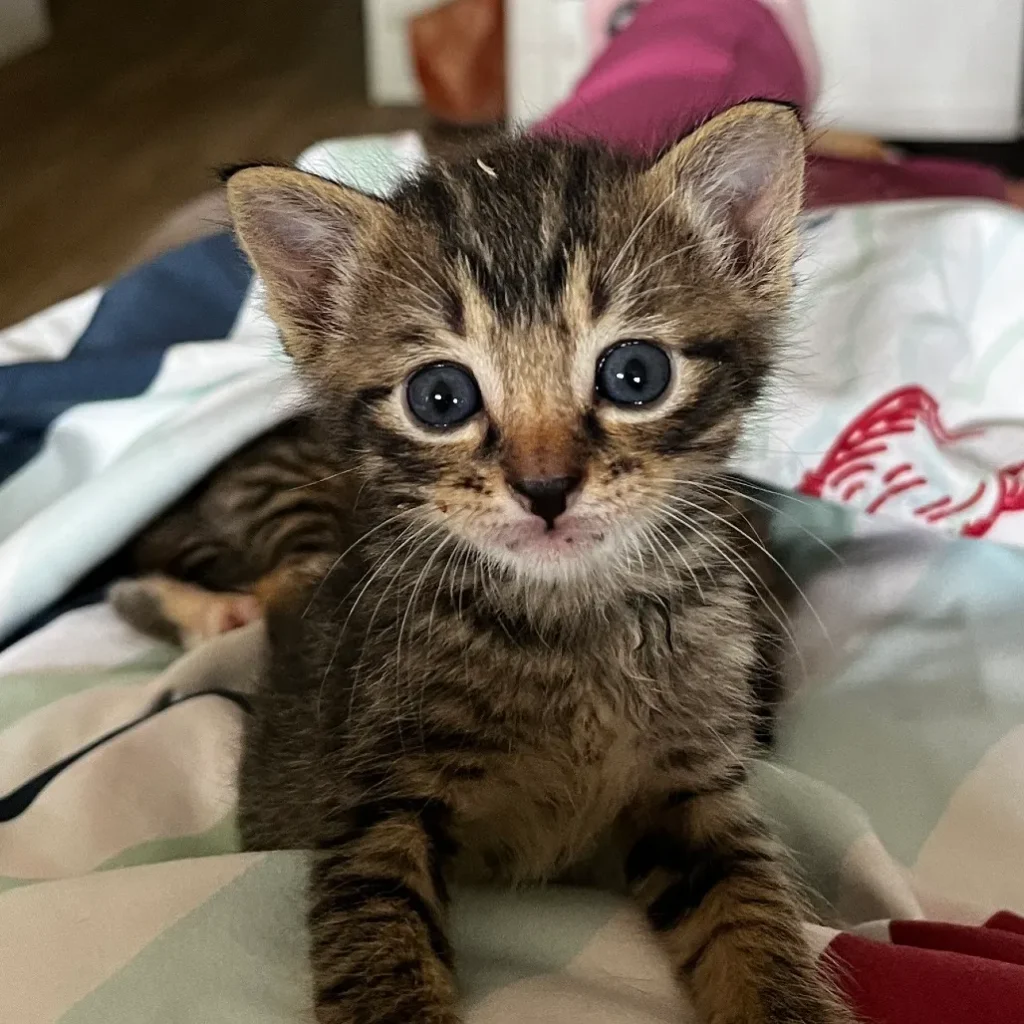
A cat is more likely to fit your home when their energy level, social style, comfort with your household, and long-term care needs match your daily life.
First impressions matter, but they should not be the only factor. Some cats need time before their real personality shows. Others show their needs quickly through play, attention-seeking, hiding, or how they respond to noise and movement.If you are considering adoption in South Florida, you can learn more about adopting through Happy Whiskers and review cats who may fit your home, schedule, and lifestyle.