
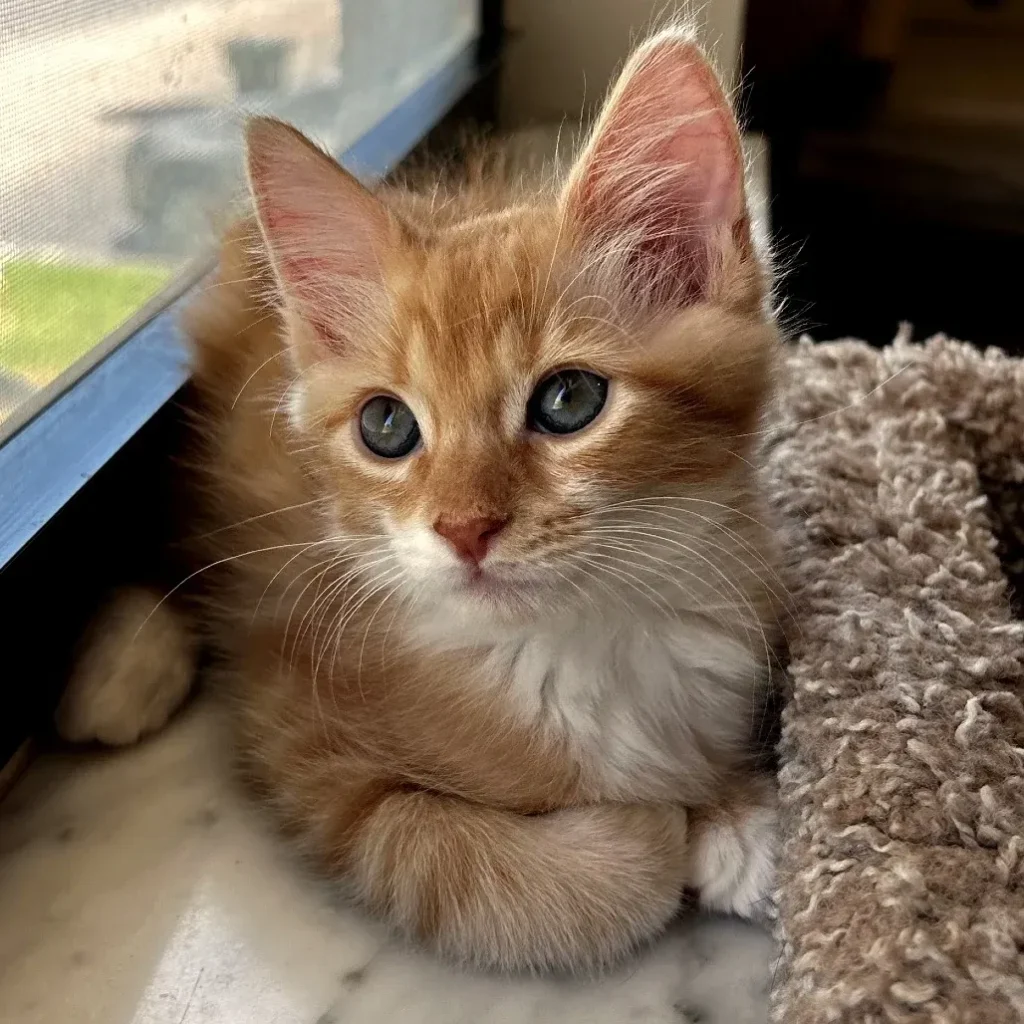
Yes, you can help a cat rescue without fostering or volunteering in person.
That matters for people who want to support cats but cannot bring animals into their home, drive to events, or commit to hands-on shifts right now.
Work schedules, housing rules, family responsibilities, transportation limits, and resident pets can all make in-person help difficult. But cat rescues still need behind-the-scenes support to keep adoptions, communication, fundraising, and volunteer coordination moving.
Here are practical ways to help a cat rescue from home.
Key Takeaways: Can you help a cat rescue from home?
- You can help a cat rescue from home through communication, outreach, fundraising, and coordination.
- Remote support can help adoption inquiries get answered faster.
- Posting adoptable cats online can increase visibility and lead to applications.
- Many remote roles only require basic organization and a few consistent hours.
- You do not need prior rescue experience to help with simple support tasks.
- Starting with one small role is usually better than trying to take on everything.
Why Cat Rescues Need Help Beyond Foster Homes
Foster homes are important, but they are not the only thing a cat rescue needs.
Every cat moving through rescue care creates behind-the-scenes work. Someone has to answer inquiries, update listings, track applications, coordinate foster updates, schedule meet-and-greets, organize transport, and keep communication clear.
Best Friends has remote volunteer opportunities where people can help from anywhere with tasks like writing, outreach, calls, video editing, and adoption support.
That kind of work matters because delays add up quickly. If adoption messages sit unanswered, potential adopters may move on. If cat profiles are outdated, good matches can be missed. If transport or foster communication is unclear, appointments and handoffs can get delayed.
Helping from home is not secondary. It helps keep the rescue process moving.
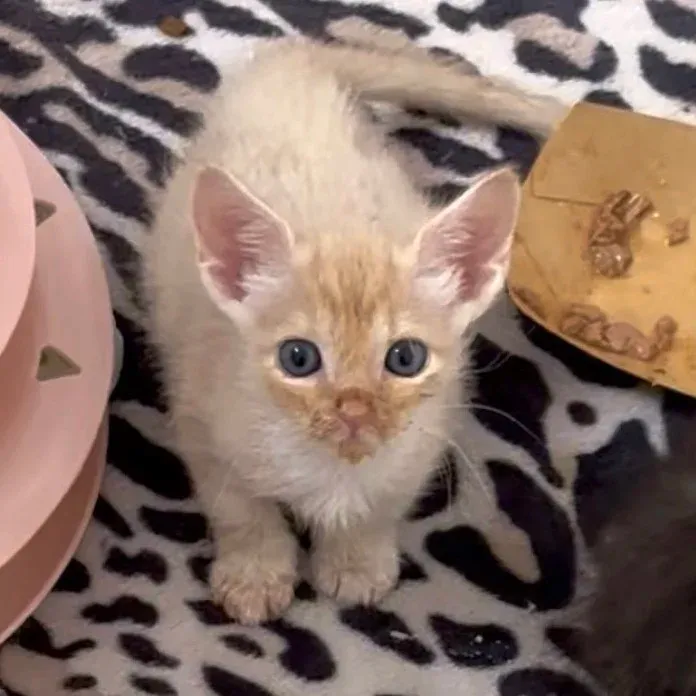
Remote Ways to Help a Cat Rescue From Home
Remote support usually falls into a few practical categories.
You may be able to help with communication by responding to basic inquiries, organizing messages, preparing follow-ups, or helping keep applicants updated.
You may be able to help with adoption visibility by writing short cat bios, posting adoptable cats, sharing event updates, or helping keep social media pages active.
You may be able to help with fundraising by sharing donation campaigns, creating simple posts, reaching out to local businesses, or helping organize wish list updates.
You may also be able to help with coordination. That can include confirming transport times, checking foster availability, keeping notes organized, or helping make sure the right person has the right information before a handoff.
Best Friends’ NOVA program describes remote volunteers helping with adoption, foster coordination, records, and other support from a computer.
The best remote role is usually one specific job you can do consistently.
How Helping From Home Directly Impacts Cats
Remote help affects cats by reducing delays.
If adoption inquiries are answered faster, cats may move into approved homes sooner. If adoptable cats are posted consistently, more people see them. If applications are organized, the review process is easier. If transport details are confirmed, vet visits and foster handoffs are less likely to fall through.
Broward County Animal Care lists volunteer roles such as Events and Outreach, Data/Social Media Team, and Photographer, which shows how local animal welfare work includes more than direct animal handling.
For Happy Whiskers, behind-the-scenes help can support the same kind of flow: better communication, clearer updates, stronger visibility, and fewer missed details.
A cat may never know someone helped update a post or organize a message thread, but that work can still help them get seen, matched, and adopted.
Remote Support Can Lead to Deeper Involvement Later
Helping from home can be a starting point.
Some people begin by sharing adoption posts or helping with simple outreach. Later, they may feel ready to help with events, transport, fostering, or more regular volunteer work.
There is no requirement to move beyond remote support. Some people stay in remote roles because that is what fits their life best.
That is still useful.
Remote support can also help you understand how rescue work actually functions. You see where delays happen, what kind of communication is needed, and how many small tasks go into each adoption or foster placement.
That context makes future involvement feel less vague.
Thinking About Helping a Cat Rescue in South Florida?
You do not need to foster or volunteer on-site to be useful.
A few consistent hours from home can help with adoption visibility, communication, fundraising, or coordination. The main thing is choosing a role that fits your current schedule.
For someone in Broward County or nearby South Florida communities, remote help can still support local cats directly. You may be helping a cat in a foster home get seen, helping an adopter get a response, or helping the rescue keep track of next steps.
Start with one clear role. That is usually more helpful than offering broad support and then getting overwhelmed.
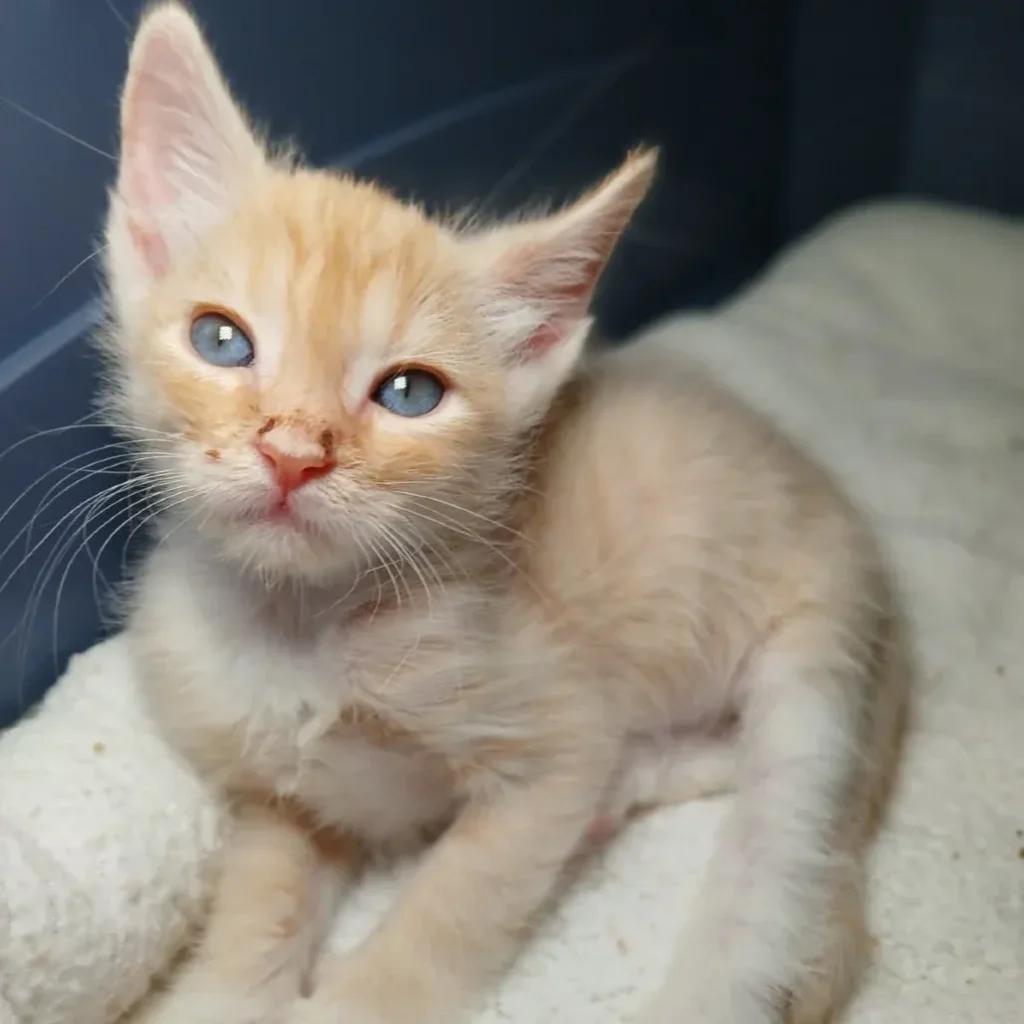
You can help a cat rescue without fostering or volunteering in person.
Remote support helps keep communication moving, improves visibility for adoptable cats, supports fundraising, and reduces delays that slow down adoptions.
The best place to start is with one role that fits your current schedule.
If you are in South Florida and want to support cats in a practical way, you can review our volunteer opportunities and see what kind of help is currently needed.