
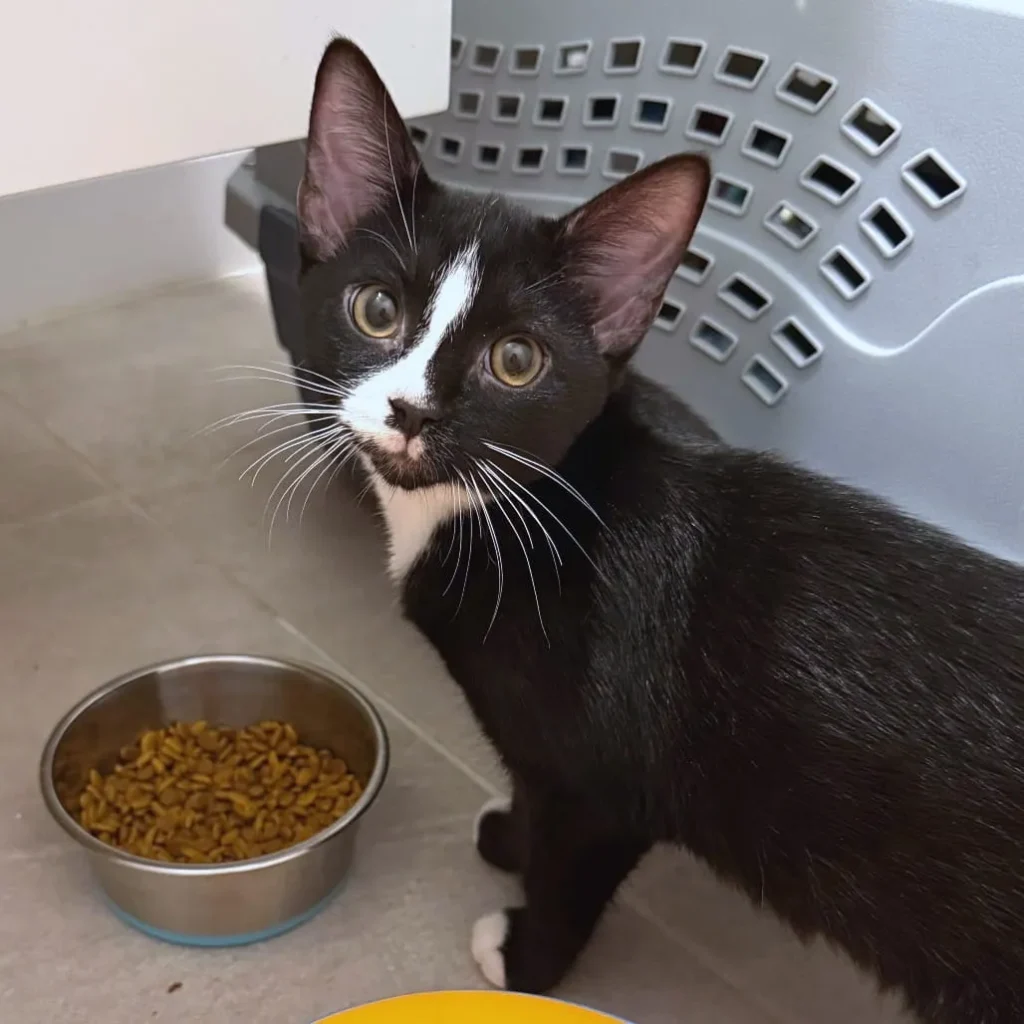
What if you want to help kittens, but you’re not sure if you’re the right kind of person to foster?
In South Florida, especially across Broward County and nearby communities, many people consider fostering but hesitate for the same reasons. They are unsure if they have enough time, the right experience, or the right home setup. Others assume fostering requires a level of expertise or commitment they may not be ready for.
The reality is that fostering is often more accessible than it seems. Rescues are structured to support people who are new, busy, or simply exploring whether this is the right fit for them.
This article is designed to help you evaluate that fit clearly. Instead of explaining the full fostering process, it focuses on simple, practical signs that indicate whether fostering kittens could realistically work for you.
Key Takeaways: Am I a Good Fit to Foster Kittens?
- If you can follow a simple daily routine for a few weeks, you likely have the time needed to foster.
- You do not need prior experience, as rescues provide guidance and support throughout the process.
- Fostering works best if you are comfortable following clear instructions rather than figuring things out on your own.
- A small, safe space like a bathroom or spare room is enough to care for kittens effectively.
- Fostering is temporary, making it a realistic option if you are not ready for a long-term commitment.
- Being able to let kittens move on to adoption is part of the role and allows you to help more over time
You Can Commit to a Short-Term Routine
You are a good fit to foster kittens if you can follow a simple daily routine for a few weeks.
Fostering is not an open-ended commitment. In rescue work, most kittens stay in a foster home for 2 to 6 weeks, depending on their age and readiness for adoption. What matters is not having unlimited free time, but being able to show up consistently each day.
A typical foster routine is straightforward and repeatable. It usually includes:
- Feeding kittens on a regular schedule
- Refreshing water and cleaning food areas
- Scooping or changing litter
- Observing behavior, appetite, and energy levels
These tasks are brief, but consistency is important. Kittens do best when their care follows a predictable pattern.
Routine matters more than availability.
In most cases, daily care is broken into short check-ins rather than long blocks of time. For many people in South Florida balancing work or other responsibilities, this structure makes fostering realistic.
At Happy Whiskers, we match foster homes with kittens whose care needs fit their schedule whenever possible. Younger or more dependent kittens may need more frequent attention, while older kittens are easier to manage with a standard routine.
If you can maintain a basic daily rhythm for a few weeks, you already meet one of the most important requirements to foster successfully.
You Don’t Need Prior Experience With Kittens
You are a good fit to foster kittens even if you have no prior experience.
In rescue work, most foster volunteers start without any hands-on experience caring for kittens. What matters is not what you already know, but your willingness to learn and follow guidance.
Fostering is a structured process, not something you are expected to figure out on your own. Rescues provide clear instructions for daily care, common situations, and what to watch for. This removes the need for guesswork and makes the experience manageable for first-time fosters.
Willingness to learn is more important than experience.
At Happy Whiskers, we guide new fosters through the essentials from the beginning. This includes:
- How often to feed and what to feed
- What normal behavior looks like at different ages
- When something may need attention
- Who to contact if questions come up
This support is ongoing, not one-time. If something feels unfamiliar, you are not expected to handle it alone.
For many people in South Florida, this is the point that changes their decision. Once they understand that experience is not required and support is built in, fostering becomes a realistic and approachable way to help.

You’re Comfortable Following Simple Guidance
You are a good fit to foster kittens if you can follow clear, simple instructions consistently.
Fostering is not based on instinct or trial and error. It is a guided process where rescues provide specific directions for daily care and decision-making. Your role is not to figure everything out, but to follow a structure that is already in place.
In rescue work, consistency leads to better outcomes than experience alone. Kittens respond best when their care is predictable and aligned with what the rescue recommends.
Fostering works best when you follow the process, not improvise it.
Most of the guidance you receive will be practical and easy to apply. This typically includes:
- Feeding schedules based on age and development
- Litter box setup and basic hygiene routines
- What normal behavior looks like versus signs to flag
- When to reach out for support or next steps
You are not expected to make medical decisions or handle uncertainty on your own. If something falls outside normal care, we step in and guide you through it.
For many people in Broward County and across South Florida, this structure removes a major source of hesitation. If you are comfortable following a simple system and asking questions when needed, you already have the mindset that successful fosters rely on.
You Have a Safe, Small Space for Kittens
You are a good fit to foster kittens if you can provide a small, safe, contained space in your home.
Kittens do not need a large house or a dedicated room. In rescue work, a controlled environment is actually preferred, especially in the early stages of fostering. A smaller space makes it easier to monitor behavior, maintain cleanliness, and keep kittens safe.
A small, enclosed space is ideal for fostering kittens.
Most foster setups in South Florida homes and apartments use simple areas such as:
- A bathroom
- A spare room
- A quiet corner with a playpen or enclosure
The goal is not space, but control. Kittens need an environment where they can be easily observed and kept separate from potential risks.
We guide foster families to set up a simple, functional space based on their home layout. This works well for apartments, condos, and smaller homes across Broward County and nearby cities.
If you can dedicate a contained area where kittens can stay safely and be monitored easily, you already meet one of the key practical requirements for fostering.
You Want to Help Without a Long-Term Commitment
You are a good fit to foster kittens if you want to help but are not ready for a long-term commitment.
Fostering is designed to be temporary. It allows you to support kittens during a critical stage without taking on permanent responsibility. This makes it a practical option for people who care about helping but cannot commit to adoption right now.
Fostering gives you a defined way to help without a permanent obligation.
In rescue work, foster homes create capacity. Every foster placement allows a rescue to take in more kittens and move them toward adoption. Your role is part of a larger system that depends on short-term care to keep moving.
This structure works well for people in different life situations across South Florida, including:
- Renters who are unsure about long-term pet policies
- Busy professionals who cannot commit for years
- Families who want to help but are not ready to adopt
- Individuals who want flexibility between foster placements
If you are looking for a structured way to help without making a long-term decision, fostering is one of the most flexible and impactful options available.
You’re Open to Letting Kittens Move on to Adoption
You are a good fit to foster kittens if you can support them until they are ready for adoption, even if it feels emotional.
In rescue work, the goal of fostering is transition. Kittens stay in foster care temporarily so they can grow, stabilize, and move into permanent homes. Being able to let them go is part of what makes fostering effective.
Successful fostering means helping kittens move forward, not keeping them.
It is normal to form an attachment. Most foster families do. The key difference is understanding the role you are playing in the process.
A helpful way to think about it:
- Your home is a starting point, not the final destination
- Your care helps prepare kittens for long-term families
- Letting them go creates space to help more kittens next
For many people in South Florida, this is the final concern before deciding. If you can accept that your role is temporary and focused on preparing kittens for their next step, you already have the mindset that strong foster homes rely on.
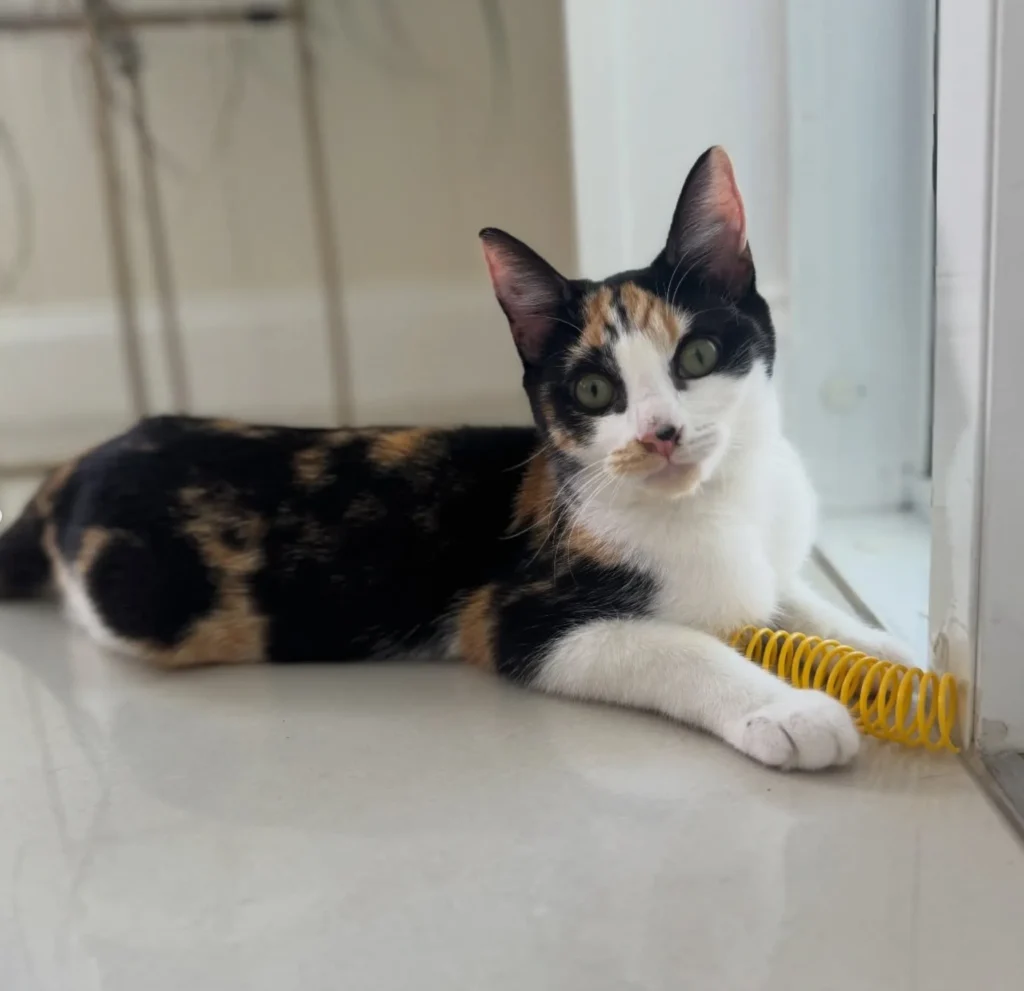
Fostering kittens is not about being perfect or having prior experience. It is about having the right mindset, a manageable routine, and a willingness to follow guidance within a structured system.
If you recognized yourself in several of these signs, that is usually a strong indicator that fostering could be a realistic and rewarding way for you to help. Most people who become successful fosters start in the same place—unsure, but open to trying.
In South Florida, foster homes play a direct role in helping kittens move from rescue into permanent homes. The need is consistent, but the process is designed to be supported and manageable.
If you’re considering taking the next step, you can explore how fostering works locally and what getting started looks like through our foster program page.