
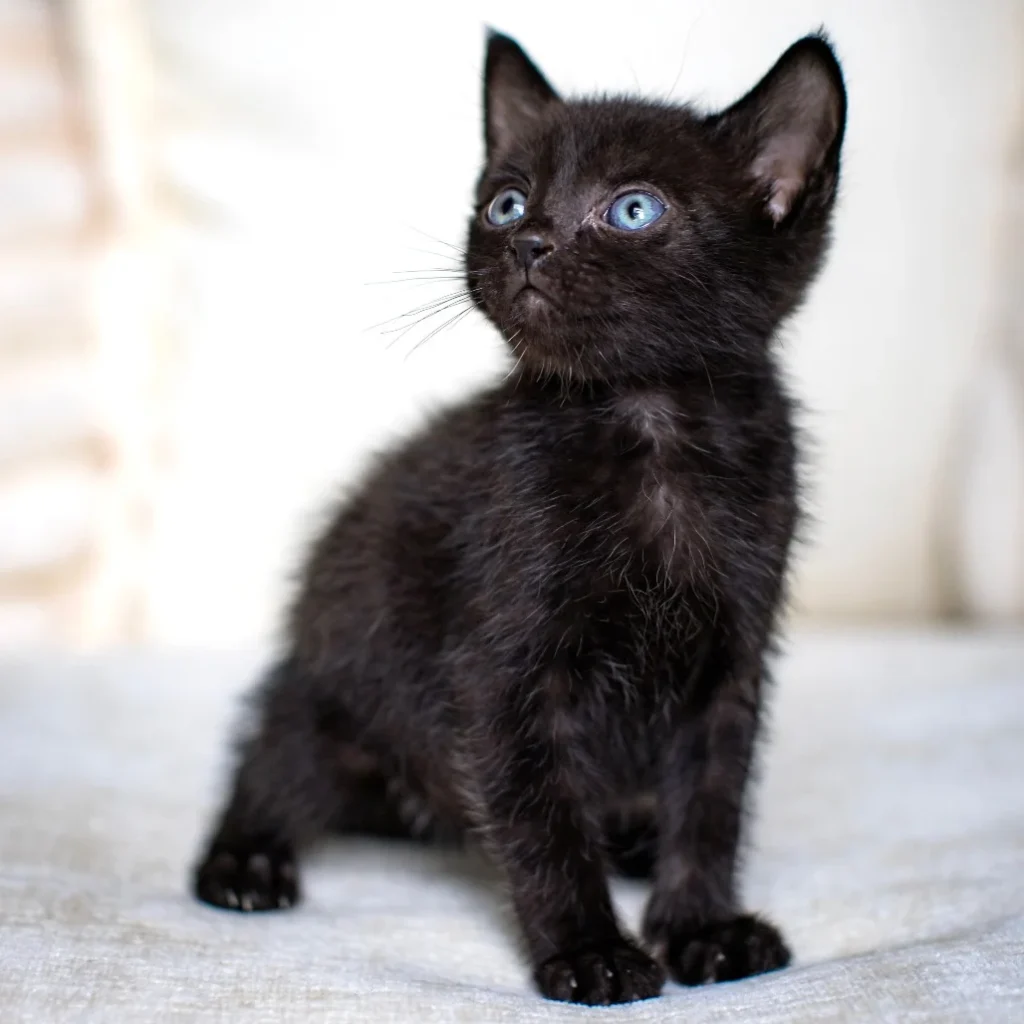
Food, warmth, and veterinary care are easy to recognize as basic kitten needs. Human interaction can be less obvious.
For rescue kittens, regular contact with people helps us learn how comfortable they are with handling, household routines, and unfamiliar situations. It also gives shy kittens repeated opportunities to learn that a person’s voice, hands, and presence are safe.
This does not require hours of holding a kitten every day. Interaction often happens during feeding, cleaning, play, and other normal foster routines.
Here is why that daily contact matters and why foster homes are so useful for kittens preparing for adoption.
Key Takeaways: What Does Daily Interaction Do for Rescue Kittens?
- Daily interaction can happen during feeding, cleaning, short play sessions, and routine handling.
- Repeated calm contact helps kittens become more familiar with people.
- Shy kittens may need days or weeks before their behavior noticeably changes.
- Foster observations help us understand each kitten’s personality and comfort with handling.
- A home gives kittens regular exposure to the sounds and routines they may experience after adoption.
What Daily Human Interaction Means for Rescue Kittens
Daily interaction means giving a kitten regular, appropriate contact with people.
For one kitten, that may include play and gentle handling. For a nervous kitten, it may begin with someone sitting quietly nearby during meals.
We do not expect every kitten to respond the same way.
A foster may talk to kittens while refreshing food and water, handle them briefly during a bedding change, or sit on the floor while they play. These ordinary moments give kittens repeated exposure to a person’s voice, movement, and touch.
The goal is not to force a frightened kitten to be held until they stop resisting. We want the kitten to have repeated interactions that are calm and appropriate for their age, health, and behavior.
Our guide to fostering cats in Broward County explains how foster homes fit into the broader care of cats and kittens in our rescue.
Kittens Learn About People Through Repeated Contact
A single positive interaction does not always change a shy kitten’s behavior.
Repetition matters.
A kitten may hide when the foster enters the room on the first day. After several days of the same person bringing food, cleaning the litter box, and sitting nearby, that kitten may stay visible instead of immediately running away.
Later, the kitten may eat while the foster is in the room or approach during play.
These changes can seem small, but they give us useful information about how the kitten is responding to people.
Fosters often see this progress before anyone else because they interact with the kitten every day. They can tell us what the kitten does when the room is quiet, how they respond to touch, and whether their behavior changes over time.
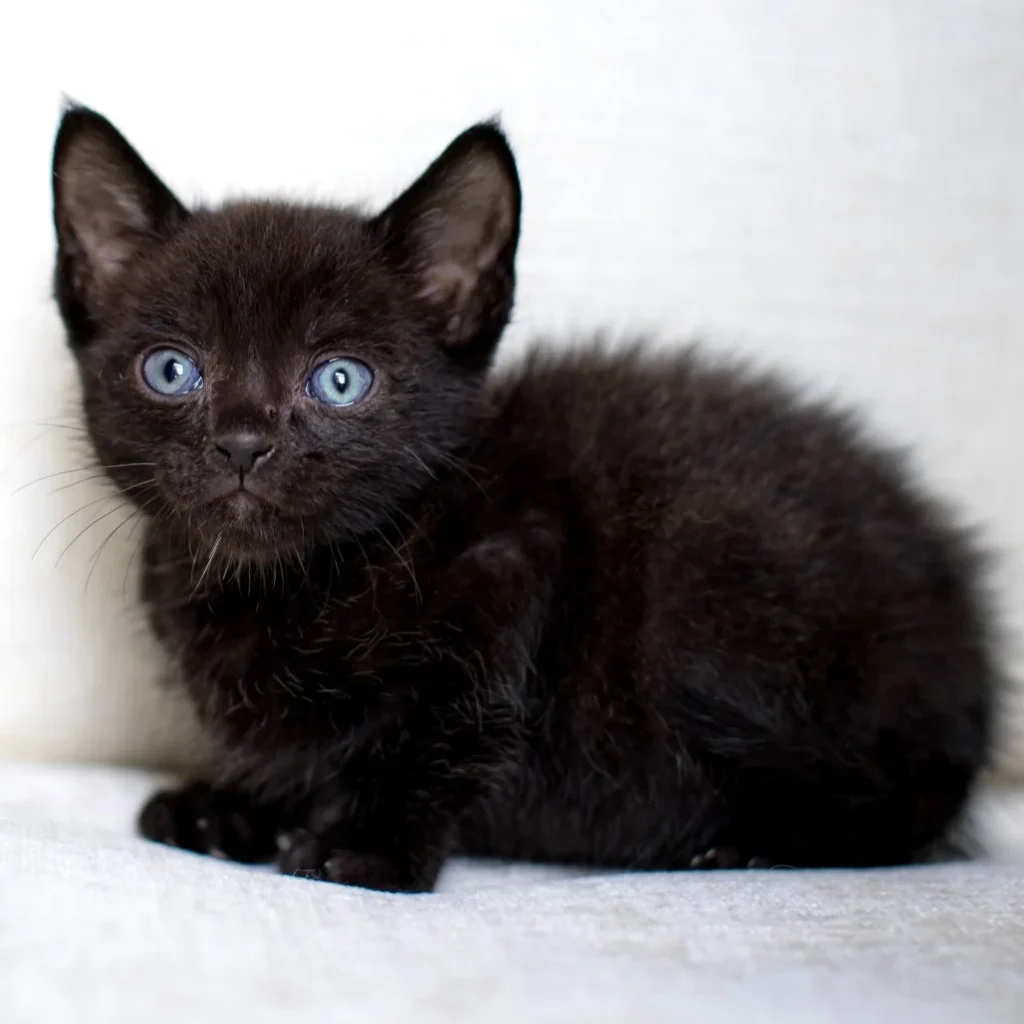
Daily Interaction Helps Us See a Kitten’s Actual Personality
A frightened kitten does not always show us much personality at first.
They may hide, freeze, hiss, or avoid handling. Those behaviors tell us how the kitten feels in that moment, but they may not show how the kitten will behave after settling into a home.
Daily interaction gives us time to observe changes.
One kitten may become highly playful once comfortable. Another may prefer sitting near people without being held for long. A kitten that initially avoids touch may begin seeking attention after several days of the same routine.
These details are useful when we prepare adoption information.
Instead of describing every kitten as “sweet” or “playful,” a foster can tell us how the kitten actually behaves in a home. That helps us give adopters clearer information about personality, activity level, and handling preferences.
Foster Homes Give Kittens Practice With Normal Home Life
Foster homes expose kittens to routines that are difficult to recreate through occasional handling.
They hear doors open, people talking, dishes being moved, and normal household sounds. They see the same people enter the room each day. Feeding and cleaning happen on a regular schedule.
Fosters also notice specific reactions.
A kitten may be comfortable with adults but nervous around sudden movement. Another may quickly investigate new sounds. A shy kitten may become more playful when housed with a confident sibling.
We use those observations when deciding how to describe the kitten and what type of adoptive home may fit them.
A foster home does not need to be perfectly quiet. Normal, appropriate household activity gives us information about how a kitten adjusts to everyday life.
Shy Kittens Often Need More Time and More Consistency
Some kittens begin seeking attention almost immediately. Others do not.
A kitten coming indoors after limited contact with people may spend the first several days hiding. They may hiss when approached or freeze during brief handling.
We look for changes over time rather than expecting an immediate personality shift.
Does the kitten stay visible longer? Will they eat while someone sits nearby? Do they play with a wand toy? Are they less tense during necessary handling?
Fosters share these observations with us so we can adjust how the kitten is handled and decide whether more socialization time is needed before adoption.
The foster is not expected to turn every shy kitten into an outgoing lap cat.
The job is to follow the care guidance, interact with the kitten consistently, and tell us what is changing.
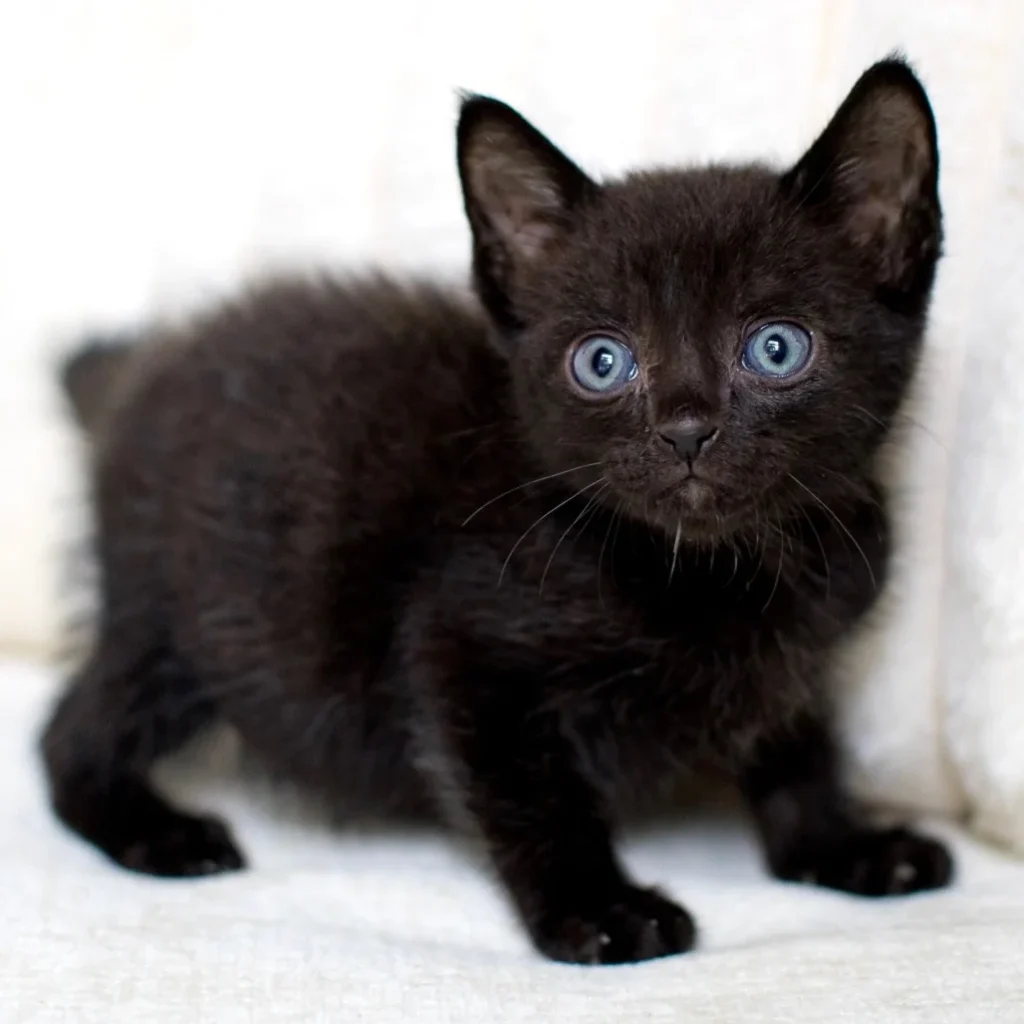
Daily Interaction Also Helps Us Notice Health and Behavior Changes
Spending time with kittens every day gives fosters a baseline for what is normal.
A foster who knows that a kitten usually runs to the food bowl may quickly notice when that kitten stays in bed. Someone who cleans the litter box daily may notice a change in stool. Regular play makes a sudden drop in activity easier to spot.
These observations matter because young kittens can change quickly.
We ask fosters to communicate changes rather than diagnose the problem themselves. Clear information about appetite, litter box habits, energy, and behavior helps us decide what follow-up is needed.
Daily interaction gives us context that we would not have from seeing the kitten occasionally.
Thinking About Fostering Rescue Kittens in South Florida?
If you can spend time with kittens during normal daily care, you may already be able to provide much of the interaction they need.
That can mean feeding, cleaning, sitting with them, playing when appropriate, and briefly handling them according to their care needs.
At Happy Whiskers Animal Coalition, we provide food, supplies, approved medical care, training, and ongoing help. We also match foster placements based on experience, availability, and the type of care the cat or kittens need.
You do not have to begin with bottle babies or a difficult socialization case.
If you are interested in providing a temporary home where kittens can receive regular care and human contact, you can learn how our foster program works.