
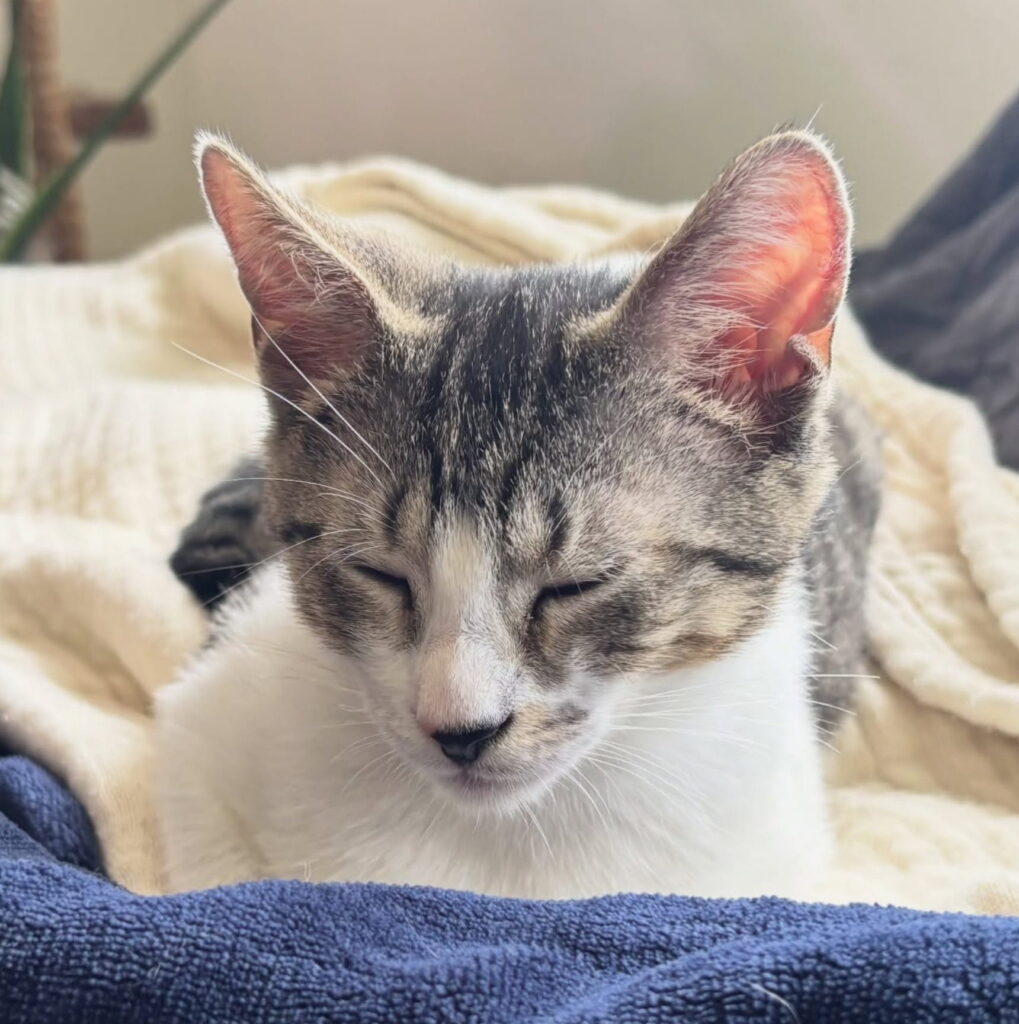
One of the first questions people ask when they think about fostering kittens is whether they will need to pay for the kittens’ care. Veterinary visits, vaccinations, and food can add up quickly, so it is reasonable to wonder how foster programs handle those costs.
For people in South Florida who are considering helping a local rescue, understanding the financial structure of fostering can make the decision feel much clearer. Many potential volunteers want to help but hesitate because they are unsure what expenses they might be responsible for or what support a rescue provides.
Foster programs are designed to make volunteering realistic for everyday households. Most rescues organize veterinary care and handle the major medical expenses so foster homes can focus on daily care. This article explains how foster programs typically manage expenses, what costs rescues usually cover, and which supplies foster homes sometimes provide while caring for kittens.
Key Takeaways
- Most cat rescues cover veterinary care and medical expenses for kittens in their foster programs.
- Foster volunteers usually focus on daily care, such as feeding, cleaning, and monitoring the kittens.
- Some foster homes provide basic supplies like food, litter, or bedding, depending on the rescue program.
- Rescues coordinate veterinary visits and maintain centralized medical records for each kitten.
- Foster care allows volunteers to help kittens grow and prepare for adoption without taking on major financial responsibility.
How Foster Programs Typically Handle Expenses
Foster homes are an essential part of most rescue programs. They provide a temporary home where kittens can grow, recover, and become ready for adoption. Because the kittens remain under the rescue’s care during this time, the organization usually manages and coordinates the major expenses associated with their care.
In a typical foster program, the rescue remains responsible for the kittens’ medical needs and overall welfare. Veterinary care is scheduled through the rescue, and treatments are handled through the rescue’s partner clinics or approved veterinarians. This approach keeps medical records organized and ensures that kittens receive consistent care while they are in foster homes.
Foster families focus on the daily care that helps kittens thrive. This usually includes providing a safe space, feeding the kittens, maintaining a clean litter area, and monitoring their health and behavior. If a medical concern arises, the foster caregiver reports it to the rescue so the team can coordinate the next steps.
This structure allows volunteers to help without taking on the financial responsibility of medical care. It also ensures that the rescue can track each kitten’s progress and prepare them properly for adoption once they are ready for their permanent home.
Expenses That Most Cat Rescues Cover
Most cat rescues structure their foster programs so that volunteers are not responsible for major medical costs. Because the rescue organization remains responsible for the kittens while they are in foster care, it typically manages and pays for veterinary treatment and other essential services.
In many rescue programs, the organization covers expenses related to the kittens’ health and readiness for adoption. These costs are coordinated through the rescue and handled with partner veterinary clinics or approved veterinarians.
Common expenses that rescues typically cover include:
- Veterinary exams to evaluate the kittens’ health when they enter the rescue program
- Vaccinations that protect kittens from common diseases
- Parasite treatment, including flea, tick, and deworming medications
- Spay or neuter surgery, which is required before adoption
- Prescription medications if a kitten needs treatment for an illness or infection
- Microchipping, which provides permanent identification once the kitten is adopted
- Emergency veterinary care if a medical issue arises during foster placement
By managing these expenses centrally, rescues can ensure that every kitten receives consistent medical care and accurate health records. This also removes a major financial barrier for volunteers who want to help.
Supplies That Foster Homes Sometimes Provide
While rescues usually cover medical care, basic daily supplies may vary depending on the rescue program and the foster home’s situation. Many foster volunteers already have some pet supplies at home, especially if they currently have cats or have cared for animals before. In these cases, fosters often choose to use items they already own.
Common supplies that foster homes sometimes provide include:
- Kitten food for daily feeding
- Litter and litter boxes for maintaining a clean bathroom area
- Food and water bowls
- Bedding or soft towels to create a comfortable resting space
- Toys that support play and healthy development
Some rescues keep supply inventories and can provide these items when needed. Others rely on donations and may distribute supplies based on availability. In many cases, foster families and rescue coordinators simply discuss what the foster home already has and what the kittens may need.
At our rescue, we work closely with foster families to make sure kittens have the supplies required for daily care. If a foster home does not have certain items available, our team helps identify solutions so the placement remains manageable.
This flexible approach allows more people to participate in fostering without needing to make significant purchases before getting started.
Why Rescues Cover Medical Care for Foster Kittens
In most foster programs, kittens remain under the legal and medical responsibility of the rescue organization while they are in foster homes. Because of this, rescues typically coordinate and pay for veterinary care throughout the foster period. This structure ensures that each kitten receives consistent treatment and that medical decisions are handled by the rescue team.
Centralized veterinary care also helps rescues maintain complete health records for every kitten. Vaccinations, parasite treatments, and medical history are documented through the rescue so that future adopters receive accurate information about the kitten’s care.
Another reason rescues manage medical expenses is coordination. Foster homes report health concerns to the rescue, and the rescue schedules appointments with partner veterinary clinics when treatment is needed. This keeps the process organized and prevents volunteers from having to make independent medical decisions.
By handling veterinary care directly, rescues make fostering more accessible while ensuring kittens receive the consistent medical support they need before adoption.
What Foster Volunteers Really Contribute
Although rescues usually cover medical care and coordinate treatment, foster volunteers provide the daily environment that allows kittens to grow and develop. This role focuses on time, attention, and consistency rather than financial contribution.
In most foster placements, volunteers provide the basic care that kittens need each day, including:
- A safe indoor space where the kittens can stay during their foster period
- Regular feeding and fresh water according to the rescue’s guidance
- Litter box maintenance to keep the environment clean and healthy
- Observation of behavior and health, with updates shared with the rescue team
- Positive social interaction, which helps kittens become comfortable around people
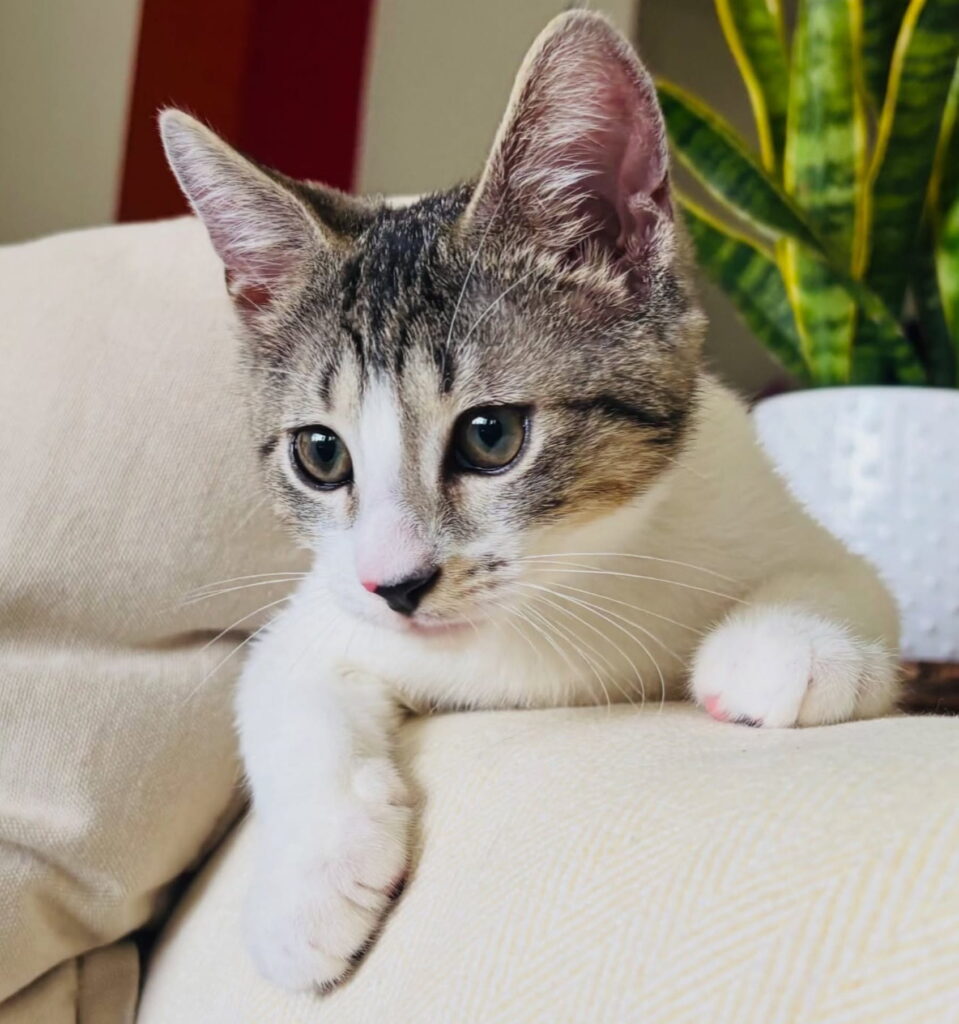
Fostering kittens is designed to be a practical way for people to help animals in need without taking on the full financial responsibility of their care. In most rescue programs, the organization manages veterinary treatment and other essential medical expenses. Foster volunteers focus on providing a safe home environment where kittens can grow, socialize, and prepare for adoption.
Understanding how expenses are handled often removes one of the biggest uncertainties people have about fostering. When medical care and coordination are managed by the rescue, volunteers can focus on daily care while knowing support is available if a kitten needs treatment. For those in South Florida who are interested in helping kittens through fostering, learning how a local program works can make the next step feel more approachable. You can explore how fostering works and what to expect by visiting the Happy Whiskers foster program page.