
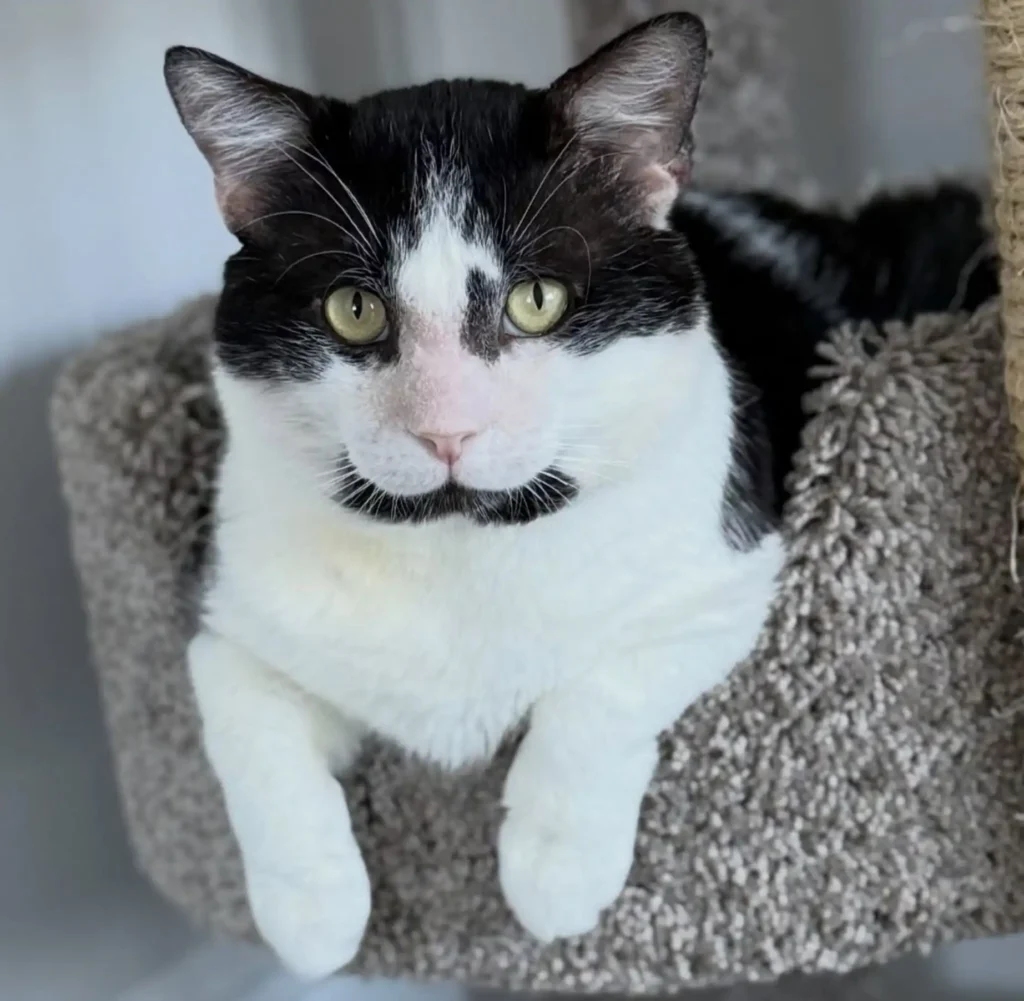
If you want to foster a cat, you may be trying to picture where the cat would actually stay.
Do they need a full bedroom? Will they roam through the whole house? Can you foster in an apartment if the only separate space you have is a bathroom?
Most foster cats begin in one contained area of the home. Depending on the cat, that may be a bedroom, bathroom, office, crate, or kitten-safe playpen.
The space we recommend depends on the cat’s age, health, and behavior. A foster cat usually does not need immediate access to your entire home.
Key Takeaways: Where Do Foster Cats Usually Stay?
- Most foster cats begin in one contained area rather than roaming the entire home.
- A bathroom, bedroom, office, crate, or playpen may work depending on the cat.
- Kittens usually need a more controlled space than adult cats.
- A contained setup makes eating, litter box use, and behavior easier to track.
- Some adult cats can explore more of the home after they settle.
- Apartments and smaller homes can work for fostering when there is an appropriate space for the individual cat.
Most Foster Cats Start in One Area of the Home
When a cat first enters foster care, we usually need a space where the foster family can easily find and observe them.
That may be a bathroom, bedroom, office, or another area that can be closed off from the rest of the home. For some placements, a crate or playpen is more appropriate.
If you are considering fostering cats in Broward County, the amount of space you have is only one part of the placement decision. We also consider whether the area can stay separated from resident pets and whether you can track the foster cat’s basic care.
For example, if a cat arrives in the evening, we may need to know the next morning whether they ate and used the litter box. That is much easier to determine when the cat has been in one area instead of moving between several rooms.
The starting space gives us clearer information about how the cat is doing.
Kittens Often Stay in a Playpen, Crate, or Kitten-Safe Room
Young kittens need tighter boundaries than many adult cats.
They can crawl behind furniture, climb into laundry, chew cords, and fit through openings that do not look large enough to be a problem.
Depending on their age and care needs, kittens may spend much of their time in a crate, playpen, or kitten-safe room. The setup gives them room for bedding, an appropriate litter box, food and water when age appropriate, and safe toys.
Bottle babies and kittens requiring closer observation have different setups from older, weaned kittens. We may need foster families to monitor feeding, stool, activity, or other changes more closely.
A contained area makes those checks practical.
It also means you do not need to kitten-proof an entire house before accepting every kitten placement.
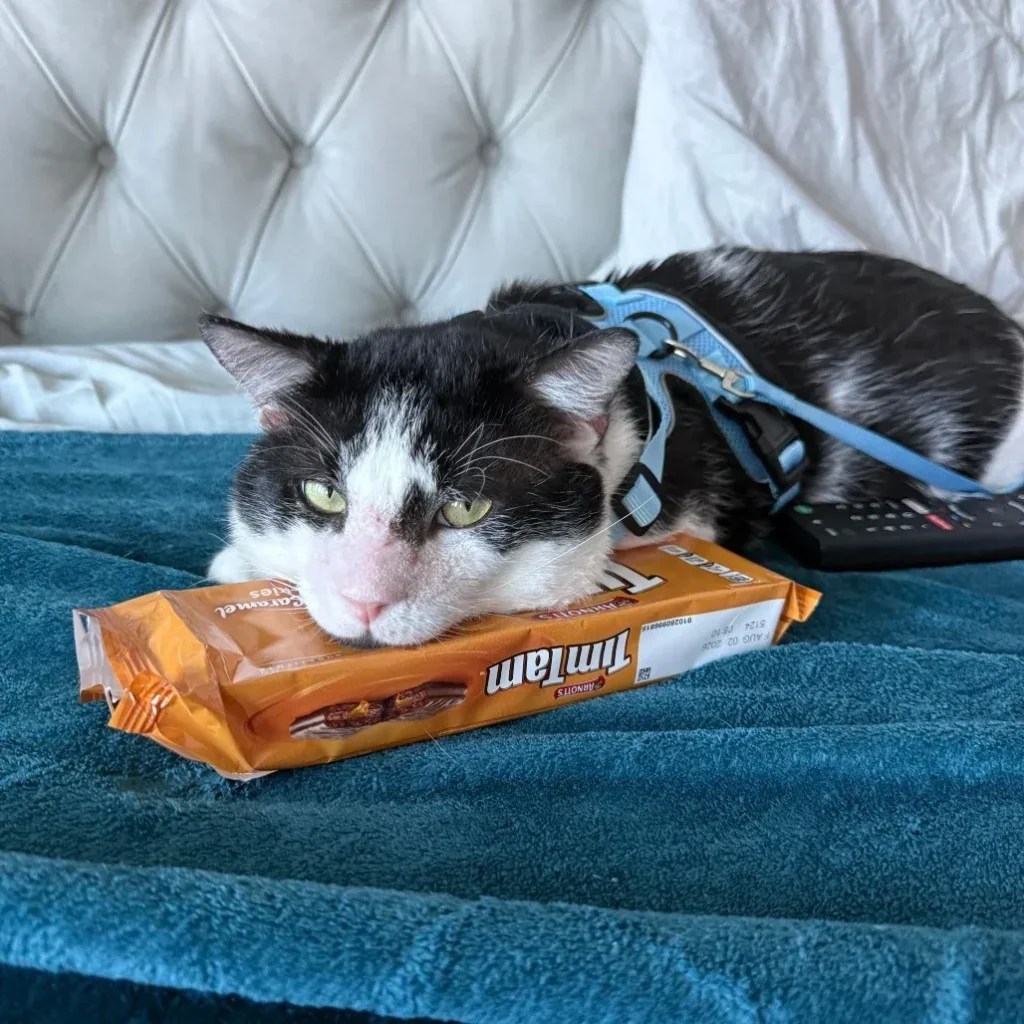
Adult Foster Cats May Spend Several Days in a Separate Room
An adult foster cat may spend much of the first few days in one room.
Some hide. Others immediately investigate the space. A cat may eat only when the room is quiet on the first night and begin approaching the foster several days later.
Keeping the cat in one area gives us a clearer view of those changes.
We can ask specific questions: Is the cat eating? Are they urinating? Where are they resting? Are they becoming more visible? What happens when someone enters the room?
A cat that has disappeared somewhere in a full house is much harder to assess.
The separate room also gives the cat a known place to return to while learning the household.
Some Foster Cats Eventually Spend Time in More of the Home
A foster cat does not necessarily stay in one room for the entire placement.
A healthy adult cat who is eating, using the litter box, and becoming comfortable may be able to explore more space. The timing depends on the individual cat and the foster home.
Resident pets matter here.
We do not want a foster cat released into the home simply because they appear ready to explore if that means immediately meeting an unfamiliar dog or cat. Separation and introductions need to be discussed based on the placement.
The rest of the home also needs to be safe. Open exterior doors, balcony access, unsafe plants, and difficult-to-reach hiding spaces can create problems once the cat has more freedom.
More space is useful when the cat is ready for it and the foster can still keep track of their care.
The Space Does Not Have to Be a Spare Bedroom
One of the most common space concerns is not having a dedicated foster room.
We want to know what space you actually have.
A bathroom may work for one cat. A crate may be appropriate for another placement. Someone with a quiet office may have enough separation for an adult cat, while a foster with room for a playpen may be better suited for older kittens.
This matters in South Florida, where many potential foster homes are apartments, condos, and townhomes without an unused bedroom.
You do not need to describe your home as larger or more flexible than it is. If your only separate area is a bathroom, tell us. If you have resident cats and only one room that can be closed off, we need to know that too.
Those details help us avoid placing a cat whose setup does not fit the home.
Thinking About Fostering in South Florida?
Before ruling out fostering because of space, look at the areas of your home that can be safely separated.
Could a bathroom hold a litter box, food, water, and a resting area? Do you have space for a crate or playpen? Is there a bedroom or office that resident pets can stay out of?
Tell us what you have available when you apply.
We provide foster families with food, supplies, approved medical care, and care instructions. If a crate is needed for the placement, we can provide one. We can also discuss which types of foster cats are more likely to fit the space you have.
You can see how our foster program works and apply to foster with Happy Whiskers Animal Coalition.