
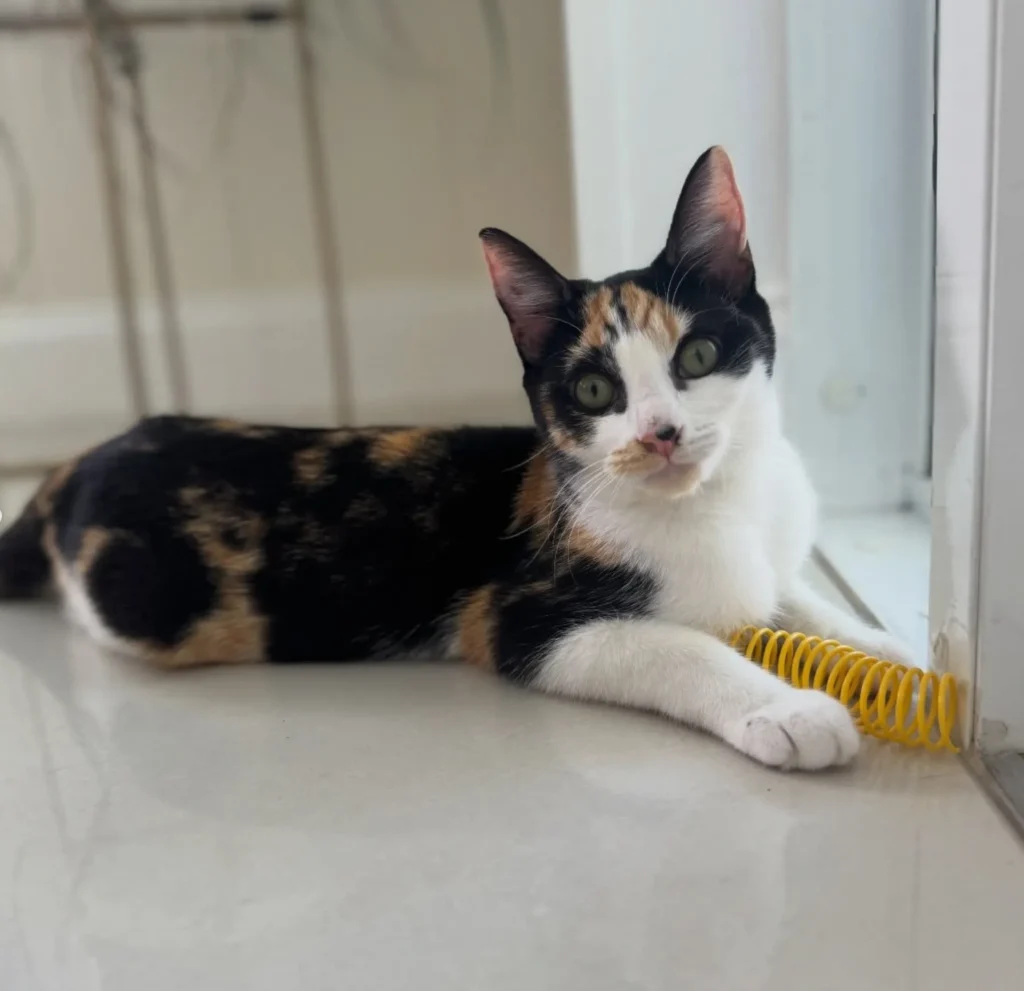
You see a cat behind a business, near a parking lot, or outside your home in South Florida. Should you pick the cat up? Leave food? Call a rescue?
The answer depends on what you see first.
The cat may be a lost pet, a community cat with a regular feeder, or a stray that needs help. A sick kitten or injured cat creates a different situation than a healthy adult cat resting in the same neighborhood every day.
If you find an outdoor cat in South Florida, observe the cat’s condition, behavior, and location before deciding what to do next.
Key Takeaways: What Should You Do If You Find an Outdoor Cat?
- Observe the cat before assuming it is lost or abandoned.
- A cat that is bleeding, struggling to breathe, unable to stand, or in immediate danger needs faster help.
- Check for an owner before trying to arrange foster or rescue placement for a friendly cat.
- Do not immediately move healthy kittens from a protected location. Their mother may be nearby.
- An unsocialized community cat may need spay/neuter support rather than indoor placement.
- Clear photos, the exact location, and notes about the cat’s behavior can help local rescue contacts understand the situation.
First, Observe Before You Act
Not every cat outside needs to be removed immediately.
Some cats are indoor-outdoor pets. Others are community cats that live outdoors and may already have a regular feeder or caregiver.
Watch the cat from a calm distance.
Does the cat look clean and well-fed? Does it move confidently through the area? Is it repeatedly returning to the same porch or feeding location? These details may suggest the cat is familiar with the area.
A thin cat crying near people, limping, or hiding in an exposed location may need closer attention.
Do not chase or corner the cat simply to get a better look. A frightened cat may run toward traffic or hide somewhere that makes the situation harder to assess.
If you regularly see outdoor cats and want to understand the types of local help rescues need, our guide to volunteering with a cat rescue in Broward County explains some of the work that happens outside foster homes.
Check Whether the Cat May Be Lost or Owned
A friendly outdoor cat may have an owner nearby.
Ask neighbors if they recognize the cat. Take a clear photo and post it in relevant local lost-pet or neighborhood groups. If the cat allows safe handling, check for a collar or identification tag.
A veterinary clinic or shelter may also be able to scan a safely contained cat for a microchip.
The owner checks matter because rescue placement may not be the correct first step for a lost pet.
Keep track of where and when you found the cat. If you contact a rescue or shelter later, “friendly orange cat seen behind a Coral Springs shopping plaza for three evenings” gives more useful information than simply saying you found a stray.
Photos and behavior notes help too. Mention whether the cat approaches people, accepts touch, appears injured, or runs when someone gets close.
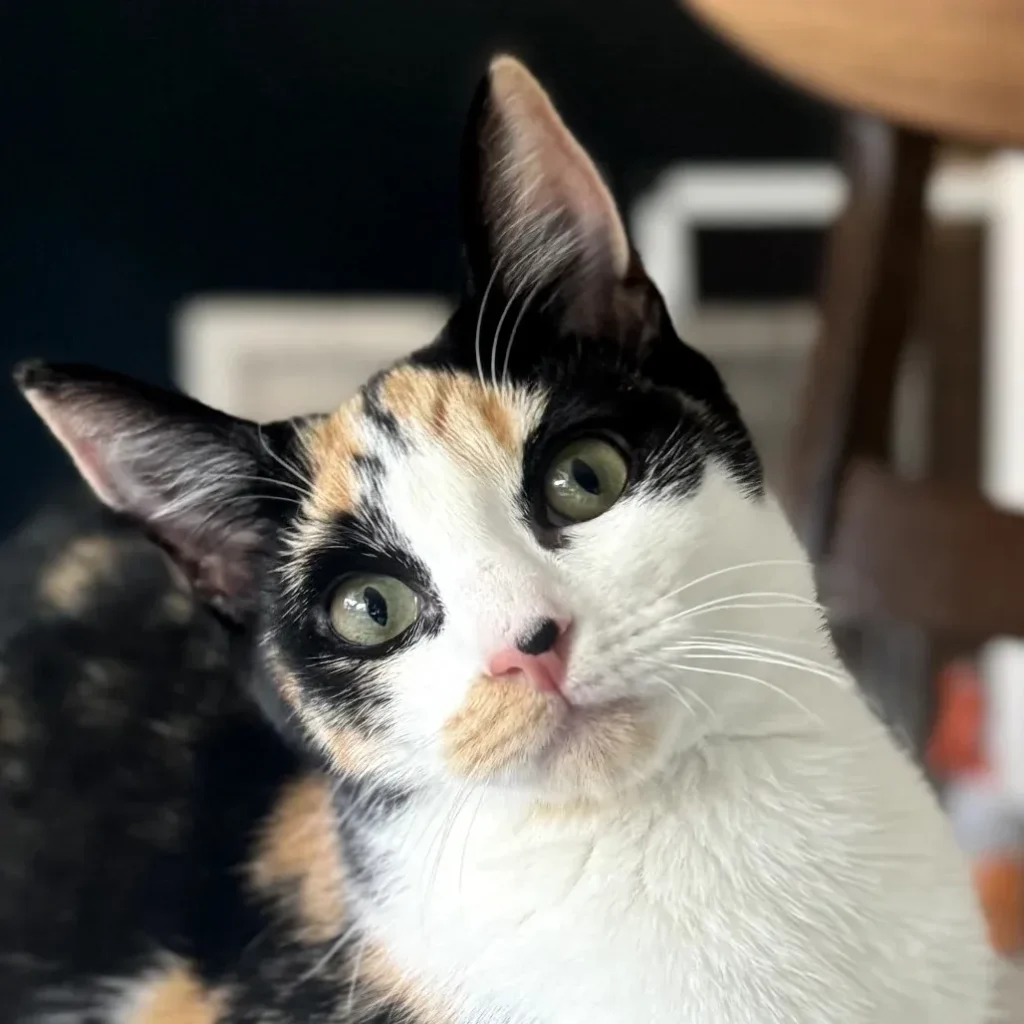
Know When the Situation Is Urgent
Some outdoor cats need faster help.
A cat that is bleeding heavily, struggling to breathe, unable to stand, or showing signs of severe weakness should not be left for several days while you search for an owner.
The location can also create immediate danger.
A cat trapped near moving traffic, exposed to flooding, or lying in direct South Florida heat while appearing weak may need quick intervention.
Very young kittens require closer attention if they are cold, visibly injured, covered in ants, or continuously crying with no mother returning.
If you need to contact a veterinarian, shelter, or rescue resource, be ready to explain exactly what you see. “The cat looks sick” is difficult to assess remotely. “The cat cannot stand and has been lying in the same spot for two hours” gives the person responding a clearer picture.
If You Find Kittens, Do Not Move Them Too Quickly
Finding kittens outside often creates an immediate urge to pick them up.
If the kittens are warm, quiet, clean, and tucked together in a protected location, watch from a distance first. Their mother may be nearby looking for food or waiting for people to leave the area.
Standing close to the nest can prevent her from returning while you are there.
We often need to know whether the mother has been seen, how long the kittens have been observed, and whether their condition has changed before deciding what help may be needed.
Step in faster if the kittens are cold, injured, covered in ants, crying continuously, or exposed to traffic, flooding, or another immediate hazard.
The condition of the kittens and safety of the location should guide the decision to move them.
Understand the Difference Between Stray and Community Cats
A friendly stray and an unsocialized community cat may need different help.
A stray cat may have previously lived with people. The cat may approach, meow, accept food nearby, or allow touch after a short period.
An unsocialized community cat may consistently avoid close contact and handling even if someone feeds the cat every day.
This distinction matters before trying to bring the cat indoors.
A friendly cat may need an owner search, microchip scan, temporary foster placement, and eventually adoption preparation if no owner is found.
An unsocialized adult cat may be better helped through local spay/neuter and community cat resources. Trying to force that cat into a typical foster or adoption setting may create significant stress and does not automatically make the cat comfortable living closely with people.
Not every outdoor cat needs the same rescue plan.
What Information Should You Give a Local Rescue?
Foster-based rescues have to understand the situation before deciding what help is possible.
If you contact a rescue about an outdoor cat, provide:
- The location where the cat was found
- Clear photos or video, if safely possible
- How long you have seen the cat
- Whether the cat approaches or allows touch
- Any visible injuries or concerning behavior
- Whether an owner search or microchip scan has been attempted
- Whether you can safely hold the cat temporarily
That last question can affect the available options.
A friendly cat may need foster placement for several weeks while veterinary care and adoption preparation are handled. If every foster home is occupied, the rescue may not have an immediate place for the cat.
Clear information helps us understand the urgency and what would need to happen next.
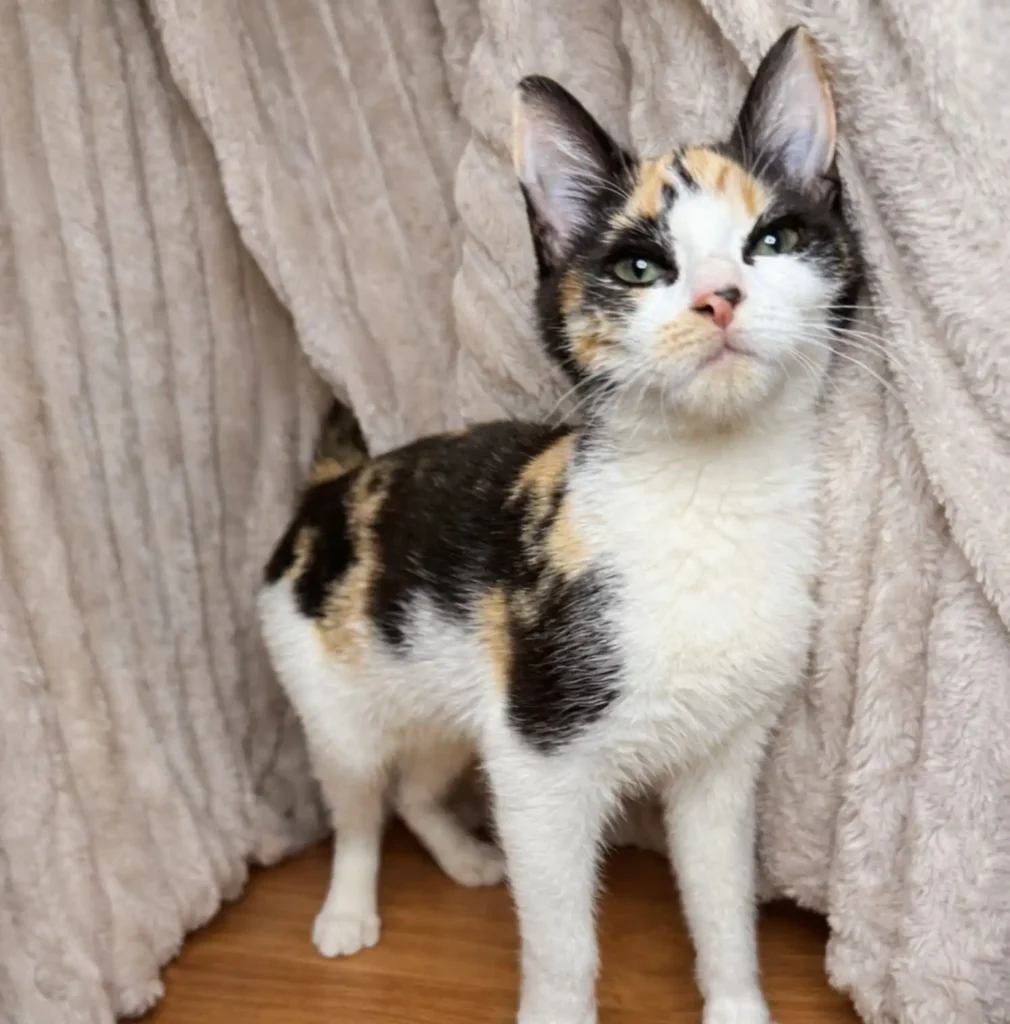
Thinking About Helping Outdoor Cats in South Florida?
Finding an outdoor cat often involves work before a cat ever enters foster care.
Someone may need to take photos, check local lost-pet posts, transport a safely contained cat for a microchip scan, move supplies, or help coordinate information.
These are tasks volunteers can help cover.
If you regularly notice outdoor cats in Broward County or want to help with practical rescue work, you can review our volunteer opportunities and see how to get involved with Happy Whiskers Animal Coalition.