
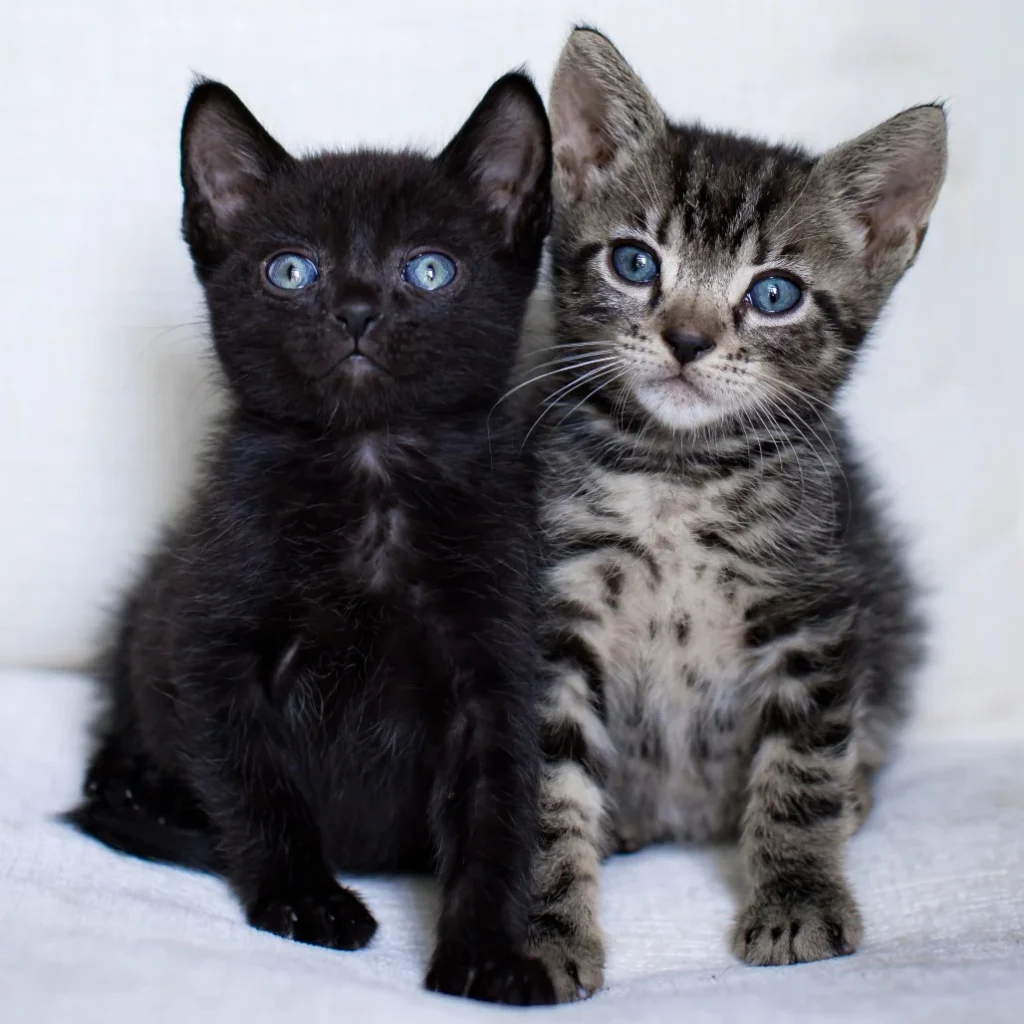
Cat rescue in Broward County is shaped by conditions we see across South Florida: a long warm season, visible outdoor cat populations, dense neighborhoods, and rescue groups caring for animals across foster homes instead of one central location.
These conditions affect when kittens are found, how outdoor cats are handled, and how quickly a rescue can coordinate foster space, transportation, and veterinary care.
Understanding the local rescue environment helps explain why a cat found behind an apartment complex in Coral Springs may need a different response from a litter found near a community cat feeding area.
Key Takeaways: What Should You Know About Cat Rescue in Broward County?
- South Florida’s warm climate can extend kitten activity across more of the year.
- Community cats, friendly strays, and young kittens may need different rescue paths.
- Foster-based rescues need available homes because they do not have rows of kennels waiting for incoming cats.
- Travel between foster homes, veterinary appointments, and events makes local transportation and coordination a regular part of rescue work.
- Dense neighborhoods mean cats are often noticed by residents, property staff, feeders, and local businesses.
South Florida’s Climate Extends Cat Rescue Needs
In colder parts of the country, kitten season is often concentrated around the warmer months. Broward County does not have the same prolonged winter conditions.
That means we can hear about kittens across a longer part of the year.
A three-week-old kitten and a seven-week-old kitten also create very different placement needs. Younger kittens may require frequent feeding and close monitoring. Older kittens may eat independently but still need foster space while they grow and prepare for adoption.
For a foster-based rescue, the timing matters. A litter cannot always wait several weeks for someone’s schedule to open.
Our guide to fostering cats in Broward County explains how available foster homes affect the number of cats a local rescue can place.
Community Cats Are Part of Everyday Rescue Work
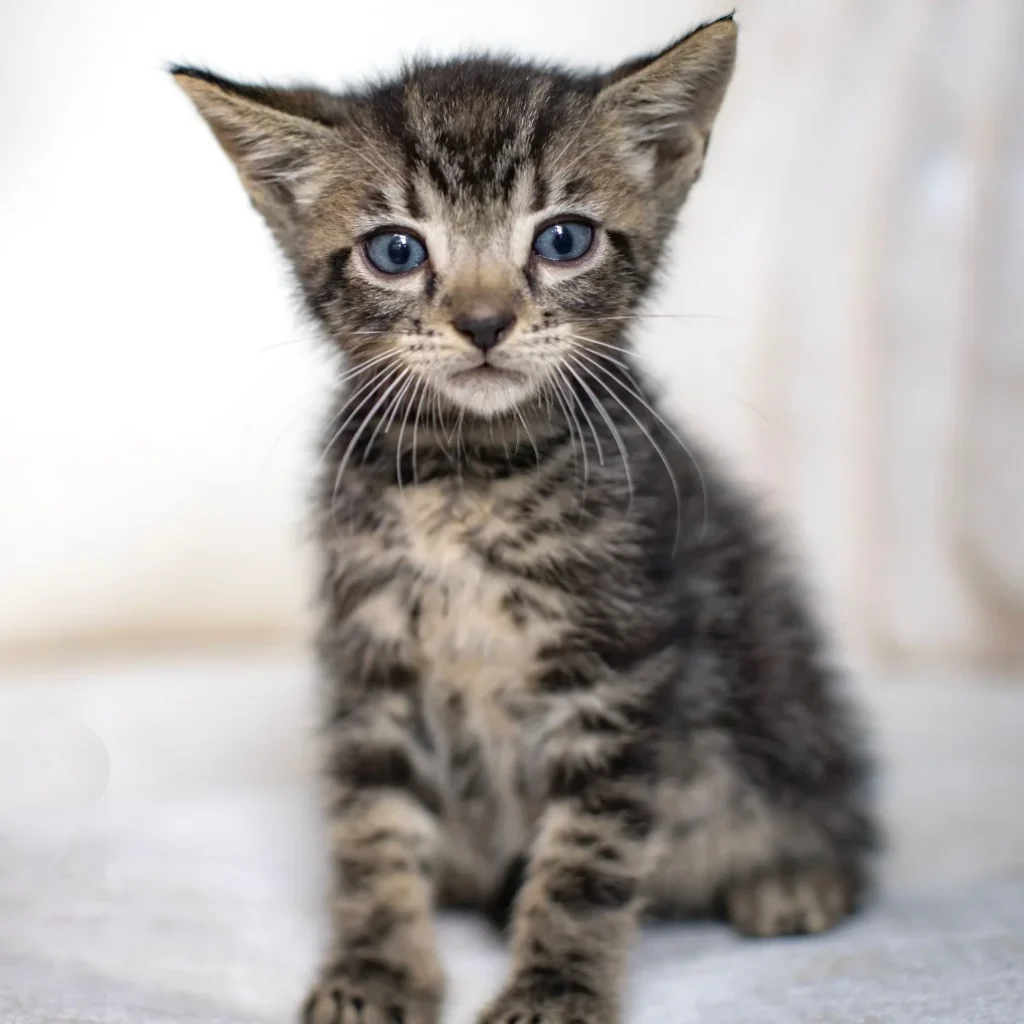
Outdoor cats are visible around apartment complexes, shopping areas, parking lots, and residential neighborhoods throughout Broward County.
They are not all in the same situation.
A friendly adult cat approaching residents may be lost, abandoned, or suitable for adoption after the appropriate checks and care. Young kittens may need foster placement and socialization. An adult cat that avoids close human contact may be part of an established community cat population and better suited for an organized TNR response.
This is why the first question is not always, “Can someone take this cat home?”
We need information about the cat’s approximate age, condition, behavior, location, and immediate risks. A clear photo or video and an accurate description of where the cat was found can help us understand what type of response may be appropriate.
Foster Space Is a Physical Limit for Foster-Based Rescues
Happy Whiskers Animal Coalition is foster-based. We do not operate a central shelter where an incoming cat can automatically be placed in an open kennel.
We need an available foster home.
That physical limitation affects rescue decisions every day. A nursing mother needs an appropriate space for her litter. Young kittens may need a quiet bathroom or spare room. A cat recovering from approved medical care may need separation from other animals.
Having funding for food or veterinary care does not create that space.
We match foster placements based on the cat’s needs and the foster’s home setup, availability, and experience. Not every foster handles newborn kittens or medical cases. Some homes are a better fit for weaned kittens, friendly adult cats, or shorter placements.
This flexibility helps us use available foster space more carefully.
Broward County Rescue Requires a Lot of Driving and Coordination
Broward County covers a large, busy area, and our cats are not housed in one building.
A foster may live in Coral Springs while an approved veterinary appointment is elsewhere in the county. Supplies may need to be picked up and delivered. A cat may need transportation between foster care and an adoption event.
Travel time becomes part of rescue planning.
A single veterinary appointment can involve confirming the foster’s schedule, finding a driver, arranging a carrier, sharing appointment information, and making sure the cat gets back to the correct foster home afterward.
This is why transport and coordination volunteers are useful in a foster-based rescue. One person handling a drive or coordinating a handoff can keep a foster from rearranging an entire workday.
Dense Communities Mean Cats Are Often Found Close to People
Broward County has dense residential and commercial areas where outdoor cats live close to people.
Residents may hear kittens behind an apartment building. Employees may notice cats around a shopping plaza. Property staff may find a litter during landscaping work. Community feeders may notice a new cat or see that a familiar cat is injured.
These reports often give rescues their first information about a cat.
The quality of that information matters. An exact location, clear photos, an estimate of how long the cat has been present, and details about whether a mother cat has been seen are much more useful than moving kittens immediately without knowing the situation.
Local residents are often the people who can observe what is happening before a rescue becomes involved.
Local Volunteers Help Cover the Distance Between Each Step
A cat may need to move through several separate steps before adoption: initial information, foster placement, veterinary care, photos and personality notes, adoption promotion, and eventually an adopter.
In a foster-based rescue, those steps happen in different places.
Volunteers help with transport, TNR trapping, adoption events, photos and bios, social content, recruiting, and coordination. Some roles involve direct animal care. Others can be handled remotely for a few hours each month.
The practical need is usually specific. We may need someone to cover a transport, help at an event, update adoption information, or coordinate a task between foster homes.
If you want to help locally, you can review our volunteer opportunities and tell us what type of work and schedule you can reliably cover.