
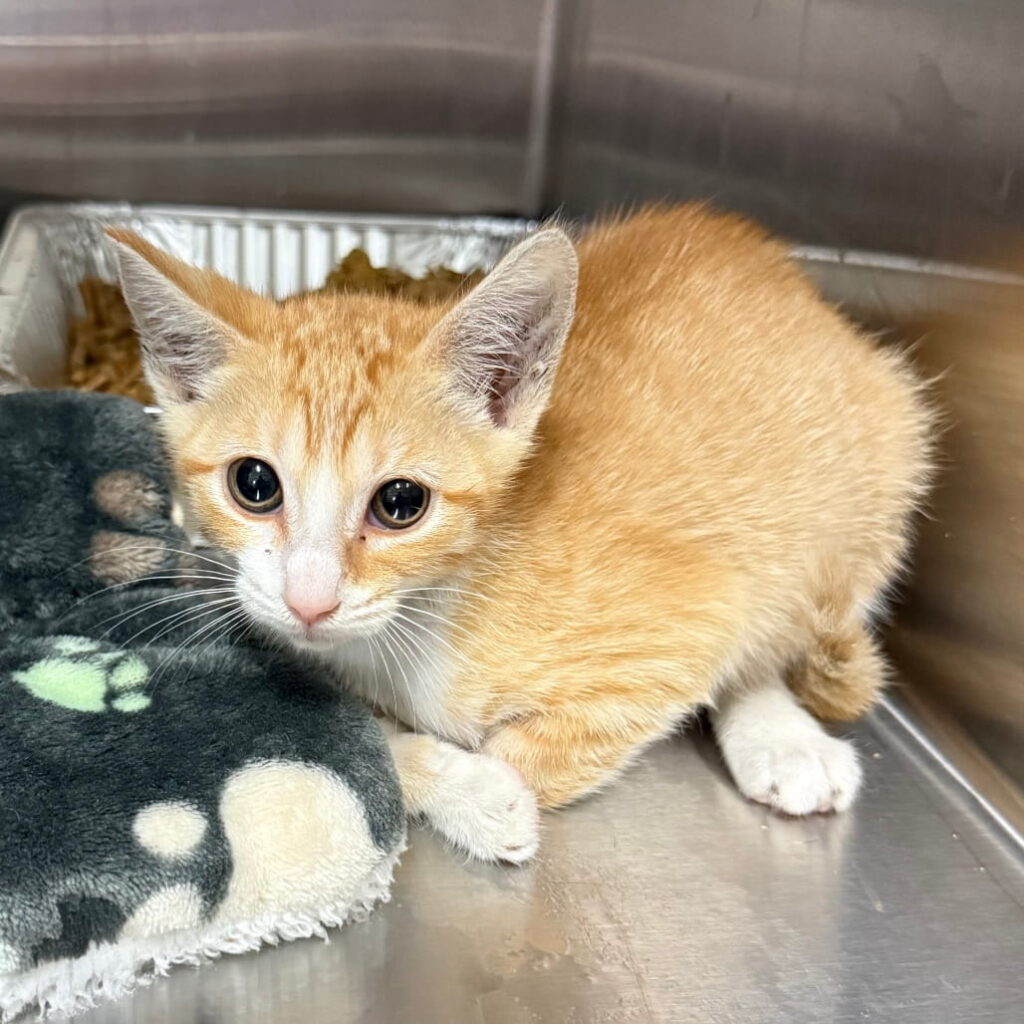
What happens after foster kittens are ready to leave their foster home? For many people who are learning about rescue work or considering fostering themselves, this stage of the process is not always clear. It is easy to understand how kittens are cared for during foster placement, but the transition from foster care to a permanent home often raises new questions.
Across South Florida and Broward County, foster homes play a critical role in helping kittens grow strong enough to be adopted. Once kittens reach adoption readiness, rescues begin a structured process to help them move safely into permanent homes. This includes preparing adoption listings, reviewing applications, and coordinating the final placement with adopters.
Understanding what happens after fostering kittens helps clarify the full rescue journey. The following sections explain how rescues determine adoption readiness, how kittens are introduced to potential adopters, and how the final transition from foster care to a permanent home is organized.
Key Takeaways
- Foster kittens move to the adoption stage once they reach key health and development milestones.
- Rescues create adoption profiles that describe each kitten’s personality, age, and medical status.
- Adoption applications are carefully reviewed to match kittens with suitable homes.
- Foster families often share insights about a kitten’s personality to help find the right adopter.
- Kittens usually remain in their foster homes until an adoption is finalized.
- Once adopted, kittens transition from foster care into a permanent home with guidance from the rescue.
How Rescues Determine When Kittens Are Ready for Adoption
Before foster kittens move into the adoption process, rescues make sure they have reached a stage where they can safely transition into a permanent home. Foster care provides the time and environment kittens need to grow, stabilize medically, and become comfortable around people. Once those goals are met, the rescue team evaluates whether the kittens are ready to begin the adoption stage.
In rescue work, kittens typically remain in foster homes until they reach a healthy and stable developmental point. This usually occurs when kittens are old enough to eat independently, maintain good health, and interact confidently with people. While every kitten develops at a slightly different pace, most rescues follow similar readiness standards to ensure kittens are prepared for a successful adoption.
Health and Veterinary Milestones
Health is the first priority when determining adoption readiness. Kittens must reach specific veterinary milestones before they can safely move into a new home.
Common medical requirements include:
| Readiness Factor | Why It Matters |
| Initial vaccinations | Helps protect kittens from common illnesses as they transition to a new environment |
| Veterinary health checks | Confirms the kitten is healthy and growing normally |
| Parasite prevention or treatment | Ensures kittens are free from common parasites |
| Spay or neuter surgery (when age appropriate) | Prevents future overpopulation and supports long-term health |
Rescues work closely with veterinarians to confirm that kittens are medically ready for adoption. Foster homes often play an important role during this stage by observing the kitten’s appetite, energy level, and general behavior between veterinary visits.
At our rescue, veterinary care and medical readiness are carefully coordinated before kittens are placed for adoption. This structured approach helps ensure that each kitten begins life in their new home with a healthy start.
Behavioral Readiness
Health is only one part of adoption readiness. Kittens also need to develop basic behaviors that help them adjust successfully to a permanent home.
Foster homes help kittens practice important daily routines, such as:
- using a litter box consistently
- eating solid food independently
- interacting comfortably with people
- exploring their environment with confidence
These behaviors develop naturally in a stable foster environment. Foster families observe each kitten’s personality and progress over time, which helps the rescue determine when the kitten is ready to meet potential adopters.
For many kittens, this stage occurs around 8 to 10 weeks of age, though the exact timing depends on health, development, and veterinary guidance.
How Foster Kittens Move From Foster Care to Adoption Listings
The goal is to make the transition from foster care to a permanent home as smooth as possible. Rescues organize this process carefully so adopters receive accurate information and kittens are matched with homes that are prepared for their needs.
At this point, the foster family often continues caring for the kittens while the rescue coordinates the adoption process. This allows the kittens to remain in a stable environment while potential adopters begin learning about them.
Creating Adoption Profiles
The first step is creating an adoption profile for each kitten. These profiles help potential adopters understand what makes each kitten unique.
Adoption profiles typically include:
- clear photos that show the kitten’s appearance and personality
- a short description of the kitten’s temperament
- basic information about age and development
- veterinary milestones such as vaccinations or spay/neuter status
- notes from the foster family about behavior and preferences
Foster families often provide valuable input for this step. Because they spend the most time with the kittens, they can describe personality traits that help adopters understand what to expect.
For example, a foster might share whether a kitten is:
- especially playful
- calm and affectionate
- confident around people
- curious and energetic
These observations help rescues present accurate information so adopters can make informed decisions.
At our rescue, foster families regularly share updates and personality notes that help us create detailed adoption profiles. This collaboration helps potential adopters see the kitten as an individual rather than just a photo online.
Where Kittens Are Listed for Adoption
After profiles are created, kittens are listed through several adoption channels so interested families can learn about them.
Many rescues use a combination of:
| Adoption Channel | Purpose |
| Rescue website listings | Allows local adopters to find available kittens directly through the rescue |
| Adoption platforms | Expands visibility for people searching for adoptable cats |
| Social media updates | Helps share available kittens with the local community |
| Adoption events | Gives adopters the opportunity to meet kittens in person |
Using multiple channels helps connect kittens with families who are actively looking to adopt. It also ensures that adopters can learn about the kitten’s background before scheduling a meeting.
While listings and applications begin during this stage, kittens typically remain in their foster homes until an adoption match is confirmed. This keeps their environment stable while the rescue reviews potential adopters and begins the next step in the process.
How Adoption Applications Are Reviewed
The goal of the review process is not to make adoption difficult. Instead, it helps ensure that kittens are placed in stable homes where they will receive long-term care and attention. Careful placement also reduces the likelihood that a kitten will need to be rehomed later.
Most rescues follow a structured application review process. This allows the rescue team to evaluate each application consistently while prioritizing the well-being of the animals.
Screening Potential Adopters
Adoption applications usually include questions that help the rescue understand the adopter’s home environment and expectations. These questions provide important context for making responsible placement decisions.
Common topics included in adoption applications may include:
| Application Topic | Why It Matters |
| Household environment | Helps determine whether the home is suitable for a young kitten |
| Previous pet experience | Provides insight into the adopter’s familiarity with animal care |
| Current pets in the home | Ensures safe introductions and compatibility |
| Work schedule or availability | Helps assess whether the kitten will receive appropriate attention |
| Housing considerations | Confirms that pets are permitted if the adopter rents |
These questions allow the rescue to identify potential concerns early and ensure the adopter understands the responsibilities involved.
At our rescue, adoption applications are reviewed by volunteers who focus on placing kittens in homes that can provide long-term stability and care. The goal is to support both the kitten and the adopter so the transition is successful for everyone involved.
Matching the Right Kitten With the Right Home
Not every kitten has the same personality or needs. Some kittens are highly energetic and social, while others are more reserved and take time to adjust to new environments.
Because of this, rescues aim to match kittens with homes that fit their temperament and activity level.
For example:
- A playful, high-energy kitten may do well in a household that wants an active companion.
- A calmer kitten may thrive in a quieter environment.
- Bonded kitten pairs are often adopted together so they can remain companions.
Foster families often provide helpful insights during this stage. Their observations about each kitten’s personality help the rescue identify homes where the kitten is most likely to adjust comfortably.
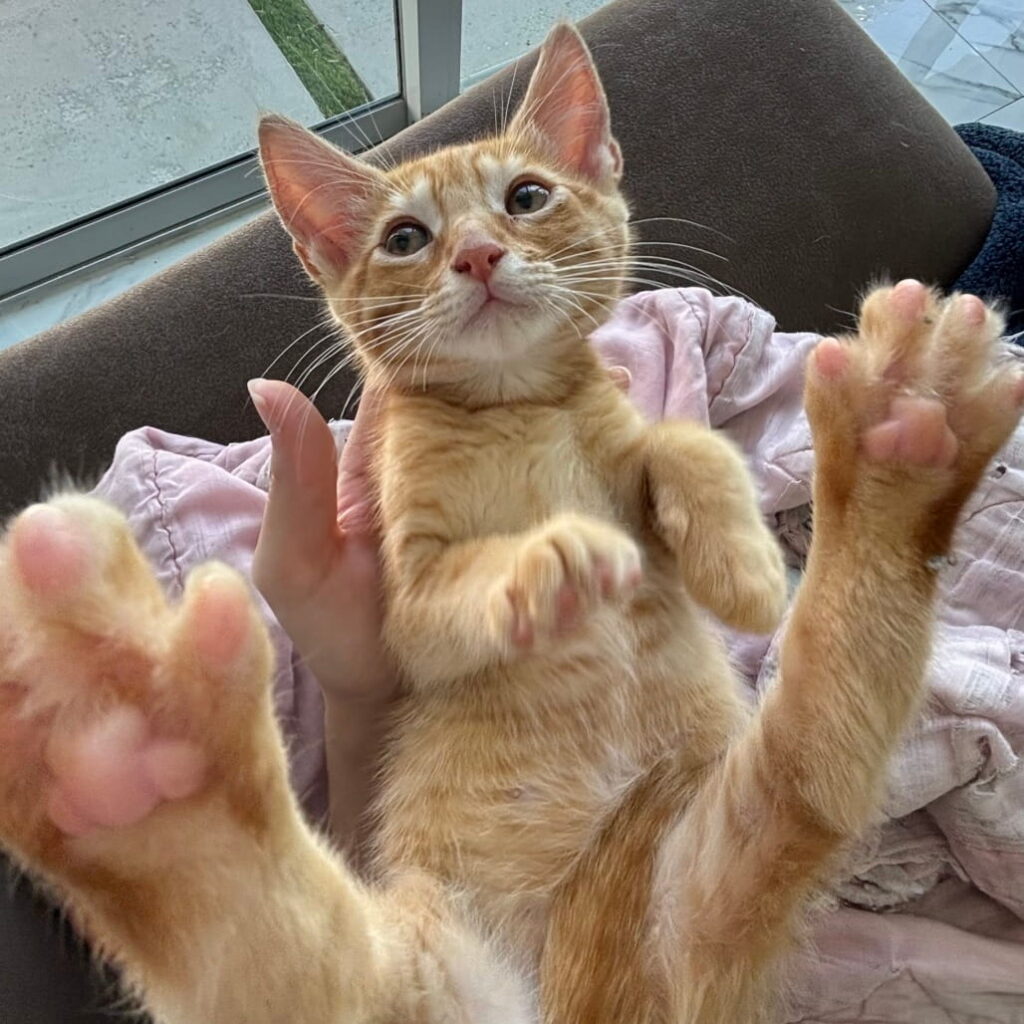
The Foster Parent’s Role During the Adoption Process
Even after kittens are ready to be listed for adoption, foster families continue to play an important role in helping them find the right home. Foster homes remain the kittens’ primary caregivers while the rescue reviews applications and coordinates potential matches. This allows the kittens to stay in a familiar, stable environment during the transition.
For many foster parents, this stage raises a common question: What is expected of me once the kittens are ready for adoption? In most cases, the responsibilities remain simple and manageable. Foster families continue their normal daily care routine while the rescue team handles the adoption coordination.
Rescues rely on foster families for one especially valuable contribution during this stage: insight into each kitten’s personality and behavior.
Sharing Personality Insights With the Rescue
Because foster families spend the most time with the kittens, they are often the best source of information about how each kitten behaves in a home environment. These observations help the rescue team match kittens with adopters whose household and expectations are a good fit.
Foster parents may share details such as:
- whether a kitten is especially playful or calm
- how the kitten interacts with people
- comfort level with handling or being held
- typical activity level during the day
- interactions with other cats or household pets
These details may seem small, but they are often very helpful when reviewing adoption applications. A kitten’s personality can influence which type of home will help them adjust most comfortably.
Supporting Meet-and-Greets or Adoption Introductions
In some cases, potential adopters may want to meet the kitten before finalizing the adoption. Foster homes may participate in this stage depending on how the rescue organizes its adoption process.
This may include:
| Foster Parent Involvement | What It Typically Looks Like |
| Virtual introductions | Sharing additional photos or short videos with potential adopters |
| Adoption event participation | Bringing kittens to scheduled rescue events |
| Coordinated home meetings | Allowing a brief meet-and-greet arranged by the rescue |
Not every adoption requires a meeting in advance. Some adopters are comfortable moving forward after reviewing the kitten’s profile and speaking with the rescue team.
What Happens When a Kitten Is Adopted
Although each rescue organizes its adoption procedures slightly differently, most follow a structured process to ensure adopters receive the information and resources they need.
Finalizing the Adoption
Before the kitten leaves the foster home, several administrative steps are completed. These steps help ensure the adopter understands their responsibilities and has the appropriate records for the kitten’s care.
Typical adoption steps include:
| Adoption Step | Purpose |
| Adoption agreement | Confirms the adopter’s commitment to responsible pet ownership |
| Adoption fee | Helps rescues recover part of the veterinary and care costs |
| Medical record transfer | Provides documentation of vaccinations and treatments |
| Identification information | Ensures the adopter has records for future veterinary visits |
Rescues often use adoption agreements to confirm expectations such as indoor living, responsible veterinary care, and safe housing conditions.
Preparing the Kitten for the Transition
While paperwork is completed, the rescue and foster family also help prepare the kitten for the move to a new home.
Preparation may include:
- confirming the kitten’s most recent veterinary information
- sharing feeding routines and preferences
- explaining the kitten’s personality and daily habits
- providing guidance on the first few days in a new environment
These details help adopters create a familiar routine for the kitten after adoption. Even small pieces of information, such as favorite toys or sleeping habits, can help the kitten adjust more comfortably.
Do Foster Families Stay in Touch With the Adoptive Family?
In most cases, the primary goal is to ensure the kitten transitions smoothly into their permanent home. Once the adoption is finalized, daily care and communication shift to the adopter. However, many adopters appreciate the role the foster family played and may choose to share updates.
Updates and Adoption Follow-Ups
Some adopters voluntarily send updates after bringing their new kitten home. These updates often include photos, short messages, or occasional progress reports about how the kitten is settling in.
Common types of updates may include:
- photos of the kitten adjusting to their new environment
- short messages describing the kitten’s behavior at home
- updates during the first few weeks after adoption
- occasional holiday or milestone photos
These updates are not required, but they are fairly common in rescue communities where adopters understand the effort that foster families invest in caring for young kittens.
At Happy Whiskers, the focus is always on helping the kitten transition successfully into their new home. When adopters choose to share updates, we are happy to pass along those messages to the foster family. These moments often give foster parents the opportunity to see how the kitten has grown after leaving foster care.
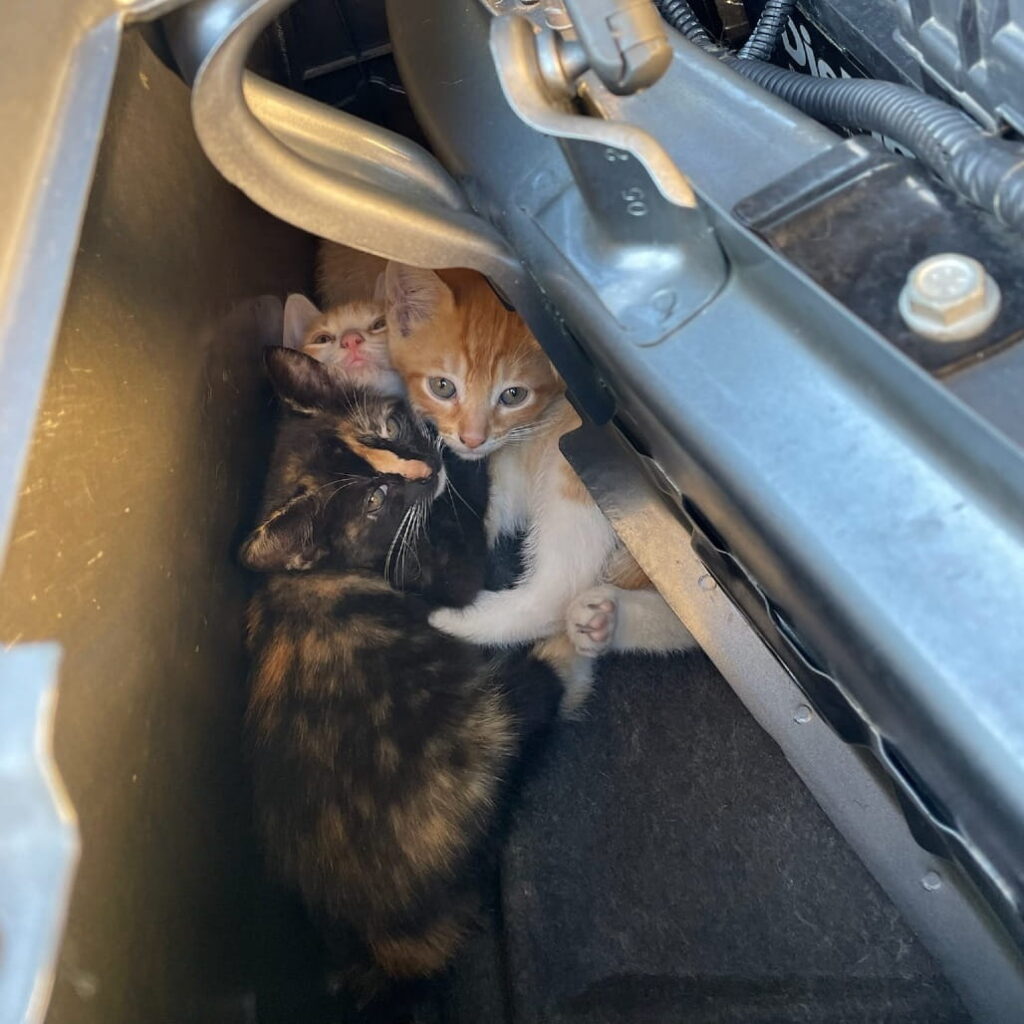
The period after foster kittens become ready for adoption is an important part of the rescue process. Careful health checks, thoughtful adoption screening, and clear coordination between foster families and the rescue team all help ensure kittens move into safe, permanent homes.
For foster families, this stage often represents the completion of the work they began when the kittens first arrived. By providing daily care, stability, and early socialization, foster homes help prepare kittens for the moment they are ready to join a permanent family.For those in South Florida who are thinking about helping rescue animals, understanding this process can make fostering feel more manageable and predictable. If you would like to see how foster homes support kittens from the earliest stages through adoption, you can explore the Happy Whiskers foster program to learn how the process works and how local volunteers help kittens reach safe, permanent homes.