
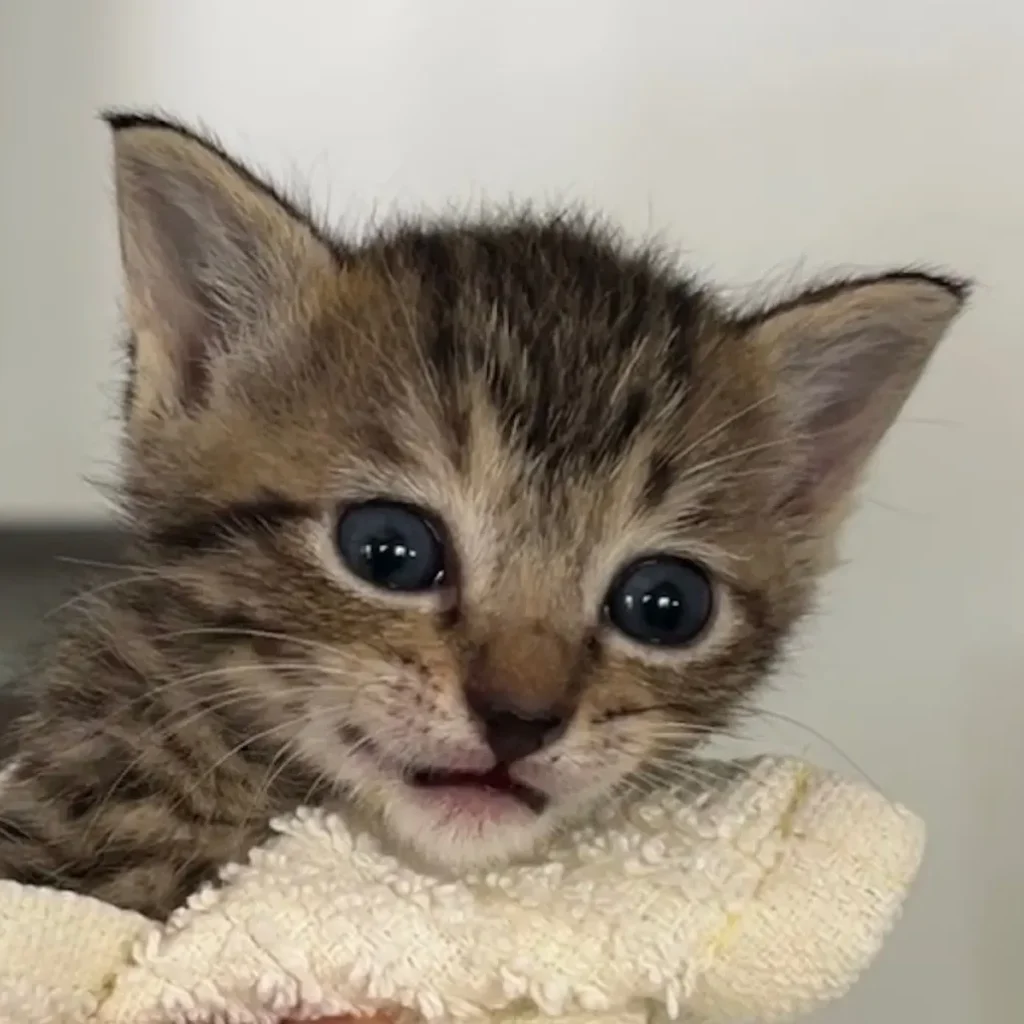
Submitting a cat adoption application can feel a little strange once the form is sent. You have done your part, but now you may be wondering what happens next, how long it takes to hear back, and whether silence means something went wrong.
In Broward County and nearby South Florida communities, cat rescues usually review applications based on fit, not just the order they were received. That means timing can depend on available cats, foster home updates, follow-up questions, and whether there is a cat whose needs match your home.
This article explains what usually happens after you submit an adoption application, including review, follow-up communication, matching, approval, scheduling, and what to do if you do not hear back right away.
Key Takeaways: What Should You Expect After Submitting a Cat Adoption Application?
- Your application is reviewed based on your home, schedule, pets, and the type of cat you are hoping to adopt.
- Applications are not always processed in strict order. Matching depends on available cats and foster home information.
- Follow-up questions usually mean the rescue needs more details before deciding on a match.
- Approval is usually connected to a specific cat, not a general “approved adopter” status.
- A delay does not always mean rejection. It may mean the right cat is not available yet or more information is needed.
- Checking your email, voicemail, and spam folder can help avoid missed communication.
Application Review Begins
After you submit an adoption application, the first step is a basic review.
We check whether the application has the information needed to understand your household and what type of cat may fit. This usually includes contact details, household members, current pets, housing, and general readiness for adoption.
Once the basic information is complete, the review moves into fit.
Typical review factors include:
- who lives in the home, including children or other pets
- previous experience with cats or kittens
- whether you rent or own
- any pet restrictions in your lease or building
- your daily schedule
- the type of cat personality or energy level you are looking for
- whether you are interested in a kitten, adult cat, bonded pair, or specific cat
The application is not used to rank people against each other. It helps us understand whether a specific cat would do well in your home.
For example, a shy adult cat may need a quiet household, while a playful kitten may need more time, supervision, and interaction. Those details matter before a cat is placed.
What Happens During Early Coordination
After the first review, we may reach out with follow-up questions.
This usually happens when your application looks like a possible fit, but we need a few details clarified. The questions are usually practical and focused, not a long interview.
Common follow-up topics include:
- how often someone is home
- where the cat would stay at first
- whether your current pets have lived with cats before
- how your children interact with animals, if applicable
- whether your lease allows cats
- whether you are open to cats other than the one you first asked about
- what type of personality would fit your household
These questions help us avoid preventable problems. A cat who needs a calm home may not do well in a busy household with constant activity. A kitten who needs frequent attention may not be the right match for a home where everyone is away for long workdays.
If you are contacted, respond as soon as you can. Slow replies can affect timing, especially when several applications are being reviewed for the same cat.
If you are not contacted right away, it does not automatically mean your application was rejected. It may mean there is no immediate match or that the foster home is still providing updates on a cat’s behavior or readiness.
How Matching Decisions Are Made
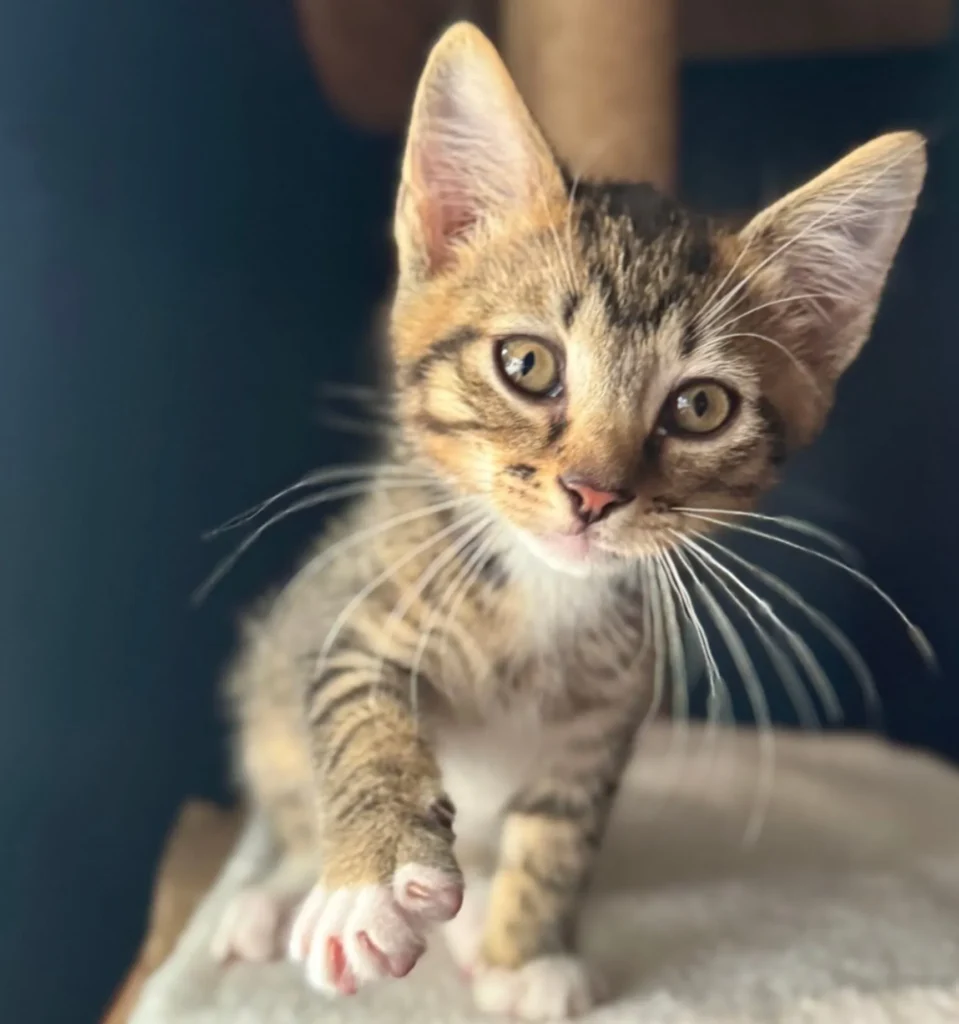
Matching starts when we compare your application with cats currently available for adoption.
This step is not about assigning the first available cat. It is about looking at the cat’s needs and your home setup together.
Matching may consider:
- the cat’s energy level
- whether the cat is shy, social, playful, independent, or high-touch
- how the cat has behaved in a foster home
- whether the cat has been around children
- whether the cat may tolerate other cats or dogs
- whether the cat needs a quiet space
- whether the adopter has the time needed for that cat’s care
A cat’s foster home often gives us the most useful information. Foster families may notice whether a cat hides at first, seeks attention, plays constantly, gets nervous around noise, or prefers a slower routine.
If no immediate match exists, that is not the same as rejection. It may simply mean the cats currently available do not fit the details in your application.
For example, if your home has a dog and the available cats have not been tested around dogs, the rescue may need more time before recommending a match. If you applied for a kitten but the current kittens are not ready yet, the application may pause until they are old enough or medically cleared.
The Matching Process
Once a possible match is identified, the adoption team reviews your application again with that specific cat in mind.
At this stage, the question becomes more specific: would this cat do well in this home?
| Step | What Happens | Why It Matters |
| Review alignment | Your application is compared with a specific cat | Confirms the basic fit |
| Check foster notes | Foster feedback is reviewed | Helps explain personality and habits |
| Review household details | Pets, children, housing, and routine are reconsidered | Helps prevent avoidable stress |
| Confirm next step | The match moves forward or is adjusted | Keeps the process focused on the cat’s needs |
This is why the process can take time. A rescue may be waiting on a foster update, checking whether a cat is ready, or reviewing whether another cat would be a better fit.
Home Check or Follow-Up Questions
Some applications need a little more information before moving forward.
This does not mean something is wrong. It usually means one part of the application needs clarification.
What Follow-Up Communication Looks Like
Follow-up questions are usually handled by email or phone.
They may ask about:
- your daily schedule
- where the cat would sleep or spend the first few days
- whether other pets can be separated during introductions
- whether your landlord allows cats
- whether you have experience with kittens, shy cats, or multi-pet introductions
- whether you are ready to move forward if a match is approved
Each question should connect to a real placement issue.
For example, if a cat is shy, we may ask whether you have a quiet room where the cat can start. If a cat has never been around dogs, we may ask about your dog’s temperament and whether you can keep them separated at first.
What It Means If You Are Contacted
If you are contacted with follow-up questions, your application is being actively reviewed.
It does not always mean approval, and it does not mean rejection. It means the rescue needs more information before deciding whether to move forward.
A typical flow may look like this:
| Step | What Happens | What It Means |
| Initial contact | Questions are sent by email or phone | Your application is under review |
| Response review | Your answers are checked | The rescue is clarifying fit |
| Next step | Match, hold, or recommend another cat | The application continues based on available cats |
After you respond, timing depends on the cat, the foster home, and whether the match is clear.
Approval, Next Steps, and Scheduling Adoption
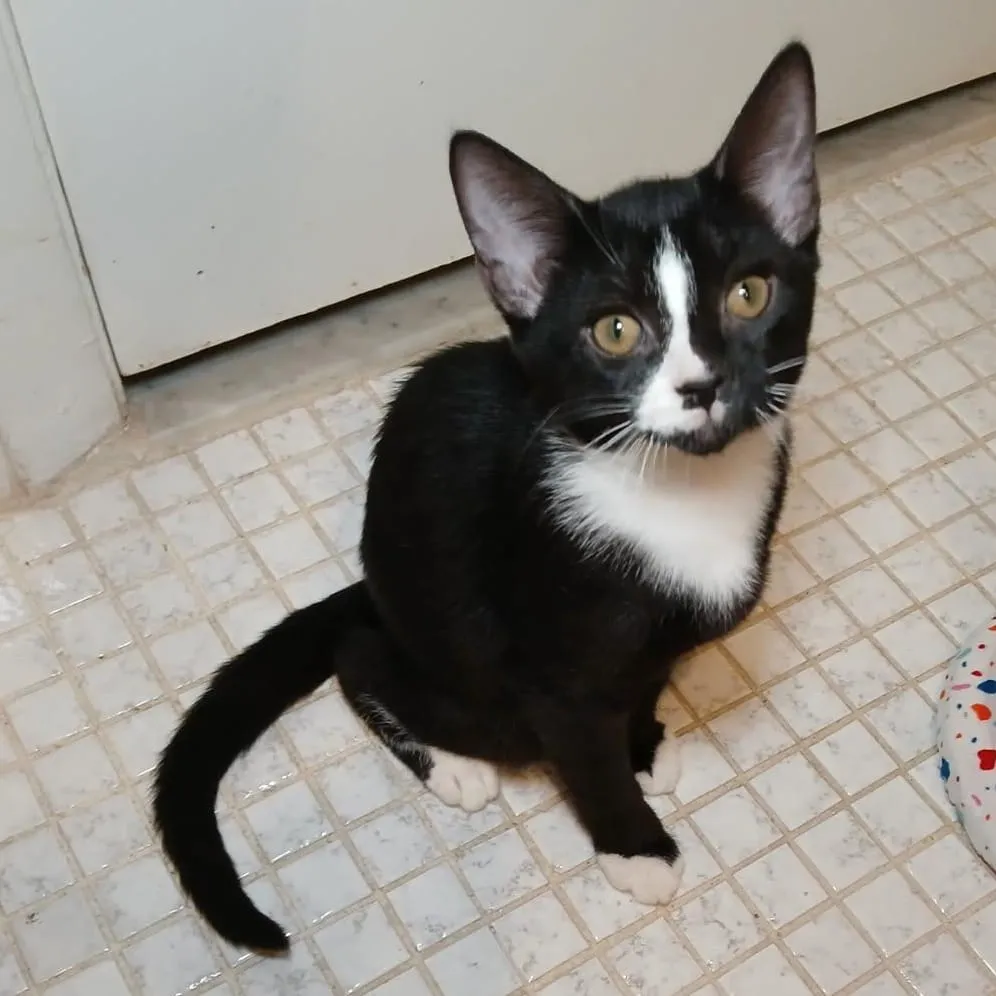
Approval usually happens when your application has been reviewed and matched with a specific cat.
Approval is not always a general status that applies to every cat. A person may be a good fit for one cat and not the best fit for another. That is why approval is usually tied to the cat being considered.
What Approval Means in Practice
Approval means the rescue is ready to move from review into adoption coordination.
At that stage, communication becomes more specific.
You may receive details about:
- the cat you are approved to adopt
- meet-and-greet timing, if needed
- pickup or handoff details
- adoption paperwork
- adoption fee
- feeding or litter notes
- medical or behavior information
- what to expect during the first few days at home
This is the point where the process shifts from “Are we a fit?” to “How do we get the cat home safely?”
Scheduling the Adoption
Scheduling depends on the adopter, the foster home, and the cat’s readiness.
Many cats in South Florida rescue systems live in foster homes, not a central shelter. That means pickup, transfer, or meet-and-greet timing may need to work for both the foster and the adopter.
Common scheduling steps include:
- confirming a date and time
- coordinating the location
- reviewing care notes
- finalizing paperwork
- making sure the cat is medically ready to go home
- confirming what supplies the adopter should have ready
Some cats can go home quickly after approval. Others may need a little more time because of age, vet care, spay/neuter scheduling, or foster coordination.
What Happens During a Meet-and-Greet
If a meet-and-greet is part of the process, it is usually a short introduction.
The goal is to confirm that the match still makes sense after you meet the cat.
A meet-and-greet may include:
- a short interaction with the cat
- a review of the cat’s personality and routine
- discussion of any medical or behavior notes
- time for you to ask questions
- confirmation of whether both sides are ready to move forward
Not every cat will act exactly like themselves during a meeting. Some cats are shy with new people or in new spaces. Foster notes often matter more than a single short interaction.
Final Steps Before Adoption Is Complete
Before adoption is complete, the final details are reviewed.
| Step | What Happens | Why It Matters |
| Final confirmation | Adoption details are reviewed | Makes sure contact, cat, and timing are correct |
| Care overview | Feeding, litter, and behavior notes are shared | Helps you prepare at home |
| Transition planning | Pickup or handoff is scheduled | Keeps the move organized |
| Completion | Adoption agreement is finalized | Officially transfers care |
Once those steps are complete, the cat can go home.
What If You Don’t Hear Back Right Away?
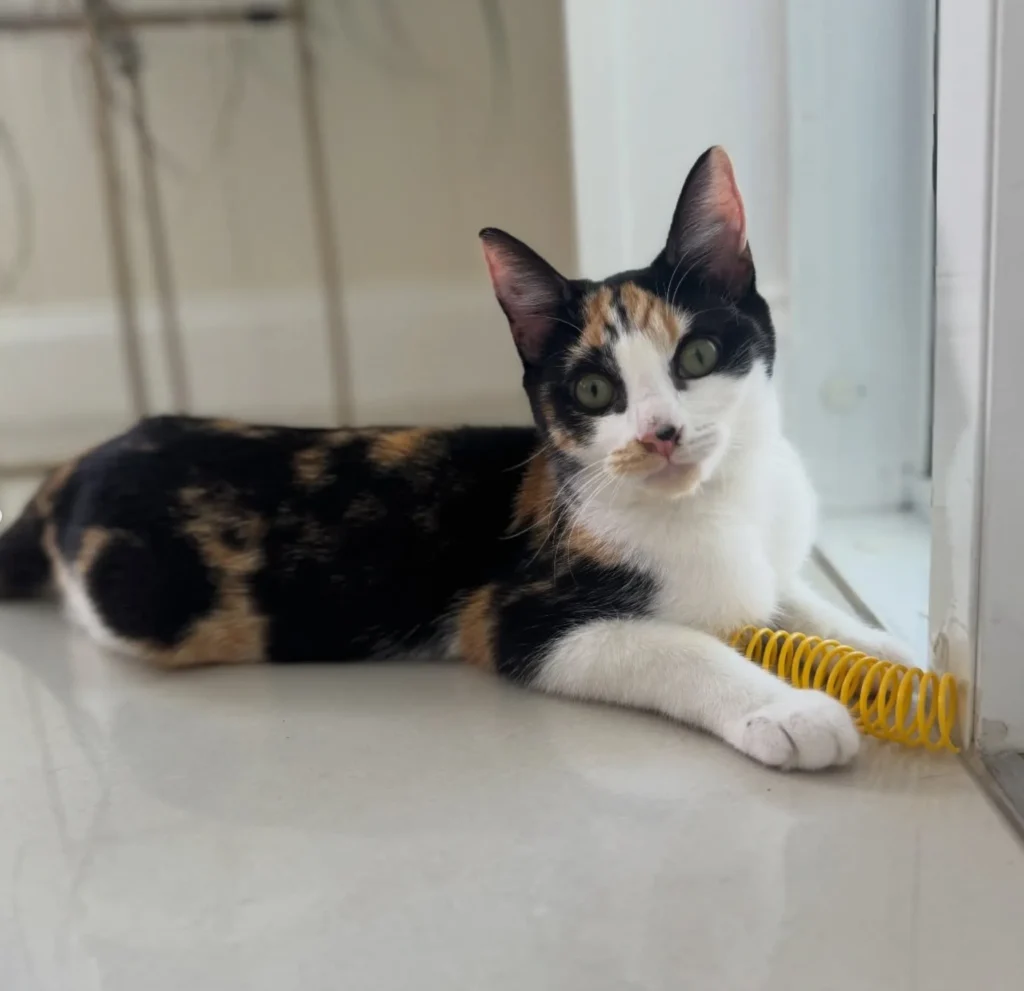
A delayed response does not automatically mean rejection.
In many cases, the rescue may still be reviewing applications, waiting for foster updates, or looking for a cat that fits your home.
Why Response Times Vary
Response times can vary for practical reasons, especially during busy periods in South Florida.
Common reasons include:
- high application volume
- kitten season intake
- foster homes still evaluating cats
- cats waiting on vet care or spay/neuter appointments
- multiple applicants interested in the same cat
- limited volunteer time for reviewing and responding
- no current cat that matches the application
Applications are not always reviewed in a simple first-come, first-served order. A rescue may prioritize fit, timing, and the needs of the cats currently in care.
What Is Happening While You Wait
While you wait, a few things may be happening behind the scenes:
- your application may be compared with available cats
- a foster may be asked for more information
- the rescue may be waiting to see if a cat is ready for adoption
- another cat may be considered as a better match
- the team may be working through applications in batches
Waiting can feel unclear from the applicant side, but it often reflects coordination rather than neglect.
What You Should Do During This Time
After submitting your application, you usually do not need to submit another one unless asked.
Instead:
| Action | Why It Helps |
| Check your email, including spam | Follow-up messages may land outside your inbox |
| Keep your phone available | Some rescues call for clarification |
| Respond quickly if contacted | Delayed replies can slow matching |
| Avoid duplicate applications | Duplicates can make review less clear |
| Update the rescue if something changes | New pets, moving plans, or schedule changes may affect fit |
If a reasonable amount of time has passed, a polite follow-up is fine. Keep it simple and include your name, the date you applied, and the cat you asked about if applicable.
Conclusion
After you submit a cat adoption application, the rescue reviews your information, checks for fit with available cats, asks follow-up questions if needed, and coordinates next steps when there is a match.
The waiting period can feel uncertain, but delays often come from foster schedules, cat readiness, application volume, or the time it takes to identify the right cat for your home. If you want to understand the full adoption process or see available cats, you can review our adoption process through Happy Whiskers.