

What supplies do you actually need to foster kittens?
This is one of the most common questions people ask when they begin considering foster care. Many compassionate people in South Florida want to help kittens but hesitate because they are unsure what equipment is required or how complicated the setup might be. Some worry that fostering requires specialized gear or significant upfront costs.
In reality, most foster homes start with a small group of basic supplies that create a safe and manageable environment for kittens. A few simple items for feeding, litter setup, cleaning, and comfort are usually enough to get started. Rescue organizations also guide foster families so they know exactly what is needed for the kittens placed in their care.
This article explains the supplies needed to foster kittens and how a simple home setup can support healthy, comfortable foster care.
Key Takeaways
- Fostering kittens requires only a small number of basic supplies to create a safe and comfortable environment.
- Most foster homes start with essentials such as food bowls, kitten food, a litter box, bedding, and cleaning supplies.
- A small, contained space helps kittens adjust to their foster home and allows caregivers to monitor their health.
- Additional comfort items like toys and blankets help kittens build confidence and social skills.
- Rescue organizations guide foster families and often coordinate veterinary care and other support.
- Many common supplies are already available in most homes, making it easier for new volunteers to get started.
A Safe Space for the Kittens
One of the most important supplies needed to foster kittens is a safe, contained space where they can settle into their new environment. When kittens first arrive in a foster home, they are adjusting to unfamiliar people, sounds, and routines. A quiet, controlled area helps them feel secure while allowing the foster caregiver to monitor their health and behavior closely.
In rescue work, kittens often come from unpredictable situations such as outdoor colonies, overcrowded shelters, or unsafe environments. Creating a small, designated space helps them decompress and makes their daily care easier to manage.
Most foster homes set up a simple kitten area using a small room or enclosed space. Common options include:
- A bathroom or laundry room
- A spare bedroom
- A kitten playpen or enclosed exercise pen
Keeping kittens in a contained space during the first days also allows foster caregivers to track eating, litter box use, and energy levels. These small observations are an important part of rescue care.
Once kittens become comfortable and healthy, their space can gradually expand. A simple, well-prepared setup makes the transition into foster care smooth for both the kittens and the foster family.
Feeding Supplies for Young Kittens
Feeding supplies are another important part of preparing to foster kittens. The exact items needed depend on the kittens’ age and stage of development. Some kittens arrive in foster care already eating on their own, while younger kittens may still require bottle feeding.
Most foster placements involve kittens that are beginning to eat solid food. In these cases, the feeding setup is simple and easy to manage.
Common feeding supplies include:
- Kitten wet food
- Kitten dry food
- Shallow food bowls
- A water dish
- A small kitchen scale
Young kittens grow quickly, so monitoring their weight is an important part of daily care. A small kitchen scale allows foster caregivers to track steady weight gain, which is one of the clearest signs that kittens are eating well and developing normally.
Very young kittens may require additional supplies such as kitten milk replacer and bottle feeding equipment. However, not every foster home cares for neonatal kittens. Most rescues match foster homes with kittens whose needs align with the volunteer’s experience and availability.
Litter Box Setup for Kittens
A simple litter box setup is another basic supply needed when fostering kittens. Most kittens begin learning to use a litter box around three to four weeks of age. Once they are developmentally ready, they usually pick up the habit quickly in a calm foster environment.
The goal is to make the litter box easy for small kittens to access and safe for them to explore.
Most foster homes start with a setup that includes:
- A small, low-sided litter box
- Non-clumping litter
- A litter scoop
- A simple mat or towel under the box
Low-sided litter boxes are important because very young kittens have short legs and limited coordination. A shallow entry makes it easier for them to climb in and out without difficulty.
Rescues typically recommend non-clumping litter for young kittens. Kittens explore their environment with their mouths, and non-clumping litter reduces the risk if they accidentally ingest small amounts while learning.
Daily scooping keeps the space clean and encourages kittens to continue using the box consistently. In most foster homes, litter training happens naturally once the setup is in place.
Cleaning and Hygiene Supplies
Keeping the kittens’ space clean is an important part of foster care. A simple cleaning routine helps protect young kittens from illness and keeps the foster area comfortable for both the kittens and the caregiver.
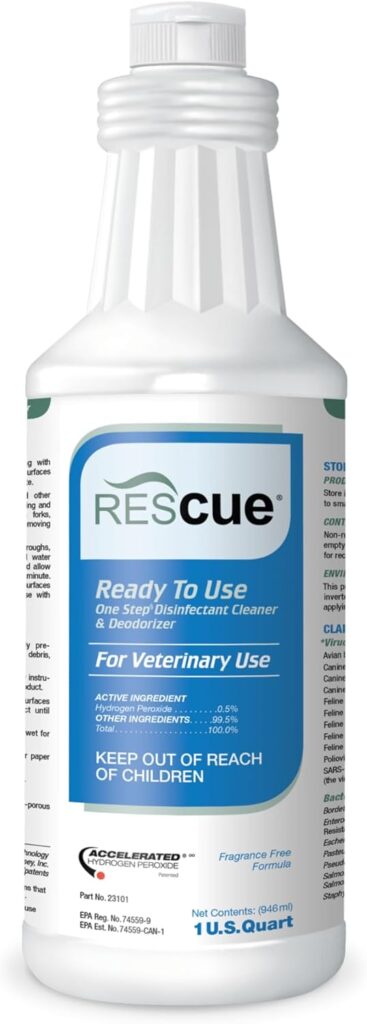
Kittens are still developing their immune systems, so maintaining a clean environment reduces the spread of bacteria and common infections. Most foster homes find that basic household cleaning supplies are all that is needed.
A typical foster setup includes:
- Paper towels or cleaning cloths
- Pet-safe disinfectant or cleaner
- Disposable gloves
- Laundry detergent for washing bedding
- Trash bags for daily waste
Bedding, blankets, and soft surfaces should be washed regularly. Food dishes and litter boxes should also be cleaned routinely to maintain a hygienic space.
Using pet-safe cleaning products is important because kittens are sensitive to strong chemicals and fragrances. Mild, animal-safe disinfectants help keep the area sanitary without exposing kittens to harsh substances.
Comfort and Socialization Supplies
In addition to food, litter, and cleaning supplies, foster kittens benefit from simple items that support comfort and social development. These supplies help kittens feel safe in their new environment and encourage healthy interaction with people.
Many kittens entering foster care are experiencing a home environment for the first time. Providing soft places to rest and safe objects to explore helps them adjust more quickly.
Common comfort and socialization supplies include:
- Soft blankets or towels
- Small cat beds or padded resting areas
- Lightweight kitten toys
- Scratching pads or cardboard scratchers
- Simple interactive toys such as feather wands
These items help create a space where kittens can rest, play, and build confidence. Play is an important part of kitten development. It allows them to practice natural behaviors, release energy, and become comfortable around people.
Socialization is a key part of foster care. Regular playtime and gentle interaction help kittens learn that people are safe and predictable. This early experience often makes them more relaxed and adoptable when they are ready for permanent homes.
Most comfort items do not need to be expensive. Many foster caregivers use household items such as folded towels, small blankets, or simple cardboard scratchers.
Do Foster Parents Have to Buy These Supplies?
One of the most common concerns people have when considering fostering kittens is the cost. Many potential foster volunteers assume they are expected to purchase all supplies and pay for veterinary care themselves. In most rescue programs, that is not the case.
Animal rescues rely on foster homes to provide a safe temporary environment for kittens, while the rescue organization manages medical care, adoption coordination, and overall case management. Because of this structure, rescues typically work to make fostering accessible for volunteers.
At our rescue, foster families receive guidance before kittens arrive so they understand what supplies will be needed for that particular placement. Many volunteers already have basic household items that work well for foster care.
Examples of commonly available items include:
- Blankets or towels for bedding
- Small food and water dishes
- Basic litter boxes
- Cleaning supplies used in everyday home care
Veterinary care, vaccinations, and medical decisions are coordinated through the rescue. Foster caregivers focus primarily on daily care such as feeding, monitoring the kittens, and providing a safe environment.
Some foster volunteers choose to purchase additional toys or comfort items, but this is optional. The goal of a foster program is to make it possible for compassionate people to help without creating a significant financial burden.
By sharing responsibilities between the rescue and the foster home, kittens can receive the care they need while volunteers feel supported throughout the process.
A Simple Starter Kit for First-Time Foster Homes
For many first-time foster volunteers, the list of supplies needed to foster kittens can feel larger than it actually is. In practice, most foster homes begin with a small group of basic items that create a safe and comfortable setup for the kittens.
A simple starter kit usually includes supplies for four main areas: a safe space, feeding, litter setup, and basic comfort items.
A typical starter setup may include:
Safe space
- A small room or kitten playpen
- Soft blankets or towels
Feeding
- Kitten wet or dry food
- Small food and water bowls
- A kitchen scale for weight checks
Litter setup
- A low-sided litter box
- Non-clumping litter
- A litter scoop
Comfort and play
- A few kitten-safe toys
- A cardboard scratching pad
Many of these items are already available in most homes. Others are inexpensive and easy to set up before the kittens arrive.
At our rescue, we help foster families determine what supplies are appropriate for the kittens they will be caring for. This guidance helps first-time foster caregivers feel prepared while keeping the setup simple and manageable.
Fostering kittens does not require a complicated setup or specialized equipment. Most foster homes begin with a small set of practical supplies that support daily care, including a safe space, feeding supplies, a simple litter setup, and basic cleaning materials. Comfort items and toys can also help kittens settle into a home environment and build positive interactions with people.
Rescue programs are structured to support foster volunteers throughout the process. Foster families provide the temporary home environment, while the rescue coordinates veterinary care, guidance, and adoption placement. This shared approach helps make fostering manageable for people who want to help but may feel uncertain about what is involved. For those in South Florida who are interested in supporting local rescue efforts, learning how foster programs operate can provide useful perspective. You can learn more about how the Happy Whiskers foster program works and how placements are coordinated by exploring the rescue’s foster program.