
Volunteering with cats in South Florida often raises a simple but important question: what skills do you actually need before getting started? For many people in Broward County and nearby communities, the hesitation is not about willingness, but about uncertainty. They wonder if experience with animals, specific training, or special knowledge is required before they can contribute in a meaningful way.
The reality is that most volunteer roles in cat rescue are built around learnable, practical skills rather than prior experience. Tasks are structured, guidance is provided, and support is part of the process from the beginning. Still, it helps to understand what those expectations actually look like before committing your time.
This article breaks down the core skills needed to volunteer with cats in a clear, practical way. It focuses on what you will actually be expected to do, what you are not expected to know, and how most people become comfortable in the role over time.
The first and most foundational part of volunteering begins with how you interact with cats in a calm and gentle way.
Key Takeaways: What should you expect from volunteering with cats in South Florida?
- Most volunteer roles do not require prior experience, because tasks are structured and taught step by step.
- Comfort with cats matters more than skill, since calm behavior directly affects how cats respond in care settings.
- Following instructions consistently is essential because volunteer tasks are standardized to keep care safe and predictable.
- Basic cleaning tasks are simple and repeatable, and they follow clear routines that support daily cat health.
- Communication is part of the role, and volunteers are expected to ask questions and report observations rather than make decisions alone.
- The learning process is gradual, so confidence builds naturally through repetition rather than upfront expertise.
Basic Animal Comfort and Gentle Handling
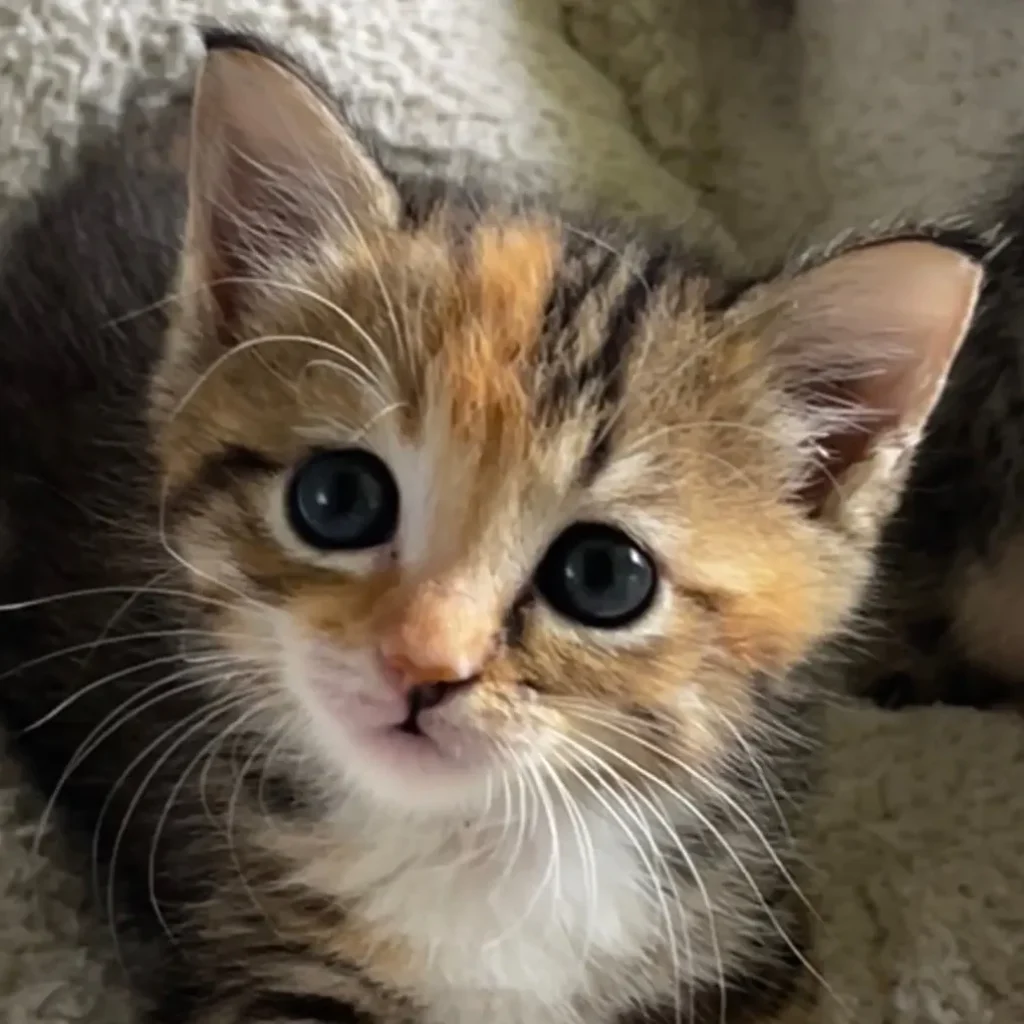
The most important skill for volunteering with cats is being calm, gentle, and comfortable around them. No prior experience is required, but volunteers should be at ease in environments where cats may be shy, playful, or unsure at first.
In South Florida volunteer settings, especially in Broward County rescue environments, cats often arrive with different backgrounds. Some adjust quickly, while others take a few days to feel secure. Your role is not to “train” or “fix” behavior, but to interact in a way that helps cats feel safe and unstressed.
Gentle handling means allowing cats to guide the interaction instead of forcing contact or movement.
This is the foundation of all volunteer work, whether you are helping in a foster home, assisting at adoption events, or supporting daily care routines.
What gentle handling looks like in practice
Most of this skill is about behavior and awareness rather than physical technique.
Common expectations include:
- Moving slowly around cats instead of sudden gestures
- Letting cats approach you first when possible
- Using a soft voice and calm body posture
- Avoiding overstimulation, especially with nervous or newly arrived cats
Even simple actions like sitting quietly near a cat can build trust over time. Many cats prefer observing before engaging, and respecting that pace is part of effective care.
Understanding basic cat body language
Reading comfort levels is a key part of safe interaction. You do not need advanced training, only basic awareness of signals.
Common signs include:
- Relaxed posture and slow blinking → comfort or curiosity
- Flattened ears or tail flicking → stress or overstimulation
- Hiding or backing away → need for space
If a cat moves away, the correct response is to give space rather than pursue interaction.
What you are not expected to do
New volunteers often assume they need to handle cats extensively or manage behavior issues. That is not the case. Basic volunteering does not involve medical treatment, restraint, or advanced behavioral correction.
Tasks like injections, wound care, or handling highly stressed animals are reserved for trained staff or experienced fosters when needed. Most volunteers focus on observation, support tasks, and low-stress interaction.
Why this skill matters
Gentle handling affects every part of a cat’s experience in care. A calm interaction can reduce stress, improve appetite, and help a cat settle into a foster or shelter environment more quickly.
Most cats respond better to calm presence than to direct handling or pressure.
For anyone considering volunteering with Happy Whiskers Animal Coalition or similar rescues across South Florida, this is the starting point. Everything else builds from the ability to be steady, patient, and respectful in how you interact with animals.
Ability to Follow Instructions and Work as Part of a Team
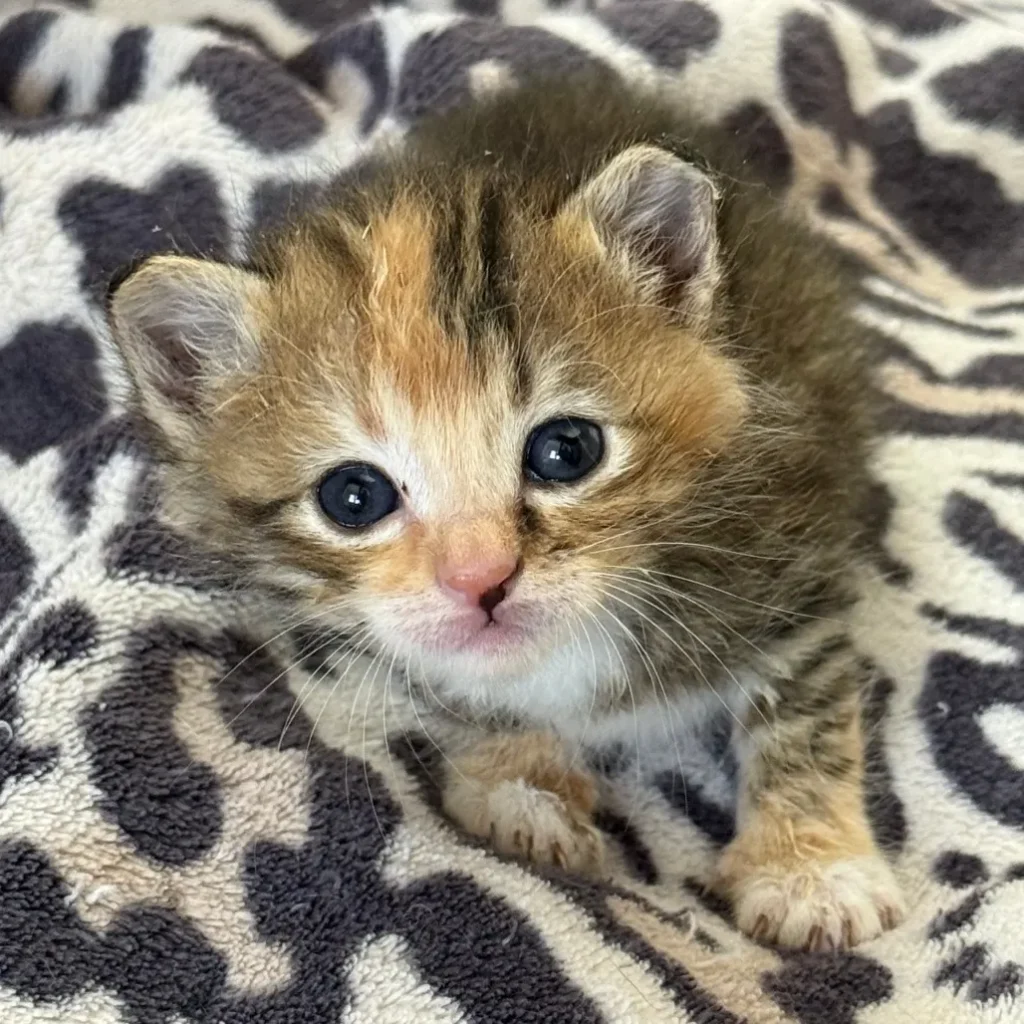
The ability to follow clear instructions is one of the most important skills needed to volunteer with cats. Most volunteer tasks are simple, structured, and based on consistent routines rather than independent decision-making.
For anyone in South Florida considering volunteering with a rescue organization such as Happy Whiskers Animal Coalition, this skill matters because cat care depends on consistency. Feeding, cleaning, and handling routines are designed to keep animals safe and reduce stress. When those routines are followed correctly, cats adjust faster and care stays predictable across volunteers.
What following instructions actually means in a rescue setting
Following instructions means completing assigned tasks exactly as they are explained, even if they seem simple or repetitive.
Most volunteer work does not require improvisation. It requires consistency.
Typical examples include:
- Feeding cats specific portions at set times
- Cleaning litter boxes in a defined order
- Preparing carriers or spaces for transport or adoption visits
- Following sanitation steps to prevent illness spread
Each task is usually explained once and repeated in the same way so volunteers can build familiarity over time.
Why consistency matters in cat care
Cats respond strongly to routine. Small changes in feeding timing or cleaning order can increase stress or confusion, especially for new or shy cats.
Consistency in daily care is more important than speed or experience.
When volunteers follow instructions accurately, it creates a stable environment that supports both physical health and behavior adjustment.
Working with a team, not independently
Volunteers are part of a coordinated system that includes other volunteers, fosters, and coordinators across Broward County and surrounding South Florida areas.
This team structure means:
- Tasks are divided clearly between people
- Instructions are shared to avoid overlap or missed care steps
- Updates are communicated if a cat’s needs change
You are not expected to decide care plans or manage situations alone. Most responsibilities are assigned with clear direction so everyone works from the same plan.
Common question: Do I need to make decisions on my own?
No, most volunteer roles do not require independent decision-making.
If something changes with a cat’s behavior, appetite, or health, volunteers are expected to report it rather than try to resolve it directly. This keeps care safe and consistent across all animals.
What reliability looks like in practice
Reliability is a key part of this skill set. It simply means showing up when expected and completing assigned tasks carefully.
A realistic expectation is:
- Following the same routine each time you volunteer
- Completing tasks fully before moving on
- Communicating if you cannot attend a scheduled shift
Why this skill supports everything else
Every other volunteer responsibility depends on this foundation. Gentle handling, hygiene care, and communication all work better when instructions are followed consistently.
For most people, this is not a barrier. It is simply a matter of paying attention, staying consistent, and trusting the process already in place.
Basic Cleaning and Hygiene Awareness in Cat Care
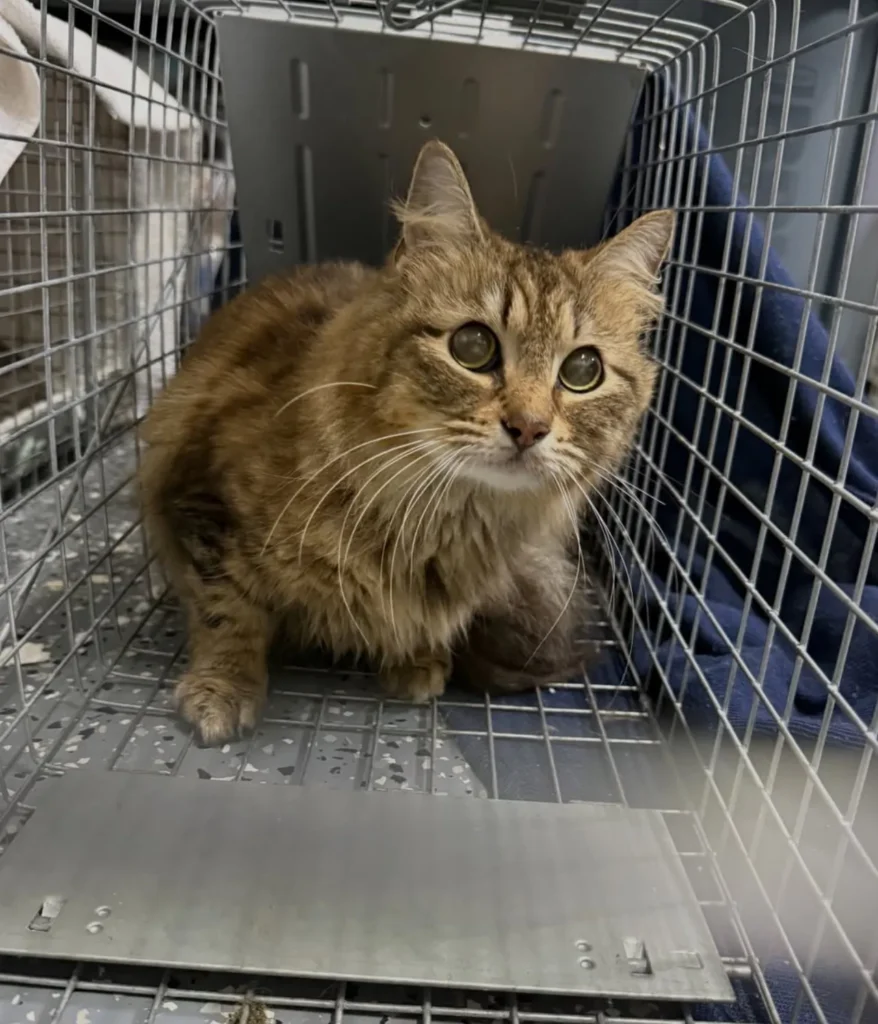
Basic cleaning and hygiene awareness is a required skill for volunteering with cats because it directly affects their health and safety. Volunteers in South Florida rescue environments, including Broward County programs, regularly support simple but essential cleaning tasks that keep cats comfortable and reduce the spread of illness.
This skill does not involve advanced sanitation training or medical knowledge. It is about following clear routines that keep living spaces clean, organized, and safe for animals in care.
Hygiene awareness in a rescue setting means keeping food, litter, and bedding areas clean using consistent, approved routines.
The work is structured and repeatable. Once the process is shown, it becomes routine for most volunteers.
What cleaning tasks typically look like
Most hygiene-related volunteer work involves predictable daily tasks. These are designed to be simple enough for first-time volunteers while still maintaining a safe environment for cats.
Common responsibilities include:
- Scooping and replacing litter boxes
- Washing food and water bowls
- Refreshing bedding and blankets
- Wiping down cages, carriers, or play areas
- Disposing of waste materials properly
Each task is completed in a specific order to avoid cross-contamination and keep animals comfortable throughout the day.
Clean environments reduce stress and help prevent common illnesses in rescue cats.
Why consistency in cleaning matters
Cats are sensitive to their environment. Small changes in cleanliness can affect eating habits, behavior, and stress levels, especially for cats that are newly placed or still adjusting.
When cleaning is done consistently:
- Cats are more likely to eat normally
- Stress-related behaviors decrease
- Illness spreads less easily between animals
- Foster and volunteer environments stay stable
Even simple routines like changing litter at the same time each day help create predictability for the animals.
How cleaning instructions are provided
Cleaning tasks are not left to guesswork. Volunteers are given clear steps for each responsibility so the process stays consistent across all locations and shifts.
Instructions usually include:
- What supplies to use
- The order of cleaning steps
- How often each task should be completed
- Where to place clean and used materials
Most tasks are repeated in the same way each time, so volunteers become familiar with them quickly.
If you are unsure about a cleaning step, the correct action is to pause and ask rather than improvise.
This helps maintain safety and consistency across all animals in care.
Why this skill matters for decision-making
For anyone considering volunteering with Happy Whiskers Animal Coalition or similar programs across South Florida, this is often the first practical responsibility they will encounter.
Clean spaces are a basic requirement of safe cat care, and volunteers help maintain that standard through simple, guided routines.
Communication and Willingness to Learn
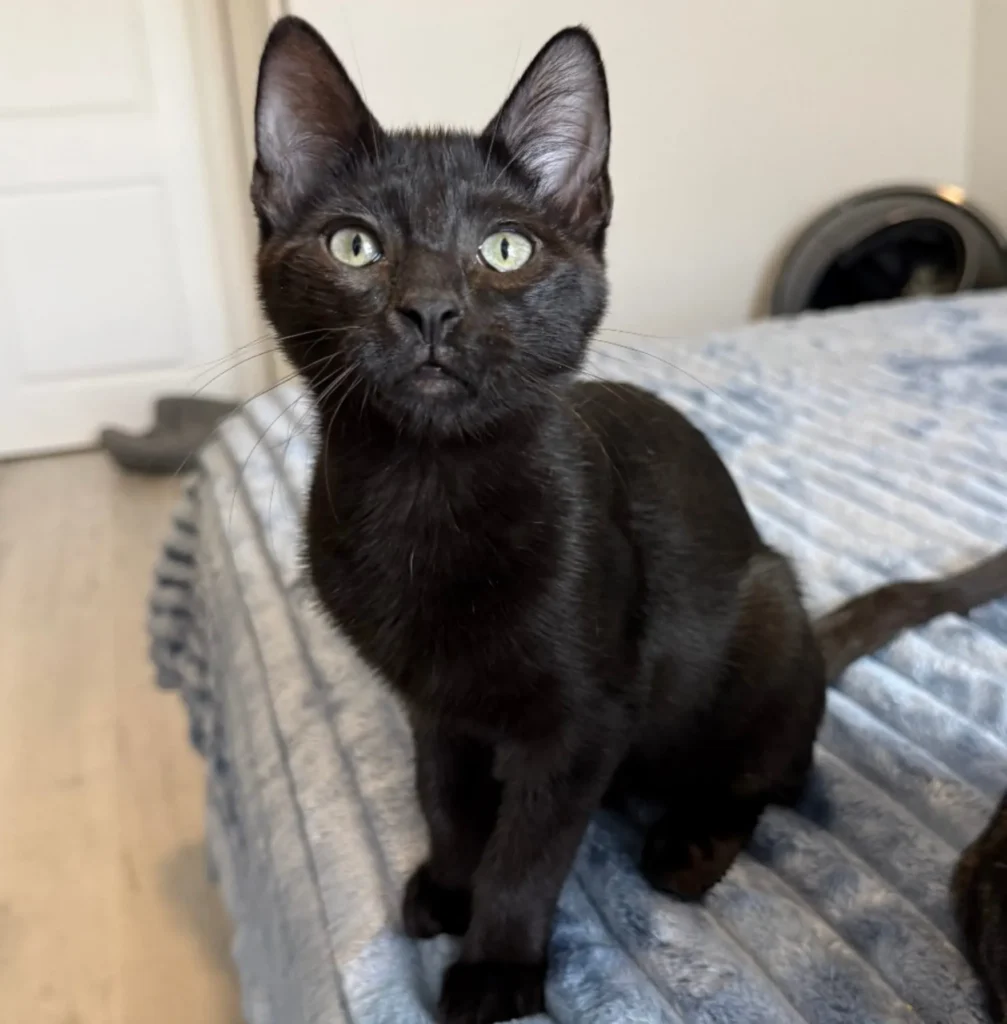
Clear communication and a willingness to learn are essential skills for volunteering with cats, even more than prior experience. Most people who start volunteering in South Florida rescue settings, including Broward County programs, learn the role by asking questions, receiving feedback, and adjusting as they go.
This skill is less about speaking confidently and more about being open, responsive, and consistent in how you receive and share information.
Communication in a rescue setting means sharing what you observe and asking questions when you are unsure about a task or situation.
What good communication looks like in volunteer work
Most communication in a volunteer role is practical and task-based. It focuses on making sure cats receive consistent care and nothing important is missed.
Common examples include:
- Confirming instructions before starting a task
- Reporting changes in a cat’s eating, behavior, or energy level
- Asking for clarification instead of guessing
- Sharing availability for scheduled volunteer shifts
These are small actions, but they help keep care organized and consistent across different volunteers.
If something seems unclear or different from what was expected, it should be communicated immediately.
Why asking questions is part of the role
Many new volunteers hesitate to ask questions because they assume it signals inexperience. In practice, asking questions is part of responsible volunteering.
Tasks can vary slightly depending on the cat’s condition, the environment, or the current care plan. Because of this, clarification prevents mistakes and ensures that care stays consistent.
Questions are not a sign of uncertainty. They are a tool for maintaining safe and accurate care.
What willingness to learn actually means
Willingness to learn is not about knowing more over time. It is about staying open to correction and adjusting based on feedback.
In practical terms, this looks like:
- Accepting instructions without needing prior familiarity
- Making small corrections when something is explained differently
- Observing how experienced volunteers complete tasks
- Improving consistency over time through repetition
Most volunteer roles are designed so that learning happens naturally during regular tasks, not through formal training sessions.
Do I need to already know how to care for cats?
No prior cat care experience is required for volunteer roles. Most tasks are structured so they can be learned quickly through observation and repetition.
The expectation is not expertise but responsiveness and attention.
How communication supports cat safety
Communication is directly tied to animal wellbeing. Small updates can make a meaningful difference in care decisions.
For example:
- A cat eating less than usual may need observation
- A change in behavior may indicate stress or discomfort
- A missed feeding or cleaning step may need correction
Reporting these details early helps ensure cats remain stable and comfortable.
Most care adjustments begin with a volunteer noticing and sharing a small change.
What this skill does not require
To reduce uncertainty, it is important to clarify what is not expected:
- No formal reporting or writing experience
- No medical or behavioral diagnosis
- No independent decision-making about treatment
- No technical communication systems or tools
Communication stays simple, direct, and focused on care-related information.
Why this skill matters for deciding to volunteer
For anyone considering volunteering with Happy Whiskers Animal Coalition, this skill often determines how quickly someone feels comfortable in the role.
Volunteers are not expected to arrive with answers. They are expected to stay engaged, ask when needed, and share what they observe.
Volunteering with cats depends less on what you already know and more on how well you communicate and adapt while learning.
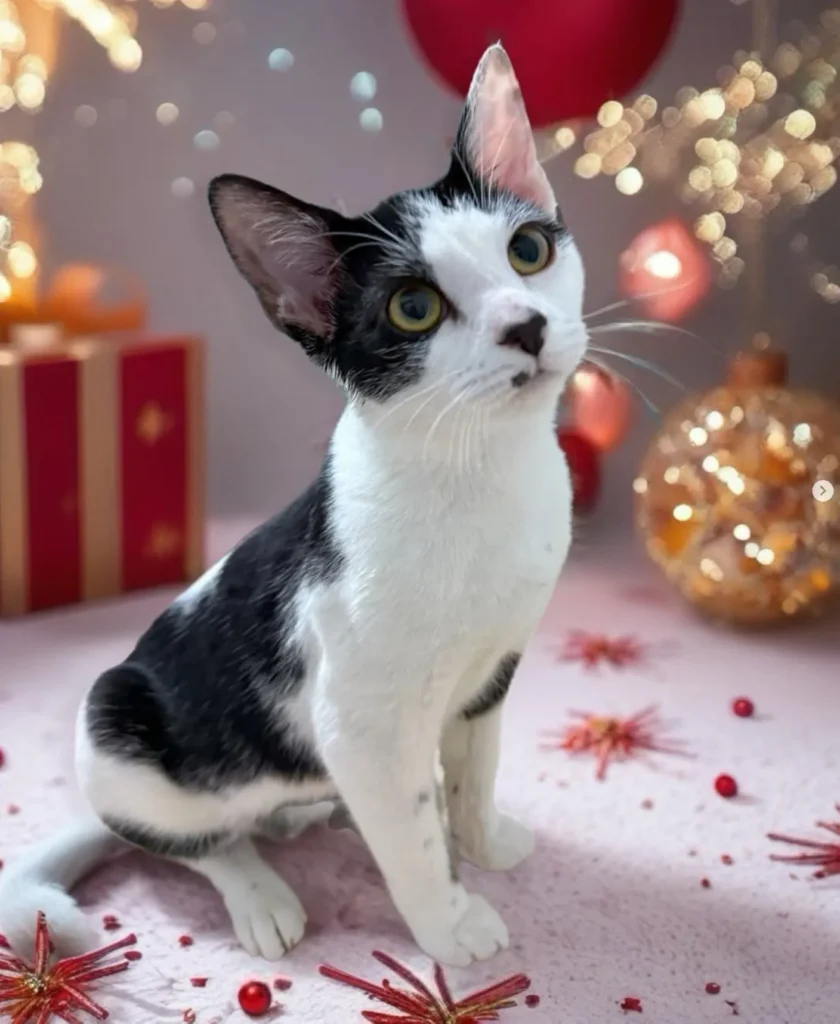
Most people who consider volunteering with cats in South Florida are not held back by interest, but by uncertainty about whether they are “qualified” enough. Once the actual expectations are broken down, the requirements are more straightforward than they often appear. The role is built around basic, learnable skills that improve through repetition and clear guidance.
Comfort around cats, the ability to follow instructions, simple cleaning routines, and open communication all work together to create a stable and supportive environment for animals in care. None of these require prior experience. They develop naturally through participation and consistency. Volunteering becomes more manageable once it is understood as a structured, supported process rather than something you need to already know how to do perfectly. For those in South Florida who feel ready to take a first step, more information about getting involved with Happy Whiskers Animal Coalition is available through our volunteer program page, where the next steps are explained in a clear and accessible way.