
What actually helps most when you volunteer with a cat rescue?
For many people in Broward County and nearby South Florida communities, the issue is not willingness. It is knowing where help is needed and what type of role fits their schedule.
Cat rescue volunteer roles are more varied than people expect. Some involve helping at adoption events. Others involve driving, supply drop-offs, foster support, admin tasks, or online communication.
This article breaks down the most needed volunteer roles in cat rescue so you can compare what each one involves before deciding where you may fit.
Key Takeaways: Which Volunteer Roles in Cat Rescue Are Realistic for Most People?
- Transport roles are useful for people who can handle short, scheduled driving tasks.
- Foster support is a good fit if you want to help foster homes but cannot foster cats yourself.
- Adoption event roles work well for people who prefer clear shifts with start and end times.
- Administrative and digital roles can often be done from home.
- Most roles do not require prior rescue experience.
- Reliability matters more than taking on the biggest role.
Foster Support Volunteers
Foster support volunteers help keep foster homes supplied and connected.
This role does not usually mean housing cats yourself. Instead, you may help the people who are fostering by handling smaller tasks that keep placements running smoothly.
Common foster support tasks include:
- dropping off food, litter, or basic supplies
- helping coordinate pickup or drop-off times
- checking whether a foster home needs supplies
- helping move items between volunteers
- sharing updates with the rescue team
- helping with handoffs between foster homes, vet care, and events
This role matters because foster homes can only take cats if they have the supplies, communication, and backup needed to care for them.
Foster support may be a good fit if you want to help directly but cannot bring a cat into your own home. It also works well for people who are organized, responsive, and comfortable helping with practical tasks.
You do not need rescue experience. You do need to follow instructions, communicate clearly, and follow through when you accept a task.
Transport and Intake Volunteers
Transport volunteers help cats get where they need to go.
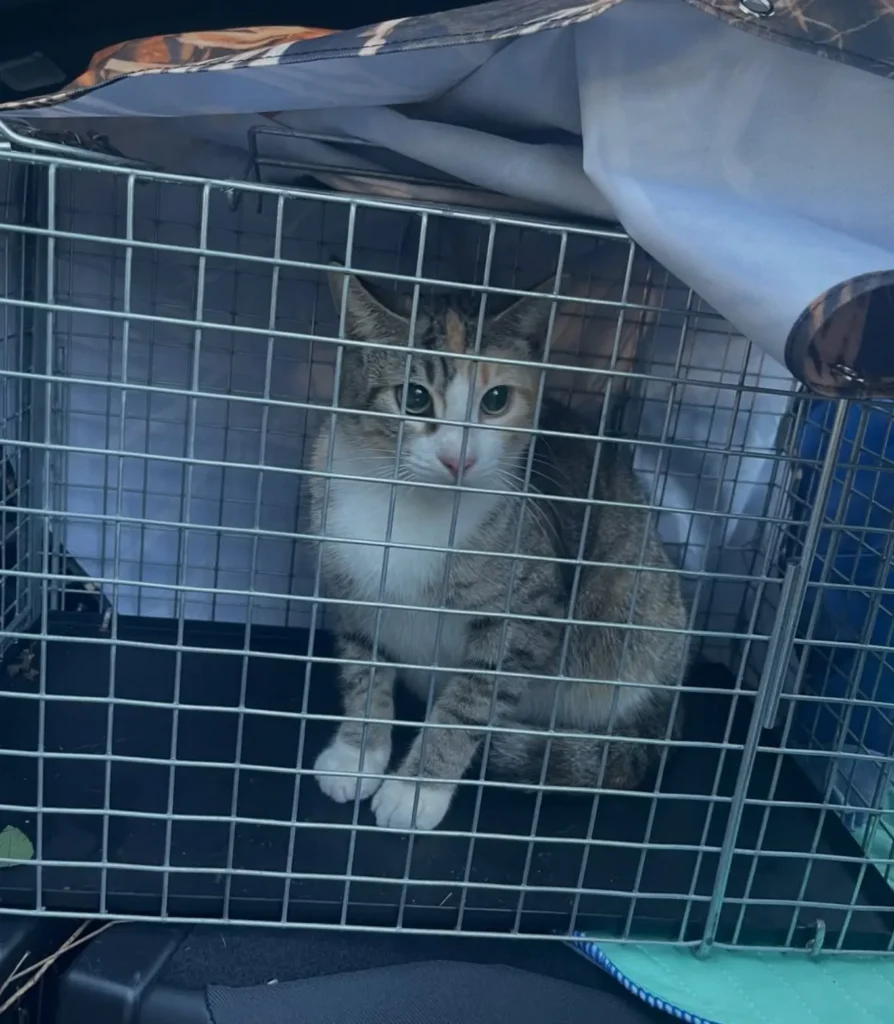
In cat rescue, transportation can affect how quickly a cat gets into foster care, reaches a vet appointment, or makes it to an adoption event. Many rescue delays happen because someone is needed to drive a cat, carrier, food, or supplies from one place to another.
Common transport tasks include:
| Task | What It Involves |
| Intake pickup | Picking up a cat from an approved location |
| Foster delivery | Bringing a cat to a foster home |
| Vet transport | Driving a cat to or from a medical appointment |
| Supply drop-off | Delivering food, litter, carriers, or other items |
Most cats are transported in secure carriers, so volunteers are usually not handling loose animals in the car.
This role is a good fit if you have reliable transportation, can follow pickup instructions, and are comfortable with scheduled errands around Broward County or nearby areas.
Some transport needs are planned ahead. Others may come up quickly. Volunteers usually help based on availability, not a fixed weekly schedule.
Adoption Event Volunteers
Adoption event volunteers help with the setup, flow, and support needed during public-facing adoption events.
These events give potential adopters a chance to meet cats, ask questions, and learn more about the adoption process. Volunteers help keep the event organized so the cats stay safe and visitors know where to go.
Common adoption event tasks include:
| Task | What It Involves |
| Event setup | Tables, signage, carriers, supplies, and materials |
| Cat support | Helping with safe carrier movement or setup |
| Visitor help | Directing people, answering basic questions, and keeping traffic organized |
| Cleanup | Packing supplies and helping the area return to normal |
Volunteers in this role are not responsible for approving adopters or making placement decisions. The rescue handles that part.
Adoption event volunteering may be a good fit if you want a scheduled role with a clear start and end time. It can also be a good first volunteer role because the tasks are specific and usually happen in a group setting.
Administrative and Digital Support Volunteers
Administrative and digital volunteers help with the behind-the-scenes work that keeps rescue communication organized.
This role may not involve direct cat care, but it still affects how quickly the rescue can respond to fosters, adopters, volunteers, and community messages.
Common admin or digital tasks include:
| Task | What It Involves |
| Application support | Organizing incoming foster, adoption, or volunteer inquiries |
| Message tracking | Helping keep communication from getting missed |
| Social media support | Posting updates about available cats, events, or needs |
| Record updates | Tracking foster status, adoption status, or supply needs |
This role can be a good fit if you prefer remote tasks, have limited travel availability, or are more comfortable helping from home.
You do not need advanced technical skills. Basic computer comfort, attention to detail, and clear communication are usually enough.
For a small rescue, missed messages and outdated information can slow everything down. Admin help keeps the rescue more organized and responsive.
How to Choose the Right Volunteer Role
The best volunteer role is the one you can actually show up for.
A role does not need to be big to be useful. A two-hour event shift, one transport a month, or a few short admin tasks can help more than an open-ended offer that never turns into a specific task.
Use your real schedule as the starting point.
| If You Prefer… | A Good Starting Role May Be… |
| Short tasks from home | Administrative or digital support |
| Scheduled in-person shifts | Adoption event volunteering |
| Driving or errands | Transport and intake support |
| Helping foster homes without fostering | Foster support volunteering |
Also think about your comfort level. Some people want hands-on animal interaction. Others prefer logistics, communication, or behind-the-scenes help. Both are useful.
You do not need to choose one role forever. Many volunteers start with one task and adjust once they understand what fits.
Cat rescues need more than people who can foster or adopt.
Volunteer help often comes down to practical tasks: driving cats to appointments, dropping off supplies, helping at events, organizing messages, and supporting foster homes. These jobs may look small from the outside, but they are the tasks that keep cats moving through the rescue process. If you are in South Florida and want to help in a way that fits your schedule, you can review our volunteer opportunities through Happy Whiskers and choose a role that matches your availability.