
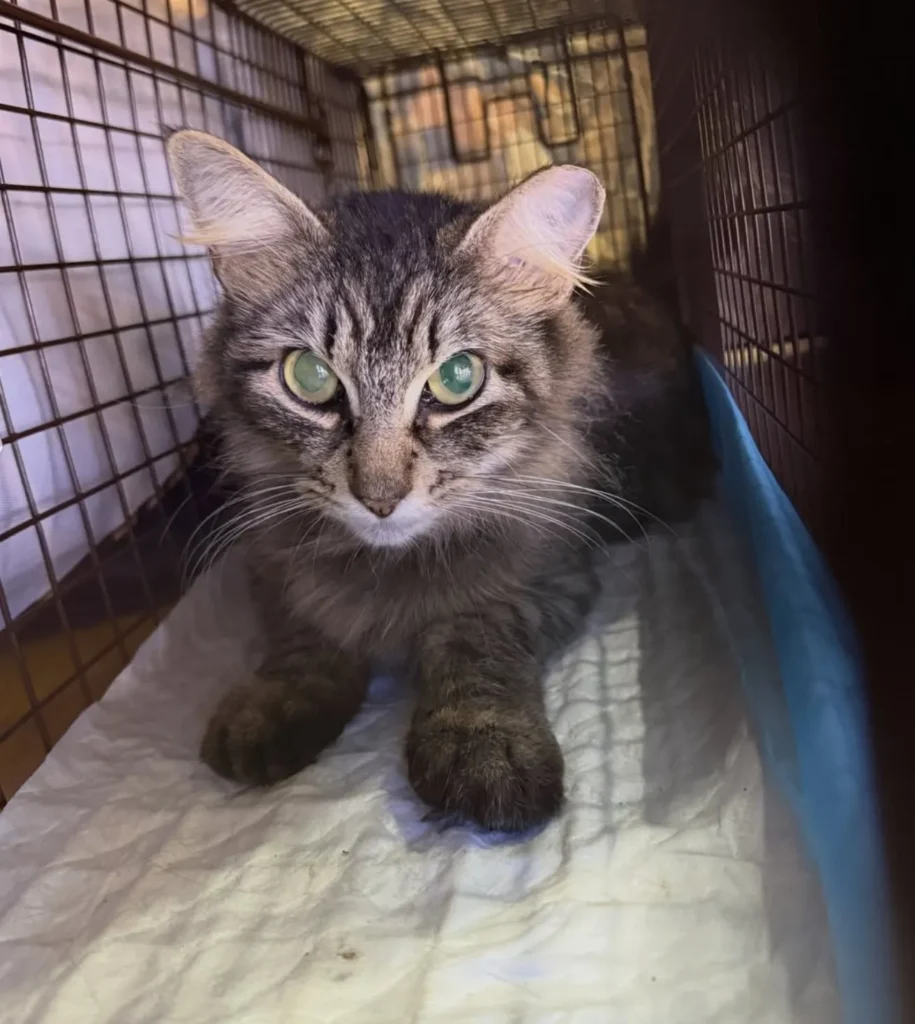
A shy kitten does not always need an experienced foster. Often, they need a quiet room and someone willing to give them time to adjust.
Kittens may arrive nervous after living outdoors, moving between locations, or having limited contact with people. One of the first questions potential fosters ask us is whether they have enough experience to help a kitten who hides or avoids handling.
In many cases, the foster’s job is straightforward: provide a safe setup, follow the kitten’s care instructions, and pay attention to small changes in behavior.
Here are six ways shy kitten foster care helps nervous kittens become more comfortable before adoption.
Key Takeaways: Can Foster Homes Help Shy Kittens Gain Confidence?
- A quiet foster space gives shy kittens time to observe a home without constant activity around them.
- Short daily care routines give kittens repeated, low-pressure contact with people.
- Foster families do not need to force handling or rush a kitten out of hiding.
- Play can help nervous kittens interact with a person while keeping a comfortable distance.
- Updates from foster families help us understand the kitten’s behavior and prepare for adoption.
1. Foster Homes Give Shy Kittens a Quiet Place to Adjust
A small, quiet space is often easier for a shy kitten to understand than an entire home.
A bathroom, spare bedroom, or other secure foster area gives the kitten a clear place to eat, sleep, and use the litter box. They can hear normal household activity without having people or other animals constantly passing through their space.
We may see a kitten hide behind a carrier on the first day and refuse to eat while someone is in the room. Several days later, that same kitten may stay visible during feeding or watch the foster clean the litter box instead of immediately hiding.
Those changes give us useful information about the kitten’s progress.
If you are new to fostering, our guide to fostering cats in Broward County explains how foster-based rescue works and what caring for a cat in your home usually involves.
2. Daily Care Gives Kittens Repeated Contact With People
Feeding, refreshing water, and cleaning the litter box naturally bring a foster into the kitten’s space several times a day.
That repeated contact matters for a shy kitten. The foster does not need to spend hours trying to coax the kitten out. They may simply sit nearby for a few minutes after placing breakfast down or speak calmly while cleaning the room.
Over time, the kitten begins recognizing the person and the routine around their visits.
A kitten who waits for the room to empty before eating may eventually approach the bowl while the foster is still nearby. That is the type of progress we ask foster families to notice and report.
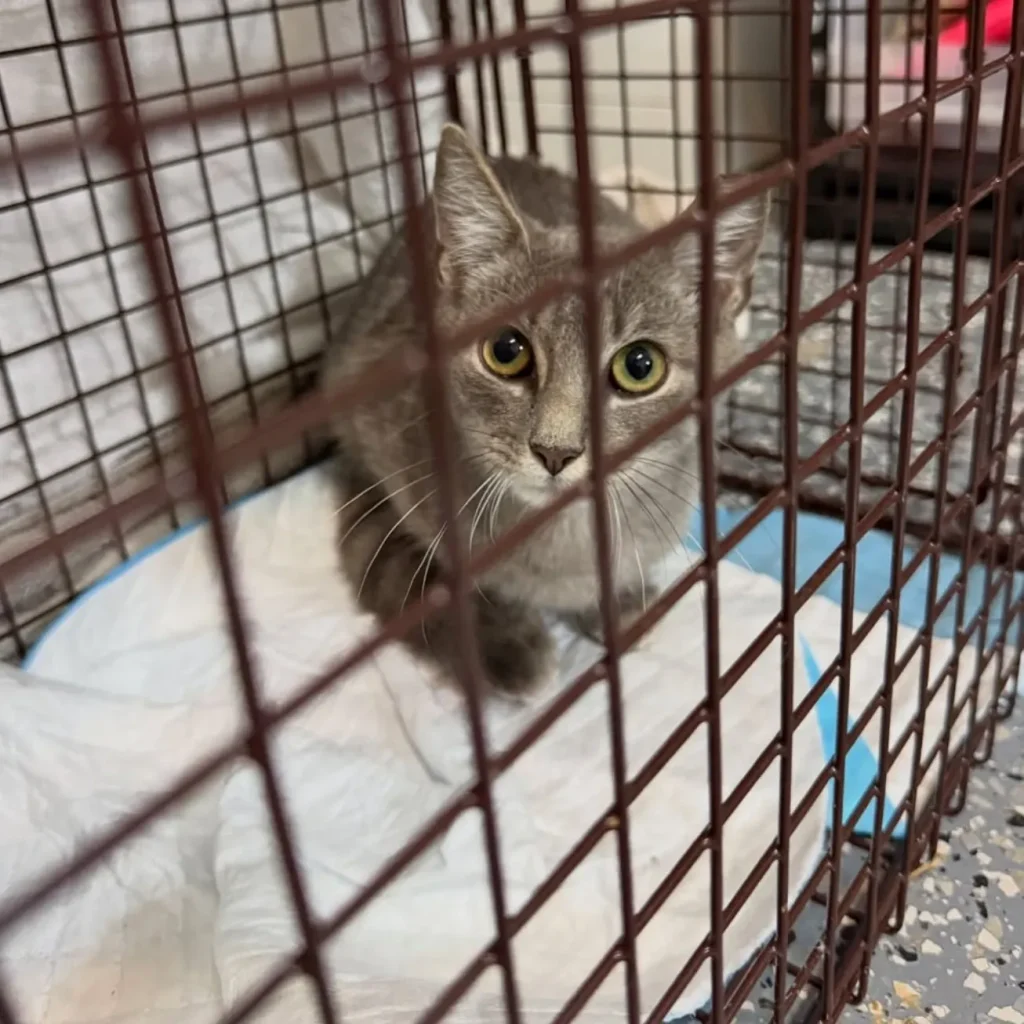
3. Gentle Interaction Lets Trust Build Without Forcing It
Constant touching and picking up can be too much for a kitten who is already nervous around people.
Instead, we look for opportunities to introduce contact without chasing the kitten or pulling them from a hiding place. A foster may sit on the floor nearby, offer food, or allow the kitten to approach first.
The kitten’s behavior helps determine what comes next. Staying in the open, eating near a person, approaching to investigate, or accepting a brief touch can all show that the kitten is becoming more comfortable.
The goal is not to make every shy kitten enjoy being held. We want to understand what the kitten can tolerate and help them have repeated, safe interactions with people.
4. Play Gives Shy Kittens a Low-Pressure Way to Interact
A kitten who backs away from a hand may still chase a wand toy.
The toy creates distance between the foster and the kitten, which can make interaction easier. A kitten can watch from behind a carrier, reach for the toy, and gradually move farther into the room without being approached directly.
We often learn a lot once a shy kitten begins playing. A kitten who stays hidden for much of the day may become active during quiet evening play sessions. Another may be comfortable chasing a toy but still need more time before accepting touch.
Fosters can share those details with us. They help us understand how the kitten interacts and what situations bring out more confident behavior.
5. Foster Families Show Us What Each Kitten Is Like at Home
A kitten’s behavior during a short intake, transport, or vet visit does not always tell us how they will act after settling into a home.
Foster families see the kitten every day. They notice when the kitten comes out, what causes them to hide, how they respond to handling, and when they are most interested in play.
Useful foster updates might include:
- comes out for wet food but hides when new people enter
- plays with a wand toy in the evening
- accepts petting while eating
- relaxes around another calm cat
- prefers a quiet room and startles around loud activity
We can use those observations when describing the kitten and speaking with potential adopters. Instead of simply calling a kitten “shy,” we can explain what the foster has actually seen and what type of home may suit them.
6. Foster Care Gives Shy Kittens Time Before Adoption
Some kittens need several days to settle. Others may need weeks before we see how they behave once they feel safer.
Foster care gives us that time.
A kitten who hides during the first week may later eat in the open, play near the foster, or sleep outside their hiding spot. The kitten may still be reserved, but we have a much clearer picture of their personality and needs.
This matters when preparing for adoption. We are not trying to turn every kitten into an outgoing lap cat. We need to know what the kitten is comfortable with so we can explain that clearly to potential adopters.
The foster’s notes and day-to-day observations help us make that assessment.
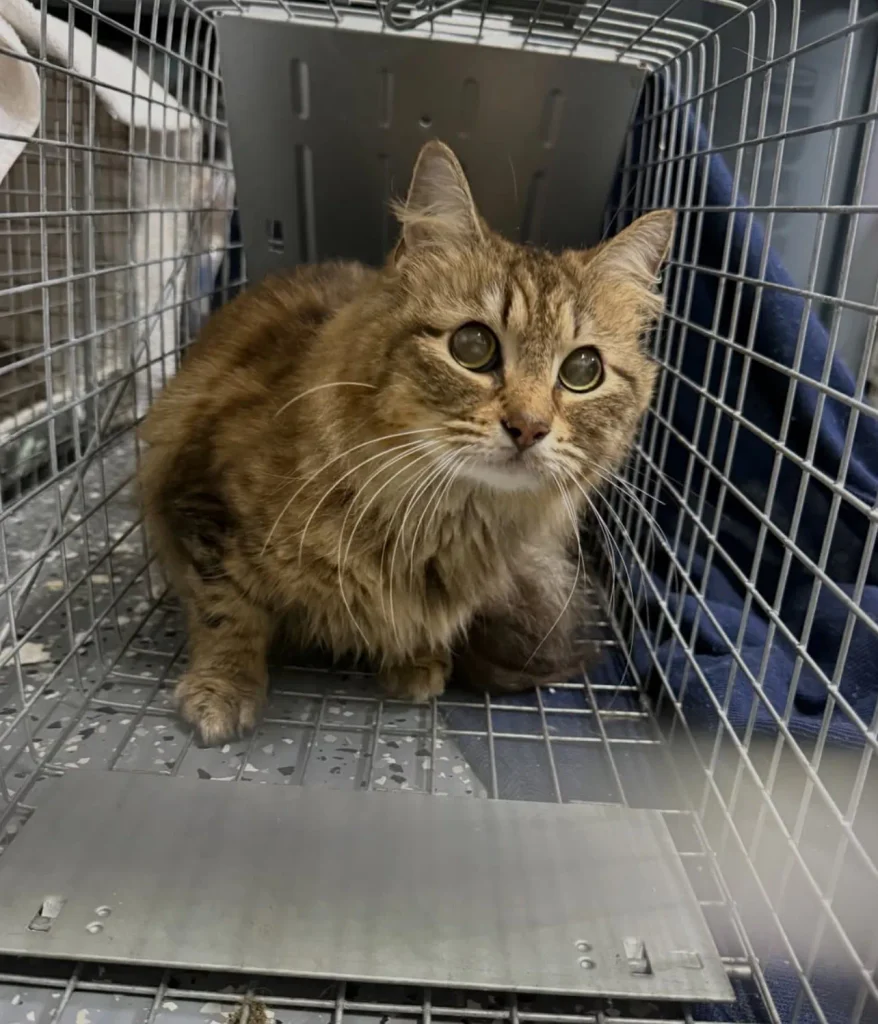
Thinking About Fostering a Shy Kitten in South Florida?
If you are worried that you do not have enough experience to foster a shy kitten, you may be picturing a much more complicated job than what is usually needed.
Much of the work happens during normal care. You bring food, clean the litter box, spend short periods in the room, offer play, and tell us what you notice.
We provide foster families with supplies, approved veterinary care, care instructions, and ongoing support. If a kitten is not eating, has a medical concern, or is having a harder time than expected, we need the foster to communicate with us so we can decide what to do next.
Happy Whiskers Animal Coalition relies on foster homes across South Florida and Broward County to care for kittens outside of a shelter environment. You can learn how our foster program works if you are considering fostering with us.