
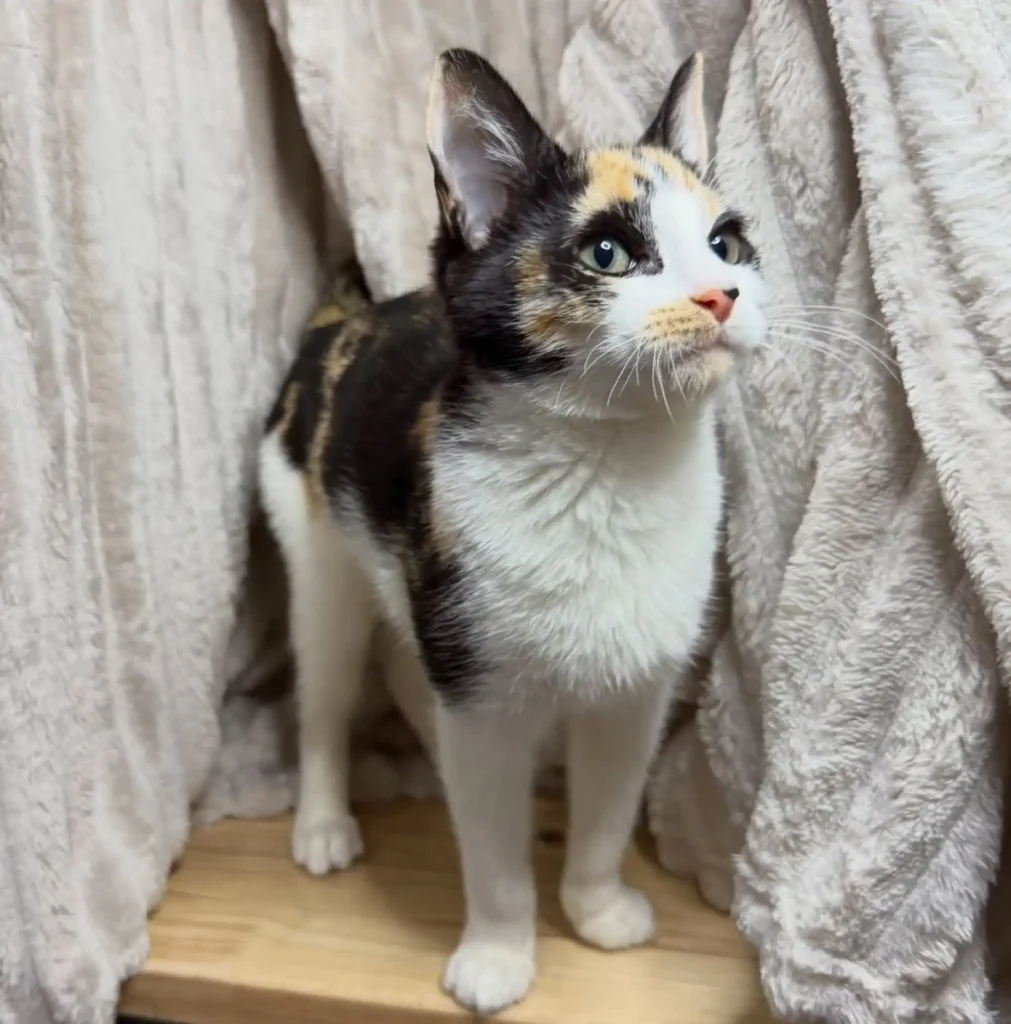
You bring a rescue cat home, get through the first few hours, and then bedtime raises a practical question: should the cat sleep in your bed?
Some cats climb onto the bed the first night. Others hide, explore after the room is quiet, or choose a chair across the room.
You can let a rescue cat sleep in your bed when the cat is healthy, has safe access to the room, and chooses to rest there. You may want to wait if you are still monitoring the cat closely or they need a more contained setup.
Bed sharing is optional. The sleeping arrangement needs to work for the individual cat and your household.
Key Takeaways: Should Your Rescue Cat Sleep in Your Bed?
- A healthy, settled rescue cat can usually sleep in your bed if you are comfortable with it.
- Newly adopted cats may need a smaller starter space while you track eating and litter box use.
- Sleeping on your bed is not required for a cat to trust or bond with you.
- Medical care, parasites, allergies, mobility, and sleep quality may affect the decision.
- If you do not want the cat in your bed long term, set up another sleeping area from the beginning.
- Do not pick up a nervous cat and place them on the bed to encourage closeness.
When Is It Safe for a Rescue Cat to Sleep in Your Bed?
For many cats, sleeping on an adopter’s bed is fine.
The cat should be healthy enough for normal household access, and you should know whether there are any care instructions that affect where they stay.
A newly adopted cat may still need a contained area while you confirm that they are eating and using the litter box normally. A cat recovering from approved medical care may also have instructions that limit jumping, activity, or access to furniture.
If you are preparing to adopt a cat in South Florida, ask about the individual cat’s current routine and medical needs before deciding where they will sleep.
We may already know that a cat regularly sleeps beside their foster family. Another cat may spend the night in a separate foster space because we need to monitor them more closely.
Use the information we have about that cat rather than treating bed access as a rule for every rescue cat.

Bed Sharing Does Not Measure the Bond
A cat sleeping beside you can mean they are comfortable resting close to you.
It does not give us a complete measure of the relationship.
Some cats sleep on people’s pillows. Others follow their foster or adopter through the house and then choose to sleep alone.
We may know from foster updates that a cat rarely sits in laps but regularly sleeps at the foot of the bed. Another cat may seek attention throughout the day and disappear into a covered bed at night.
Those are individual preferences.
If your newly adopted cat chooses a chair, cat bed, or hiding place instead of your mattress, do not repeatedly move them onto the bed.
Where the cat sleeps is useful information about what they currently prefer. It is not a test they need to pass.
When You May Want to Wait Before Sharing the Bed
A more contained sleeping setup may make sense during the first part of the adjustment period.
You may need to track whether the cat ate overnight or used the litter box. A nervous cat may also find a full bedroom with several inaccessible hiding places harder to monitor.
Wait before giving bed access if the cat:
- has care instructions that limit jumping or activity
- is being monitored for a medical concern
- has fleas or another parasite concern being addressed
- is extremely difficult to locate or observe in a larger room
- has not established normal eating or litter box patterns
The exact setup depends on the cat.
A bathroom, bedroom, crate, or another contained area may be appropriate based on what we need to monitor. Once the cat’s care is easier to track, sleeping arrangements can change.
Give the Cat Another Place to Sleep
Even if you allow the cat on your bed, give them another resting option.
A cat bed, open carrier with familiar bedding, covered bed, or stable chair can give the cat somewhere to move when you turn over, get up, or enter the room.
Place the sleeping option somewhere the cat can use without being repeatedly approached.
You do not need to keep moving the bed because the cat ignored it the first night. Watch where the cat naturally chooses to rest.
If they consistently sleep in one corner of the room, moving an appropriate bed closer to that location may work better than placing it beside you because that is where you want the cat to sleep.
Consider Your Health and Sleep Too
A sleeping arrangement has to work for the people in the home.
If someone has significant allergies, a weakened immune system, mobility concerns, or difficulty sleeping with an animal moving on the bed, keeping the cat off the mattress may be the better arrangement.
Your own sleep matters.
Some cats become active at night, walk across pillows, or repeatedly wake people for attention. If you know disrupted sleep will become a problem, you do not need to allow bed sharing because you think an adopted cat expects it.
Set the boundary you can maintain.
Give the cat an appropriate sleeping area and keep the nighttime routine consistent rather than allowing bed access for several weeks and then suddenly changing the rule after frustration builds.
What If You Don’t Want Your Cat Sleeping in Your Bed?
You can adopt a cat and keep your bed cat-free.
Decide where the cat can sleep instead.
That may be a cat bed in the bedroom, an open carrier with bedding, a chair the cat already uses, or another safe area of the home.
If the bedroom itself will be off-limits, make sure the cat has access to water, litter, and an appropriate resting place elsewhere.
Be consistent about the door.
Opening it after repeated scratching or vocalizing can teach the cat that continuing the behavior changes what happens. If nighttime behavior becomes difficult, look at the cat’s daytime activity, feeding routine, and sleeping setup rather than punishing them.
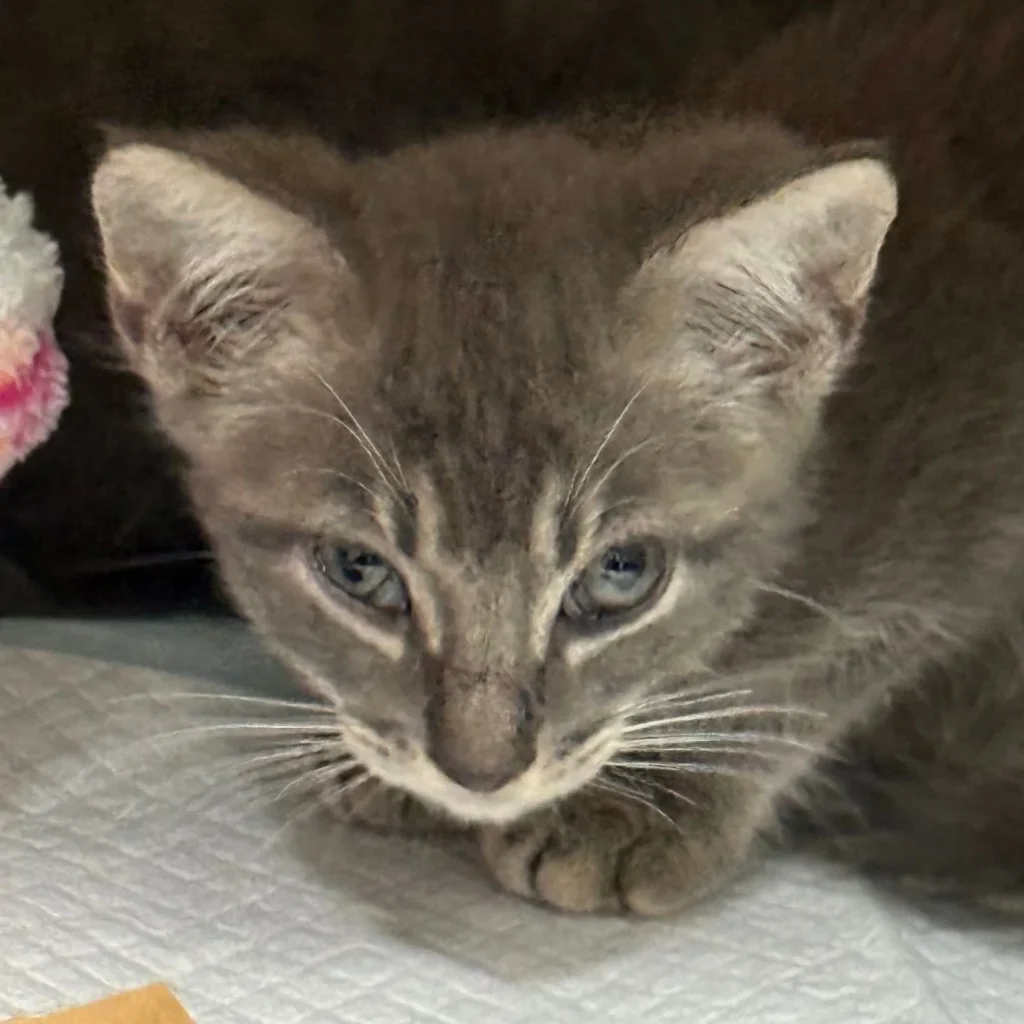
Thinking About Adopting a Rescue Cat in South Florida?
Sleeping habits are one of the everyday details foster homes can help us describe before adoption.
We may know whether a cat sleeps near people, becomes active late at night, prefers covered beds, or regularly chooses a separate room.
Ask us what the foster has observed.
Those details can help you picture daily life with the individual cat instead of guessing based on age or appearance.
When you are ready, you can see rescue cats looking for homes through Happy Whiskers and ask us about the cats you are considering.