
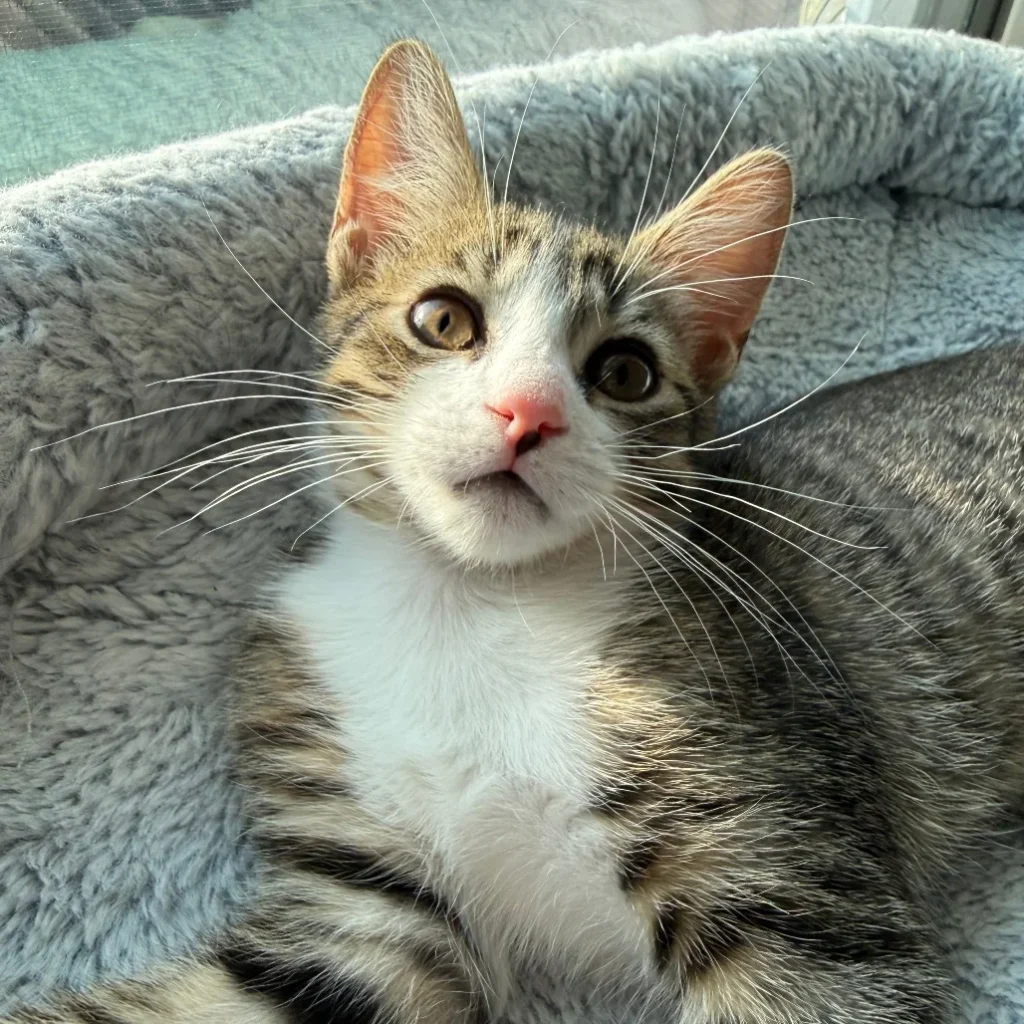
You have read about fostering. You have thought about your schedule, your home, and whether you would get attached.
Then you keep researching the same questions.
For many potential fosters, there is a point where gathering information stops answering new concerns. The same worries about time, experience, and doing something wrong keep coming back.
Those concerns deserve real answers. They do not always mean fostering is a bad fit.
Here are seven signs you may be overthinking becoming a cat foster and the practical question to ask instead.
Key Takeaways: Are You Overthinking Becoming a Cat Foster?
- You need safe indoor space and time for daily care, not a perfect home or an empty schedule.
- First-time fosters can be matched with cats whose needs fit their experience.
- Getting attached to a foster cat is common and does not automatically mean you should not foster.
- Foster placements differ in length and care needs.
- We need fosters to communicate changes and ask questions rather than solve every problem themselves.
- If you keep researching the same concerns, it may be time to ask what type of placement would actually fit your home.
1. You Keep Waiting Until Life Feels Perfect
If your plan is to foster once work slows down, your house is completely organized, and your schedule becomes predictable, you may wait much longer than necessary.
Most foster homes are regular households. People work, run errands, have family responsibilities, and occasionally have busy weeks.
The useful question is whether you have enough time for the daily care required by a specific cat.
Someone who works full time may not be able to bottle-feed neonatal kittens every few hours. That same person may be able to foster an adult cat who needs meals, a clean litter box, observation, and time in a quiet room.
Our guide to fostering cats in Broward County explains more about how fostering fits into everyday life in South Florida.
2. You Think You Need Rescue Experience First
Many foster families did not begin with rescue experience.
For a straightforward placement, we need someone who can follow the cat’s care instructions, keep their space clean, and tell us when eating, energy, litter box habits, or behavior changes.
We do not expect a new foster to independently manage a complicated medical case.
A first-time foster may be matched with a healthy adult cat or weaned kittens. Bottle-fed kittens and cats needing more involved care require different experience and availability.
If experience is your main concern, ask what types of placements are appropriate for a first-time foster.
3. You’re Worried You’ll Get Too Attached
You probably will care about the cat living in your home.
You may learn which food they run toward, where they sleep, and what time they start asking for attention. Saying goodbye can be difficult.
That does not automatically make fostering a bad idea.
The question is whether you can care for a cat temporarily and help us prepare them for an adoptive home. Foster observations also give us useful information to share with adopters.
Some fosters do adopt a foster cat. We still need foster homes that understand the original goal is temporary care.
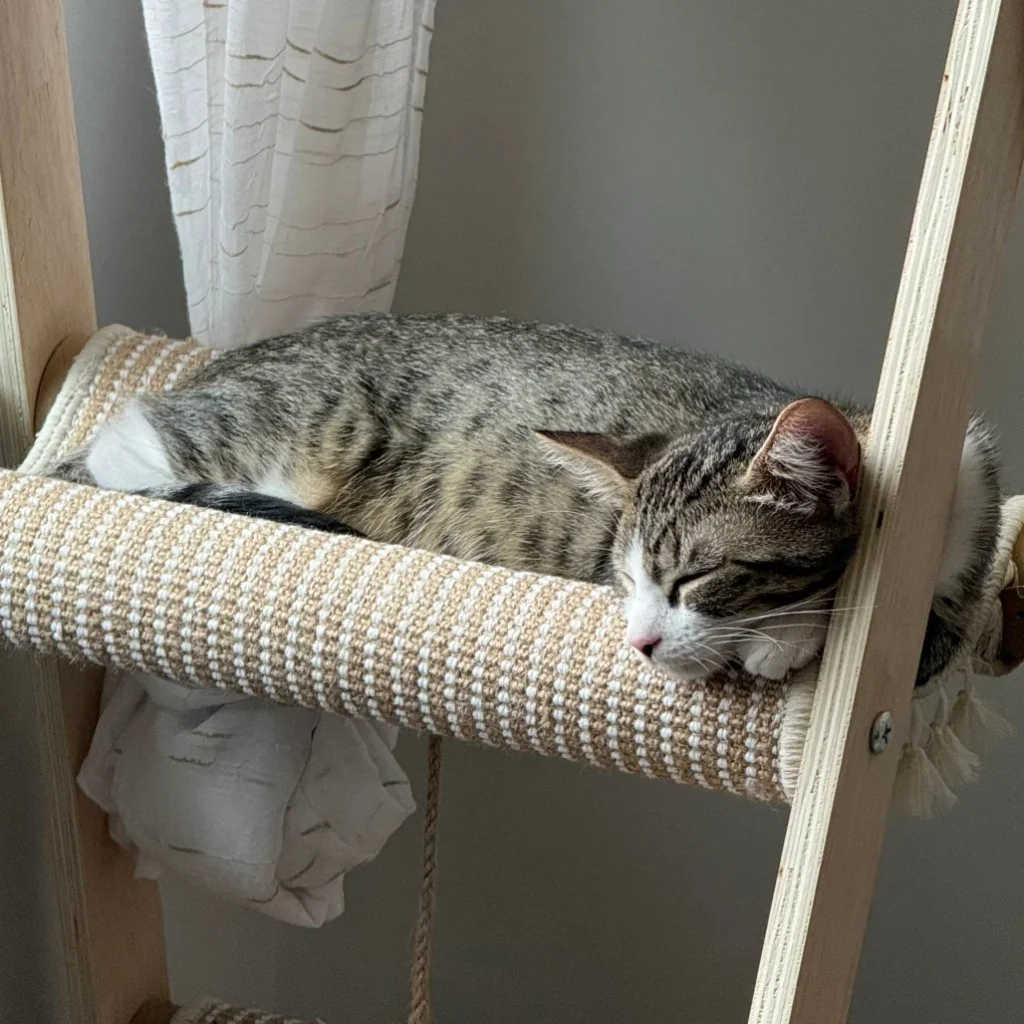
4. You’re Imagining Every Possible Emergency
Potential fosters sometimes picture a cat becoming seriously ill at 2 a.m. before they have even submitted an application.
Problems can happen. Foster cats may stop eating, develop diarrhea, begin sneezing, or behave differently after a move.
We provide approved veterinary care, care instructions, and ongoing support. We need the foster to notice changes and contact us rather than diagnose the problem or decide on treatment alone.
For example, a kitten who stops eating needs to be reported quickly. An adult cat hiding after arriving may need a quieter setup and observation.
You do not need an answer for every possible situation before fostering. You need to be willing to communicate when the situation in front of you changes.
5. You’re Treating Every Foster Placement Like the Same Commitment
A mother cat with newborn kittens is a different placement from a healthy adult cat waiting for adoption.
The time, cleaning, monitoring, and scheduling needs can be very different.
This is why we need honest information about your work schedule, travel, available room, resident pets, and the type of care you can provide. Those details affect which placements make sense.
If you cannot manage frequent feedings or regular weight checks, say so. If you can foster an adult cat but not kittens, that is useful information too.
You are deciding whether a specific type of foster placement fits your life, not whether you can handle every cat that may enter rescue care.
6. You’re Comparing Yourself to an Imaginary Perfect Foster
A large house does not automatically make someone a dependable foster.
We would rather know that a cat is in a secure bathroom with a clean litter box, regular meals, and a foster who responds to messages than place them in a large home where care instructions or updates are missed.
The basics matter:
- keep the cat safely indoors
- follow the care instructions for the placement
- notice changes in eating, energy, and litter box habits
- communicate concerns early
- help coordinate agreed-upon appointments or handoffs
If you can reliably do those things, the fact that another foster has more experience or a larger home is not the most useful comparison.
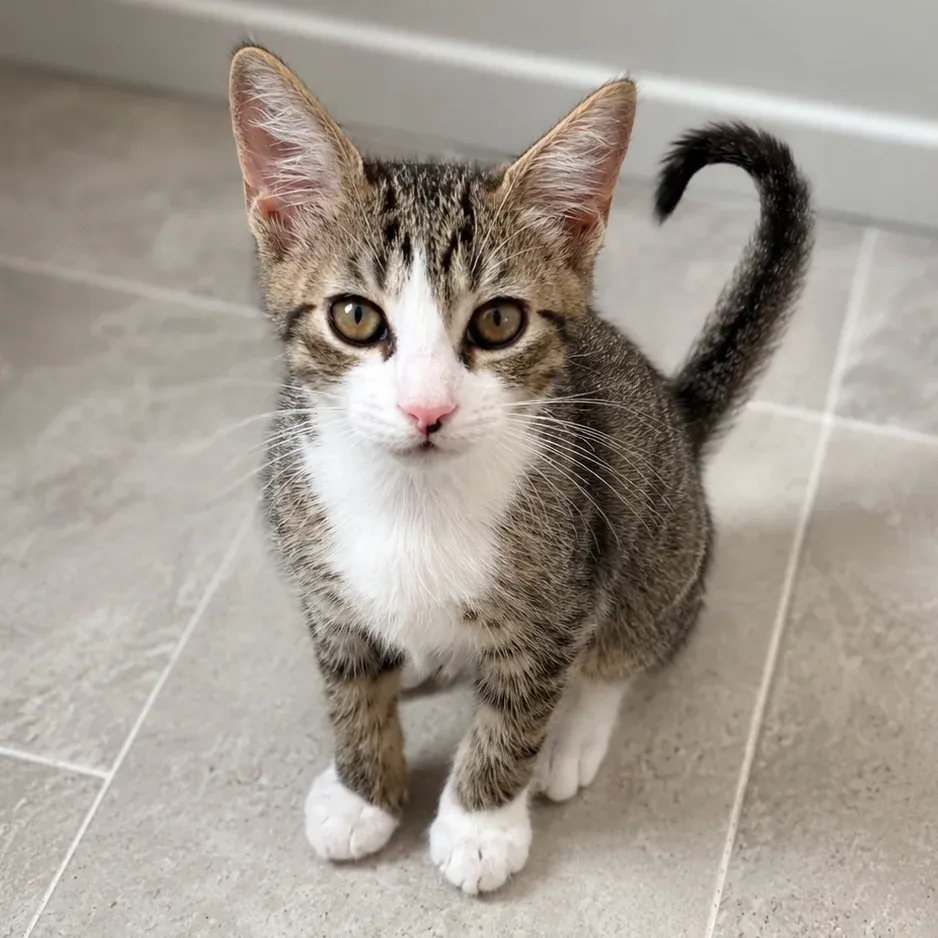
7. You Keep Reading the Same Answers Instead of Asking About Your Situation
If you have searched “Can I foster while working full time?” five different ways, another article may not solve the problem.
Your actual schedule is the missing information.
The same applies to concerns about resident pets, travel, apartment living, or getting attached. General information can explain what fostering involves, but it cannot tell you which current placement would fit your home.
At that point, ask us.
You can tell us that you work from 9 to 5, have one resident cat, and can use a spare bathroom. We can explain what those details mean for the types of foster placements we may need.
If you are considering fostering in South Florida, you can learn how our foster program works and contact Happy Whiskers Animal Coalition with questions about your situation.