
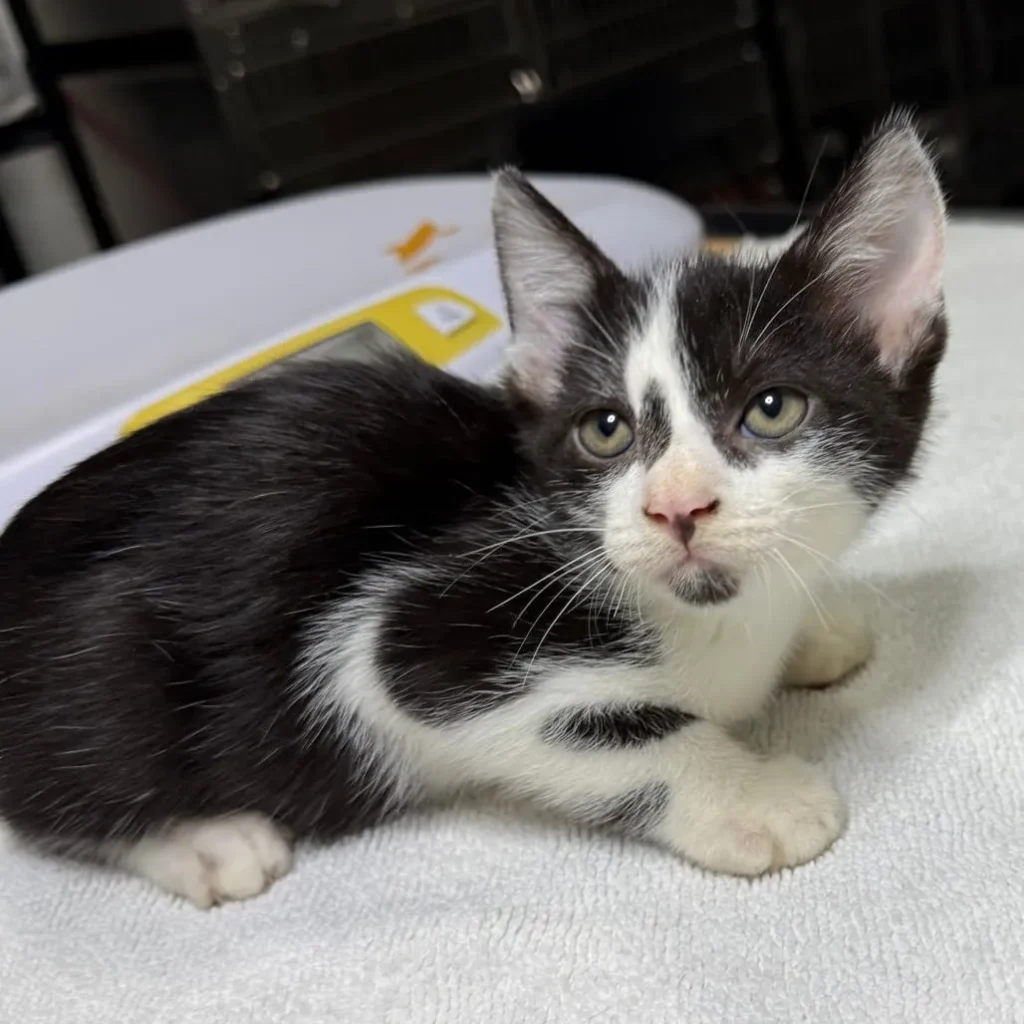
Volunteering with a cat rescue can feel different from what people expect at first.
Many people picture spending most of the time playing with cats. That can be part of it, but rescue volunteering also includes cleaning, feeding, organizing supplies, setting up events, watching behavior, and following care instructions.
For people in South Florida who are deciding whether to volunteer, the real question is usually not “Do I care?” It is “Can I handle what the work actually looks like?”
Here are six challenges volunteers often learn to manage once they get involved.
Key Takeaways: What should you expect before volunteering at a cat shelter?
- Volunteering includes routine care tasks, not constant cat interaction.
- Emotional attachment can happen when you see the same cats regularly.
- Volunteers may see cats recovering from illness, stress, or neglect.
- Cleaning, feeding, laundry, and setup are normal parts of the role.
- Short, reliable shifts are often more useful than occasional vague availability.
- Volunteers are not expected to make medical or behavioral decisions alone.
1. You May Get Attached to Cats in Care
Attachment is normal in cat rescue.
When you feed the same cat, clean their space, talk to them, or watch them become more comfortable, you may start to feel connected. That can happen quickly, especially with shy cats or kittens who begin to trust people over time.
The hard part comes when that cat moves to a foster home, adoption event, or permanent placement. It can feel like a goodbye, even when the outcome is positive.
The healthier way to look at it is this: volunteers are part of the transition. Your role helps a cat become ready for the next step. That does not remove the emotional side, but it gives the attachment a clear purpose.
2. You May See Cats Who Are Sick, Scared, or Recovering
Not every cat in rescue is healthy, social, or ready for adoption right away.
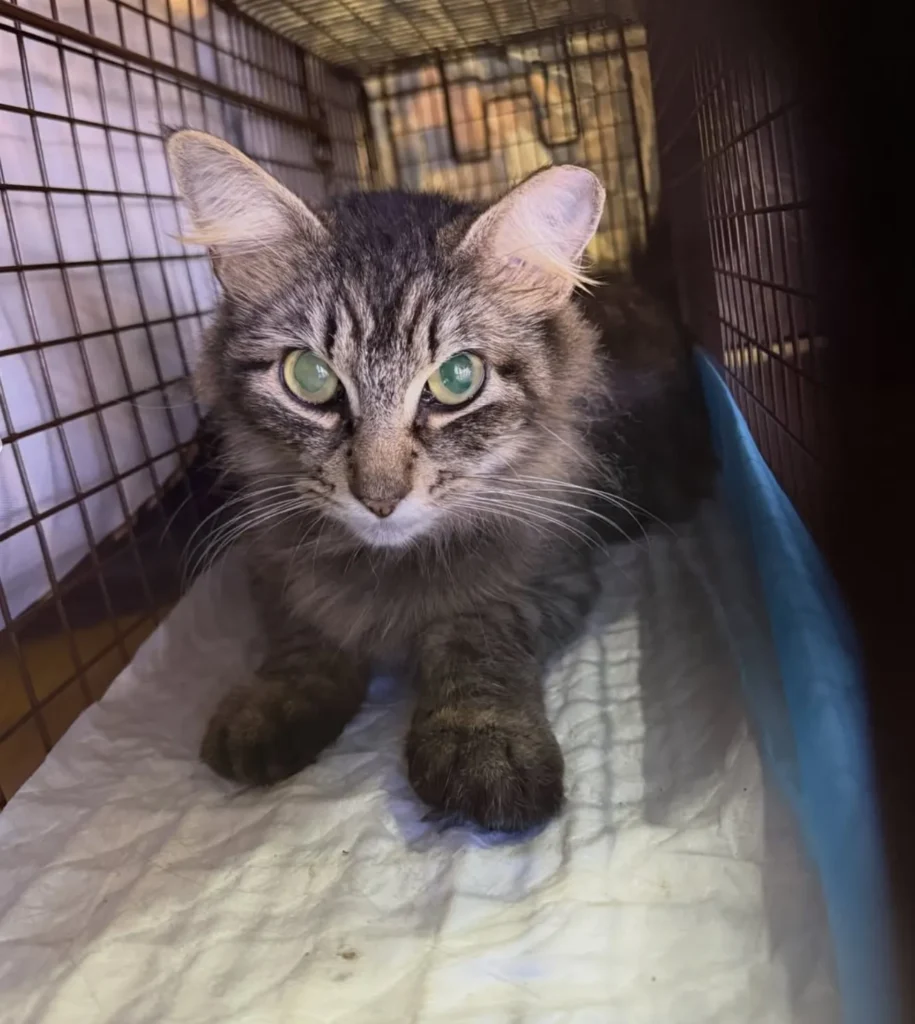
Some cats may have eye discharge, fleas, low energy, thin body condition, fear responses, or stress from being moved. The first time you see that, it can feel harder than expected.
Volunteers are not expected to diagnose or treat medical issues. Your job is usually to follow instructions, keep the area clean, observe changes, and tell the right person if something looks off.
That separation matters. Medical decisions stay with the rescue team, veterinary partners, or experienced coordinators. Volunteers help by noticing details and keeping care routines steady.
3. A Lot of the Work Is Cleaning and Daily Care
Cleaning is one of the most overlooked parts of volunteering.
A cat rescue depends on clean litter areas, fresh water, washed bedding, wiped surfaces, stocked supplies, and reset spaces. The ASPCA lists shelter-support tasks such as laundry, sorting donations, cleaning empty enclosures, stocking supplies, washing dishes, and washing transport cages.
That may not sound exciting, but it is the work that keeps cats healthier and less stressed.
For Happy Whiskers, a volunteer who reliably handles cleaning, supplies, transport setup, or event prep can make the rest of the day easier for foster coordinators and adoption volunteers.
The most useful work is not always the most visible.
4. Scheduling Still Requires Reliability
Volunteering can be flexible, but it still needs follow-through.
Most roles do not require full-day availability. Many shifts are short and task-based. SPCA Florida lists animal care volunteer shifts in 2–3 hour increments, with tasks such as cleaning kennels and catteries, feeding, socializing animals, grooming when needed, laundry, and dishes.
The challenge is not usually the number of hours. It is choosing a commitment you can actually keep.
A two-hour shift that happens when promised is more useful than a broad offer to help with no clear time attached. Rescue work depends on coverage. If someone is assigned to help with an event, transport, cleaning, or feeding prep, another person may be planning around that.
Reliability is part of the role.
5. You Have to Learn Safe Handling and Boundaries
Cats communicate through behavior, and volunteers need to learn how to read it.
A cat that hides may need space. A cat that swishes its tail may be overstimulated. A cat that approaches slowly may be curious but cautious. Safe handling is less about control and more about paying attention.
Best Friends offers cat behavior and enrichment training that covers body language, socialization, enrichment, stress reduction, and behavior support.
You do not need to know all of this before volunteering. You learn by watching, asking, and repeating the right habits.
The challenge is patience. Some cats do not want to be picked up. Some need quiet interaction. Some need time before they trust touch. Respecting those limits keeps both the cat and volunteer safer.
6. The Reality May Be Less “Cute” Than Expected
There are rewarding moments in rescue work, but they usually come after the routine work.
You may spend more time scooping litter, folding towels, carrying supplies, wiping surfaces, or setting up cages than petting cats. That surprises some first-time volunteers.
This does not make the work less worthwhile. It makes it more practical. Clean spaces, fresh supplies, and steady routines create the conditions that let cats relax, recover, and become easier to place.
A good volunteer understands that cat care is not only the moment of connection. It is also the work that makes those moments possible.
Volunteering at a cat rescue is not hard because it requires expert animal experience. It can feel challenging because the work is more routine, emotional, and responsibility-based than people expect.
Once you understand that, the role becomes easier to evaluate. You may help with cleaning, feeding, transport, supply pickup, adoption events, communication, or cat socialization. You may also learn how to handle goodbyes, read cat behavior, and stay reliable with a simple shift.If you are in South Florida and want to help in a practical way, you can review our volunteer opportunities and see where your time may fit best.